


Connecticut’s housing market in 2026 remains one of the most supply-constrained markets in the Northeast. Buyers are facing high prices, limited listings, expensive property taxes, and mortgage rates that continue to reduce purchasing power. Sellers, meanwhile, still hold leverage in many towns because there are not enough homes available to meet demand.
The state’s housing story is closely tied to New York City, Fairfield County jobs, commuter rail access, and limited new construction. Stamford, Norwalk, Greenwich, Bridgeport, Hartford, West Hartford, Middletown, New Haven, and surrounding suburbs all show different price patterns, but the same broad issue appears statewide: demand has held up better than supply.
In May 2026, Redfin reported that Connecticut home prices were up 7.9% year over year, with a median sale price of $458,372. Homes spent a median of 39 days on the market, and Connecticut had only 2 months of supply, well below a balanced market.
Why Connecticut home prices remain high
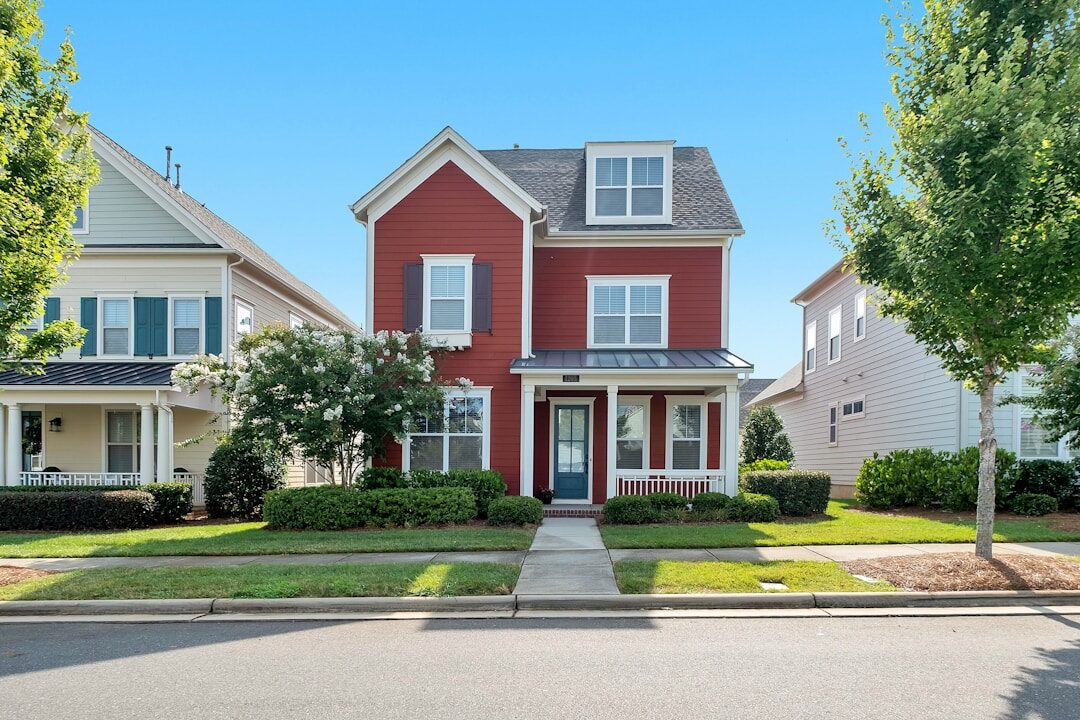
Connecticut’s home prices are supported by a mix of low inventory, commuter demand, high household incomes in some counties, and a shortage of housing types. Many homeowners who locked in low mortgage rates before 2022 are reluctant to sell and buy again at higher rates. That keeps listings lower than normal.
The inventory problem is not only cyclical. It is also structural. Connecticut has many towns dominated by single-family homes, and CT Insider reported in July 2026 that about 65% of the state’s residential buildings are single-family homes. More than 100 towns have an even higher single-family share above 80%, which limits the availability of smaller, denser, and more affordable housing.
This matters for both buyers and renters. When fewer condos, townhomes, duplexes, and apartments are built, more households compete for the same limited stock. That keeps prices elevated even when mortgage rates slow buyer activity.
Inventory is the key issue for buyers
Connecticut is still operating like a seller’s market in many areas because inventory is low. A balanced housing market usually has a supply of around 5 to 6 months. Connecticut’s 2-month supply shows that buyers still have limited choices.
That does not mean every listing receives bidding wars. Homes that are overpriced, outdated, poorly located, or need major repairs can sit longer. But move-in-ready homes in strong school districts, commuter towns, or walkable neighborhoods can still move quickly and sell above asking.
In January 2026, CT Insider reported that winter weather helped push Connecticut sales and listings lower, but demand remained strong, and many homes still sold quickly or above asking. The statewide median sale price reached $418,000 in January, $38,000 higher than the previous year.
Stamford and Fairfield County remain high-demand markets

Southwestern Connecticut remains one of the state’s strongest housing regions because of its connection to New York City and major corporate employers. Stamford, Norwalk, Greenwich, Darien, Westport, and nearby towns continue to attract commuters, hybrid workers, renters leaving New York City, and buyers seeking more space.
Fairfield County prices show the strength of that demand. Redfin reported that over the 3 months ending May 2026, Fairfield County home prices were up 8.4% from the same period a year earlier, with a median sale price of $748,000.
Stamford remains especially important because it combines job access, apartments, rail service, and proximity to New York. Buyers and renters who want a lower-cost alternative to Manhattan or Brooklyn often look there, though Stamford itself is no longer cheap.
Hartford is one of the hottest markets in the country
Hartford has become one of Connecticut’s most-watched housing markets. Once seen as a more affordable alternative within the state, Hartford is now attracting attention due to tight supply, price growth, and demand from buyers priced out of more expensive metros.
The New York Post reported in January 2026 that Zillow ranked Hartford as the hottest U.S. housing market for 2026, citing inventory 63% below pre-pandemic levels and a high share of homes selling above asking price.
Hartford’s appeal stems from its relative affordability, historic housing stock, insurance and health care employment, and access to nearby suburbs such as West Hartford, Wethersfield, Newington, and Glastonbury. But as demand rises, affordability becomes harder for local buyers.
Connecticut rents are still expensive

Connecticut’s rental market remains tight because high home prices and mortgage rates keep more households renting longer. Zillow’s rental data lists the average rent in Connecticut at about $2,000, with studio apartments at around $1,477, one-bedroom apartments at around $1,650, two-bedroom apartments at around $1,975, and three-bedroom apartments at around $2,300. Zillow also listed 7,794 available rentals statewide.
Rent growth is not as hot as during the pandemic surge, but rents remain high relative to incomes in many communities. CT Insider reported in 2026 that the statewide average rent was around $1,894 a month and that some local markets were seeing rent increases slow or reverse.
For renters, the best strategy is to compare locally. Stamford, Norwalk, Greenwich, and New Haven can feel much more expensive than smaller inland markets. Hartford may be cheaper than Fairfield County, but demand has also tightened there.
Property taxes are a major cost for homeowners
Connecticut property taxes are among the most important costs buyers need to understand. The Tax Foundation’s 2026 Connecticut profile lists the state’s effective property tax rate on owner-occupied housing value at 1.54%.
AARP’s 2026 Connecticut tax guide also cites an effective property tax rate of 1.54% and a state sales tax rate of 6.35%. That means a buyer should not only compare mortgage payments. They should also estimate the local mill rate, insurance, utilities, maintenance, and commuting costs.
Property tax bills vary widely by municipality. Two similarly priced homes in different towns can carry very different annual tax bills. This is especially important in Connecticut, where local governments and school systems rely heavily on property taxes.
Mortgage rates and affordability are slowing activity
Mortgage rates remain a major factor in Connecticut’s 2026 housing market. Redfin’s U.S. market data for May 2026 listed the national 30-year fixed mortgage rate at 6.4%. Rates in that range make monthly payments far higher than they were during the low-rate years.
Higher rates create two problems at once. Buyers qualify for fewer homes, and sellers hesitate to list because they do not want to give up older, low-rate mortgages. That keeps the market stuck, with fewer transactions but continued price pressure.
Nationally, Redfin data showed U.S. home prices rose 2% year over year in May 2026, with a median sale price of $398,771. Connecticut’s median price growth was stronger than the national figure, showing that local supply constraints remain powerful.
Connecticut housing market forecast for 2026

A crash in Connecticut’s housing market looks unlikely in 2026 unless the economy weakens sharply. The bigger risk is not a sudden collapse. It is a prolonged affordability strain.
Low inventory should continue to support prices in many towns. Mortgage rates may limit how fast prices rise, but supply remains too tight for large statewide price drops. Competitive areas near New York City, strong school districts, train stations, and employment centers are likely to hold the most value.
Rental demand should also remain firm, as many would-be buyers cannot afford current mortgage payments. Until Connecticut adds more housing, especially multifamily and middle-income units, both rent and purchase affordability will remain under pressure.
What buyers, sellers, and investors should know
Buyers should prepare for competition, but they should not overpay blindly. Compare recent sales, inspect carefully, and include property taxes in the monthly budget. A lower purchase price in a high-tax town may not always beat a higher price in a lower-tax town.
Sellers still have leverage if the home is priced correctly and presented well. Clean, updated homes in desirable locations can sell quickly. But buyers are more payment-sensitive than they were during the pandemic boom, so unrealistic pricing can backfire.
Investors may still find opportunity in rental demand, especially near universities, hospitals, job centers, and commuter corridors. However, high purchase prices, property taxes, insurance, and local regulations must be studied carefully before buying.
TLDR
- Connecticut’s housing market remains tight in 2026 because inventory is still far below balanced-market levels.
- Redfin reported Connecticut’s median home sale price at $458,372 in May 2026, up 7.9% year over year.
- The state had only 2 months of housing supply, keeping sellers in a strong position.
- Fairfield County remains expensive, with a median sale price of around $748,000 over the 3 months ending May 2026.
- Hartford is one of the hottest U.S. housing markets because inventory remains far below pre-pandemic levels.
- Connecticut’s average rent is about $2,000, according to Zillow rental data.
- Property taxes are a major cost, with an effective rate of around 1.54%.
- A housing crash is unlikely in 2026, but affordability will remain difficult unless supply improves.