
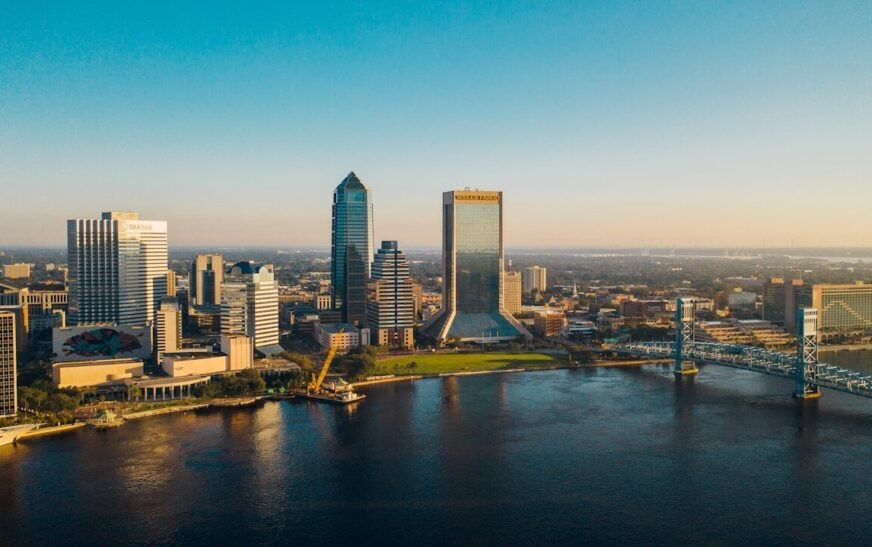
Florida stays on people’s relocation lists for a reason. It has beaches, warm winters, theme parks, major airports, cruise ports, college towns, coastal communities, and big cities with very different personalities. Living in Florida can mean a high-rise apartment in Miami, a suburban rental near Tampa, a college-town apartment in Gainesville, or a quieter home base near the Gulf Coast.
The state is also very populous. The U.S. Census Bureau estimated Florida’s population at 23,462,518 as of July 1, 2025, making it one of the most populated states in the country. That growth supports jobs, housing demand, road construction, new apartments, and rising competition in popular metros.
For renters, the main question is not only whether Florida is a good place to live. The better question is which Florida city fits your budget, commute, lifestyle, and tolerance for weather.
Is Florida a good place to live in 2026?
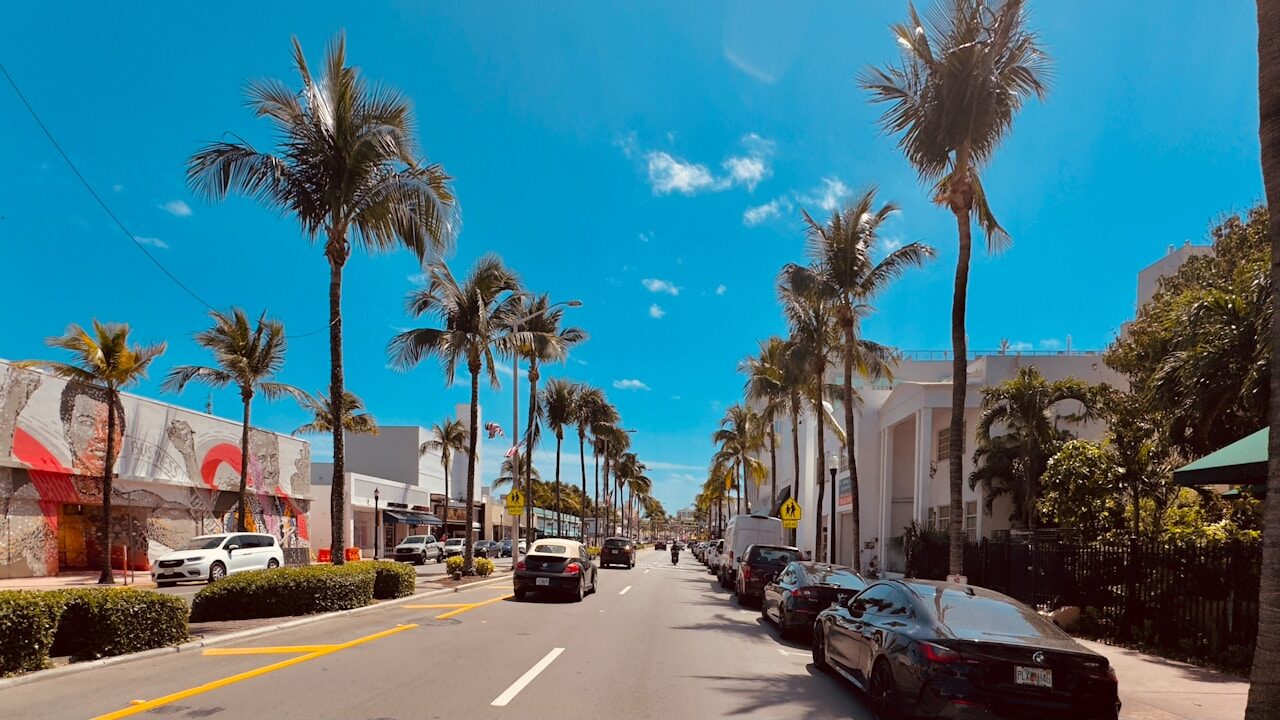
Florida can be a good place to live if you want warm weather, no snowy winters, beach access, outdoor recreation, and a wide choice of cities. It is especially attractive for retirees, remote workers, students, hospitality workers, health care employees, and renters who want a more active outdoor lifestyle.
The state is not the same everywhere. South Florida has dense coastal cities, nightlife, Latin American and Caribbean culture, international restaurants, and higher rents. Central Florida has theme parks, tourism jobs, lakes, suburbs, and growing metro areas around Orlando and Tampa. North Florida and the Panhandle tend to feel more Southern, with college towns, military communities, lower rents, and a slower pace.
The trade-offs are real. Summers are hot and humid. Hurricane season requires planning. Insurance, flood risk, traffic, and high rents in coastal areas can make life more expensive than newcomers expect.
Is Florida expensive to live in?

Florida is not the cheapest state, but it is not uniformly expensive either. RentCafe’s 2026 cost-of-living calculator says Florida is 3% lower than the national average overall, with housing about the same as the U.S. average, utilities 2% lower, groceries 5% higher, and clothing 11% lower.
Rent varies sharply by city. Apartments.com reported that Florida’s average rent was $1,692 per month in July 2026. Studio apartments averaged $1,578, one-bedroom apartments averaged $1,692, two-bedroom apartments averaged $2,024, and three-bedroom rentals were around $2,470 or more.
RentCafe’s statewide apartment data shows a higher average of $1,977 as of June 2026, with one-bedroom apartments at $1,716 and two-bedroom apartments at $2,052. The gap between sources reflects different property samples and rent-tracking methods, but both confirm the same point: Florida rent depends heavily on location and property type.
Cheapest places to live in Florida for renters
Florida’s cheapest rental markets are usually away from the most famous South Florida beach corridors. In the data provided, Lehigh Acres had the lowest average rent at $744 per month, followed by Tallahassee at $1,183, Gainesville at $1,265, Jacksonville at $1,299, and Lakeland at $1,339.
Jacksonville is especially notable because it is a major city with lower rents than many Florida metros. RentCafe’s 2026 Jacksonville data says the city’s cost of living is 10% lower than the national average and 7% lower than the Florida average, with housing 20% cheaper than the U.S. average.
Gainesville can also be attractive for renters who want a college-town setting. The University of Florida shapes the city’s economy, rental calendar, sports culture, and local energy. Tallahassee offers a different college-and-government mix because it is the state capital and home to Florida State University.
Most expensive places to live in Florida
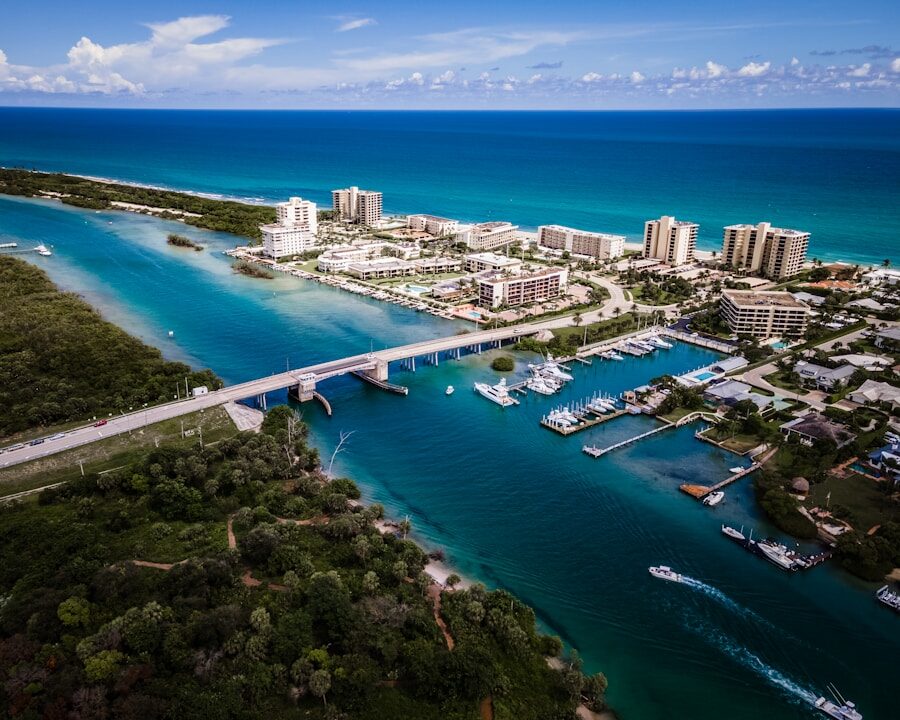
Florida’s priciest rental markets are concentrated in South Florida. The supplied data lists Fort Lauderdale at $2,292 per month, Miami at $2,215, Miramar at $2,182, West Palm Beach at $2,141, Davie at $2,089, Pembroke Pines at $2,050, and Coral Springs at $2,023.
Miami remains one of the most expensive rental markets in Florida. RentCafe lists the average rent for an apartment in Miami at $2,770, with one-bedroom apartments averaging $2,452 and two-bedroom apartments averaging $3,006.
Fort Lauderdale, West Palm Beach, Pompano Beach, Hialeah, Miramar, and Pembroke Pines attract renters who want access to beaches, airports, jobs, shopping, restaurants, and major highways. The cost is higher because demand is strong and coastal land is limited.
Best Florida cities for beaches, nightlife, and city living
Miami is best for renters who want nightlife, international culture, coastal neighborhoods, restaurants, music, art districts, and dense city energy. Neighborhoods such as Brickell, Downtown Miami, Wynwood, Little Havana, Coconut Grove, and Edgewater each offer a different rental experience.
Fort Lauderdale is a strong choice for renters who want beaches, canals, marinas, and a slightly smaller-city feel than Miami. Las Olas Boulevard, Flagler Village, and the New River area offer apartments close to dining, shopping, and nightlife.
West Palm Beach offers a more polished coastal lifestyle, with rentals near The Square, Clematis Street, downtown, the waterfront, and nearby beach towns. It is expensive, but it appeals to renters who want coastal access without the full pace of Miami.
Best Florida cities for theme parks, jobs, and central access
Orlando is much more than Disney and Universal. It has downtown neighborhoods, Lake Eola, Winter Park, International Drive, major health care employers, universities, and one of the busiest tourism economies in the U.S. It works well for renters who want entertainment, airport access, and a Central Florida location.
Tampa is one of Florida’s most balanced metros. It offers waterfront districts, sports teams, jobs, restaurants, Ybor City, Hyde Park, Seminole Heights, and access to Gulf Coast beaches without living directly on the sand. Tampa can appeal to young professionals, families, and remote workers.
St. Petersburg is another strong Gulf Coast option. It has a walkable downtown, museums, murals, waterfront parks, restaurants, and access to St. Pete Beach and Treasure Island. It is not the cheapest city, but it offers a lifestyle many renters find worth the premium.
Best Florida cities for lower rent and more space
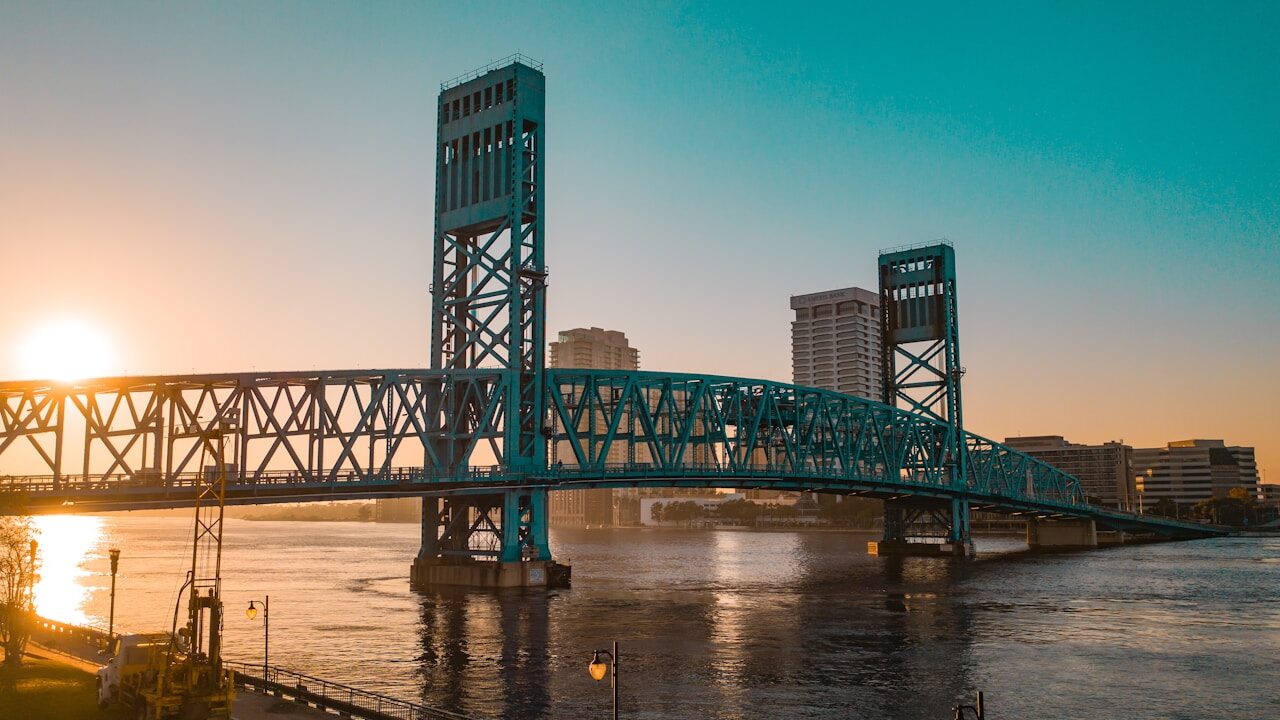
Jacksonville is one of Florida’s best large-city options for renters who want more space and lower rent. RentCafe lists Jacksonville’s average apartment rent at $1,504, with one-bedroom apartments averaging $1,324 and two-bedroom apartments averaging $1,572.
The city covers a large area, so the rental experience changes by neighborhood. Riverside, San Marco, Downtown, Southside, the Beaches, and St. Johns River areas all feel different. Jacksonville is a good fit for renters who want a major metro but do not want Miami or Fort Lauderdale prices.
Fort Myers, Cape Coral, Lakeland, Palm Bay, and Spring Hill can also appeal to renters who want lower rents, Gulf Coast access, suburban space, or a slower pace. Availability and insurance concerns should still be checked carefully, especially in coastal or flood-prone areas.
Florida weather is a major lifestyle factor
Florida’s weather is one of its biggest selling points and biggest challenges. Winters are generally mild, especially in Central and South Florida. Outdoor dining, beaches, parks, golf, and patios stay usable while much of the country is dealing with snow.
Summers are a different story. Heat, humidity, heavy rain, and afternoon thunderstorms shape daily life. The National Weather Service says the rainy season runs from May 15 to October 15 for Southwest Florida and from May 25 to October 10 for the rest of West Central Florida.
Hurricane season should be taken seriously, even for renters. Before signing a lease, ask about flood zones, evacuation routes, storm shutters, parking during severe weather, renters’ insurance, power outages, and how the property handles storm preparation.
Pros and cons of living in Florida
The biggest pros are warm winters, no snow, beaches, outdoor recreation, many city types, major airports, theme parks, college towns, and a wide variety of lifestyles. Florida can fit retirees, students, families, remote workers, and renters who want year-round outdoor options.
The biggest cons are summer heat, humidity, hurricane risk, insurance concerns, traffic, and high rent in coastal South Florida. Some renters also find that tourism-heavy areas feel crowded during peak travel seasons.
Florida works best when renters choose the city carefully. Someone who loves Miami nightlife may hate a quiet inland suburb. Someone who wants lower rent may prefer Jacksonville, Gainesville, Tallahassee, Lakeland, or Lehigh Acres. The Sunshine State has options, but the right fit depends on budget first.
TLDR
- Florida can be a good place to live in 2026 for renters who want warm weather, beaches, city variety, and no snowy winters.
- Florida’s population reached an estimated 23,462,518 in 2025, showing continued demand.
- Apartments.com listed Florida’s average rent at $1,692 in July 2026.
- RentCafe says Florida’s overall cost of living is 3% lower than the national average, but groceries are about 5% higher.
- The cheapest rental markets in the supplied data include Lehigh Acres, Tallahassee, Gainesville, Jacksonville, and Lakeland.
- The most expensive rental markets are concentrated in South Florida, including Fort Lauderdale, Miami, Miramar, and West Palm Beach.
- Jacksonville stands out as a lower-rent large city, with a cost of living 10% below the national average.
- Miami, Fort Lauderdale, and West Palm Beach fit renters who want beaches and nightlife, while Orlando and Tampa fit renters seeking Central Florida jobs and entertainment.
- Hurricane season, summer heat, flood risk, and insurance planning are essential before renting in Florida.