

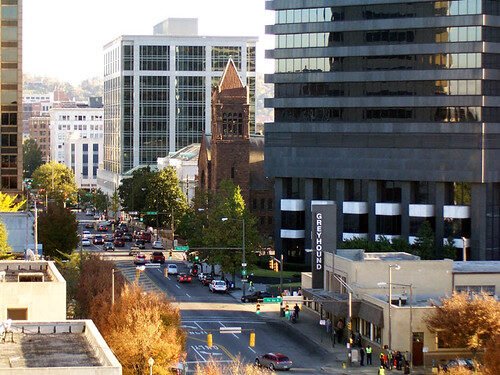
Alabama is attracting families, retirees, remote workers, and homebuyers who want a lower cost of living without leaving the South. The state offers college football culture, Gulf Coast access, historic cities, outdoor recreation, and housing prices that remain far below those of many U.S. markets.
The affordability story is one of Alabama’s biggest selling points. World Population Review’s 2026 cost-of-living index lists Alabama at 87.9, meaning the state is about 12% below the national average and among the cheapest states in the country. Housing is one of the main reasons Alabama ranks so well.
The state is also still growing. U.S. Census Bureau QuickFacts estimates Alabama’s population at 5,193,088 as of July 1, 2025, up from 5,157,699 in 2024. That growth suggests more people are seeing Alabama as a practical place to live, work, buy a home, or retire.
What is the cost of living in Alabama?
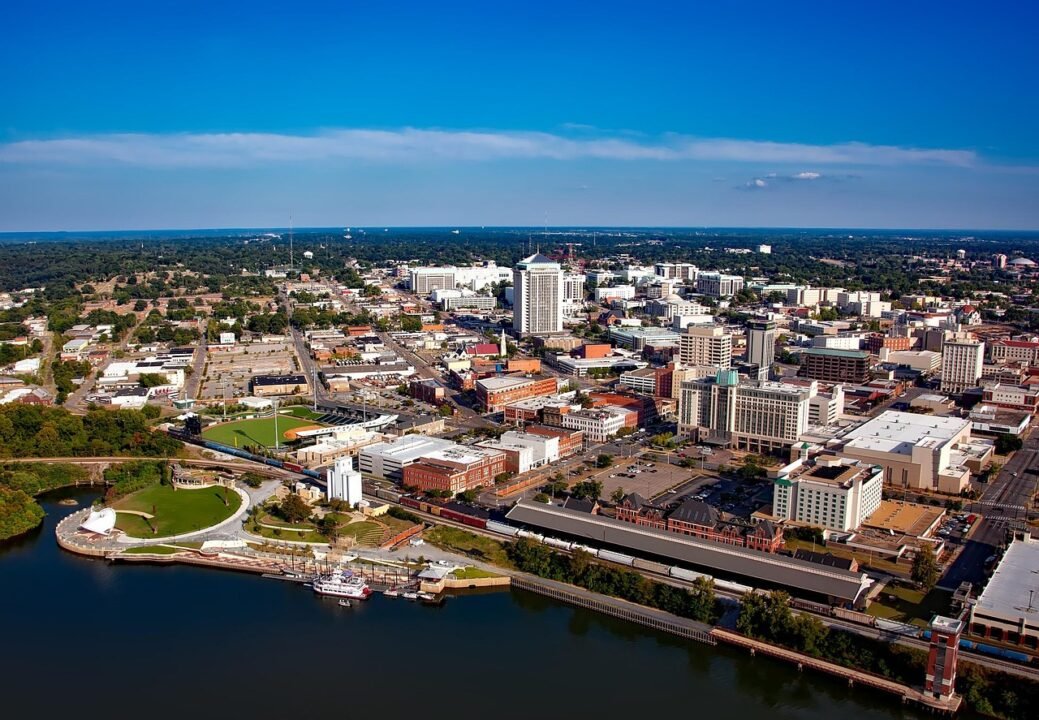
The cost of living in Alabama is the total amount a household needs to cover basic expenses, including housing, utilities, groceries, transportation, health care, taxes, child care, and everyday goods. Compared with states like California, New York, Florida, and even parts of Georgia, Alabama is much easier on the monthly budget.
The biggest advantage is housing. In many Alabama cities, home prices and rents remain far more affordable than the national average. That gives buyers and renters more flexibility, especially in smaller cities such as Anniston, Gadsden, Florence, Dothan, Decatur, and Selma.
Still, Alabama is not “cheap” in every category. Transportation can be a meaningful expense because much of the state is car-dependent. Utilities can also rise during hot summers, when air conditioning becomes a necessity rather than a luxury.
Housing is Alabama’s biggest affordability win
Housing is the clearest reason Alabama appeals to cost-conscious Americans. Many residents can rent or buy for far less than they would pay in fast-growing Sun Belt metros or coastal states.
The supplied cost data lists Alabama rents ranging from about $802 per month for a studio to $1,351 per month for a four-bedroom unit. Median gross rent is $982, while median monthly mortgage cost is $1,386. Those numbers give Alabama a strong edge for families trying to keep housing below 30% of income.
City choice matters. Huntsville, Auburn, Daphne, and parts of Birmingham can be more expensive because of job growth, universities, defense, aerospace, and coastal appeal. Smaller markets such as Anniston, Gadsden, Ozark, Selma, Troy, and Dothan may offer lower entry points for buyers and renters.
Utilities, groceries, and transportation shape the real budget

Alabama’s utility costs can be higher than some newcomers expect. The supplied data estimates average utility bills at about $398 per month, including electricity, natural gas, cable and internet, and water. Hot summers are a major factor because air conditioning can increase electricity use.
Groceries are generally manageable. The source material lists average grocery and non-restaurant food spending at $319 per person per month, or about $3,833 per year. Food costs can vary by city, with larger markets such as Birmingham, Huntsville, Mobile, and Montgomery often priced differently from smaller communities.
Transportation is where families need to be careful. Alabama has limited public transit outside a few urban areas, so most households rely on cars. MIT’s Living Wage Calculator notes that its living wage estimates are based on full-time work and include household needs such as transportation, food, housing, medical care, taxes, and other basics.
Health care and child care can change the math
Health care is another key part of Alabama’s cost of living. The supplied data lists average annual per-person health care costs at $7,505. That figure can change sharply depending on age, employer coverage, location, prescriptions, and family medical needs.
Alabama has strong medical hubs, especially around Birmingham, with UAB and other major providers. Rural residents, however, may face longer drives for specialized care. That means health care affordability is not only about premiums or doctor visits. Access can also affect time, transportation, and emergency planning.
Child care is one of the biggest budget pressures for young families. The supplied data estimates Alabama child care costs at $714 to $1,031 per child per month, depending on whether care is for a preschooler, toddler, infant, or in a home-based setting. Even in a low-cost state, child care can feel like a second rent payment.
Alabama taxes are mixed but attractive for many retirees

Alabama’s tax picture is not perfect, but it has several advantages. The Tax Foundation says Alabama has a graduated individual income tax with rates ranging from 2% to 5%, a 4% state sales tax, and local sales taxes that can raise the total depending on location.
Sales tax is one area to watch. The Tax Foundation’s 2026 sales tax report lists Alabama’s average combined state and local sales tax rate at 9.46%, one of the highest combined rates in the country.
Property taxes are the major offset. Alabama has some of the lowest property tax burdens in the U.S., which helps homeowners and retirees. Social Security benefits are also not taxed by Alabama, making the state especially attractive for people living on fixed retirement income.
How much money do you need to live comfortably in Alabama?
A comfortable salary in Alabama depends on household size, city, debt, housing choice, and lifestyle. A single adult in a lower-cost city may live comfortably on far less than a family with children in Huntsville, Auburn, Birmingham, or the Gulf Coast.
The source material says that a single adult with no children needs about $20.50 per hour, or $42,640 per year, to meet a living-wage standard in Alabama. For families, the number rises quickly once child care, health insurance, food, and transportation are included.
A single person may be comfortable with around $40,000 to $50,000 in many Alabama communities if housing is controlled. A family of four may need at least $65,000 or more, and in higher-cost cities, the realistic comfort number can be higher.
Which Alabama cities have the lowest cost of living?

Anniston, Florence, and Decatur often stand out as lower-cost cities in Alabama. These communities offer cheaper housing than the state’s fastest-growing job markets while still giving residents access to outdoor recreation, local culture, and regional employment.
Florence sits along the Tennessee River and benefits from the University of North Alabama and the nearby city of Muscle Shoals. Decatur offers river access, a lower cost profile, and proximity to Huntsville. Anniston, near the Talladega National Forest, has some of the lowest housing costs among Alabama’s major communities.
For job growth, Huntsville is one of the strongest choices due to its aerospace, defense, engineering, and tech sectors. Birmingham offers health care, finance, education, and corporate jobs. Mobile adds maritime, manufacturing, port-related work, and Gulf Coast access.
Alabama is affordable, but not without trade-offs
Alabama’s low cost of living does not mean every household will automatically feel financially secure. Wages are often lower than in higher-cost states, and the job market can vary widely by region. Some rural areas have fewer career options, less public transit, and limited access to specialized services.
Education quality can also vary by district, which matters for families choosing where to buy or rent. Highly rated school areas may come with higher home prices, especially near Huntsville, Madison, Auburn, and parts of suburban Birmingham.
The best strategy is to compare income and expenses together. A lower rent payment only helps if the local job market supports your career, commute, school needs, health care access, and long-term goals.
TLDR
- Alabama is one of the most affordable states in the U.S., with a 2026 cost-of-living index of 87.9.
- The state’s biggest affordability advantage is housing, with many rents and home prices well below the national average.
- Alabama’s population reached an estimated 5,193,088 in 2025, showing continued growth.
- Utilities and transportation can still add pressure, especially during hot summers and in car-dependent areas.
- Child care can cost hundreds of dollars or more than $1,000 per child per month, depending on the type of care.
- Alabama has a 2% to 5% state income tax and high combined sales taxes, but property taxes are relatively low.
- Anniston, Florence, Decatur, Dothan, Gadsden, and Selma are among the more affordable city options.
- Huntsville, Birmingham, Mobile, Montgomery, and Auburn may cost more but offer stronger job and lifestyle opportunities.
- Alabama can be a smart move for families, retirees, and remote workers, but the right city matters as much as the state average.