
President Donald Trump’s effort to reshape federal homelessness policy has entered a new legal fight after a federal judge blocked one of the administration’s biggest funding changes.
Trump signed the executive order “Ending Crime and Disorder on America’s Streets” on July 24, 2025. It called for stronger enforcement against public camping and drug use while encouraging treatment, civil commitment in some cases, and greater emphasis on self-sufficiency.
HUD later incorporated many of those priorities into its fiscal year 2026 homelessness grant competition. But on August 7, 2026, a federal court ruled that HUD violated the Administrative Procedure Act and vacated the funding notice, temporarily disrupting implementation of the new approach.
Trump shifted federal homelessness priorities
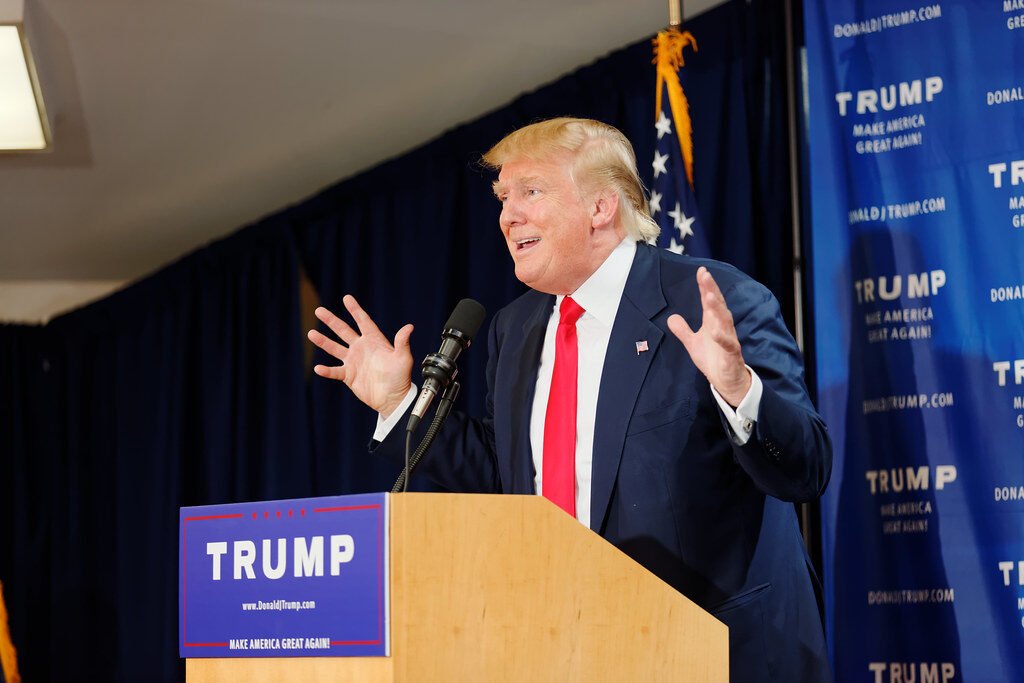
Trump’s executive order directed federal agencies to reconsider how homelessness grants are awarded.
It called for giving priority, where legally permitted, to jurisdictions that enforce restrictions on public camping, open drug use, loitering, and squatting. The order also encouraged treatment programs for people with serious mental illness or substance use disorders.
The administration argues that homelessness policy should place greater emphasis on public safety, treatment, recovery, and measurable results.
Critics worry that stronger enforcement could push vulnerable people out of public spaces without creating enough affordable housing or treatment capacity.
Federal funding became the main battleground
HUD’s Continuum of Care program distributes billions of dollars to communities for housing and services for people experiencing homelessness.
Its fiscal year 2026 competition offered more than $4 billion and sought to redirect some funding toward transitional housing, treatment, supportive services, accountability, and self-sufficiency.
Because local governments and nonprofits depend on federal grants, changes to scoring rules can significantly influence which homelessness programs expand and which struggle to maintain funding.
That made HUD’s funding notice one of the most important practical steps resulting from Trump’s executive order.
A judge stopped the new funding rules
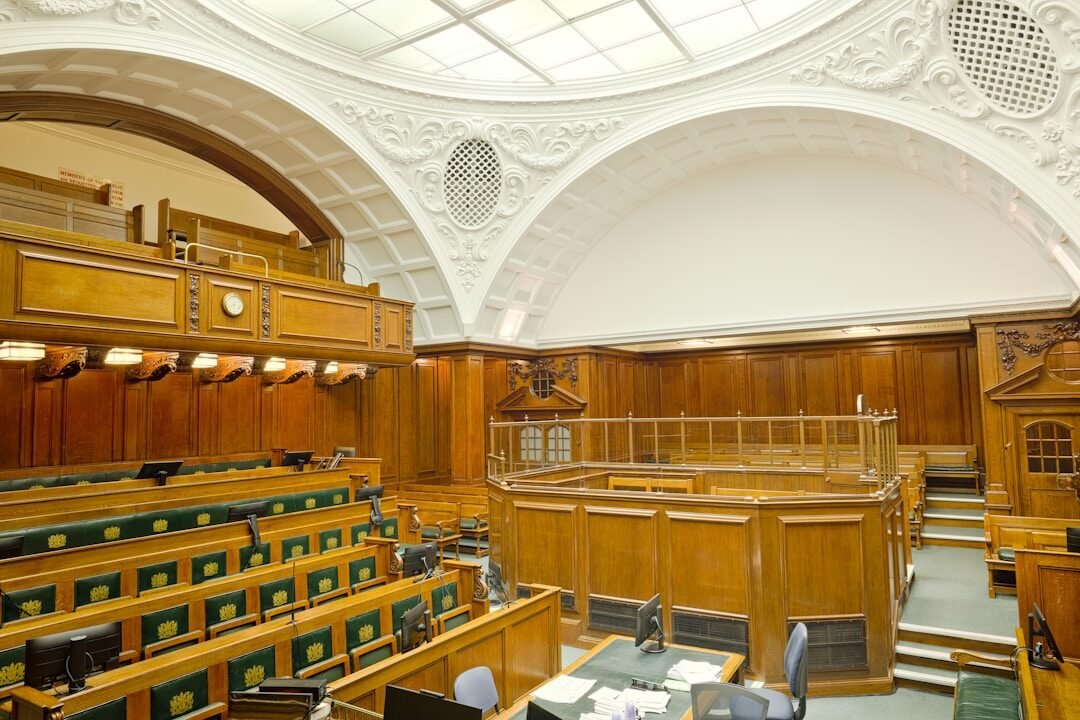
On August 7, the U.S. District Court for the District of Rhode Island ruled in 2 related lawsuits that HUD had violated federal administrative law when issuing its 2026 funding notice.
The Court vacated the notice rather than simply delaying one portion of it. HUD subsequently said the notice and its August 26 application deadline were no longer in effect and that applications could not currently be accepted.
HUD said it believes the funding rules were lawful and is considering its options, including an appeal to the 1st U.S. Circuit Court of Appeals.
For local homelessness providers, that creates uncertainty over how and when more than $4 billion in federal funding will eventually be distributed.
Homelessness remains historically high
HUD counted 745,652 people experiencing homelessness on a single night in January 2025.
That represented a decline of about 3% from the record 771,480 people counted in 2024. Even with the improvement, homelessness remained substantially above levels recorded earlier in the previous decade.
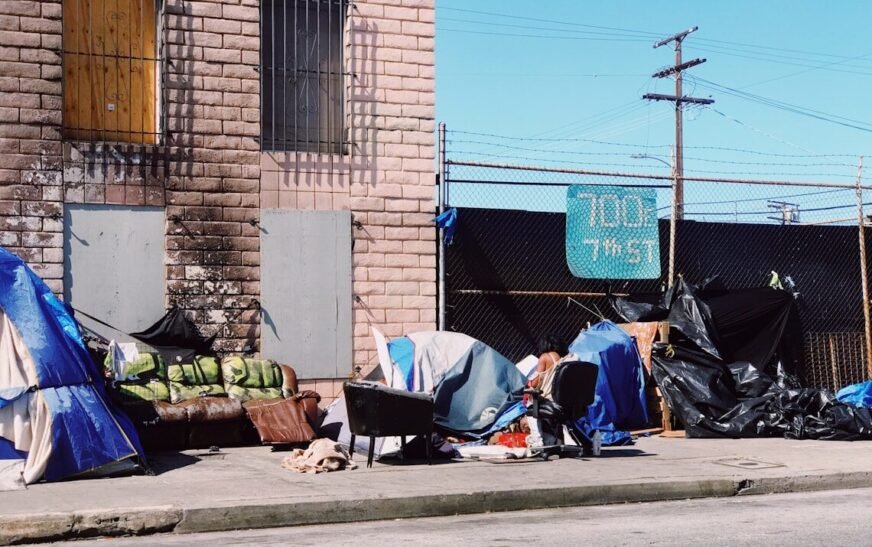
The total includes both sheltered homelessness and people sleeping in places such as streets, vehicles, parks, and encampments.
The figures help explain why federal homelessness policy remains politically difficult. Communities are simultaneously dealing with housing shortages, public encampments, behavioral health needs, addiction, and pressure on shelters.
Housing costs remain part of the problem

Homelessness cannot be explained by one cause, and housing affordability remains an important part of the national picture.
Census Bureau data showed that 21 million renter households spent more than 30% of their income on housing in 2023. That represented 49.7% of renter households for which housing-cost burdens could be calculated.
Households that spend such a large share of their income on rent have less room to absorb a job loss, medical bills, reduced work hours, or other financial emergencies.
Treatment and public safety policies, therefore, operate alongside a broader housing market in which many lower-income renters already have limited financial flexibility.
Housing First faces a policy challenge
Trump’s order specifically directs HUD and other agencies to move away from federal support for Housing First policies that the administration believes do not place enough emphasis on treatment and self-sufficiency.
Housing First provides permanent housing without requiring sobriety, employment, or completion of treatment beforehand. Supportive services can still be offered, but participation is generally voluntary rather than a condition of receiving housing.
Supporters argue that stable housing makes it easier for people to address health, addiction, employment, and other problems.
The Trump administration favors a stronger connection between federal assistance, treatment, behavioral expectations, and recovery. The court ruling means HUD will need to reconsider how it translates that policy preference into legally valid grant requirements.
Camping enforcement has more legal room
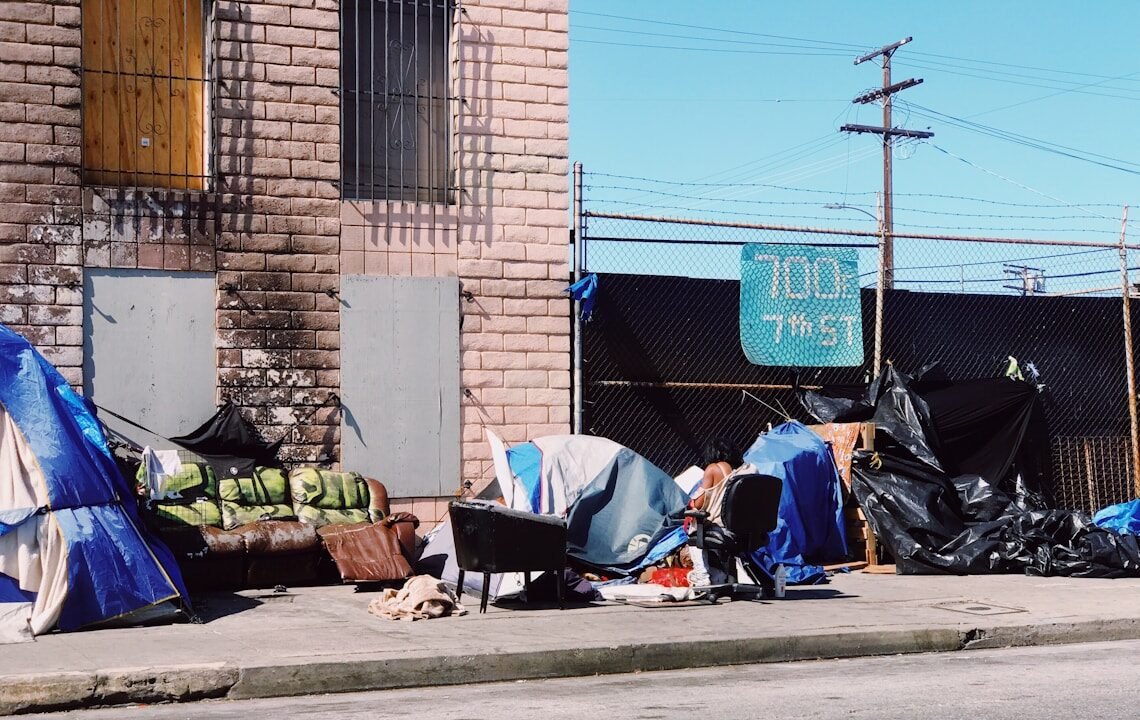
Trump’s order also encourages enforcement of public camping restrictions where permitted by law.
The Supreme Court gave cities greater flexibility in 2024 through City of Grants Pass v. Johnson. The Court ruled that generally applicable laws regulating camping on public property do not automatically violate the Eighth Amendment’s prohibition against cruel and unusual punishment.
That ruling allows communities more room to enforce camping restrictions, but it does not require them to do so.
Cities must still decide how enforcement works alongside shelter availability, affordable housing, treatment services, local budgets, and other legal protections.
TL;DR
- Trump signed “Ending Crime and Disorder on America’s Streets” on July 24, 2025.
- The order emphasizes public safety, treatment, enforcement, and self-sufficiency.
- HUD incorporated similar priorities into its fiscal year 2026 homelessness funding competition.
- A federal judge vacated that funding notice on August 7, 2026.
- HUD says the notice and August 26 application deadline are no longer in force while it considers its legal options.
- HUD counted 745,652 people experiencing homelessness in January 2025, about 3% fewer than the record 2024 total.
- The policy fight now centers on how housing, treatment, public camping enforcement, and federal funding should work together.