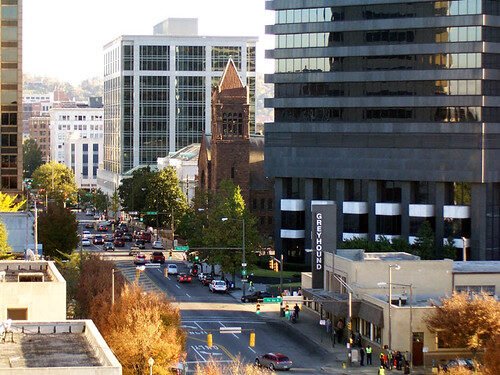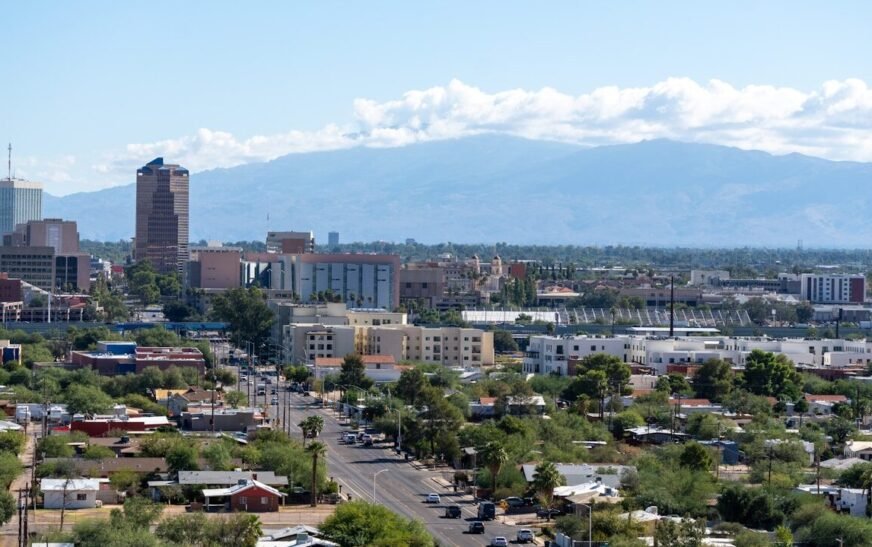

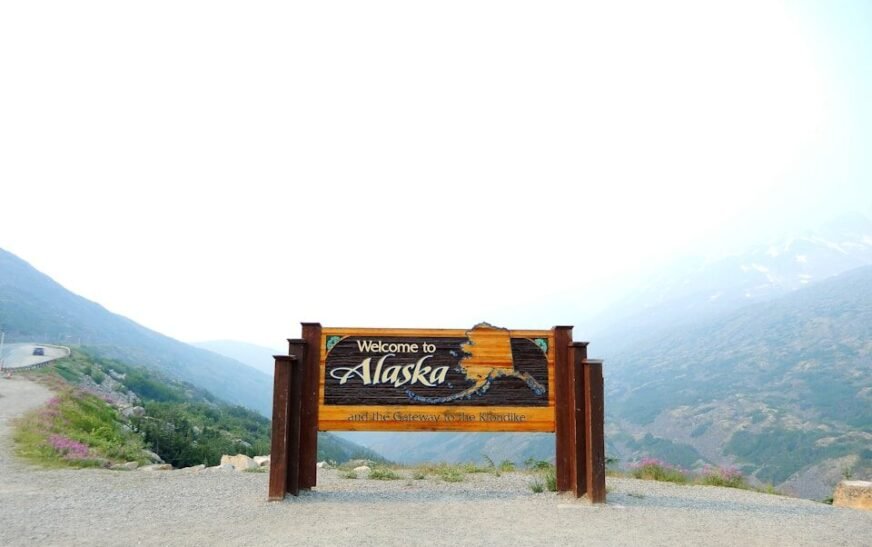
Alaska is not a normal relocation choice. It is the largest state in the country, surrounded by mountains, glaciers, forests, oceans, and vast stretches of wilderness. It has world-class fishing, the Northern Lights, major wildlife, no state income tax, and a yearly Permanent Fund Dividend for eligible residents. For people who love independence and outdoor living, Alaska can feel like the last great American frontier.
But the same things that make Alaska special also make it difficult. It is remote, expensive, cold, dark in winter, and logistically challenging. Groceries, utilities, shipping, health care, and transportation often cost more because so many goods must travel long distances.
So, is Alaska a good place to live in 2026? The honest answer is yes for the right person, but not for everyone. Alaska rewards people who value nature, space, self-reliance, and a slower pace of life. It can frustrate people who need cheap everyday costs, easy travel, mild weather, and big-city convenience.
Quick facts about living in Alaska
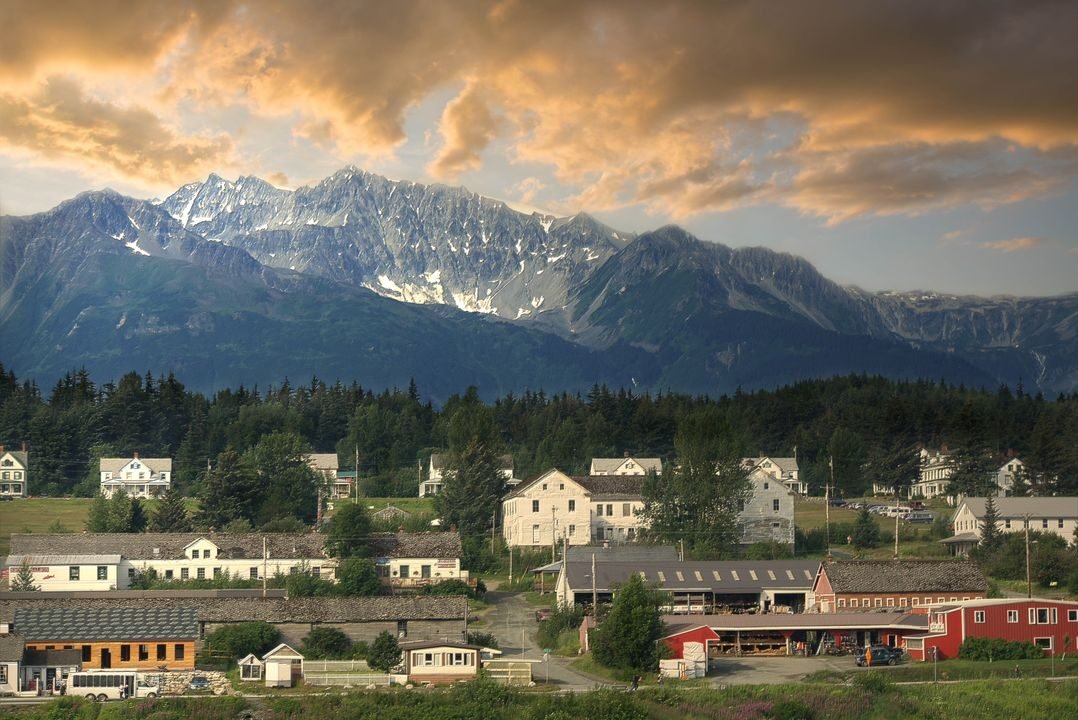
Alaska had an estimated population of 737,270 on July 1, 2025, according to the U.S. Census Bureau. That makes it one of the least populated states despite its massive land area. The state covers 665,384 square miles, which is more than twice the size of Texas.
That low population density shapes daily life. Some residents live in Anchorage, Fairbanks, Juneau, Wasilla, Palmer, or other connected communities. Others live in towns and villages where planes, ferries, boats, and snowmachines are part of ordinary transportation.
The best-known places to live in Alaska include Anchorage for jobs and amenities, Fairbanks for interior living and the university, Juneau for government work and coastal scenery, and Palmer or Wasilla for families who want access to Anchorage with more space.
The biggest pros of living in Alaska
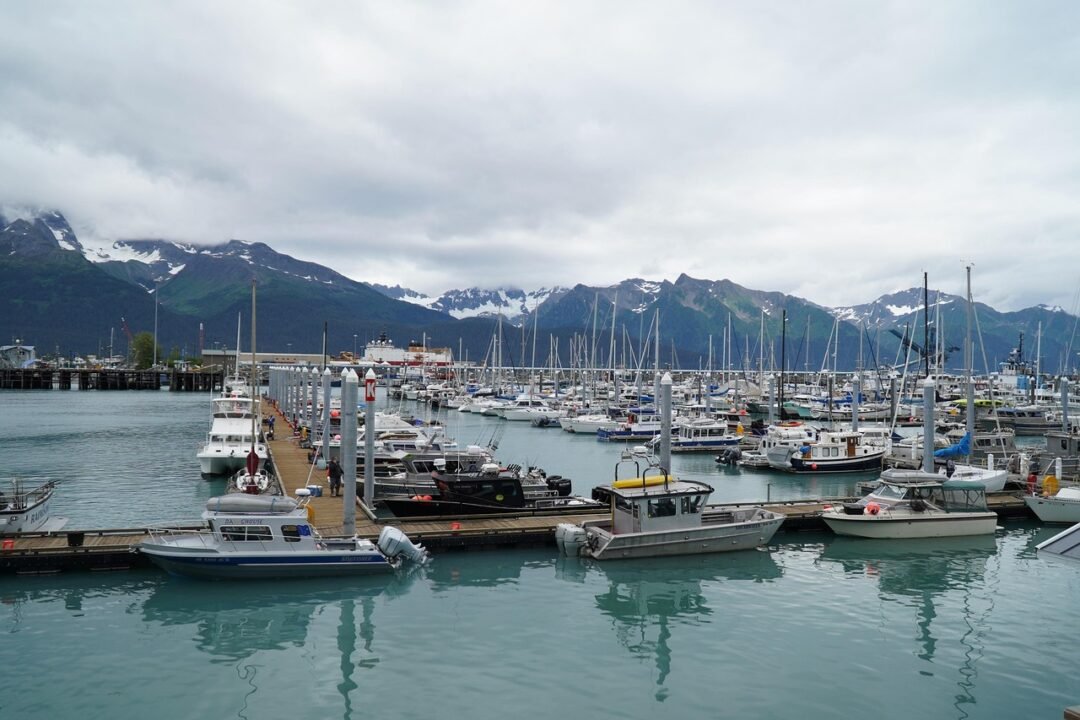
Alaska’s strongest advantage is natural beauty. Residents can hike near glaciers, fish for salmon, see moose and bears, watch whales, camp in remote areas, and experience summer days that seem almost endless. For people who love outdoor recreation, Alaska is hard to beat.
The state also offers major tax advantages. Alaska has no state income tax or statewide sales tax, though some local governments do charge local sales taxes. That can help offset part of the higher cost of living, especially for workers with strong salaries or retirees managing fixed income.
The Permanent Fund Dividend is another unique benefit. Alaska’s official PFD office says the 2025 dividend amount was $1,000, with additional payment waves scheduled in 2026 for eligible, unpaid applications. For a family, even a modest dividend can help with heating bills, savings, travel, or winter supplies.
The biggest cons of living in Alaska
The biggest drawback is cost. RentCafe’s 2026 calculator says Alaska’s cost of living is 25% higher than the national average, with housing 20% higher and utilities 57% higher. Its broader breakdown also shows groceries about 24% higher than the national average.
The weather is another serious adjustment. Winters can be long, dark, and mentally draining, especially in interior and northern regions. Anchorage and coastal cities are milder than Fairbanks or Arctic communities, but even southern Alaska requires preparation for snow, ice, cold, and limited daylight.
Isolation also matters. Many areas are not connected by roads, and even communities that are connected can feel far from the rest of the country. Shipping can be slower and more expensive, medical specialists may be far away, and travel out of state often requires expensive flights.
Cost of living in Alaska in 2026

A single person in a major Alaska city may need roughly $2,200 to $3,500 per month for rent, utilities, groceries, transportation, phone, internet, and basic expenses. Families usually need much more, especially if they need a larger home, child care, health insurance, or multiple vehicles.
MIT’s Living Wage Calculator says its Alaska figures represent the hourly rate a full-time worker must earn to support themselves or a household’s basic needs. That includes expenses such as food, housing, transportation, medical care, child care, taxes, and other necessities.
The most expensive categories are usually housing, utilities, groceries, and transportation. Heating can become a major winter bill, especially in colder areas. Groceries can cost 10% to 30% more than in many lower-48 states, and remote villages can see even higher prices because food must be flown or shipped in.
Housing and rent in Alaska
Housing depends heavily on location. Anchorage has the largest job market and the widest range of housing, but prices are not cheap. Zillow listed the average Anchorage home value at $419,400 as of May 31, 2026, up 4.3% over the past year.
Juneau is even more expensive in some ways because land is limited by mountains, water, and protected areas. Zillow listed the average Juneau home value at $480,801 as of May 31, 2026. Fairbanks North Star Borough was lower, with an average home value of $312,161.
Renters can often expect one-bedroom apartments in larger cities to range from about $1,100 to $1,600, while two-bedroom units may run from about $1,500 to $2,200. Smaller towns can be cheaper, but availability may be limited, and utility costs can erase some of the savings.
Best places to live in Alaska
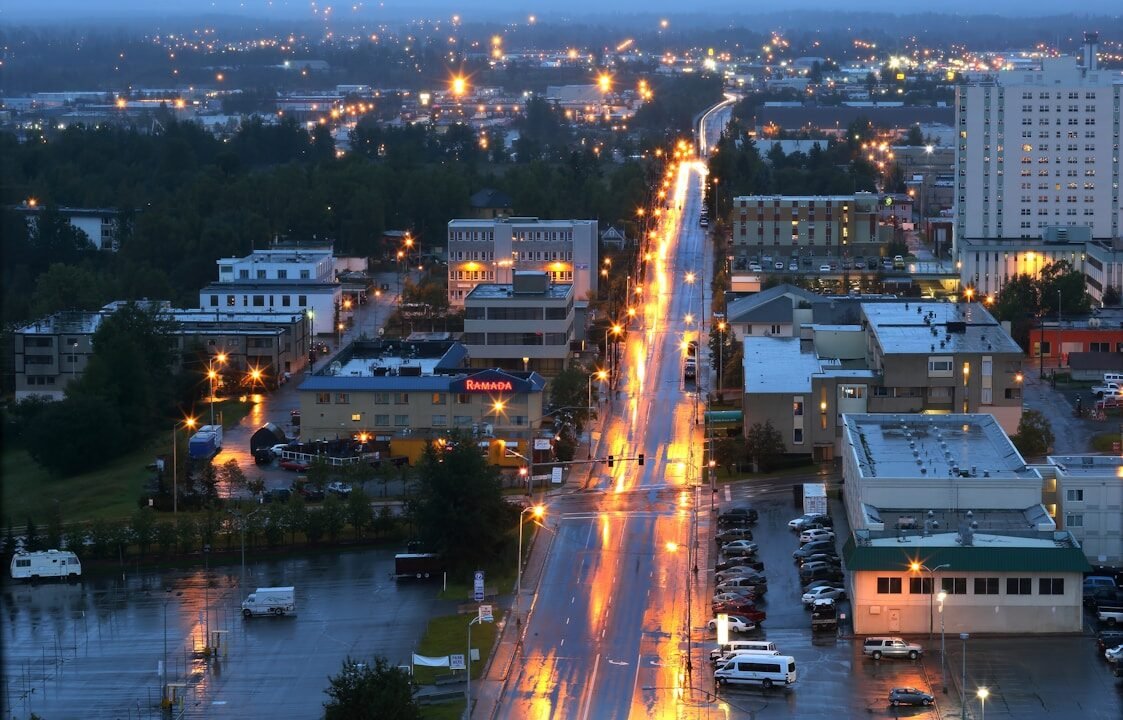
Anchorage is the best fit for many newcomers because it offers the most jobs, shopping, restaurants, hospitals, schools, and air connections. It still provides quick access to trails, mountains, wildlife, and Chugach State Park.
Fairbanks is better suited to people who can handle extreme seasons. It has the University of Alaska Fairbanks, military and pipeline-related jobs, and some of the best Northern Lights viewing. Winters are much colder than in Anchorage, but many residents love the strong local identity.
Juneau is ideal for people who want government jobs, coastal beauty, fishing, and a smaller capital-city lifestyle. Palmer and Wasilla are popular with families who want more space near Anchorage. Homer, Sitka, Kodiak, Kenai, and Ketchikan appeal to people who want coastal living, fishing, arts, tourism, or tighter communities.
Safety and crime in Alaska
Safety is one of the biggest concerns for people researching whether Alaska is a good place to live. Alaska’s crime rates remain higher than the national average, especially for violent crime. USAFacts, using FBI data, reported Alaska’s 2024 violent crime rate at 724 per 100,000 people and its property crime rate at 1,711 per 100,000 people.
Crime varies sharply by community. Anchorage, Fairbanks, Wasilla, and some rural areas may raise more concerns, while smaller towns can feel safer but more isolated. Anyone moving to Alaska should research specific neighborhoods, not just statewide crime numbers.
Basic precautions matter. Keep emergency supplies, learn winter driving, understand wildlife safety, secure your home, check the weather before travel, and avoid backcountry trips alone. In Alaska, safety means preparing for both people and nature.
Is Alaska worth moving to?
Alaska is worth moving to if your lifestyle matches the state. It is a strong fit for outdoor workers, remote workers with stable income, health care professionals, military families, government workers, fishermen, pilots, teachers, tradespeople, and retirees who want beauty and independence.
It is not ideal for people who need low grocery bills, short winters, low heating costs, easy road trips, dense public transit, or constant access to major retail chains. The lifestyle can be rewarding, but it requires patience and planning.
The smartest approach is to visit both in summer and winter before moving. A July trip can make Alaska feel magical. A January visit will tell you whether you can actually handle the darkness, cold, roads, and slower rhythm of daily life.
TLDR
- Alaska can be a great place to live in 2026 for people who love nature, space, outdoor recreation, and self-reliance.
- The state had an estimated population of 737,270 in 2025, spread across the largest land area in the U.S.
- Alaska has no state income tax and no statewide sales tax, though some local sales taxes may apply.
- The 2025 Permanent Fund Dividend was $1,000 for eligible residents, according to the state’s official PFD office.
- Alaska’s cost of living is about 25% higher than the national average, with utilities and groceries especially expensive.
- Anchorage, Fairbanks, Juneau, Palmer, Wasilla, Homer, Sitka, Kodiak, Kenai, and Ketchikan are among the most common places people consider.
- Housing costs vary widely, with average home values above $419,000 in Anchorage and about $480,000 in Juneau in 2026.
- Alaska has higher violent crime rates than the national average, so neighborhood research and safety planning are important.
- The state is best for people who can handle cold weather, isolation, higher costs, and a lifestyle built around nature.