
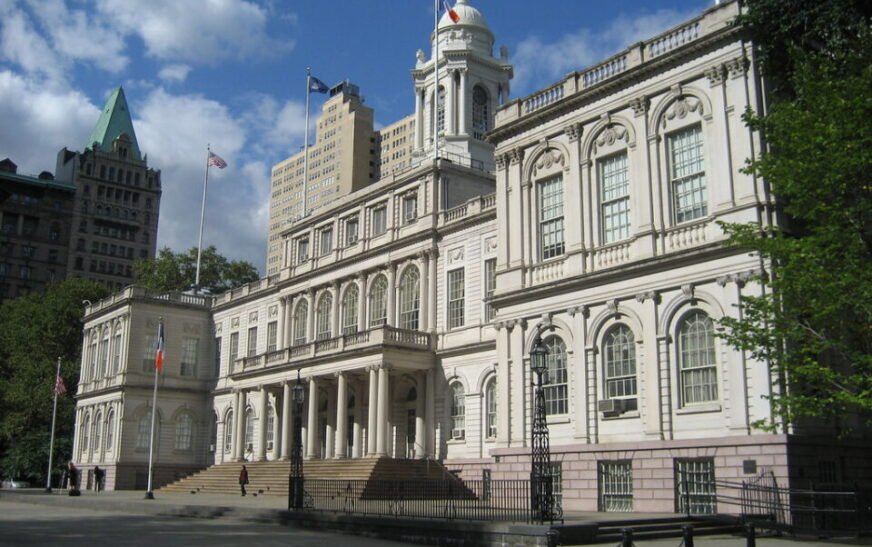
New York City homeowners avoided a broad property tax increase after Mayor Zohran Mamdani removed the proposal from his fiscal year 2027 budget plan.
Mamdani’s February preliminary budget assumed a 9.5% property tax rate increase that could have generated approximately $3.7 billion during the fiscal year beginning July 1, 2026. The administration presented it as a backup plan if New York State did not provide enough assistance to close the city’s budget gap.
By May, additional state support, improved revenue estimates, pension changes, agency savings, and a new tax targeting certain luxury second homes allowed City Hall to drop the broad increase. The final $125.8 billion budget was adopted on June 30 without it.
The original proposal was significant
The preliminary budget released on February 17 included a 9.5% increase in the city’s average property tax rate beginning in fiscal year 2027.
City officials estimated that it would raise about $3.7 billion in its first year. Mamdani said the administration did not want to impose the increase but needed to present a legally balanced budget while seeking additional funding.
A 9.5% rate increase would not necessarily have raised every homeowner’s final bill by exactly 9.5%. Property assessments, exemptions, tax classes, valuation limits, and other adjustments can change the amount each property owner pays.
Homeowners could have paid more
The proposal still could have produced noticeable increases for many homeowners.
A household currently paying $6,300 annually in property taxes might have faced an increase approaching $600 if its final bill rose by the full 9.5%. The actual amount would have depended on the property’s assessed value and tax treatment.
Higher taxes can also affect housing costs beyond owner-occupied homes. Landlords may attempt to recover rising expenses through rent increases when leases and regulations allow, though the effect differs between market-rate and rent-regulated buildings.
The City Council opposed the increase
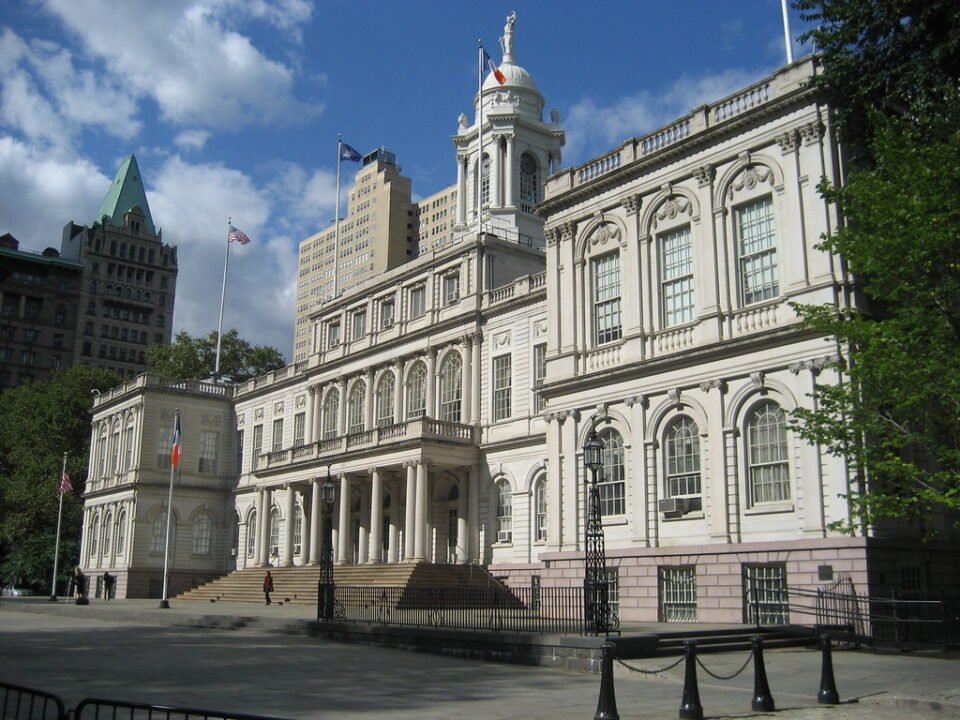
City Council leaders challenged the proposal before Mamdani released his executive budget.
In April, the Council identified about $6 billion in potential resources, including updated revenue estimates, savings, and alternative funding. Its response argued that the city could close much of its shortfall without applying a broad property tax increase to homeowners and businesses.
The Council’s opposition mattered because changes to the property tax rate required its participation. The debate centered on whether City Hall’s original revenue forecasts were too cautious and whether additional savings could be found without weakening public services.
Albany changed the budget math
Governor Kathy Hochul, Mamdani, and state lawmakers later announced an additional $4 billion in state funding and policy actions for New York City.
That brought newly secured state support to nearly $8 billion over two years. The package included additional aid, the reversal of some proposed cost shifts, and authorization for measures that could raise revenue or reduce city expenses.
The new support allowed Mamdani’s May 12 executive budget to remove the 9.5% property tax proposal. The executive plan totaled $124.7 billion before negotiations with the City Council produced a slightly larger final budget.
A luxury property surcharge replaced it
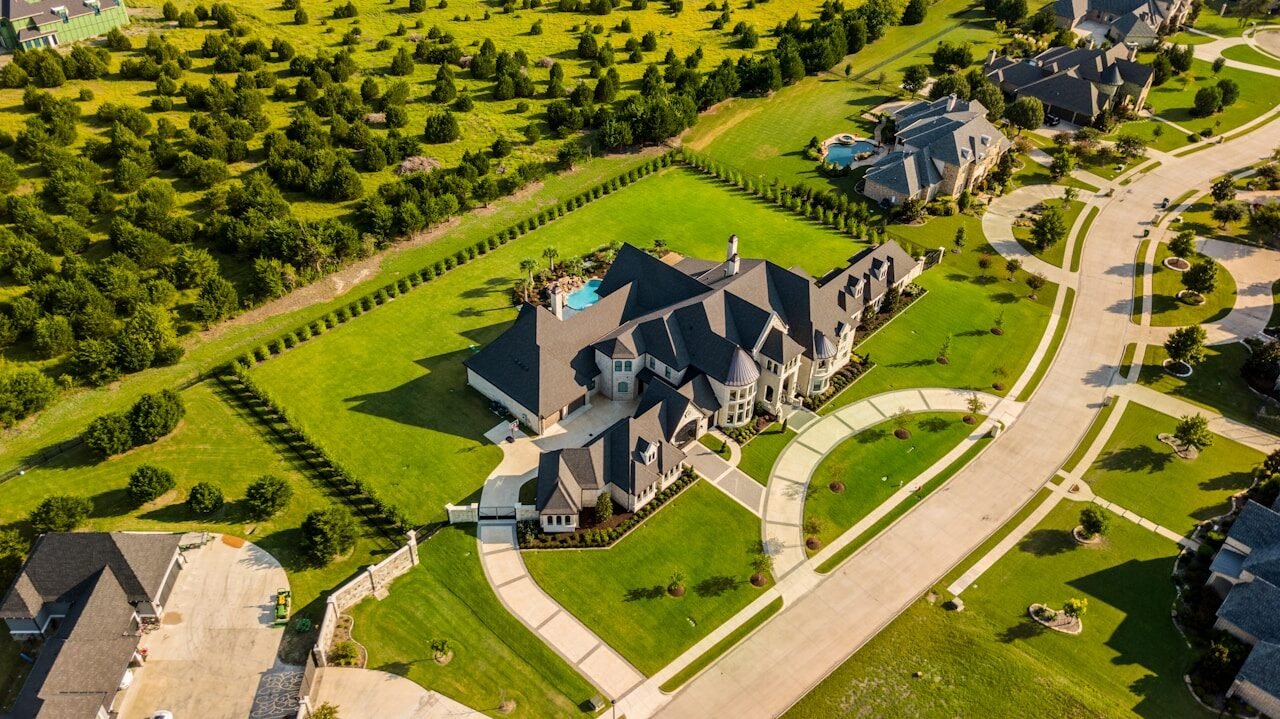
The city did not abandon property-related revenue entirely.
New York State authorized a pied-à-terre surcharge targeting certain nonprimary residences valued at $5 million or more when the owner maintains a primary home outside New York City. Officials estimated that the measure could generate about $500 million annually.
Unlike the original proposal, the surcharge does not apply broadly to ordinary homeowners. It focuses on high-value secondary residences that may remain vacant for part of the year.
The final revenue collected could differ from early estimates depending on exemptions, property ownership structures, assessments, and taxpayer behavior.
Property taxes remain essential
Real property taxes are New York City’s largest individual revenue source.
The city collected approximately $34.7 billion from property taxes in fiscal year 2025 and about $35.4 billion in fiscal year 2026. The money helps support schools, police and fire services, sanitation, parks, libraries, transportation, and other operations.
That dependence makes major reductions in property taxes difficult. A multibillion-dollar cut or increase can quickly affect the city’s ability to balance its budget and maintain services.
Critics also argue that the existing system is already unequal because similar properties can receive very different tax bills depending on their classification, assessment history, and eligibility for limits or exemptions.
Future budget risks remain
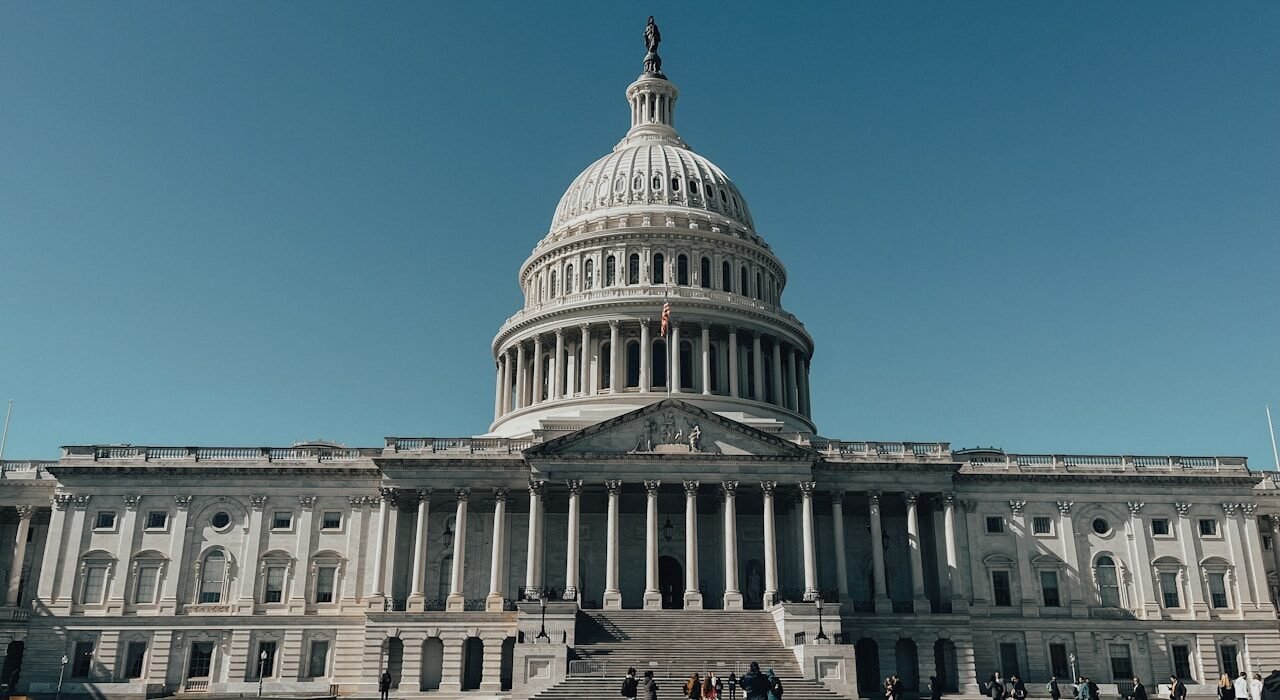
The City Council adopted a $125.8 billion fiscal year 2027 budget on June 30 after reaching an agreement with Mamdani. The plan included spending for housing assistance, education, libraries, parks, cultural institutions, and discounted transit.
Removing the property tax increase gave homeowners immediate relief, but it did not eliminate the city’s longer-term financial challenges. The comptroller projected budget gaps of approximately $7.1 billion in fiscal year 2028 and $9.8 billion by fiscal year 2030 under the executive financial plan.
Future budgets will depend on whether state aid continues, whether revenue meets expectations, whether agency savings materialize, and whether spending remains under control. If those assumptions fall short, property taxes or other revenue increases could return to the debate.
TL;DR
- Mamdani’s preliminary budget proposed a 9.5% property tax rate increase.
- The increase was expected to generate about $3.7 billion in fiscal year 2027.
- It was presented as a contingency rather than the administration’s preferred solution.
- Additional state support and other budget actions allowed the city to remove it in May.
- A targeted surcharge on certain secondary homes valued at more than $5 million replaced part of the expected revenue.
- The City Council adopted a $125.8 billion final budget on June 30.
- Homeowners avoided the broad increase, but major budget gaps are projected in later years.