
President Donald Trump’s attempt to charge employers $100,000 for certain new H-1B visa petitions has suffered another legal setback.
On July 24, 2026, the 1st U.S. Circuit Court of Appeals refused to pause a lower court ruling that struck down the fee. That means the government cannot enforce the disputed charge while the appeal moves forward.
The case could eventually reach the Supreme Court because another federal court previously reached a different conclusion about the president’s authority. Employers and foreign workers, therefore, received immediate relief, but the policy’s long-term future remains uncertain.
The appeals court kept the fee blocked
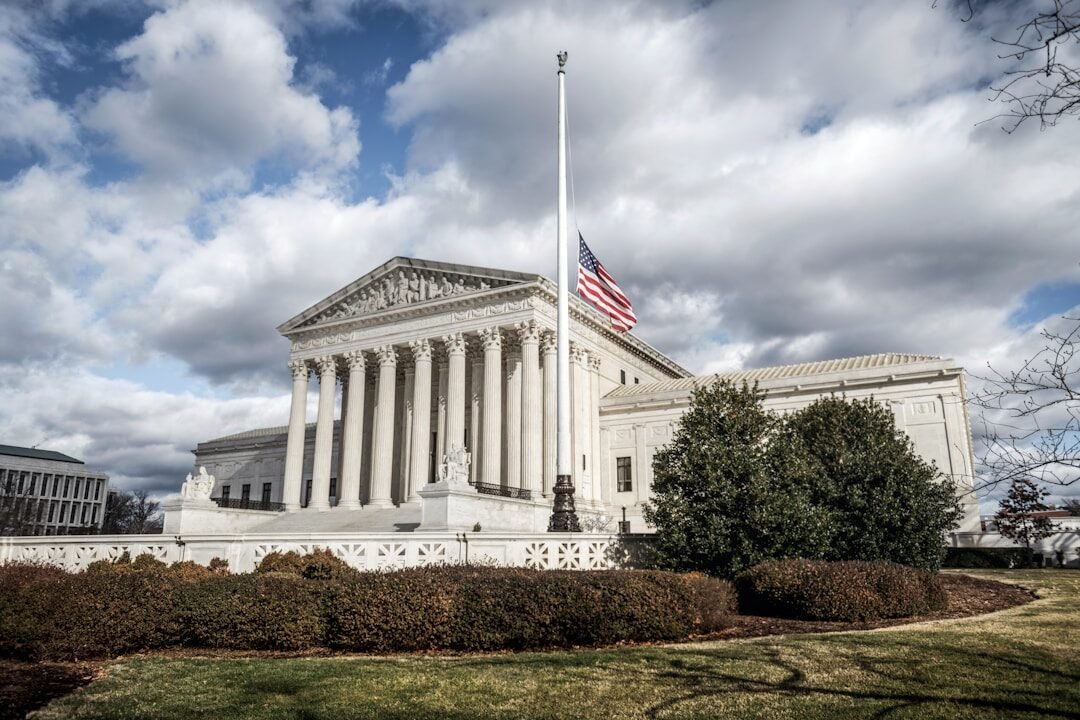
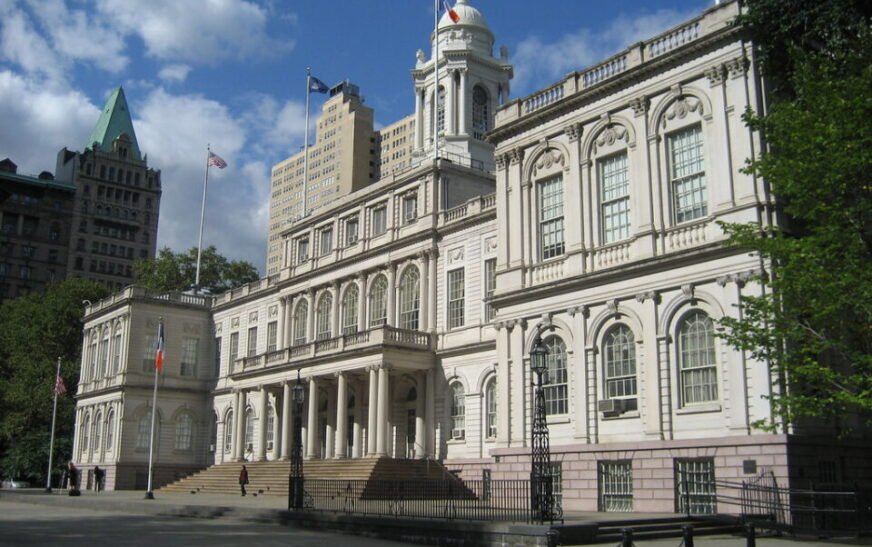
The Trump administration asked the Boston-based appeals court to suspend the June 8 ruling while judges considered the full appeal.
A three-judge panel rejected that request. The judges concluded that the administration had not shown a strong likelihood of proving that the president possessed legal authority to impose the charge.
The decision was procedural rather than final. The appeals court will still review the broader case and could eventually uphold or reverse the lower court’s ruling.
A judge called it an unlawful tax
U.S. District Judge Leo Sorokin struck down the $100,000 requirement on June 8 in a lawsuit brought by 20 Democratic-led states.
Sorokin concluded that the payment functioned as a tax rather than an ordinary administrative fee. Because the Constitution gives Congress the power to impose federal taxes, the judge found that the president could not create such a large charge without clear congressional authorization.
The court also found that the administration violated federal administrative law when establishing the policy.
The fee began under a proclamation
Trump announced the requirement through a presidential proclamation in September 2025.
The policy required a $100,000 payment for certain new H-1B petitions submitted on behalf of workers outside the United States after September 21, 2025. The administration said the measure was intended to discourage misuse of the program and protect American employees.
Before the change, employers commonly paid several thousand dollars in government filing and program fees. The exact total varied by company size, processing options, and the type of petition.
Many current workers were excluded
The $100,000 charge did not apply to every H-1B petition or visa holder.
It primarily targeted new workers seeking to enter the United States. International students and other eligible workers already in the country who changed to H-1B status were generally not covered by the fee.
Extensions for many existing H-1B workers also fell outside the policy. That distinction limited the immediate number of employers required to pay the charge.
States said essential employers would suffer
The coalition challenging the policy included Massachusetts and 19 other states.
They argued that the fee would harm public universities, hospitals, research centers, schools, and state agencies that use the H-1B program to hire specialized employees. Some positions involve physicians, nurses, researchers, engineers, educators, and technology professionals.
Smaller employers were considered especially vulnerable because a $100,000 payment could exceed their recruitment budget or make an international hire financially impossible.
The administration defends tougher rules
Trump has argued that some employers use the H-1B program to replace American employees with lower-paid foreign labor.
His administration maintains that presidents have broad authority to restrict the entry of foreign nationals when immigration is believed to harm national interests. It has also been argued that the payment was a condition of entry rather than a tax.
Critics respond that immigration powers do not allow the president to raise revenue or create major financial obligations that Congress did not approve.
The Supreme Court may decide the issue
The legal battle is becoming more complicated because courts have not uniformly agreed on the fee’s legality.
A federal court in Washington previously upheld the presidential proclamation, while the Massachusetts court struck it down. Conflicting rulings can increase the possibility of Supreme Court review.
The administration could ask the Supreme Court to restore the fee temporarily or wait for the 1st Circuit to issue a final appellate decision.
For now, U.S. Citizenship and Immigration Services cannot collect the $100,000 payment under the blocked policy. Employers should still monitor the litigation, as the requirement could return if a higher court rules in favor of the administration.
TL;DR
- Trump imposed a $100,000 charge on certain new H-1B petitions in September 2025.
- A federal judge struck down the policy on June 8, 2026.
- The judge found that the charge was an unauthorized tax not approved by Congress.
- The 1st Circuit refused to restore the fee on July 24, pending the appeal.
- The ruling mainly affects new H-1B workers applying from outside the United States.
- The court has not yet issued a final decision on the administration’s appeal.
- Conflicting lower-court rulings could eventually send the dispute to the Supreme Court.