
President Donald Trump’s attempt to create federal citizenship lists for state voters has stalled after an appeals court refused to restore key parts of his election executive order.
The disputed provisions would direct federal agencies to develop state-level lists of citizens believed to be eligible to vote. They would also restrict the U.S. Postal Service from delivering certain mail ballots unless the voter appeared on the federal list.
A coalition of 23 states and Washington, D.C., argued that the plan could expose private information, exclude eligible citizens from the voting process, and interfere with powers the Constitution assigns to the states and to Congress. The Trump administration has now asked the Supreme Court to allow the policy to move forward before the November 3, 2026, midterm elections.
The appeals court kept the order blocked
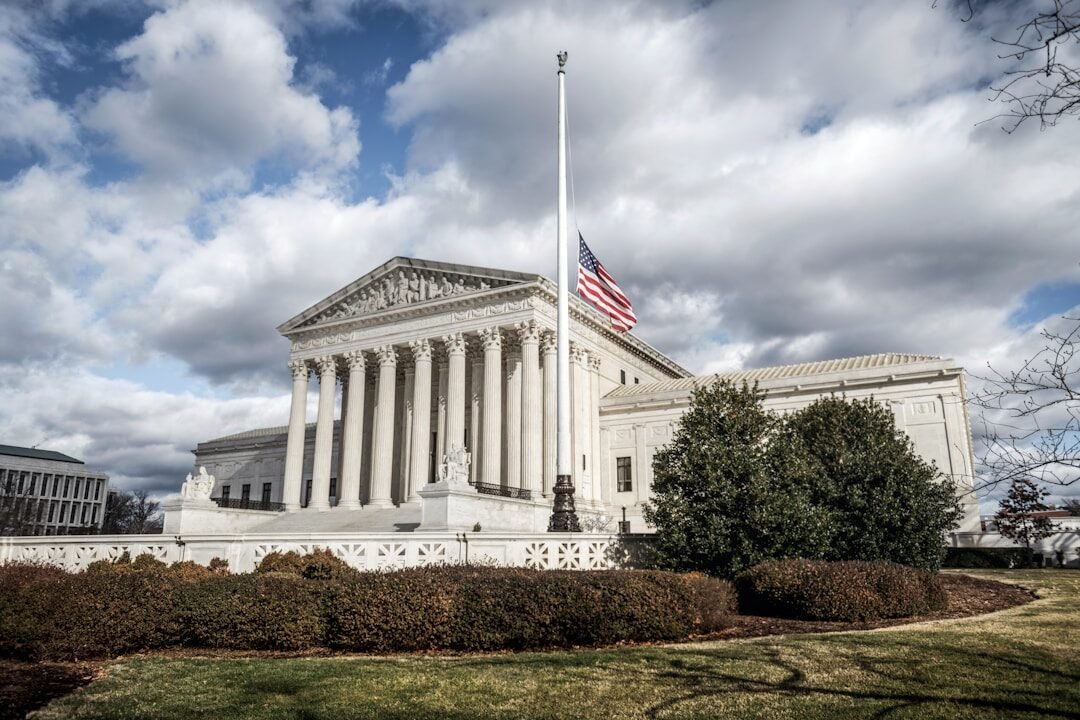
The 1st U.S. Circuit Court of Appeals declined to suspend a lower court injunction that prevented the administration from implementing the disputed provisions in the states involved in the lawsuit.
The decision kept U.S. District Judge Indira Talwani’s ruling in effect while the legal challenge continued. The injunction applied only to the 23 plaintiff states and Washington, D.C., rather than automatically blocking the policy nationwide.
The appeals court’s action did not permanently invalidate the executive order. It addressed whether the administration could enforce the provisions while the underlying case remained unresolved.
Trump sought a federal citizenship list
Trump issued the executive order in March 2026 as part of a wider effort to change federal election procedures.
It directed the Department of Homeland Security, including U.S. Citizenship and Immigration Services, and the Social Security Administration to help develop citizenship information that could be organized into state-level voter eligibility lists.
The order also instructed the Postal Service to limit the delivery of mail ballots based on those lists. State officials warned that citizenship databases are not designed to serve as complete voter registration systems and could contain delayed, missing, or incorrect information.
States challenged presidential authority
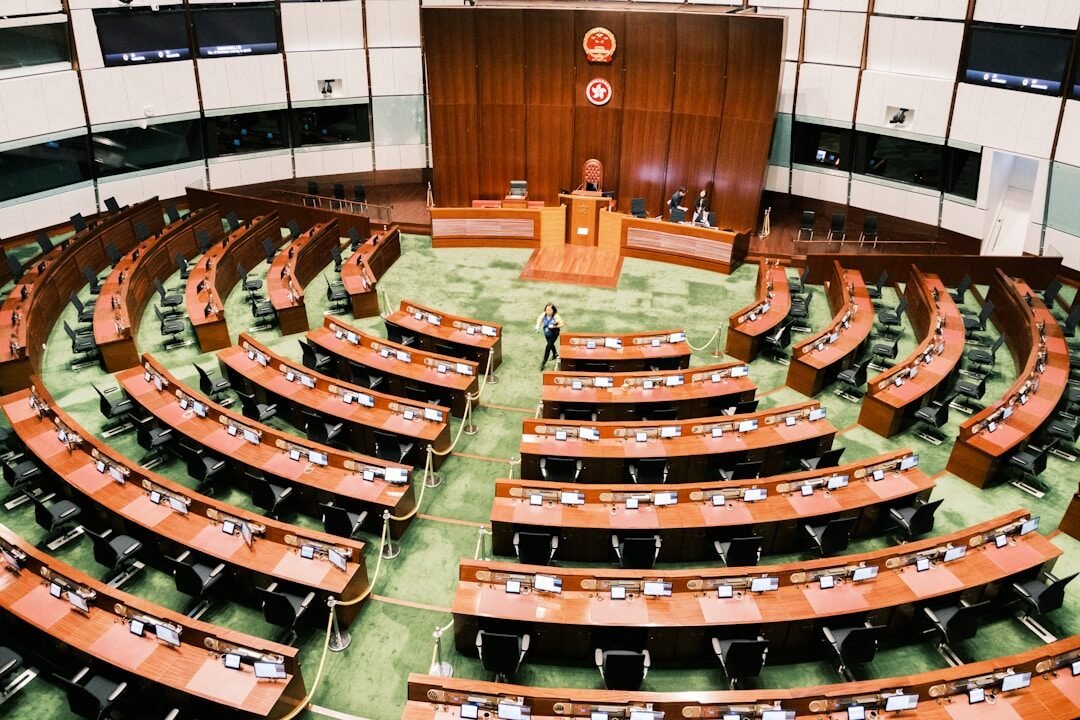
The plaintiff argued that the president could not rewrite election rules through an executive order.
The Constitution gives state legislatures primary authority over the time, place, and manner of congressional elections, while Congress has the power to change those rules. Presidents administer federal laws but do not normally create state voting qualifications or registration systems on their own.
Judge Talwani agreed that the challenged provisions likely exceeded presidential authority. She also found that the states faced immediate pressure to prepare for federal requirements before the midterm elections.
Privacy concerns remain unresolved
Creating a centralized federal system could require agencies to compare voter records with Social Security, immigration, citizenship, address, and identification information.
States argued that transferring or combining those records could expose personal data to misuse, unauthorized access, or inaccurate matching. Even small differences in names, dates of birth, addresses, or citizenship records could cause a lawful voter to be incorrectly excluded.
The administration says access to voter information is needed to identify registration errors and prevent noncitizens from participating. The Justice Department has also pursued separate lawsuits seeking unredacted voter-roll records from numerous states, but courts have questioned whether existing federal law authorizes those demands.
Mail ballots could face delivery problems

The Postal Service provision created concerns that ballots could be delayed or rejected before election officials had an opportunity to verify the voter.
A person might be a U.S. citizen and properly registered under state law but fail to appear on a federal list because of an outdated record, a name change, a naturalization-processing delay, or a database error.
State officials warned that introducing a new federal screening system shortly before a national election could confuse voters and administrators. They also argued that the Postal Service should deliver election mail rather than determine who is eligible to receive a ballot.
The administration cites election security
Trump has presented the order as a safeguard against voting by non-U.S. citizens.
Federal law already prohibits noncitizens from voting in federal elections, and states use registration records, identification checks, jury information, motor vehicle data, and other procedures to maintain voter lists.
The administration argues that federal citizenship data could help states identify people who registered incorrectly or became ineligible. Its lawyers also maintain that the lawsuit was filed too early because federal agencies had not yet finalized how the order would be implemented.
The Supreme Court may intervene
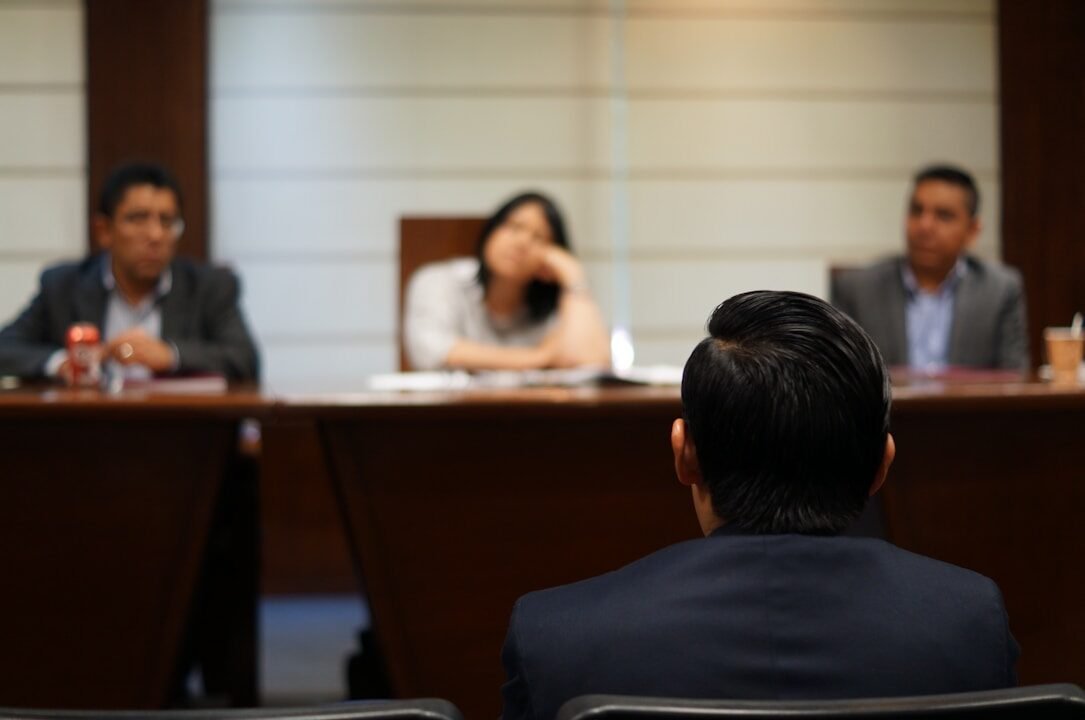
After losing at the appeals court, the administration filed an emergency application asking the Supreme Court to restore the disputed provisions.
The Supreme Court instructed the states challenging the order to respond by August 3, 2026. The justices could leave the injunction in place, permit some provisions to take effect, or narrow the lower court’s ruling while the case proceeds.
Any decision could affect how much time election officials have to prepare before November 3. A ruling on the emergency application would not necessarily settle the final constitutional questions.
TL;DR
- Trump’s executive order sought federal lists of eligible voters for citizenship.
- It also sought to limit mail-ballot delivery to people appearing on those lists.
- A federal judge blocked key provisions in 23 states and Washington, D.C.
- The 1st Circuit refused to restore the policy while litigation continued.
- States raised concerns about presidential authority, voter errors, privacy, and election disruption.
- The administration says the measures would improve election security.
- Trump asked the Supreme Court to intervene before the November 3, 2026, midterms.