
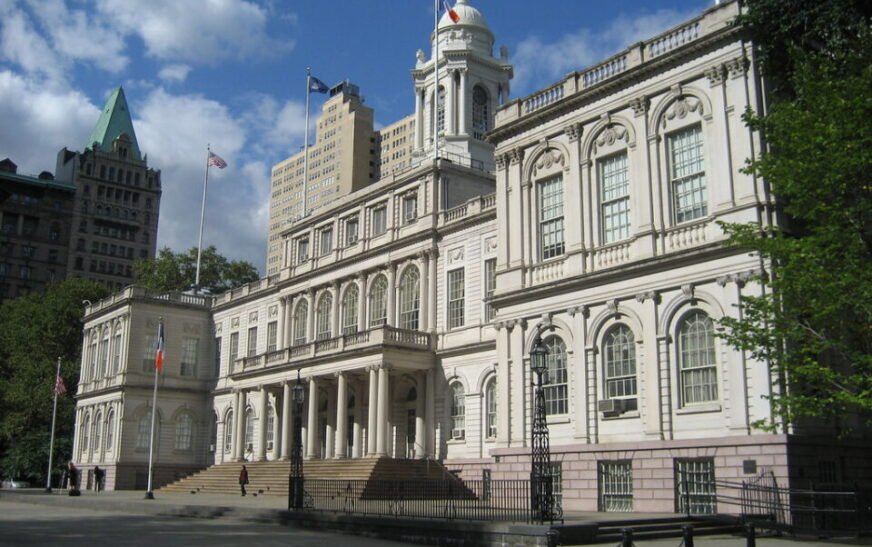
A New York City map celebrating immigrant neighborhoods triggered a backlash after residents noticed that Little Italy and several other historic ethnic communities were missing.
The “New York City Immigrant Enclaves” map identified 30 areas across the five boroughs, including Koreatown, Little Pakistan, Little Yemen, Little Palestine, and Little Caribbean. Critics argued that the selection overlooked communities that helped shape the city’s immigrant history.
Mayor Zohran Mamdani later acknowledged that the map was incomplete and promised to add Little Italy. The dispute raised a broader question about whether an immigrant map should reflect neighborhoods with large foreign-born populations today, historic cultural identity, or both.
The map highlighted 30 communities
The map was promoted through the Mayor’s Office of Immigrant Affairs as part of the city’s celebration of immigrant heritage.
It featured neighborhoods associated with communities from Asia, Africa, Latin America, the Caribbean, Eastern Europe, and the Middle East. Examples included Chinatown, Little Bangladesh, Little Guyana, Little Manila, Little Senegal, and Little Odessa.
The city said the selection was not intended to represent every immigrant or ethnic community in New York. More than 200 ethnic groups are represented across the five boroughs, making it difficult to create a truly comprehensive map.
Little Italy’s absence drew criticism
Little Italy remains one of New York City’s most recognizable cultural districts, particularly along Mulberry Street in Lower Manhattan.
Its restaurants, festivals, architecture, and history reflect generations of Italian immigration. The neighborhood hosts the annual Feast of San Gennaro and remains an important symbol of Italian American identity, even though its Italian-born residential population has declined considerably.
That history made its absence immediately noticeable. Critics also pointed to missing Italian-American areas, such as Belmont in the Bronx and Bensonhurst in Brooklyn.
Italian American leaders pushed back
The New York City Council’s Italian Caucus described the map as incomplete and insulting.
Council members said Italian immigrants and their descendants made major contributions to the city’s construction, small businesses, public institutions, culture, and labor movement. They called on the administration to consult historians and community groups before publishing a revised version.
The Italian American Civil Rights League also demanded that Little Italy and other historically Italian neighborhoods receive recognition. Some of its public criticism used partisan, inflammatory language that went beyond the map’s specific omissions.
Other communities also felt excluded
The backlash quickly expanded beyond Italian American organizations.
Social media users questioned why the map omitted traditionally Irish neighborhoods, Greek communities in Astoria, and Jewish areas in Brooklyn and Queens. Writer Avital Chizhik-Goldschmidt helped draw attention to the absence of Jewish enclaves when she shared the map online.
The disagreement showed that cultural identity does not always follow current population statistics. A neighborhood can remain historically important even after descendants of its original immigrants move elsewhere.
City Hall explained its criteria
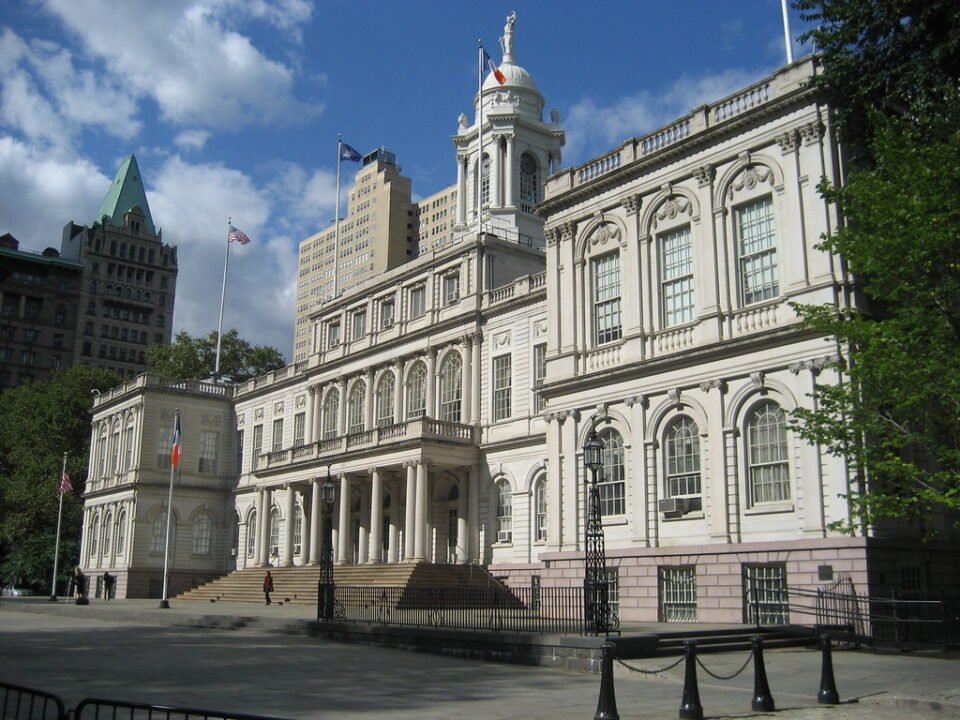
A City Hall spokesperson said the map focused mainly on neighborhoods with substantial foreign-born populations.
That approach helps explain why newer immigrant destinations appeared while some famous European ethnic districts did not. Little Italy now functions heavily as a cultural and tourist destination rather than a large residential center for recent immigrants.
New York City planning data show that established immigrant enclaves can lose their foreign-born residents over time as families move to other neighborhoods or to the suburbs. Meanwhile, newer enclaves often emerge in Queens, Brooklyn, and the Bronx.
The explanation provided demographic context, but critics argued that the map’s title did not make its modern population criteria clear.
Mamdani promised to revise the map
Mamdani said the project was initially created by the previous mayoral administration in 2023 and later inherited by his team.
His administration added several communities before republishing it, including Little Egypt, Little Palestine, and Little Senegal. After the backlash, Mamdani admitted that the map was not exhaustive and said future revisions would include Little Italy.
That response reduced some of the dispute over whether Little Italy would eventually appear. It did not fully resolve concerns about how the city chooses which communities deserve recognition.
The debate goes beyond one neighborhood
The controversy illustrates the difference between an active immigrant enclave and a historic ethnic neighborhood.
An active enclave may contain many foreign-born residents, businesses serving a particular language group, and recently arrived families. A historic district may have fewer immigrants today, but it still carries deep cultural importance through restaurants, religious institutions, festivals, architecture, and family history.
A more complete city map could distinguish between current immigrant population centers and historic cultural districts. Doing so would recognize changing demographics without erasing older immigrants’ contributions.
TL;DR
- A New York City map highlighted 30 immigrant enclaves across the five boroughs.
- Little Italy was omitted, prompting criticism from Italian American organizations and City Council members.
- Irish, Greek, and Jewish communities were also missing from the map.
- City Hall said the project focused largely on neighborhoods with substantial foreign-born populations today.
- Little Italy remains culturally important despite having fewer Italian-born residents than it once did.
- Mamdani said the map originated under the previous administration and was not intended to be complete.
- He promised that Little Italy would be included in a future revision.