
American drivers could face another round of fuel-price increases as the conflict involving the United States and Iran disrupts major oil-export routes and drains the inventories that previously helped stabilize the market.
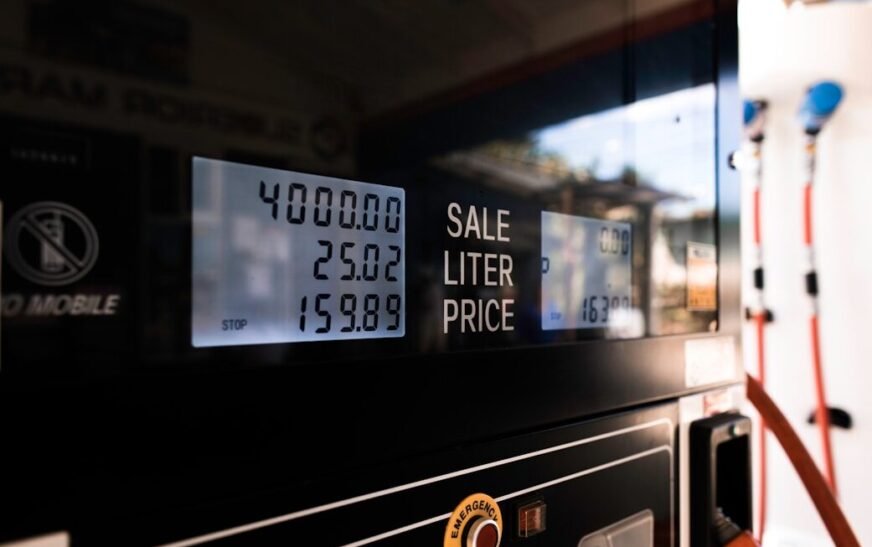
The national average for regular gasoline reached approximately $4.11 per gallon on July 24, 2026. Diesel was even more expensive, averaging about $5.21 per gallon, putting added pressure on trucking companies, farmers, construction businesses, and consumers.
Analysts warn that prices could rise further if shipping disruptions persist in the Strait of Hormuz and the Red Sea. The outlook remains uncertain, however, because oil prices can fall quickly if fighting eases or more supplies reach the market.
Gas returned above $4 nationally
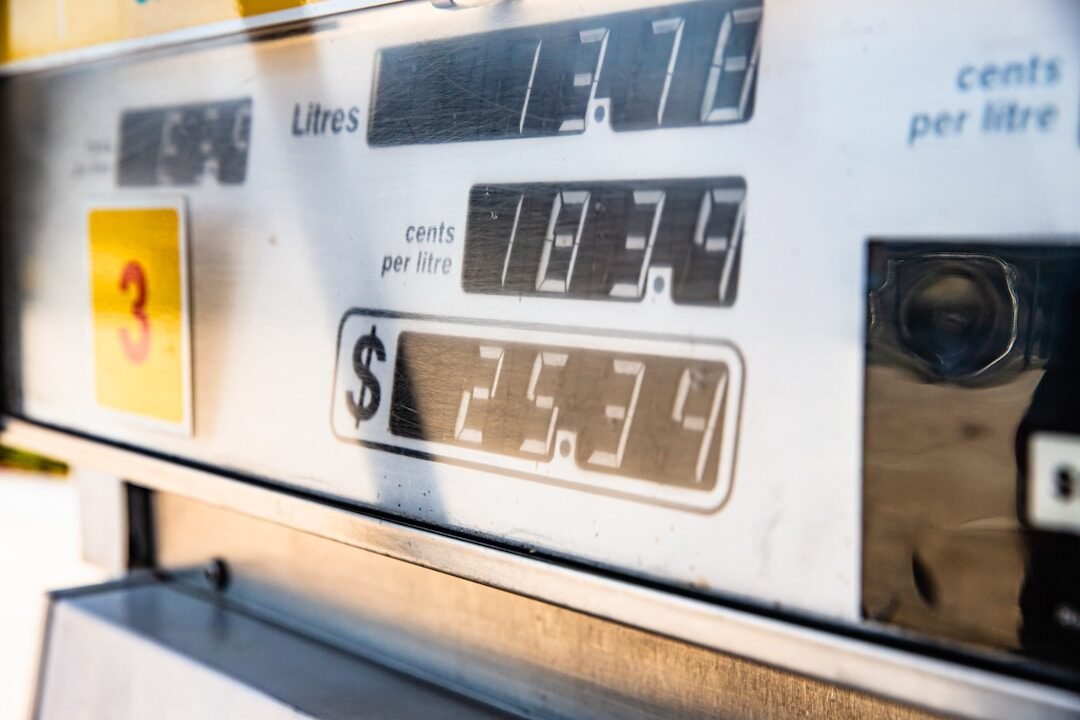
AAA reported that the national average for regular gasoline jumped 15 cents in one week to $4.09 on July 23. It edged slightly higher the following day.
Most states were averaging at least $4 per gallon, although prices varied considerably by location. Drivers in states with higher taxes, stricter fuel requirements, or limited refinery access generally paid more than the national average.
Prices were still below the levels seen around Memorial Day, when the national average briefly reached approximately $4.56.
Oil moved back above $100
Brent crude, the international oil benchmark, settled above $100 per barrel on July 23 after attacks on Saudi tankers increased concerns about Middle Eastern supplies.
Brent rose to about $100.69, while U.S. West Texas Intermediate crude reached approximately $92.19. Oil markets were reacting to renewed U.S.-Iran fighting, slower traffic through the Strait of Hormuz, and Houthi attacks affecting Red Sea shipping.
Higher crude prices do not immediately translate into equal increases at gas stations, but they usually feed into retail fuel prices over the following days and weeks.
Earlier market protections are weakening
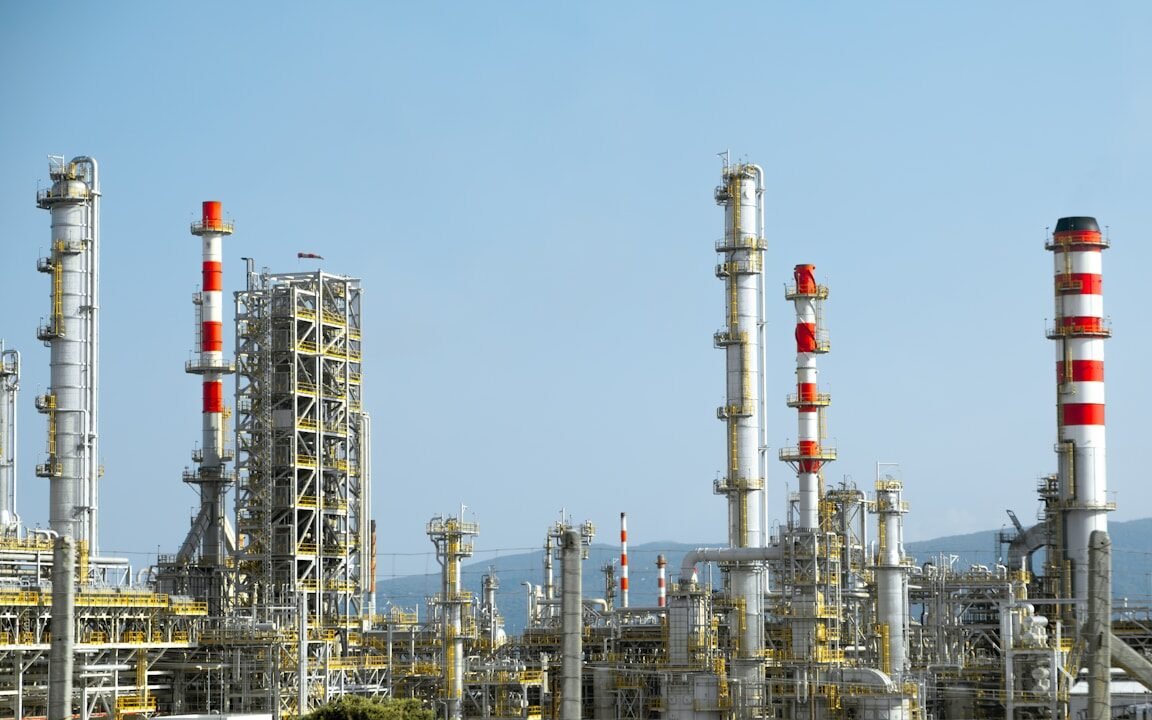
Global oil inventories were relatively healthy when the conflict began in February. China drew from reserves, while the United States and allied countries released large quantities of emergency crude.
Those actions helped replace some of the supply lost from the Middle East and prevented an even larger early price spike.
Analysts now say those reserves have been reduced and eventually must be replenished. At the same time, summer driving demand remains strong in the United States and Europe, leaving the market less protected against new disruptions.
Hormuz remains the largest risk
The Strait of Hormuz is one of the world’s most important oil-shipping routes. Large volumes of crude and liquefied natural gas from Saudi Arabia, Iraq, Kuwait, Qatar, and the United Arab Emirates normally pass through it.
Iran has increased pressure on commercial traffic, while some tankers have reduced transmissions or altered routes because of security concerns. Traffic through the waterway reportedly fell sharply after hostilities resumed.
Analysts said a prolonged or more complete closure could push Brent crude toward $120 per barrel. That is a risk scenario rather than a firm forecast, and prices could retreat if normal shipping resumes.
Diesel creates wider economic pressure
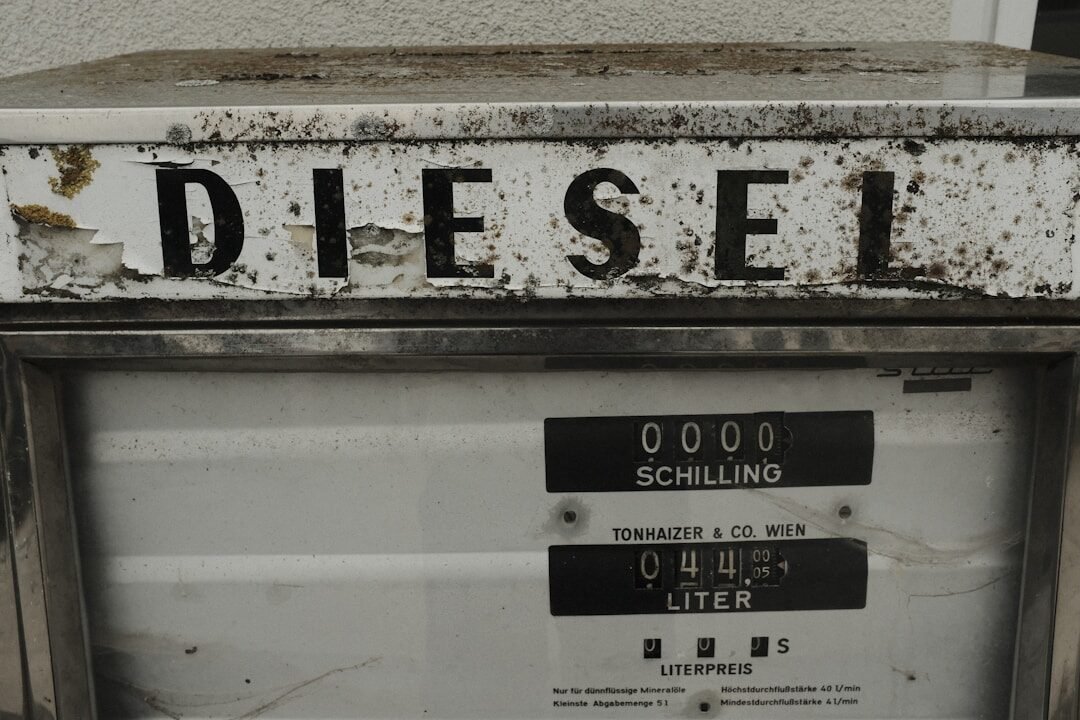
Diesel prices reached approximately $5.21 per gallon nationally, about 39% higher than a year earlier.
Unlike gasoline, diesel affects costs throughout the economy. It powers freight trucks, farm machinery, construction equipment, trains, and some industrial operations. Businesses often pass at least part of those added expenses to customers through higher prices.
Democrats on Congress’s Joint Economic Committee estimated that farmers spent $1.4 billion more on diesel during the 2026 planting season than during the previous year. The analysis covered corn, soybeans, wheat, cotton, and rice.
Several disruptions are happening together
The Middle East conflict is not the only problem affecting fuel markets.
Ukrainian attacks have disrupted parts of Russia’s refining industry, further pressuring global diesel supplies. Houthi attacks in the Red Sea have also created risks for ships using the Bab el-Mandeb Strait.
These overlapping disruptions matter because refiners cannot always replace one type of crude or fuel with another immediately. Shipping delays, insurance costs, refinery capacity, and regional fuel standards can all contribute to higher retail prices.
Prices could still move in either direction
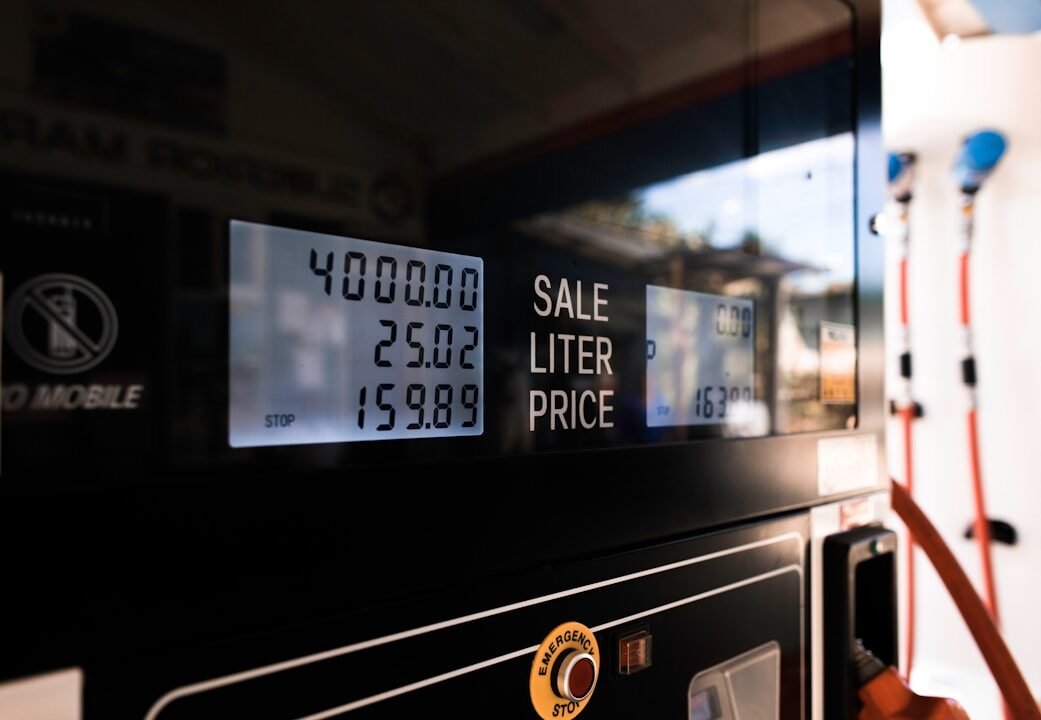
Some analysts believe the oil market underestimated how long the Iran conflict would last and the extent to which infrastructure and shipping would be affected.
That could mean additional price increases if fighting expands, tankers remain blocked, or emergency reserves fall further. Gas prices may also stay elevated during the remaining summer travel period.
However, prices could fall if the parties reach another ceasefire, the Strait of Hormuz reopens more fully, OPEC+ increases production, or consumer demand weakens. Forecasts should therefore be presented as possible outcomes rather than guaranteed increases.
TL;DR
- Regular gasoline averaged about $4.11 per gallon nationally on July 24, 2026.
- Diesel averaged roughly $5.21 per gallon.
- Brent crude moved above $100 after new attacks threatened Middle Eastern supplies.
- Reduced emergency inventories have left the market more exposed to disruptions.
- A prolonged closure of the Strait of Hormuz could push oil prices to $120, according to some forecasts.
- Higher diesel prices can raise food, shipping, construction, and retail costs.
- Fuel prices could rise further, but they may fall if shipping resumes or the conflict eases.