


New York City immigration courts issued thousands more deportation orders in June 2026 as federal officials expanded the use of unusually large and rapidly scheduled preliminary hearings.
Immigration judges issued nearly 4,500 removal orders that month to people who did not appear in court. That was a sharp increase from the roughly 2,000 to 3,000 monthly orders recorded between January and May.
Lawyers and immigration advocates said some people received little notice that hearings originally scheduled months or years in the future had been moved up. Federal officials have not publicly described the process as an effort to generate missed hearings. Still, supporters may view larger calendars as a way to reduce the court backlog, which contains millions of cases.
Deportation orders increased sharply

New York City immigration judges issued nearly 4,500 removal orders in absentia during June 2026.
An in absentia order is issued when someone does not attend a required immigration hearing. The judge can order the person removed without deciding an asylum or other immigration claim through a full individual hearing.
New York’s June total was the third-highest in the country, behind the immigration courts serving Dallas and Chicago.
Mega hearings expanded in June
The increase coincided with the wider use of what attorneys call “mega master calendar” hearings.
A typical master calendar hearing handles preliminary matters such as explaining rights, taking legal pleadings, identifying possible immigration relief, and scheduling future proceedings. The Justice Department says respondents must attend unless a judge formally waives their appearance.
Mega hearings can place 70, 100, or more cases before one judge on the same day. New York City held 26 such morning sessions in June, compared with only a small number in earlier months.
Some court dates moved forward
Many people who were previously placed on the large calendars had hearings scheduled for 2027, 2028, or later.
Their cases were sometimes moved forward with only days or weeks of notice. In one New York example, a judge assigned 121 cases in a single day, and 39 people were ordered removed for failing to appear.
Shorter scheduling periods can help courts process cases more quickly. They can also create problems for people who have moved, changed lawyers, do not regularly use the court’s online system, or receive a mailed notice after the hearing date.
Missing a notice carries major consequences
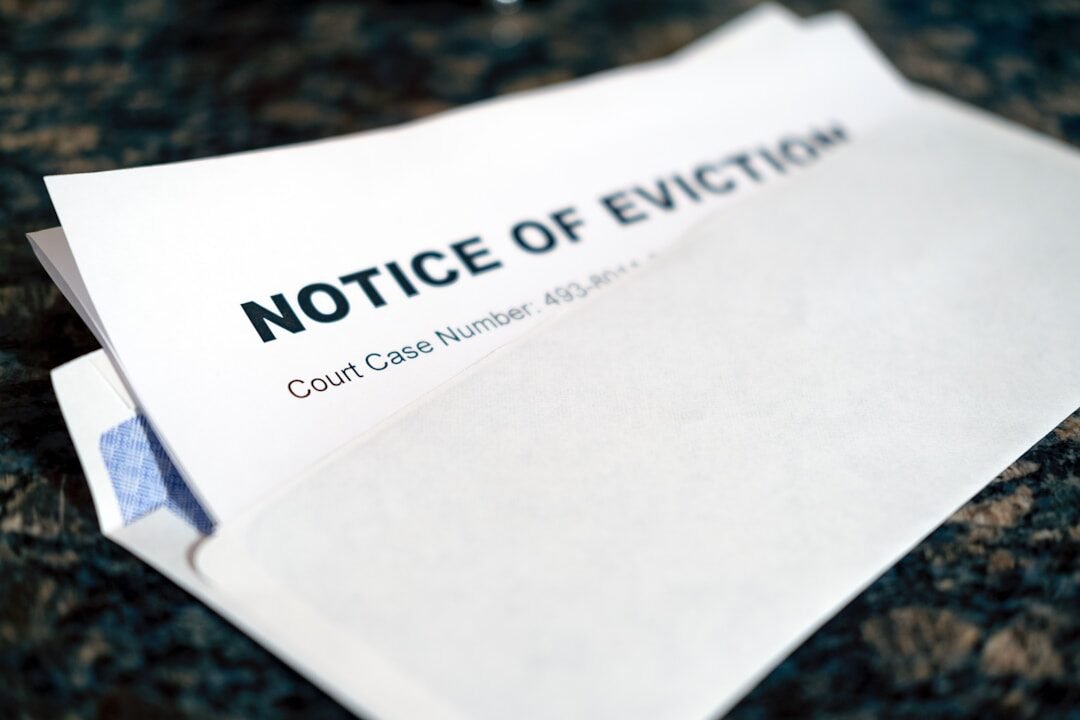
The Executive Office for Immigration Review normally mails hearing notices to the address listed in the court record.
The agency also updates its automated case-information system when a new hearing notice is issued. However, official court documents remain the primary source of scheduling information.
Immigrants are responsible for keeping their addresses up to date. Even so, lawyers argue that a deportation order should not result from a hearing that the person never reasonably learned about.
A person ordered removed in absentia may ask the court to reopen the case, but doing so may require legal representation and proof that notice was not received or that exceptional circumstances prevented attendance.
NYC courts faced crowded conditions
The large calendars created long lines and crowded waiting areas at 26 Federal Plaza in Lower Manhattan.
Some participants reportedly waited in packed hallways or sat on floors before their cases were called. Lawyers questioned whether judges could give meaningful individual attention to more than 100 people scheduled during the same session.
People who did appear often received future dates rather than final decisions. That meant the immediate result for many attendees was another hearing, while those who missed the session faced the possibility of removal orders.
The national increase was even larger

The growth in missed-hearing deportation orders was not limited to New York.
Researchers reviewing immigration court records counted 53,808 in absentia removal orders nationwide in June, up 55% from the record 34,725 issued in May. These orders accounted for the majority of all immigration court case completions in June.
The median scheduling lead time for nondetained master hearings also fell to 42 days, a 73% decline from two months earlier.
The court backlog remains enormous
The federal immigration court system continued to face more than 3.1 million pending cases at the end of June 2026.
New York had more than 300,000 pending cases, while Queens and Kings counties were among the U.S. counties with the largest local backlogs.
Large calendars may allow judges to complete procedural steps in more cases. However, they do not resolve the underlying shortage of judges, attorneys, interpreters, and administrative staff needed to provide individual hearings.
Immigrants should monitor cases closely

Immigration attorneys advised people with pending cases to check their hearing information regularly, even when they previously received a date far in the future.
Case information is available through the Justice Department’s online system and its automated telephone line at 800-898-7180. People should also immediately report address changes to the immigration court and keep copies of every notice.
Anyone who discovers that a removal order was entered after a missed hearing may need prompt legal advice. Deadlines and legal options can depend on whether the person received proper notice and why the hearing was missed.
TL;DR
- NYC immigration courts issued nearly 4,500 missed-hearing deportation orders in June 2026.
- Monthly totals had generally ranged from about 2,000 to 3,000 earlier in the year.
- Mega master hearings can schedule 70 or more cases before a single judge.
- Some hearings were moved forward from dates originally set years later.
- People who miss a required hearing can be ordered removed without a full merits hearing.
- Nationwide in absentia orders reached a record 53,808 in June.
- The immigration court backlog still exceeded 3.1 million cases.
- People with pending cases should repeatedly check their official hearing information.