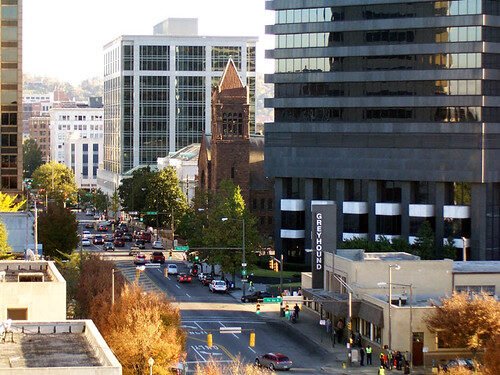

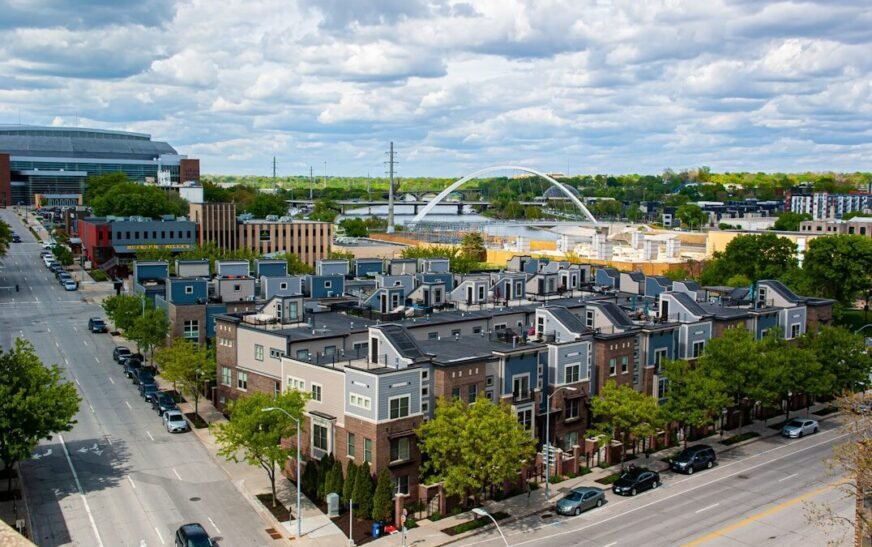
Iowa is often overlooked in relocation searches, but it deserves attention from families, retirees, remote workers, students, and buyers who want lower housing costs and a slower Midwest pace. The state offers college towns, farm communities, growing suburbs, regional job centers, and cities such as Des Moines, Cedar Rapids, Iowa City, Davenport, Ames, Waterloo, Council Bluffs, Dubuque, and Sioux City.
The U.S. Census Bureau estimated Iowa’s population at 3,238,387 as of July 1, 2025. That makes it far smaller than states such as Illinois, Texas, Florida, or California, but large enough to offer real economic variety across different regions.
For people asking whether Iowa is affordable in 2026, the short answer is yes. RentCafe’s 2026 cost-of-living calculator says Iowa is 11% cheaper than the national average. Housing is 26% below the U.S. average, while utilities are 11% below the U.S. average.
What is the average cost of living in Iowa?
The cost of living in Iowa includes housing, rent, utilities, groceries, health care, transportation, taxes, insurance, child care, and everyday goods. Based on the user-provided Bureau of Economic Analysis figures, people in Iowa spend about $47,833 per person per year, or roughly $3,986 per month.
That total includes $7,743 per year for housing and utilities, $8,224 for health care, $4,067 for groceries and nonrestaurant food, $2,000 for gasoline and other energy goods, and $25,798 for other personal spending.
These numbers show why Iowa can appeal to households priced out of higher-cost states. But statewide averages do not tell the full story. Des Moines, Iowa City, Ames, and Cedar Rapids may cost more than smaller towns, while rural areas can offer cheaper housing but fewer job options and longer drives.
Housing is Iowa’s biggest affordability advantage
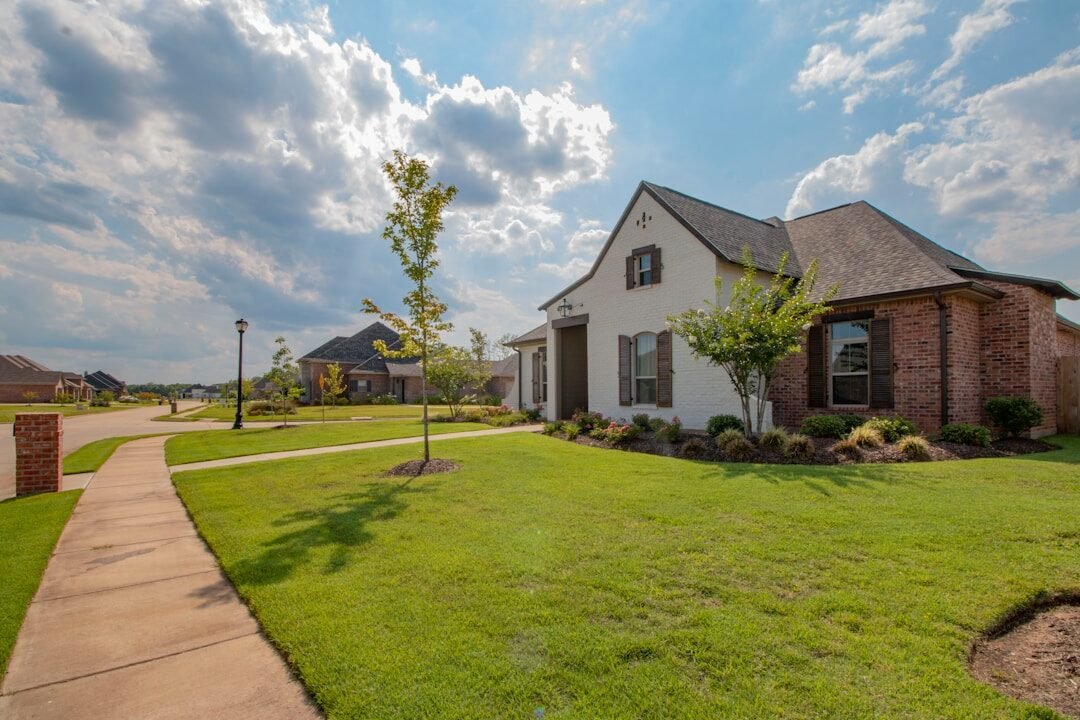
Housing is the main reason Iowa ranks well for affordability. Zillow listed the average Iowa home value at $238,019 as of May 31, 2026, up 3.9% over the past year. That is far below Zillow’s average U.S. home value of $370,320 for the same period.
This makes Iowa attractive to first-time buyers, families seeking more space, and retirees looking to reduce monthly housing costs. A home that might be financially out of reach in Colorado, Florida, Washington, Arizona, or Illinois may be much more realistic in Iowa.
Still, not every Iowa market is equally cheap. Iowa City is more expensive than many parts of the state because of the University of Iowa, health care jobs, student demand, and limited housing near campus. Zillow listed Iowa City’s average home value at $304,054 as of May 31, 2026.
Rent in Iowa is well below the national average
Renters also benefit from Iowa’s lower costs. The user-provided data lists Iowa’s median rent at $966, compared with a national median of $1,639. It also lists typical monthly rents at $741 for a one-bedroom, $959 for a two-bedroom, $1,166 for a three-bedroom, and $1,274 for a four-bedroom.
Current apartment data also supports Iowa’s affordability. RentCafe reported that the average apartment rent in Iowa was $1,240 in June 2026, down 1.47% from the previous year.
Iowa City is pricier than the state average, with RentCafe listing average apartment rent at $1,493. Des Moines is more affordable by cost-of-living index, with RentCafe saying the city is 17% cheaper than the national average and housing is 37% cheaper than the U.S. average.
Groceries are cheaper than the U.S. average
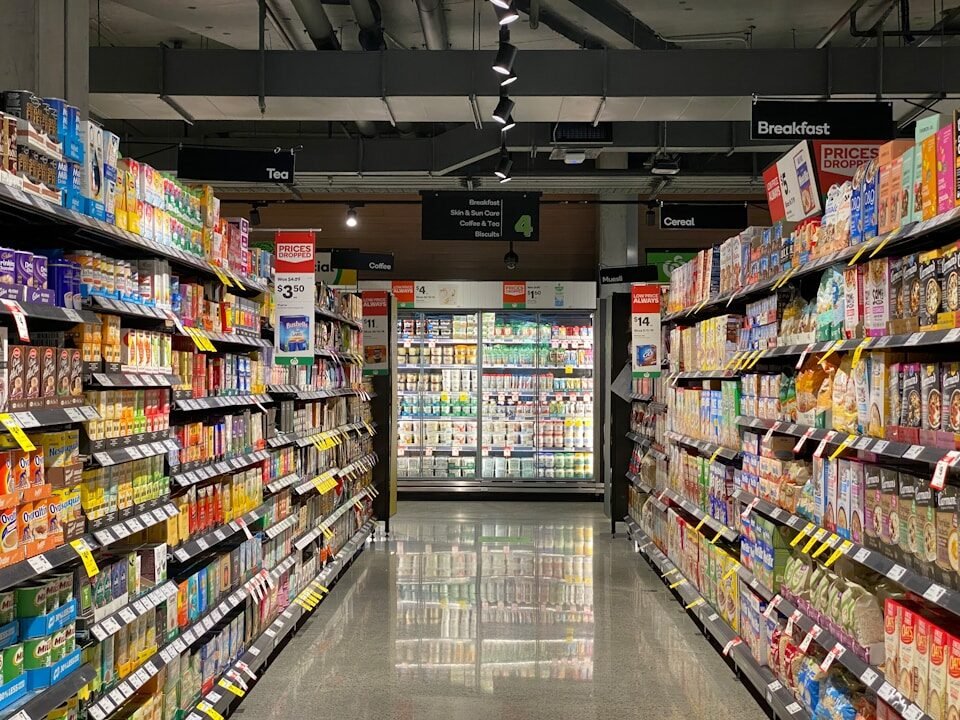
Food costs in Iowa are generally manageable. The user-provided data says Iowa residents spend an average of $227.32 per week on food at home, compared with $270.21 nationally. That difference can matter for families, especially those who cook at home and buy in bulk.
The supplied BEA breakdown puts Iowa’s annual grocery and nonrestaurant food spending at $4,067 per person, or about $339 per month. For a family of four, that could mean a monthly grocery budget around $1,300 to $1,400, depending on appetite, children’s ages, store choice, and dining habits.
Food budgets can rise in college towns or urban areas if households rely heavily on restaurants, delivery, specialty stores, or convenience foods. Smaller towns may have fewer choices, but basic groceries and local markets can help families keep costs under control.
Utilities are lower, but winters still matter
Utilities are another advantage for Iowa. RentCafe says Iowa utilities are 11% lower than the national average. The user-provided figures list an average monthly electric bill of $112.60, compared with $136.84 nationally. Natural gas is listed at $9.03 per thousand cubic feet, below the U.S. average of $12.92.
That said, Iowa winters can be harsh. Cold temperatures, snow, wind, and storms can raise heating bills from late fall through early spring. Older homes with poor insulation may cost more to heat, even in an otherwise affordable city.
Newcomers should ask for winter and summer utility bills before renting or buying. A low rent or mortgage can look less attractive if the home has high heating costs.
Transportation depends on driving
Iowa is mostly car-dependent. Des Moines, Cedar Rapids, Iowa City, Ames, and Davenport have some transit options, but most households still need at least one vehicle. In smaller towns and rural areas, driving is usually essential for work, school, groceries, health care, and family activities.
The user-provided data says regular gas averaged $2.89 per gallon in Iowa as of August 2025, below the national average of $3.13. Auto insurance is also favorable, with the supplied data listing average full-coverage premiums at $897.79, compared with $1,258 nationally.
Transportation savings can disappear if a household has a long commute or multiple vehicles. When comparing Iowa cities, people should consider not only rent or home price, but also distance to work, school, doctors, and shopping.
Health care is a mixed but important cost
Health care is one of Iowa’s largest expenses. The user-provided BEA data estimates annual health care spending at $8,224 per person. The supplied insurance figures indicate that Iowa employees pay about $2,012 per year toward employer-sponsored health insurance, while employers pay about $6,005 of the $8,017 total premium.
Salary.com ranks Iowa No. 6 among states for overall health care access and affordability, which suggests the state performs well compared with many others. But actual costs depend on insurance coverage, deductibles, prescriptions, provider networks, age, and whether a household lives near a major health care hub.
Iowa City is especially important for medical access because of the University of Iowa Hospitals and Clinics. Des Moines, Cedar Rapids, Davenport, Waterloo, Ames, and Sioux City also offer regional health care options.
Taxes in Iowa are improving, but property taxes matter

Iowa’s tax picture has changed in recent years. The Tax Foundation lists Iowa’s 2026 individual income tax rate at a flat 3.80%. It also lists a 6% state sales tax rate and an average combined state and local sales tax rate of 6.94%.
That flat income tax can make Iowa more attractive than it used to be, especially for workers comparing it with higher-tax states. Still, property taxes are a real cost for homeowners. The Tax Foundation lists Iowa’s effective property tax rate at 1.33%, which is higher than that of many states’.
A buyer should not judge affordability solely by the purchase price. Mortgage payment, property tax, homeowners’ insurance, utilities, maintenance, and commuting costs all matter.
Best affordable places to live in Iowa
Des Moines is the state’s largest metro and often provides the best mix of jobs, housing value, restaurants, insurance-sector employment, health care, and suburban options. It is cheaper than the national average and more affordable than many state capitals.
Cedar Rapids can be a strong fit for families and workers seeking lower costs and regional jobs. Davenport and the Quad Cities offer access to the Mississippi River and a cross-state economy. Ames and Iowa City are shaped by major universities, which can make them lively but more expensive.
Waterloo, Council Bluffs, Sioux City, Dubuque, Mason City, Marshalltown, Ottumwa, and Fort Dodge may appeal to people focused on lower housing costs. The trade-off can be fewer high-paying jobs or longer drives.
Is Iowa affordable in 2026?

Iowa is affordable in 2026 by national standards. Housing, rent, groceries, utilities, gas, and auto insurance are all favorable compared with many states. The main budget concerns are property taxes, winter heating, health care, and transportation for car-dependent households.
For the best result, compare Iowa cities directly. Des Moines offers the broadest job market, Iowa City and Ames offer college-town energy, and smaller cities offer lower housing costs. Iowa is not flashy, but for many households, it is financially practical.
TLDR
- Iowa’s cost of living is 11% lower than the national average in 2026.
- Housing is Iowa’s biggest advantage, running about 26% below the U.S. average.
- Zillow listed Iowa’s average home value at $238,019 as of May 2026.
- The average apartment rent in Iowa was $1,240 in June 2026.
- Des Moines is 17% cheaper than the national average, according to RentCafe.
- Iowa’s 2026 income tax rate is a flat 3.80%.
- Property taxes are a major homeowner cost, with an effective rate of around 1.33%.
- Des Moines, Cedar Rapids, Davenport, Waterloo, Sioux City, Council Bluffs, and Fort Dodge are worth comparing for affordability.