Cost of living in Indiana in 2026: Housing, rent, taxes, utilities, groceries, and affordable cities


Indiana is one of the more practical states for people who want a lower cost of living without leaving the Midwest. It offers affordable homes, lower rents than the national average, moderate taxes, major universities, manufacturing jobs, health care systems, a sports culture, and cities ranging from Indianapolis and Fort Wayne to Evansville, South Bend, Lafayette, Bloomington, Muncie, and Terre Haute.
The U.S. Census Bureau estimated Indiana’s population at 6,973,333 as of July 1, 2025, making it a large Midwest state with steady demand but without the extreme housing prices seen in many coastal markets.
For people asking whether Indiana is affordable in 2026, the short answer is yes. RentCafe’s 2026 cost-of-living calculator says Indiana is 9% cheaper than the national average. Housing is 22% below the U.S. average, and utilities are 5% below the U.S. average.
What is the average cost of living in Indiana?

The cost of living in Indiana includes housing, rent, utilities, groceries, health care, transportation, taxes, insurance, child care, and everyday services. Based on the user-provided Bureau of Economic Analysis figures, Indiana residents spend about $49,527 per person per year on goods and services, or roughly $4,127 per month.
That total includes $7,737 per year for housing and utilities, $10,342 for health care, $4,033 for groceries and nonrestaurant food, $1,642 for gasoline and energy goods, and $25,773 for other personal expenses.
Those statewide averages are helpful, but the real number depends on where you live. Indianapolis will usually cost more than smaller Indiana cities, while places such as Terre Haute, Muncie, Anderson, Kokomo, Richmond, and some rural communities may stretch a paycheck further.
Housing is Indiana’s biggest advantage
Housing is the strongest reason Indiana remains affordable. Zillow listed Indiana’s average home value at $259,711 as of May 31, 2026, up 3% over the past year. That is far below Zillow’s U.S. average home value of $370,320 for the same period.
Indianapolis is also affordable compared with many major metros. Zillow listed the average home value in Indianapolis at $233,674 as of May 31, 2026, slightly below the statewide average.
That gives Indiana buyers more room than they might find in Illinois, Colorado, Florida, Arizona, or many fast-growing Sun Belt metros. However, home prices still vary by neighborhood. Carmel, Fishers, Westfield, Zionsville, and some Indianapolis suburbs can cost much more than older city neighborhoods or smaller towns.
Rent in Indiana is lower than the national average

Renters also benefit from Indiana’s lower housing costs. The user-provided data places Indiana’s average rent at $1,110, compared with a national average of $1,639. It also lists average rents at $872 for a one-bedroom, $1,061 for a two-bedroom, $1,219 for a three-bedroom, and $1,406 for a four-bedroom.
Indianapolis rents remain manageable for a large metro. RentCafe listed the average rent for an Indianapolis apartment at $1,271, up 0.94% from the previous year.
Fort Wayne is often even cheaper than Indianapolis. RentCafe reported in June 2026 that Fort Wayne’s average rent was $102 per month lower than Indianapolis, while both cities remained relatively affordable.
For renters, the best Indiana markets depend on lifestyle. Indianapolis offers the most jobs and entertainment. Fort Wayne offers value and growth. Bloomington and West Lafayette have university-driven demand. South Bend, Evansville, Muncie, and Terre Haute often provide lower costs.
Groceries and everyday food costs are manageable
Food costs in Indiana are generally lower than the national average. The user-provided data shows that Indiana residents spend about $239.11 per week on groceries at home, compared with the national average of $270.21.
That makes Indiana attractive for families who cook at home, shop at large supermarkets, buy in bulk, or use discount stores. Grocery costs can be higher in more urban or university-heavy areas, but they are usually manageable compared with those in many coastal and western states.
Dining out depends on the city and lifestyle. Indianapolis, Carmel, Bloomington, and Lafayette have more restaurants and higher-end options, while smaller towns may offer cheaper meals but fewer choices. For families trying to control monthly expenses, cooking at home remains one of the easiest ways to keep Indiana’s affordability advantage.
Utilities are lower, but winter still matters
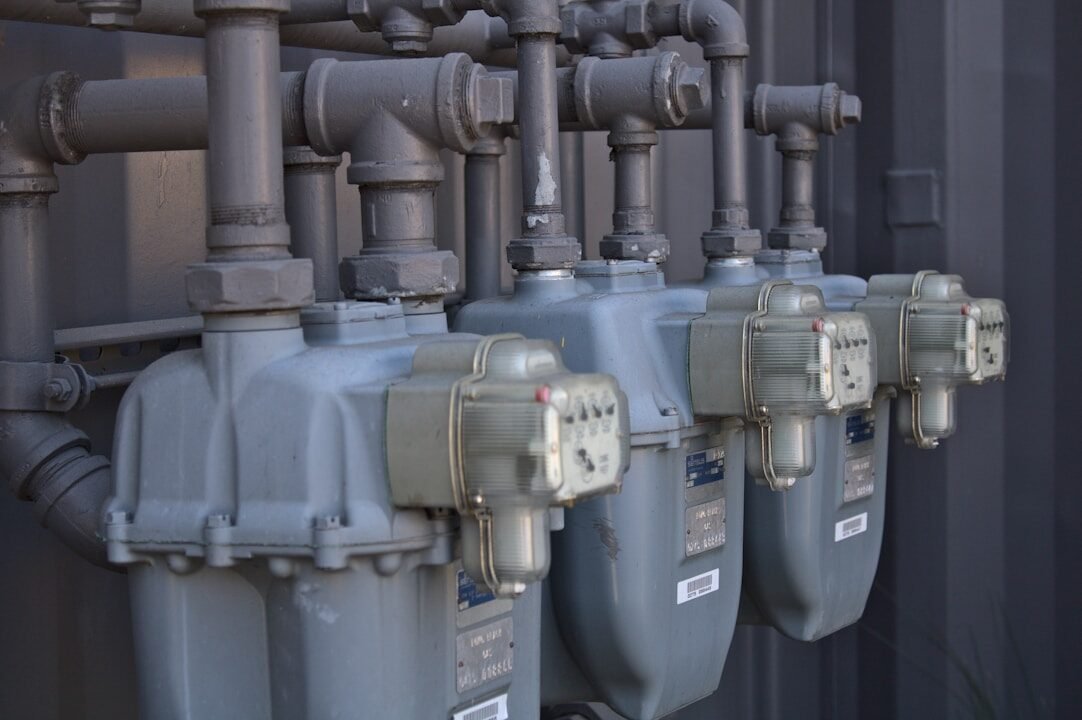
Utilities in Indiana are slightly below the national average. RentCafe says utilities are 5% lower than the U.S. average statewide. The user-provided data lists an average monthly electric bill of $130.90, compared with $136.84 nationally, and natural gas at $9.52 per thousand cubic feet, below the national figure of $12.92.
That said, Indiana weather still affects utility bills. Cold winters can raise heating costs, especially in older homes with poor insulation. Hot and humid summers can raise air-conditioning costs in Indianapolis, Evansville, Fort Wayne, South Bend, and other cities.
Newcomers should ask for recent winter and summer utility bills before renting or buying. An older, cheap house can become less affordable if heating and cooling costs are high.
Transportation costs depend on car ownership
Indiana is mostly car-dependent. Indianapolis has bus service, and some college towns are easier to navigate without a car, but most households need a vehicle for commuting, school, errands, and medical appointments.
The user-provided data says regular gas averaged $3.17 per gallon in Indiana as of August 2025, close to the U.S. average of $3.13. Auto insurance is a bright spot, with the supplied data listing Indiana’s average premium at $905.18, below the national average of $1,258.
For a household budget, transportation should include gas, insurance, registration, maintenance, tires, repairs, and loan payments. A cheaper home farther from work can still cost more if it requires a long daily commute.
Health care and child care can change the real budget

Health care is one of Indiana’s larger cost categories. The supplied BEA data estimates annual health care spending at $10,342 per person. Salary.com ranks Indiana No. 28 among states for overall health care access and affordability, which suggests the state is near the middle of the pack rather than extremely cheap or extremely expensive.
Employer-sponsored coverage can help. The user-provided data indicates that Indiana employees pay about $1,567 per year toward employer-sponsored health insurance, with employers covering the remaining $6,669 of the $8,236 total premium.
Child care is another major cost for families, though the user did not provide Indiana-specific child care figures. In general, families with infants or preschoolers should treat child care as one of the biggest monthly expenses after housing. Costs are usually higher in Indianapolis suburbs and university towns than in smaller communities.
Indiana taxes are friendly compared with those of many states
Indiana’s tax structure helps affordability. The Tax Foundation says Indiana’s flat individual income tax rate decreased to 2.95% as of January 1, 2026. Kiplinger’s 2026 Indiana tax guide also lists a 2.95% flat income tax rate, while noting that counties can impose local income taxes.
Indiana’s state sales tax is 7%, with no local sales taxes added. Property taxes are also moderate. AARP’s Indiana tax guide cites an average property tax rate of 0.76%, and Kiplinger lists the median property tax rate at 0.77% for 2026.
This mix can be attractive to workers and homeowners. Retirees should note that Social Security is exempt, but other retirement income may still be taxed depending on the source.
Best affordable places to live in Indiana
Indianapolis is the state’s largest city and offers the most diverse job market, airport access, sports, restaurants, hospitals, and neighborhoods. It remains affordable compared with most large U.S. metros.
Fort Wayne is one of the strongest value cities in Indiana, with lower rent than Indianapolis and a growing regional economy. Evansville can appeal to people who want a lower-cost city near the Ohio River. South Bend offers access to universities and regional health care. Lafayette and West Lafayette benefit from Purdue University, but housing demand can be stronger because of students and faculty.
Muncie, Terre Haute, Kokomo, Anderson, Richmond, and smaller towns are often better for buyers and renters focused mainly on affordability. The trade-off may be fewer jobs or a longer commute.
Is Indiana affordable in 2026?
Indiana is affordable in 2026 by national standards. Housing, rent, utilities, auto insurance, and taxes are all favorable compared with many states. The biggest budget concerns are health care, child care, winter utilities, and transportation for car-dependent households.
The best move is to compare city-level costs before relocating. Indianapolis offers opportunity, Fort Wayne offers strong value, and smaller Indiana cities often stretch income further. For many families, workers, and retirees, Indiana remains one of the Midwest’s most practical cost-of-living choices.
TLDR
- Indiana’s cost of living is 9% lower than the national average in 2026.
- Housing is Indiana’s biggest advantage, running about 22% below the U.S. average.
- Zillow listed Indiana’s average home value at $259,711 as of May 2026.
- Indianapolis remains affordable for a major metro, with an average home value of $233,674.
- Average Indianapolis apartment rent was $1,271, according to RentCafe.
- Indiana’s flat state income tax rate fell to 2.95% in 2026.
- Property taxes are moderate, with average rates around 0.76% to 0.77%.
- Fort Wayne, Evansville, South Bend, Muncie, Terre Haute, Kokomo, and Anderson are strong options for lower-cost living.