
Montana offers mountain views, open space, national parks, small-town communities, and fast-growing cities like Bozeman, Missoula, and Billings. But the cost of living in Montana is no longer the bargain many movers expect. Housing demand, tourism, remote work, and limited inventory have pushed parts of the state well above the national average.
MERIC’s first-quarter 2026 cost of living index placed Montana at 105.9, above the U.S. baseline of 100. The same index showed Montana housing at 113.2, groceries at 102.4, transportation at 103.9, health care at 106.3, and miscellaneous costs at 108.0. Utilities were the main bright spot, with an index of 80.2.
How much does it cost to live in Montana?
A strong starting point is consumer spending. Federal Reserve data based on U.S. Bureau of Economic Analysis figures show that Montana per capita personal consumption expenditures reached $58,499 in 2024, up from $55,210 in 2023. That includes spending on housing, utilities, health care, food, gasoline, energy goods, and other everyday purchases.
Income is the other side of the equation. The Census Bureau lists Montana’s median household income at $72,509 in 2024 dollars for 2020 to 2024, with per-capita income at $41,711 and a poverty rate of 10.2%. That means Montana can feel affordable for remote workers, retirees with assets, or higher earners, but harder for local workers in lower-wage service jobs.
Housing costs in Montana
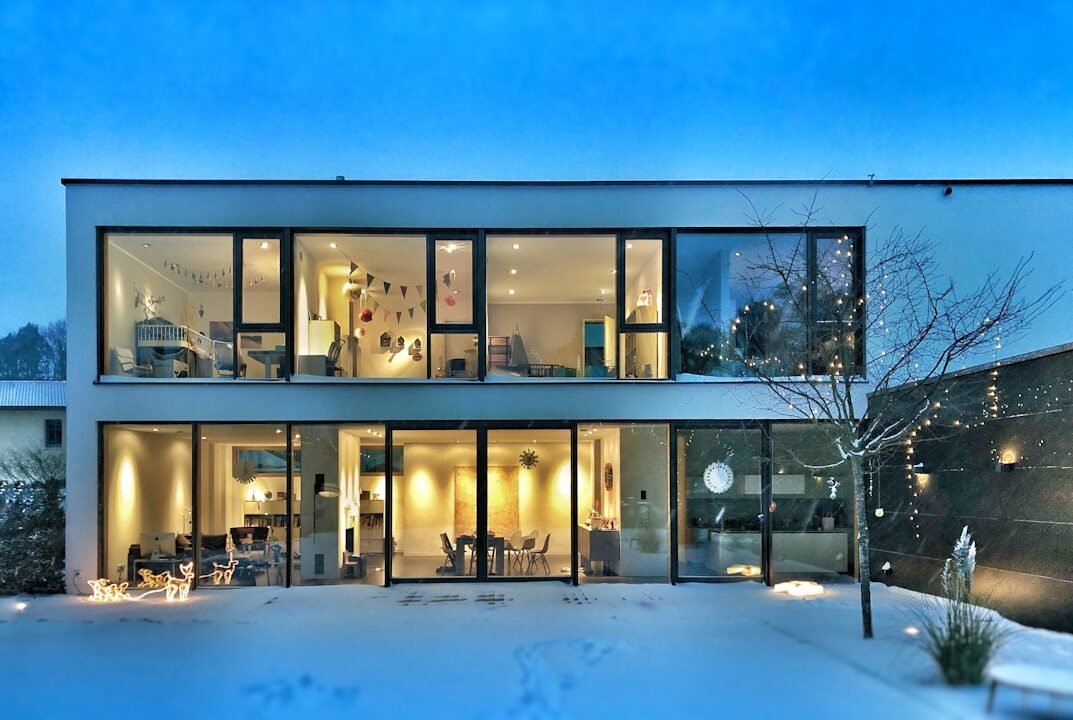
Housing is the biggest challenge for many Montana movers. Zillow reported the average Montana home value at $472,852 as of May 31, 2026, up 1.4% over the past year. Zillow also listed Montana’s median sale price at $478,090 in April 2026 and median list price at $574,333 in May 2026.
Those numbers explain why Montana feels expensive despite its rural image. Bozeman and Missoula often carry premium prices because they combine university life, outdoor access, job growth, and lifestyle demand. Billings, Great Falls, Helena, and smaller towns may offer better value, but even those markets have become more competitive than they were a decade ago.
Renters also face regional pressure. The source material listed Montana’s average rent at $1,429, below the national average of $1,639, but that statewide figure can mask sharp local differences. Apartments.com listings show Bozeman properties with one-bedroom rents commonly above $1,700 and $1,900, while some Billings listings are lower.
Food and grocery costs in Montana

Food costs in Montana are slightly above the national average, according to MERIC’s 2026 grocery index of 102.4. The source material estimated weekly food-at-home spending at $246.42, below the U.S. average of $270.21, but real grocery bills depend heavily on location.
Larger towns usually offer more competition, warehouse stores, and discount grocers. Rural areas may have fewer stores, longer drives, and higher prices for certain products. Dining out in Bozeman, Whitefish, Missoula, and tourist-heavy areas can push a monthly food budget higher, especially during peak travel seasons.
The best way to control food costs in Montana is simple. Cook at home, buy in bulk when possible, plan fewer long grocery trips, and use local produce when it is in season. Restaurant spending is where many budgets quietly climb.
Transportation costs in Montana
Transportation is another key part of the Montana cost of living. Public transit is limited outside certain city routes, and many residents need a reliable vehicle for work, school, groceries, medical appointments, and recreation. Long distances are normal, especially in rural and mountain areas.
Gas prices have risen above the older August 2025 figure in the source text. AAA listed Montana’s average regular gas price at $3.896 per gallon on July 9, 2026, compared with a national average of $3.846 that day.
Drivers should also budget for winter tires, windshield damage, gravel road wear, insurance, maintenance, and longer trips between towns. A cheaper home farther from work may not save much if it requires more fuel, time, and vehicle repairs each month.
Health care costs in Montana

Health care is another category where Montana is above average. MERIC’s 2026 index placed Montana health costs at 106.3, higher than the U.S. baseline. The source material said employees with employer-sponsored coverage in Montana contribute about $1,333 annually, with employers covering the larger share.
Access may matter as much as cost. Billings, Missoula, Bozeman, Great Falls, and Helena have stronger medical networks than remote communities. Rural residents may need to drive long distances for specialists, certain procedures, or emergency care. Anyone with ongoing medical needs should compare hospitals, provider networks, and travel time before choosing a town.
Utility costs in Montana
Utilities are one of Montana’s clearest advantages. EIA’s April 2026 electricity table showed Montana residential electricity at 13.90 cents per kilowatt-hour, below the U.S. total of 18.83 cents. Natural gas is also relatively low. EIA’s residential natural gas data listed Montana at $8.61 per thousand cubic feet in April 2026, compared with the U.S. figure of $18.17.
Still, usage matters. Montana winters can be long and cold, and older homes may need heavy heating. Renters should ask whether heat is included. Buyers should check insulation, windows, furnace age, roof condition, and average winter bills before making an offer.
Taxes in Montana
Montana has one major tax advantage. It does not have a state sales tax, which helps residents avoid extra costs on many everyday purchases. The Tax Foundation also lists Montana’s effective property tax rate on owner-occupied housing at 0.61%.
Income taxes still matter. AARP’s 2026 Montana tax guide says Montana has two income tax brackets, with rates of 4.7% and 5.9%, and no state sales tax. Homeowners should also watch property tax changes. Montana’s Department of Revenue says a new 2026 property tax structure distinguishes primary residences and long-term rentals from second homes and short-term vacation properties.
Is Montana affordable for newcomers?
Montana is affordable in some ways and expensive in others. Utilities are low, sales tax is absent, and outdoor recreation can be inexpensive. But housing, health care, transportation, and tourist-area prices make the state more costly than its rural image suggests.
Montana works best for people who value space, outdoor access, and lifestyle enough to pay more for housing. It may be harder for buyers expecting cheap land near popular cities or renters relying on local wages.
The bottom line is clear. Montana is no longer a low-cost secret. It can still be worth it, but only if your budget accounts for housing, driving, winter bills, health care access, and the sharp difference between Bozeman prices and smaller-town Montana.
TL;DR
- Montana’s 2026 cost of living index is 105.9, above the U.S. baseline of 100.
- BEA-based data shows Montana residents spent $58,499 per person in 2024.
- Zillow listed the average home value in Montana at $472,852 in May 2026.
- Housing is the biggest pressure point, especially in Bozeman, Missoula, and popular mountain towns.
- AAA listed Montana regular gas at $3.896 per gallon on July 9, 2026, slightly above the U.S. average.
- Utilities are a major bright spot, with Montana electricity and natural gas prices below U.S. averages in April 2026.
- Montana has no state sales tax, but income taxes, housing costs, and rural access issues still require careful planning.