


Hawaii is beautiful, but the price of paradise is real. For anyone thinking about moving to Honolulu, Oahu, Maui, Kauai, or the Big Island, the cost of living in Hawaii in 2026 should be the first serious budget question. Warm weather, beaches, mountains, ocean views, and island culture are major draws, but everyday costs are far above what most mainland households are used to paying.
World Population Review lists Hawaii as the most expensive state in the U.S. in 2026, with a cost-of-living index of 185 when the national average is 100. That means Hawaii is not just slightly expensive. It is in its own category, driven mostly by housing, groceries, utilities, and transportation.
The short answer is simple: Hawaii can be affordable only with a strong income, family housing support, remote work pay, military benefits, or careful budgeting. Without one of those advantages, the math can become difficult quickly.
Why does Hawaii cost so much to live in

Hawaii’s high cost of living starts with geography. The islands are thousands of miles from the continental U.S., so many goods must be shipped or flown in. That raises prices for groceries, fuel, furniture, vehicles, building materials, appliances, and household basics.
Housing is the biggest driver. Land is limited, zoning and infrastructure constraints slow construction, and demand remains strong from local residents, military families, remote workers, retirees, investors, and mainland buyers. Oahu, Maui, and Kauai are especially expensive because desirable land is scarce.
If housing is removed from the calculation, Hawaii still costs more than the mainland, but the gap narrows. The real budget shock usually comes from rent, mortgage payments, electricity, groceries, and insurance, all hitting at the same time.
Rent in Hawaii depends heavily on the island
Rent is one of the first numbers newcomers check. In Honolulu, rent varies widely by data source, neighborhood, property type, and whether the unit is a condo, apartment, or single-family home.
Apartments.com listed Honolulu studio rents at $1,574 per month, one-bedroom apartments at $1,756, two-bedroom apartments at $2,253, and three-bedroom apartments at $3,608 or more as of July 2026. RentCafe’s Honolulu data showed an average apartment rent of $2,131, with studios at $1,859, one-bedroom units at $2,302, and two-bedroom units at $2,593.
Zillow’s Honolulu rental data shows even higher asking rents, with average rent around $3,000, studio rent around $1,900, one-bedroom rent around $2,556, and two-bedroom rent around $3,300. The range shows why renters should compare live listings rather than just statewide averages.
Buying a home in Hawaii requires a large income
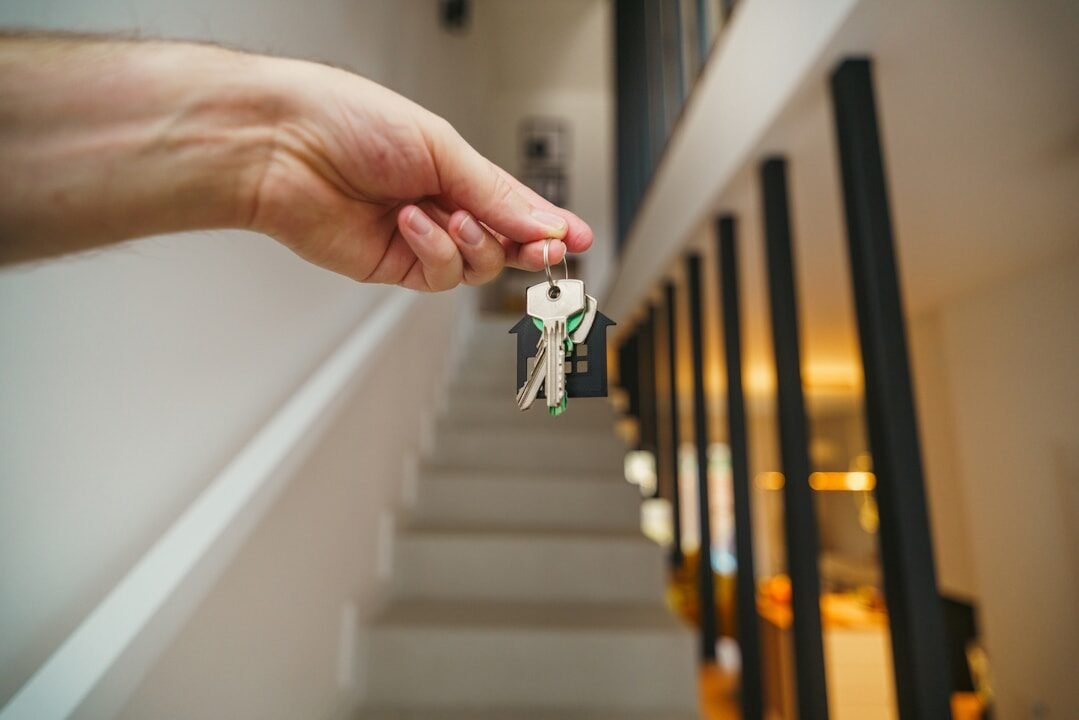
Buying in Hawaii is even harder than renting. The Honolulu Board of REALTORS reported that Oahu’s median single-family home price was $1,166,000 in May 2026, while the condo median price was $520,000. Locations in Hawaii reported similar May 2026 figures, with the Oahu median home price at $1,170,500 and the condo median price at $520,000.
That means a buyer needs far more than a down payment. Monthly costs include principal, interest, property taxes, homeowners’ insurance, hurricane coverage where needed, maintenance, HOA or condo fees, utilities, and repairs.
Condos are often the more realistic entry point on Oahu, especially in Metro Honolulu, Kakaako, Ala Moana, Waikiki, Makiki, and nearby urban areas. Single-family homes offer more space, but the price gap is enormous. On Maui and Kauai, single-family prices can also be extremely high because supply is limited and demand remains strong.
Electricity is one of Hawaii’s hidden budget shocks
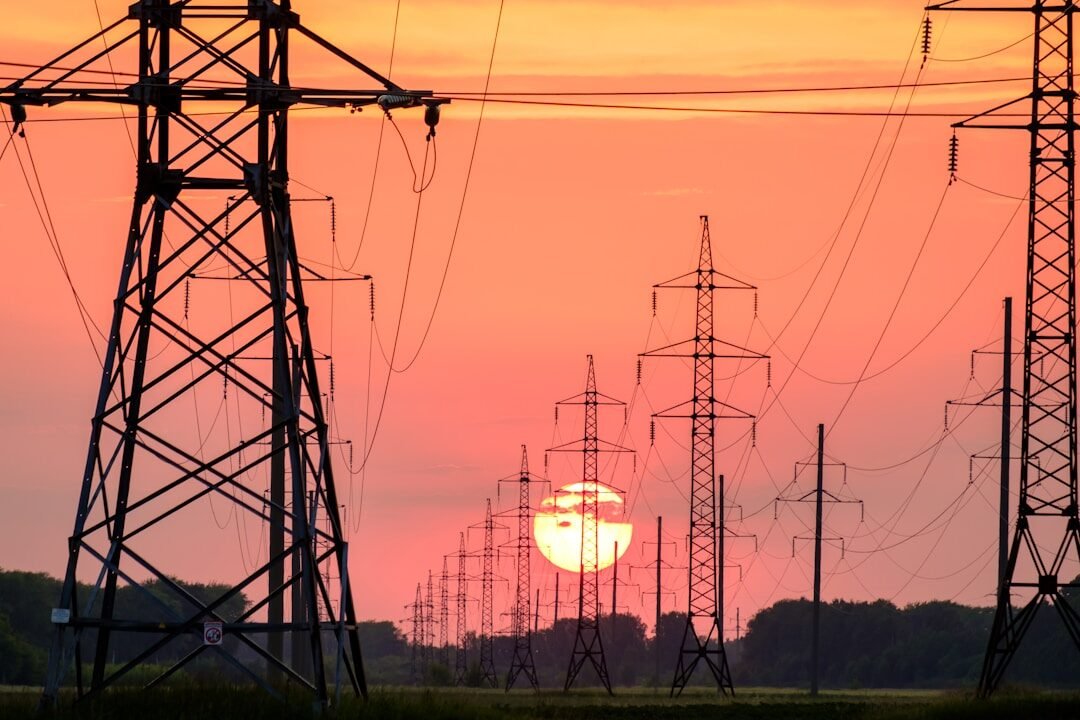
Electricity is one of the most painful monthly costs in Hawaii. Hawaiian Electric publishes average electricity prices by island and customer class, and Hawaii rates remain far above mainland levels due to fuel costs, grid structure, and reliance on imported energy.
Civil Beat reported that Oahu residential customers pay roughly 43 cents per kilowatt-hour, more than twice the national average cited in the article. ElectricChoice reported Hawaii’s average residential rate at 46.62 cents per kWh as of June 2026, the highest in the U.S.
A small apartment without heavy air conditioning may run $80 to $150 per month. A house with moderate air conditioning can easily run $200 to $300. Larger homes with heavy AC use can reach $400 to $600 or more. Rooftop solar can dramatically reduce bills, which is why many Hawaii buyers closely examine solar ownership, battery systems, and net metering status.
Groceries are far above mainland prices

Groceries are another major budget category. Many food items are imported, and the shipping costs are added to the register total. Milk, eggs, bread, meat, produce, snacks, and household goods can all cost noticeably more than in most mainland states.
A gallon of milk can often cost $6 to $8, eggs may run $6 to $9 a dozen, and meat can be especially expensive. Monthly grocery costs can easily reach $500 to $700 for a single adult, $900 to $1,300 for a couple, and $1,400 to $2,200 for a family of four, depending on diet and shopping habits.
Locals often reduce food costs by using Costco, farmers’ markets, Don Quijote, Marukai, Foodland sales, bulk buying, and locally grown produce when available. Eating out is also expensive, with casual meals often around $20 to $30 per person and mid-range dinners for two commonly reaching $100 or more.
Transportation costs are high, but driving distances can be shorter
Transportation in Hawaii is mixed. Gas is expensive because fuel must be shipped in, and vehicle purchase prices, registration, insurance, repairs, and parts can cost more than many mainland residents expect.
On Oahu, TheBus and Skyline rail can help some commuters. TheBus is useful in urban Honolulu and other parts of Oahu, but most residents still need a car, depending on where they live and work. Parking can also be expensive in downtown Honolulu, Waikiki, Kakaako, and dense condo areas.
The one advantage is distance. Many Oahu commutes are not long in miles, even when traffic makes them slow. Living near work can reduce gas use and make island life much easier.
Taxes are mixed, with low property taxes but high income taxes
Hawaii does not have a traditional sales tax. Instead, it uses a General Excise Tax, often called GET. Oahu’s effective GET rate is 4.5%, while other counties are generally lower unless surcharges apply. GET is broad and applies to many goods and services.
State income taxes are more painful. Hawaii has graduated income tax brackets that can reach high rates for upper-income households. That matters for professionals earning strong salaries to afford the state.
Property taxes are the bright spot. Oahu residential property tax rates are low by national standards, and primary residence exemptions can reduce the bill. A high-priced home may still have a property tax bill that looks modest compared with California, Texas, New Jersey, or New York.
How much salary do you need to live comfortably in Hawaii?

A realistic comfort budget in Hawaii depends on the island, housing, family size, debt, and lifestyle. In Honolulu, a single adult often needs an annual income of around $85,000 to $100,000 to live comfortably without relying on roommates or family housing. A couple may need $130,000 to $160,000 in combined funds.
A family of four on Oahu may need $150,000 to $200,000 combined to cover rent or mortgage, groceries, utilities, transportation, insurance, child costs, and modest savings. On the Big Island, the comfort number can be lower, but wages, job access, and medical access may also differ.
Can people live on less? Yes. Many local families do it through multigenerational housing, family-owned homes, shared expenses, military housing, disciplined shopping, and avoiding lifestyle inflation. New arrivals without local support usually face a much tighter budget.
Is living in Hawaii worth the cost?
Hawaii is worth it for people who truly value island life. Beaches, hiking, ocean access, cultural diversity, weather, food, and community can create a lifestyle that is hard to match anywhere else in the U.S.
But Hawaii is not financially forgiving. The dream works best when the income plan is solid before the move. Anyone relocating should price rent, utilities, groceries, taxes, insurance, transportation, and flights back to the mainland before committing.
The clearest advice is this: visit first, budget honestly, compare islands, and do not assume mainland spending habits will work in Hawaii. Paradise is possible, but only if the numbers work.
TLDR
- Hawaii is the most expensive U.S. state in 2026, with a cost-of-living index of around 185.
- Housing is the biggest expense, with Oahu’s median single-family home price around $1.17 million in May 2026.
- Honolulu rent varies widely, but one-bedroom apartments commonly range from about $1,756 to more than $2,500, depending on source and location.
- Hawaii has the highest electricity rates in the U.S., with Oahu residential rates often around 43 cents per kWh or higher.
- Groceries can cost 50% or more above many mainland markets because most food is imported.
- A single adult on Oahu may need around $85,000 to $100,000 to live comfortably.
- A family of four on Oahu may need $150,000 to $200,000 combined for a comfortable lifestyle.
- Hawaii has low property taxes but high income taxes and a broad General Excise Tax.
- Hawaii can be worth it for the island lifestyle, but only with a high income, careful budgeting, or local family support.