

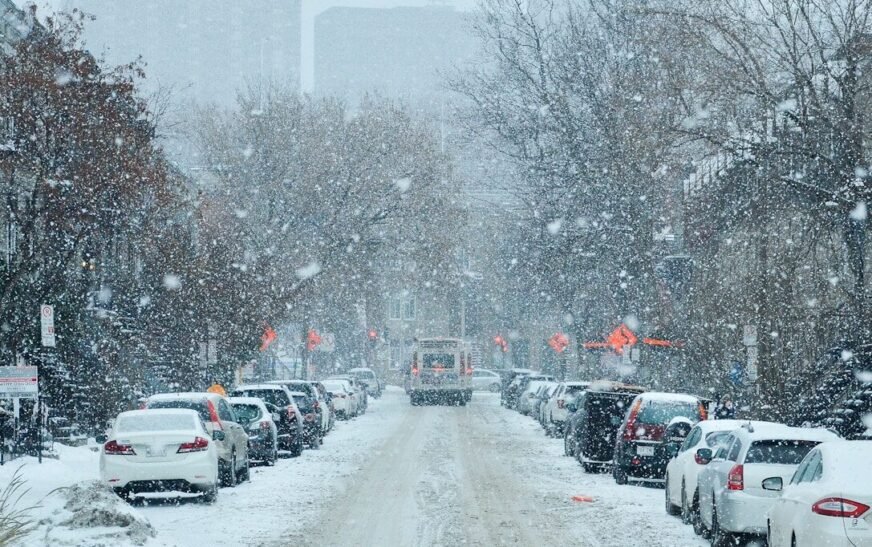
A rare burst of July snow created hazardous travel conditions along one of Alaska’s most remote highways, briefly bringing a taste of winter to the Central Brooks Range.
The National Weather Service issued a Winter Weather Advisory covering Atigun Pass, Galbraith Lake, Anaktuvuk Pass, and the Dalton Highway from milepost 232 to milepost 322. The alert warned of snow, blowing snow, and a light coating of ice before expiring on July 27, 2026.
The event did not represent a nationwide winter weather threat. It was a localized high-elevation weather episode in northern Alaska, where snow and ice can occur at any time of year.
Atigun Pass received a wintry forecast

Forecasters expected total snow accumulations ranging from 2 to 6 inches across the Central Brooks Range.
The highest amounts were expected along parts of the Dalton Highway near Atigun Pass and Sagwon. A light glaze of ice was also possible, creating difficult travel conditions on exposed and elevated road sections.
Alaska 511 posted a warning about freezing temperatures, snow, and ice around Atigun Pass on July 27. Motorcycle travel was discouraged, and some vehicles were advised to carry or use chains.
The advisory later expired
The winter weather alert ended as precipitation weakened and the immediate risk of meaningful additional accumulation declined.
Later forecasts focused more on rain moving through the Brooks Range rather than another major snow event. Official discussions indicated periods of rain and warmer conditions in the days following the late-July cold spell.
Drivers still needed to check current conditions because an expired advisory does not guarantee that every stretch of pavement is dry or free of ice.
Summer snow is possible in northern Alaska
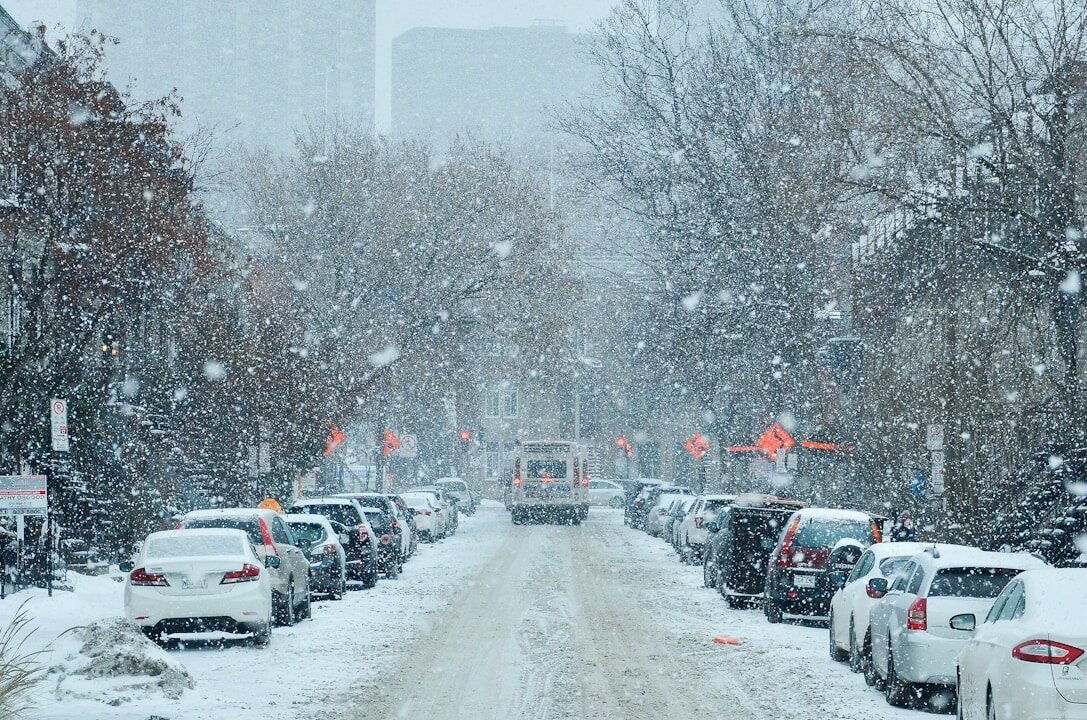
Atigun Pass sits high in the Brooks Range, where Arctic air, elevation, and rapidly changing weather can produce snow even during summer.
The Bureau of Land Management warns travelers that snow and ice can occur north of Coldfoot during any month. Its Dalton Highway guide also notes that average summer temperatures near Deadhorse are often only in the 30s and 40s.
Long daylight hours do not guarantee warm conditions. Clouds, wind, cold air, and elevation can push temperatures toward freezing despite the midsummer calendar.
Hidden ice can remain dangerous
Snow or rain can freeze when road and air temperatures drop below 32 degrees, especially around bridges, shaded curves, and mountain passes.
Black ice may resemble ordinary wet pavement, making it difficult to recognize before a vehicle loses traction. Drivers should reduce speed, leave extra space, and avoid hard braking or sudden steering.
Automated snow measurements can help show general conditions, but the National Weather Service warns that readings are provisional. Blowing snow, vegetation, and equipment problems can produce inaccurate results.
The Dalton Highway requires preparation
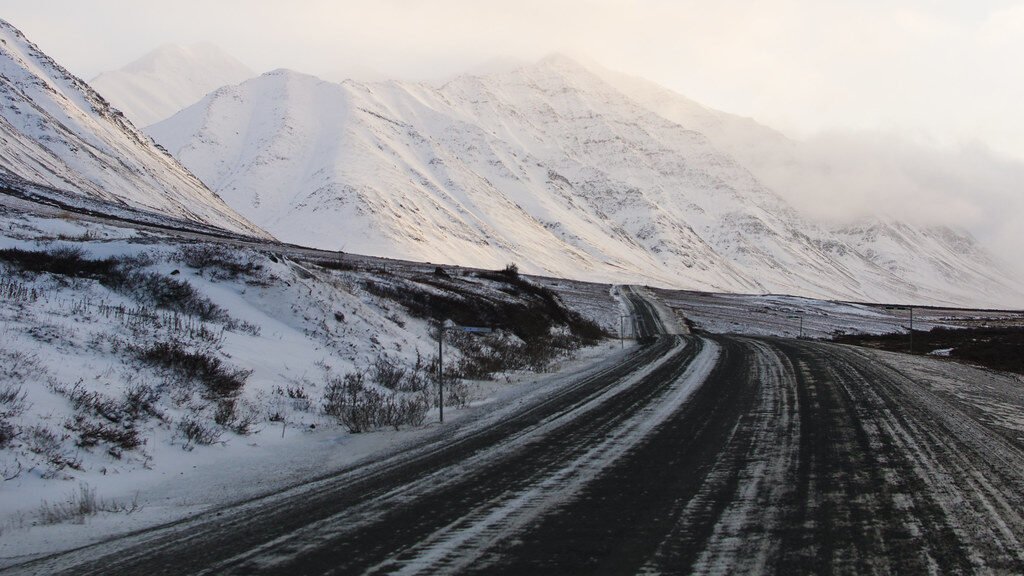
The Dalton Highway stretches 414 miles from near Livengood to Deadhorse and passes through long stretches with limited access to fuel, repairs, food, lodging, and cellphone service.
Atigun Pass is located around milepost 244 and is roughly an 8-hour drive from Fairbanks under ideal conditions. Bad weather, construction, wildlife, and road conditions can make the trip considerably longer.
Travelers should carry warm, waterproof clothing, food, water, emergency supplies, a full-size spare tire, basic tools, and enough fuel to reach the next available service.
Gravel makes bad weather worse
Much of the Dalton remains gravel rather than an ordinary paved highway.
Rain and melting snow can soften the surface, fill potholes, and reduce traction. Large commercial trucks may throw gravel, mud, or slush, while stopping distances can increase on wet or icy sections.
Drivers should slow down before curves, avoid following trucks closely, and check tires, brakes, lights, fluids, and windshield wipers before entering the most remote part of the route.
Travelers should rely on live updates
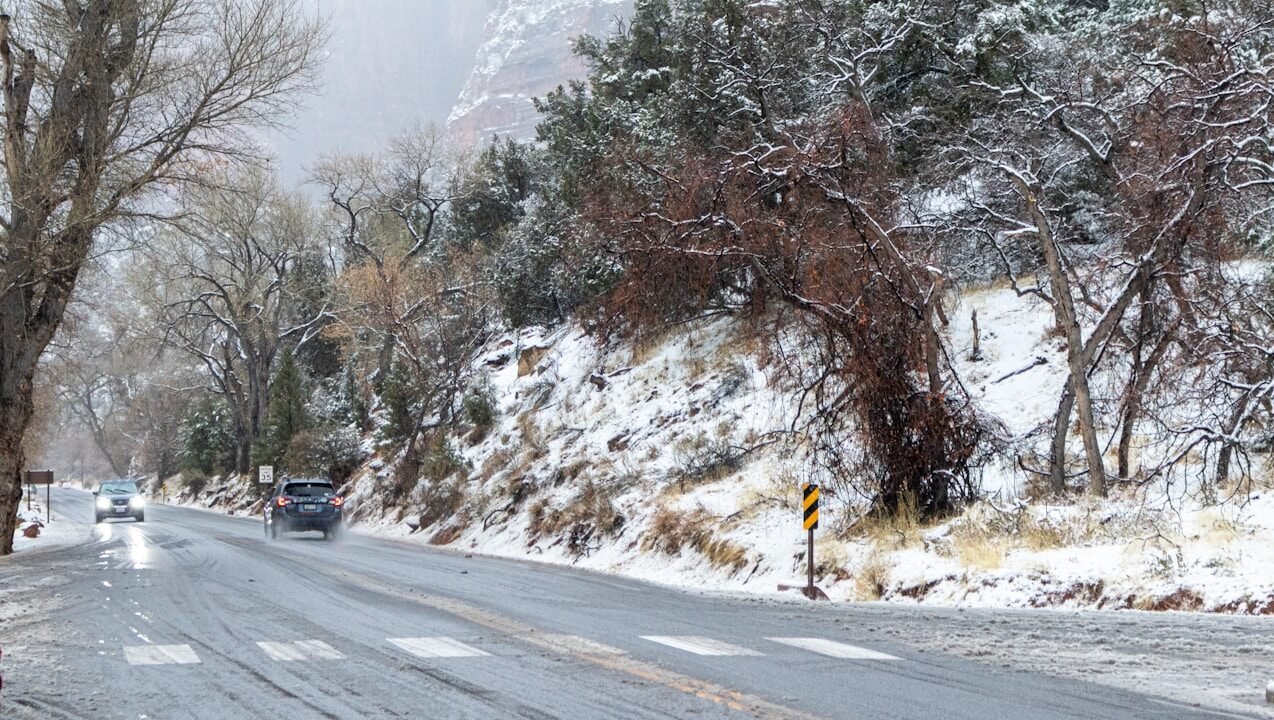
Weather and road conditions can change faster than older news reports or social media posts.
Alaska 511 provides current highway alerts, road conditions, incidents, and camera images where available. The National Weather Service issues updated forecasts and advisories for the Central Brooks Range.
Travelers should check both services shortly before departure and again when stopping for fuel or food. An advisory that has expired should not be treated as proof that the entire route is safe.
TL;DR
- Rare July snow affected the Central Brooks Range in northern Alaska.
- The advisory covered Atigun Pass and Dalton Highway mileposts 232 through 322.
- Forecast snowfall ranged from 2 to 6 inches, with a light glaze of ice possible.
- Alaska 511 warned of freezing conditions and discouraged motorcycle travel.
- The winter advisory expired as the immediate snow threat weakened.
- Officials did not forecast another major winter weather round immediately afterward.
- Snow and ice can occur along the northern Dalton Highway during any month.