


A new federal rule could send some asylum applicants directly into immigration court without the personal interview that has traditionally been part of the affirmative asylum process.
The Department of Homeland Security began allowing U.S. Citizenship and Immigration Services to refer certain applications to immigration judges on July 28, 2026. The rule applies immediately to both pending applications and cases filed after that date.
Supporters say the change will reduce a large USCIS backlog and let asylum officers focus on stronger or more complex cases. Immigration attorneys warn that applicants may lose an important nonadversarial opportunity to explain trauma, filing delays, and confusing evidence before facing removal proceedings.
USCIS can now skip some interviews

People who are physically present in the United States and not already in removal proceedings can generally seek affirmative asylum by filing Form I-589 with USCIS.
Previously, an asylum officer would normally interview the applicant before granting the case or referring it to immigration court. Under the new interim final rule, USCIS may refer certain applications without first conducting the interview.
USCIS must still interview an applicant before directly granting or denying asylum. The bypass applies to referrals, which move the case into the immigration court system.
Late applications face particular scrutiny
Federal law generally requires an asylum application to be filed within 1 year of the applicant’s arrival in the United States.
Exceptions may apply when changed conditions affect the person’s eligibility or extraordinary circumstances help explain the delay. Applicants must also generally file within a reasonable period after those circumstances occur.
DHS identified 444,724 pending affirmative applications that may be subject to the one-year deadline, representing about 31% of its fiscal 2025 backlog. That number describes potentially affected cases, not confirmed referrals or deportation orders.
Other cases may also be referred

Late filing is the largest clearly identified category, but it is not the only one covered by the rule.
USCIS may also bypass interviews when the written application appears to involve a mandatory asylum bar, a discretionary concern, or a claim that does not establish basic legal eligibility, even if the stated facts are accepted.
The rule does not require officers to refer every case that raises one of these issues. USCIS retains discretion over which applications are moved directly to court.
Court referral is not an automatic removal
A referral places the applicant in removal proceedings before the Executive Office for Immigration Review, an administrative court system within the Justice Department.
The person may still pursue asylum before an immigration judge. Depending on the facts, the applicant may also seek withholding of removal or protection under the Convention Against Torture.
The process is more adversarial than a USCIS interview because a Department of Homeland Security attorney may challenge the application. A referral itself does not mean the person has lost the case or will be deported immediately.
Applicants may lose a useful setting

Affirmative asylum interviews are generally designed as nonadversarial meetings with specially trained USCIS officers.
Applicants can explain why they fear returning home, clarify inconsistencies, discuss sensitive experiences, and answer questions about missing documents or delayed filing. They may bring an attorney or accredited representative at their own expense.
Immigration advocates argue that written applications do not always capture trauma, translation problems, memory gaps, or cultural differences. Skipping the interview could therefore make it harder for some applicants to correct misunderstandings before entering court.
Judges may end legally insufficient cases
The Board of Immigration Appeals ruled in Matter of H-A-A-V- that an immigration judge may pretermit asylum, withholding of removal, or Convention Against Torture claims without a full evidentiary hearing in limited circumstances.
That can occur when the applicant’s allegations, viewed in the most favorable light, still do not establish basic legal eligibility and no material factual dispute requires testimony.
The decision does not authorize automatic dismissal of every weak, incomplete, or disputed claim. Applicants must receive a reasonable opportunity to present evidence and explain their legal position.
Backlogs may shift between agencies
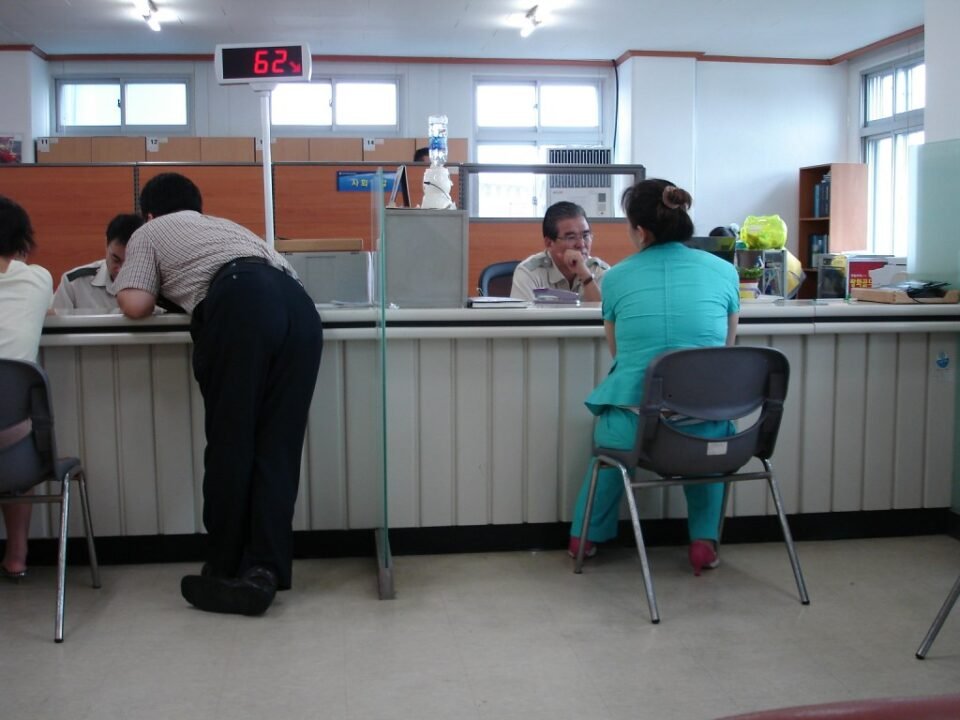
DHS says the rule will reduce the affirmative asylum backlog, save asylum officers’ time, and shorten the overall processing time for some cases.
The department estimated that approximately 132,167 future applicants each year could potentially fall within the rule’s broader categories. That projection does not mean all of them will be referred without interviews.
The policy may reduce work at USCIS while adding cases to immigration courts that already face millions of pending matters. For affected applicants, legal representation, updated addresses, complete evidence, and strict attention to court notices may become even more important.
TL;DR
- The new asylum rule took effect on July 28, 2026.
- USCIS may refer certain affirmative asylum cases to immigration court without first holding an interview.
- Late filing under the 1-year deadline is the largest clearly identified category.
- DHS identified 444,724 pending applications that may be affected by the deadline.
- The figure does not represent completed referrals, denials, or deportation orders.
- Applicants may still present asylum and other protection claims before an immigration judge.
- Judges can end legally insufficient claims early, but disputed factual cases may still require full hearings.