
President Donald Trump has renewed the debate over grocery affordability after saying food prices were coming down across the United States.
During an August 4, 2026, Fox News interview, Trump said he inherited very high costs and that “the food, the groceries” were now coming down. Federal inflation data available at the time showed a more complicated picture.
Some products, particularly eggs, had become substantially cheaper. But overall, grocery prices remained higher than a year earlier, while beef, vegetables, sweets, and several beverages continued to put pressure on household budgets.
Grocery prices remained higher overall
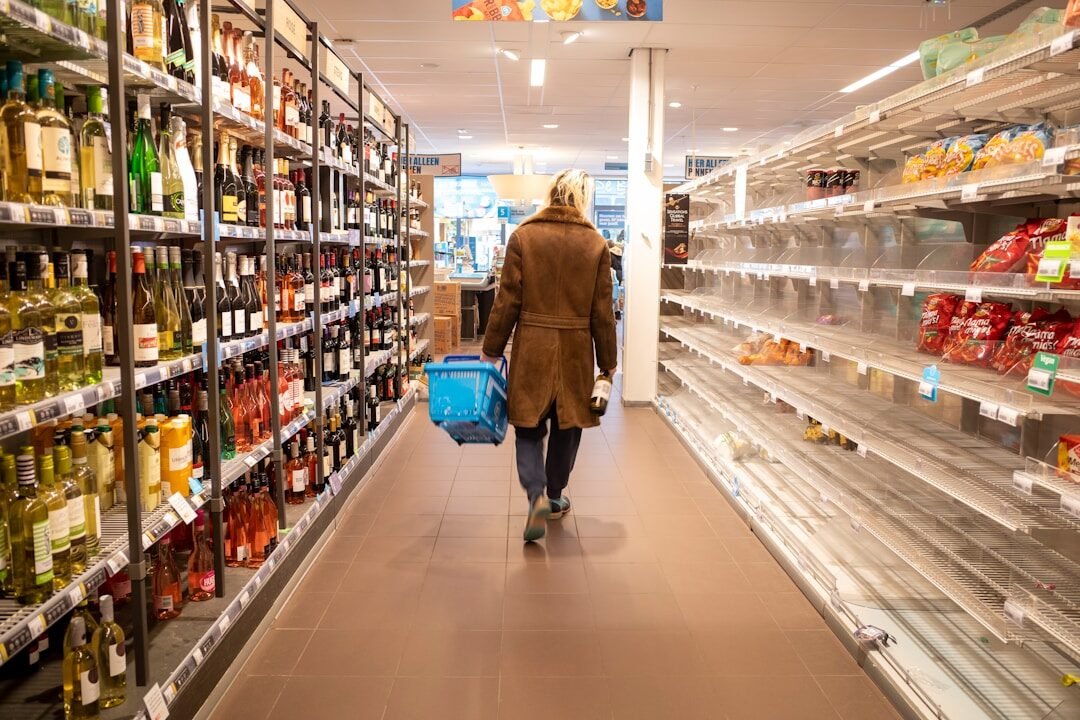
The Consumer Price Index showed that food purchased for home consumption was 2.7% more expensive in June 2026 than in June 2025.
Grocery prices also increased 0.2% between May and June. Food away from home, which includes restaurant meals, was 3.4% more expensive than a year earlier.
Those figures do not support the idea that grocery prices were broadly falling when Trump made his statement.
Inflation had slowed compared with some earlier periods, but slower inflation still means prices are increasing, just at a slower pace.
Eggs became a major exception
Eggs provided one of the clearest examples of genuine price relief.
USDA reported that retail egg prices in June were 27.9% lower than a year earlier. The agency projected that average egg prices would fall about 30.7% during 2026 as production recovered from disruptions caused by highly pathogenic avian influenza.
That reversal can be noticeable for shoppers because egg prices had risen sharply during previous outbreaks.
Still, eggs represent only one portion of a household’s grocery spending. Falling prices in one aisle do not necessarily offset increases elsewhere.
Beef remains much more expensive
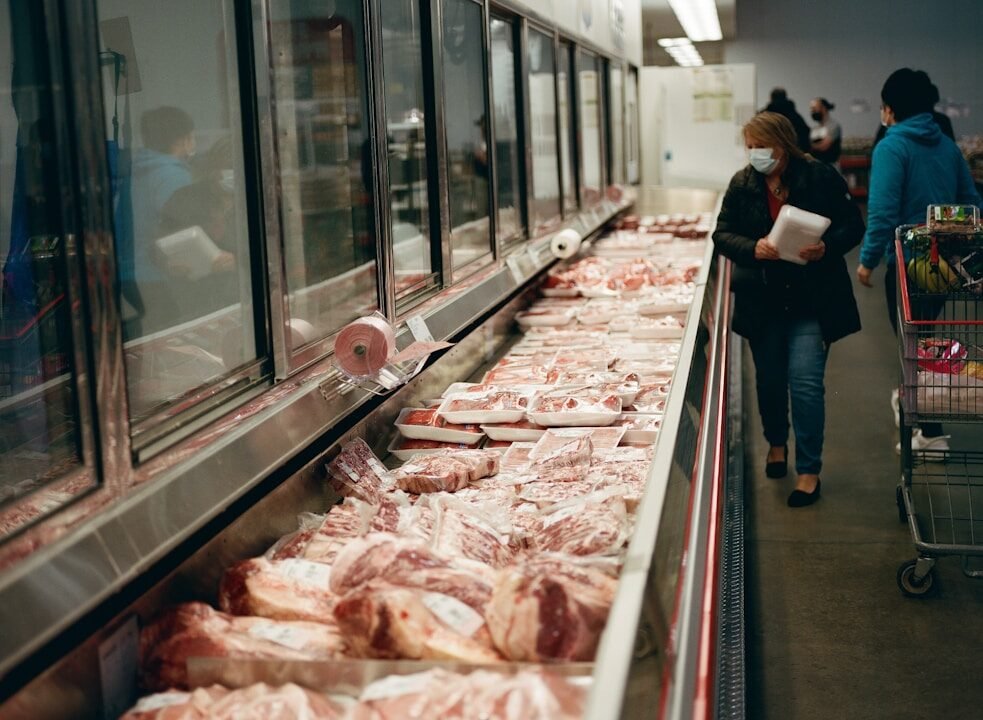
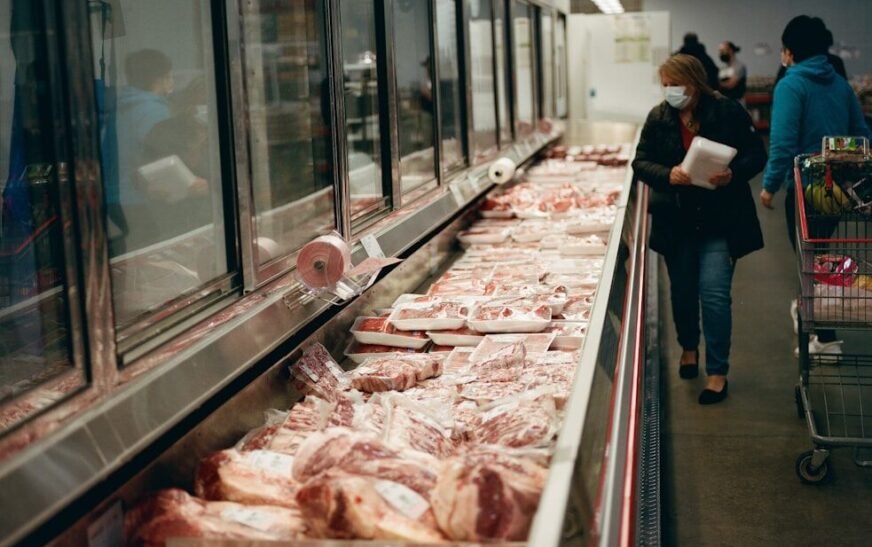
Beef continues to create one of the largest pressures at the grocery store.
USDA reported that beef and veal prices were 11.8% higher in June than a year earlier. The agency projected an average increase of 10.7% for 2026.
A shrinking cattle herd has contributed to tight supplies. USDA said the U.S. cattle herd had fallen to its lowest level in 75 years, while wholesale beef prices remained unusually high.
Families regularly buying ground beef, steaks, or roasts can therefore face rising costs even while eggs and some other products become cheaper.
Fresh vegetables are another pressure point
Produce prices have also remained uneven.
USDA said fresh vegetable prices were 9.9% higher in June than a year earlier, despite falling 1.2% from May. Lettuce was 32.1% more expensive year over year, while tomato prices were up 19.5%.
The agency projected fresh vegetable prices would increase an average of 6.8% during 2026.
Weather, growing conditions, transportation expenses, labor, and regional supply can cause individual produce prices to move sharply even when broader grocery inflation changes more slowly.
Sweets and drinks also cost more
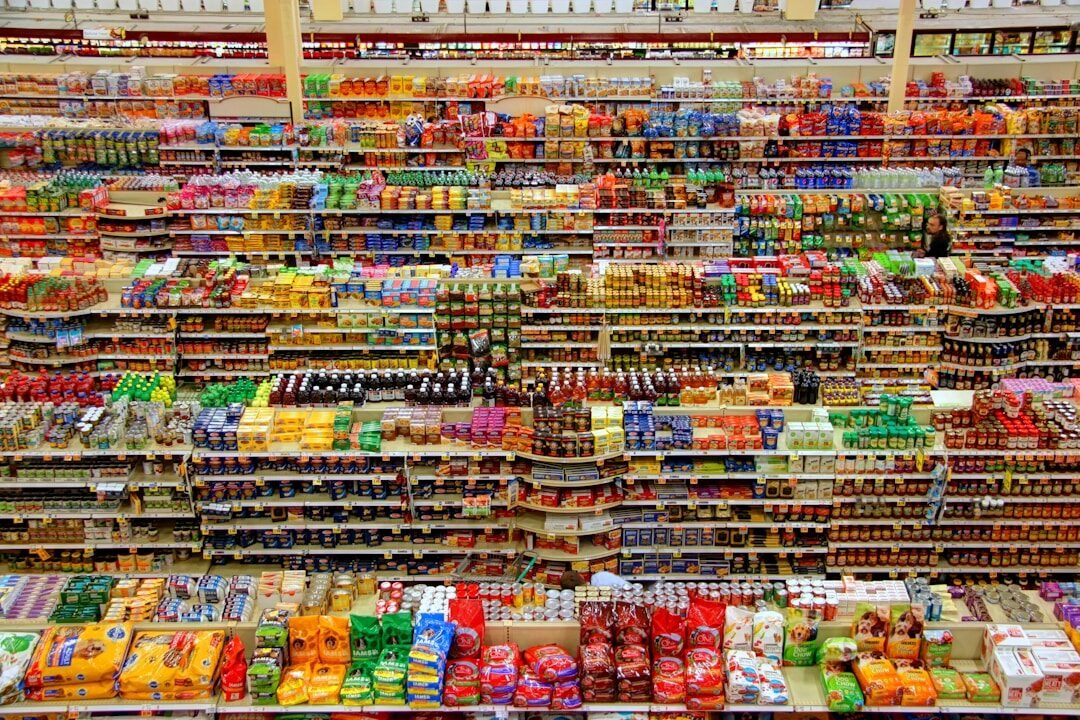
Sugar and sweets were 6.9% more expensive in June than a year earlier.
USDA projected an average 7.2% increase for that category during 2026, with candy and chewing gum among the products contributing to the rise.
Nonalcoholic beverages were up 2.9% year over year, according to federal inflation data. Coffee, tea, juice, soda, and related products can follow different price trends depending on agricultural supplies and international markets.
These increases help explain why many shoppers may not recognize broad political claims about falling grocery costs in their own weekly bills.
Inflation and prices are different
Much of the political disagreement comes from confusing a lower inflation rate with lower prices.
If grocery inflation falls from 6% to 2.7%, grocery prices are still increasing. They are simply rising more slowly than before.
Prices actually fall when the inflation rate for a product or category becomes negative. Eggs are an example because their year-over-year price change had turned sharply negative.
Overall grocery prices had not done that when Trump made his August 4 statement.
Newer data show some monthly relief

The picture improved somewhat after Trump’s interview.
July inflation data released on August 12 showed that grocery prices declined during the month, helping hold overall consumer inflation to a modest 0.1% monthly increase.
That newer decline provides evidence of short-term grocery relief, but it does not mean the broader affordability problem has disappeared. Reuters reported that grocery prices remained about 3.4% higher than when Trump began his second term in January 2025.
For households, the important question is not simply whether inflation is slowing but whether paychecks are gaining enough purchasing power to cover food, housing, energy, and other necessities.
TL;DR
- Trump said on August 4 that food and grocery prices were coming down.
- The latest available June data showed grocery prices were still 2.7% higher than a year earlier.
- Egg prices were a major exception, falling 27.9% year over year in June.
- Beef and veal prices were 11.8% higher than a year earlier.
- Fresh vegetable prices were up 9.9%, while sugar and sweets increased 6.9%.
- July data later showed a monthly decline in grocery prices.
- Slower inflation does not necessarily mean shoppers are paying less than they did a year ago.