

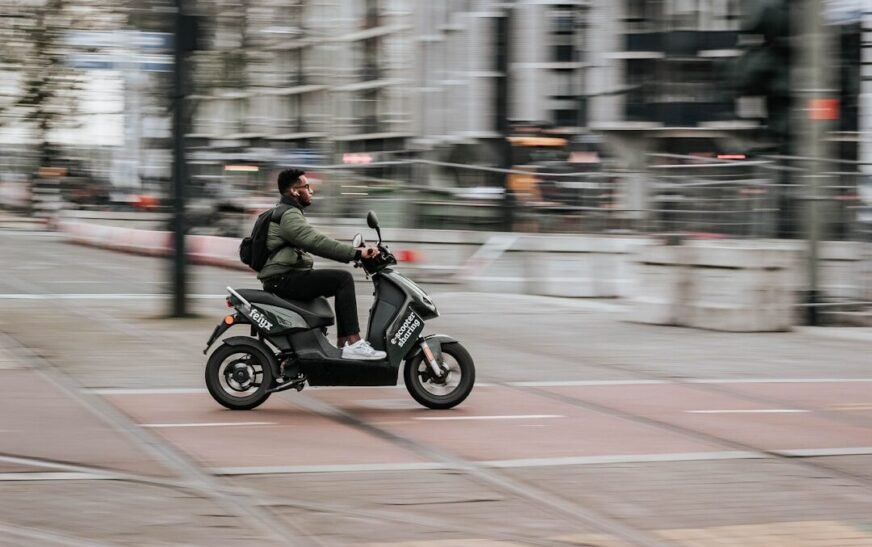
New York City is escalating its crackdown on illegal high-speed e-bikes and scooters by targeting the companies selling them online.
Mayor Zohran Mamdani announced cease-and-desist orders against 42 online retailers on August 5, 2026. The group includes major names such as Amazon, Walmart, Target, Best Buy, Wayfair, Temu, and Segway, as well as smaller micromobility sellers.
The orders require retailers to stop selling prohibited devices to customers across New York City’s 175 ZIP codes. Companies that continue to make illegal sales after the compliance deadline could face civil penalties of up to $2,000 per transaction.
NYC put 42 retailers on notice

The enforcement effort focuses on online listings for motorized devices that cannot legally be sold or operated on New York City streets.
City officials say online shopping has made it easy for customers to buy vehicles marketed as e-bikes or scooters, even when their specifications place them outside those legal categories.
The city gave the targeted retailers until August 18 to comply with the cease-and-desist demands. The action does not mean every company has already been fined or found liable in court.
Speed and weight determine legality
New York City distinguishes legal e-bikes and scooters from faster and heavier motorized vehicles.
A powered bicycle must be no more than 36 inches wide, have an electric motor rated below 750 watts, and have a maximum speed of no more than 25 mph. An e-scooter must weigh less than 100 pounds and have a maximum capable speed of 20 mph.
Devices exceeding those product limits may fall into another vehicle category or be illegal for street use if they cannot be properly registered.
Riding speeds are even lower
The maximum capability of a legal device is different from the speed a rider may actually travel on New York City streets.
The city currently limits e-bike, pedal-assist bicycle, and e-scooter riders to 15 mph. A Class 1 or Class 2 e-bike may be designed to provide assistance up to 20 mph, while a Class 3 e-bike may be capable of 25 mph, but the citywide riding limit remains 15 mph.
This distinction can confuse buyers who assume a device legal to purchase at a certain maximum capability can always be ridden at that speed.
Mopeds face registration requirements
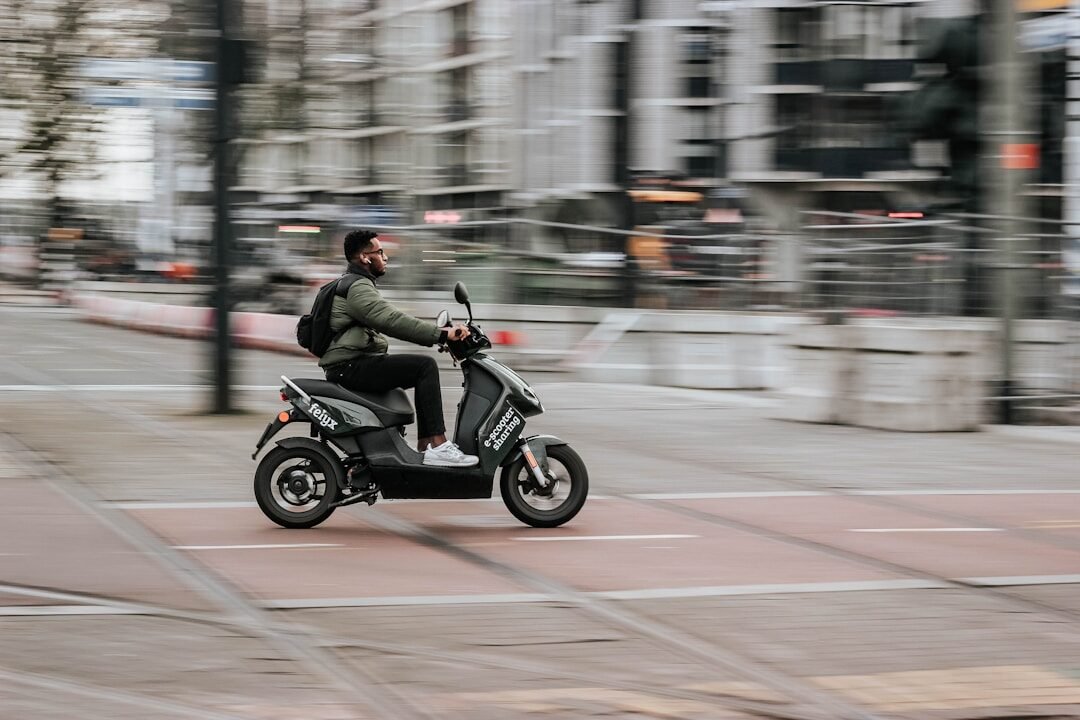
Electric vehicles with seats can resemble ordinary e-bikes even when they legally qualify as mopeds.
Mopeds must have a valid Vehicle Identification Number and are generally required to be registered with the New York State Department of Motor Vehicles. The city’s cease-and-desist orders specifically target seated mopeds that lack a valid VIN.
That means appearance alone cannot tell shoppers whether a vehicle is an e-bike, scooter, or moped. Motor power, maximum speed, design, VIN status, and registration requirements all matter.
Illegal sales could bring major fines
Retailers that continue selling prohibited devices after receiving the city’s order can face penalties of up to $2,000 for each illegal sale.
For large online marketplaces processing many orders, repeated violations could create significant financial exposure. Companies may need to block shipping to New York City ZIP codes, remove listings, or require sellers on their marketplaces to provide clearer technical specifications.
Illegal vehicles discovered operating on city streets can also be impounded.
Fatal crashes drove the crackdown

City officials linked the enforcement campaign to a series of deadly crashes involving high-speed devices.
Between 2017 and 2025, New York City recorded 45 rider deaths involving illegal e-bikes capable of exceeding 25 mph. Those deaths represented 54% of all e-bike rider fatalities during that period.
Another 14 rider deaths involved stand-up scooters capable of exceeding 20 mph, representing 52% of stand-up scooter rider fatalities.
The announcement came shortly after a 17-year-old rider was killed while using an illegal high-powered device, adding urgency to the city’s enforcement effort.
Legal e-bikes remain allowed

The new enforcement action is not a ban on electric bicycles or scooters generally.
New York City continues to allow legal e-bikes and e-scooters and promotes them as transportation options. Officials say the goal is to remove faster and heavier devices that are sometimes marketed in ways that make them appear legal to ordinary shoppers.
Retailers must also comply with separate battery safety rules. E-bikes, powered mobility devices, and their batteries sold in the city generally must meet applicable accredited laboratory certification requirements.
For consumers, checking motor wattage, maximum speed, weight, battery certification, and registration requirements before buying could prevent an expensive mistake.
TL;DR
- New York City issued cease-and-desist orders to 42 online retailers on August 5, 2026.
- Companies named in the report include Amazon, Walmart, Target, Best Buy, Wayfair, Temu, and Segway.
- Retailers were told to stop prohibited sales to all 175 NYC ZIP codes.
- Illegal sales after the deadline can result in penalties of up to $2,000 per transaction.
- NYC defines legal e-bikes as having motors below 750 watts and a maximum speed of 25 mph.
- Legal e-scooters must weigh under 100 pounds and have a maximum speed of 20 mph.
- Riders of legal e-bikes and e-scooters are still limited to 15 mph on city streets.