

San Diego County is cutting ties between local training facilities and federal immigration enforcement, but disagreement remains over how far that separation should go.
Sheriff Kelly Martinez announced on August 18, 2026, that Immigration and Customs Enforcement would no longer be allowed to use sheriff-controlled facilities for firearms qualifications or other training. She said concerns about ICE operations elsewhere in the country had damaged community trust.
Martinez drew a sharp distinction between ICE and U.S. Customs and Border Protection. She wants CBP to continue using the county’s Otay firearms range, arguing that removing nearby training access could reduce staffing at busy border crossings and disrupt travel and trade.
ICE loses access to sheriff facilities

Martinez said she decided after months of discussions and residents’ concerns about federal immigration enforcement.
ICE had used the San Diego Regional Firearms Facility in Otay Mesa under an agreement dating to 2021. It also had access to a Navy-owned range at Marine Corps Air Station Miramar that the county leases.
The sheriff said local policing depends heavily on public trust and that continuing to provide training facilities to ICE no longer struck the right balance between cooperation and community confidence.
ICE had not publicly provided a detailed response to the restriction at the time of the announcement.
County supervisors went further
The San Diego County Board of Supervisors took a broader approach than Martinez.
In a 3-to-2 vote on August 18, supervisors directed the county to terminate agreements allowing both ICE and CBP to use local firearms training facilities. The agreements had allowed federal officers to train at the county-owned Otay Mesa range and, in ICE’s case, the Miramar facility.
Supporters of the decision argued that county resources should not support federal immigration operations that they believe have harmed immigrant communities.
Opponents said reducing cooperation could make federal officers travel farther for required training without changing immigration enforcement itself.
The sheriff wants CBP treated differently

Martinez opposed ending CBP’s access to the Otay Range.
Her office argued that CBP plays a different role because its officers staff ports of entry, inspect travelers and cargo, and support international commerce along the U.S.-Mexico border.
More than 225,000 people enter the United States through San Diego-area ports of entry each day, according to figures cited by the sheriff’s office. That traffic includes more than 90,000 vehicles, about 50,000 pedestrians, and approximately 5,500 commercial trucks.
Martinez warned that forcing CBP employees to travel farther for required firearms qualifications could leave fewer officers available at inspection booths.
CBP says thousands of training hours are involved
CBP Commissioner Rodney Scott said approximately 1,700 officers depend on the county range for training.
He warned that those officers would still have to complete mandatory firearms qualifications if the local facility became unavailable. Sending them elsewhere could take personnel away from border operations for longer periods.
Federal immigration agencies have logged more than 3,300 training hours at the county facility since 2024, according to information provided during the county debate.
Martinez also said nearby alternatives are limited, including available range space at Marine Corps Air Station Miramar.
Border delays could have wider effects
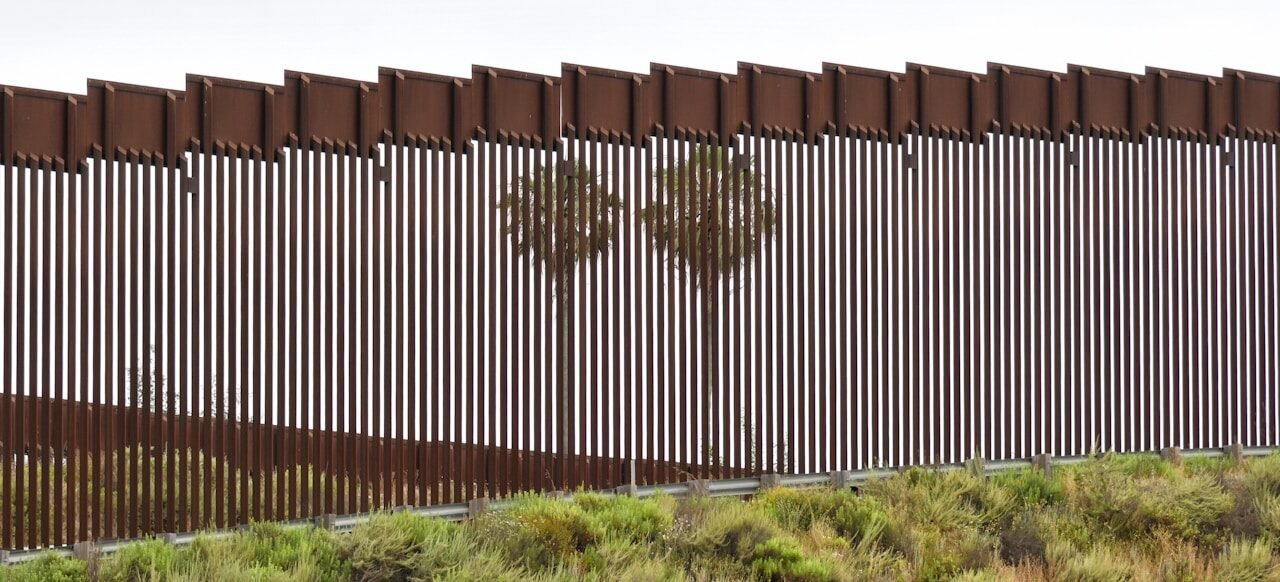
Long waits at San Diego border crossings already affect commuters, tourists, businesses, and freight moving between California and Mexico.
The sheriff’s office said typical waits can range from 1 to 3 hours. Martinez argued that any reduction in the number of available CBP officers could increase those delays.
Longer commercial waits can raise transportation costs, complicate supply chains, and affect businesses on both sides of the border. More idling cars and trucks could also increase local air pollution.
The sheriff said the effect could reach Imperial County because some CBP personnel stationed there also travel to the Otay facility for training.
The dispute creates an authority question
The Board of Supervisors controls major county property and contracting decisions, while Martinez is an independently elected sheriff responsible for operating her department.
That creates an unusual dispute. Supervisors voted to end agreements involving both federal agencies, but Martinez publicly maintained that she intended to preserve CBP’s access to the Otay facility.
How that disagreement is resolved will depend on the specific contracts, control of the property, and the authority available to county administrators and the sheriff.
For now, ICE access is clearly being terminated. CBP’s longer-term status remains more complicated because the county board and sheriff are taking different positions.
The debate reaches beyond San Diego
San Diego is not the only community reconsidering whether federal immigration officers should use local law enforcement facilities.
Cities and counties elsewhere have debated similar arrangements as the Trump administration expands immigration enforcement. Some officials argue that cooperation damages trust between immigrant communities and local police.
Others say firearms training should be treated separately from immigration policy because better-trained officers may improve safety regardless of which federal agency employs them.
San Diego’s location beside the nation’s busiest land border crossings makes that debate particularly important because immigration enforcement, trade, tourism, and everyday commuting are closely connected.
TL;DR
- Sheriff Kelly Martinez barred ICE from using San Diego County sheriff facilities for training and firearms qualifications.
- The County Board of Supervisors voted 3-2 to terminate agreements involving both ICE and CBP.
- Martinez wants CBP to continue using the Otay firearms range.
- She argues that sending CBP officers farther away for required training could worsen border staffing and wait times.
- CBP says about 1,700 officers rely on the local facility.
- More than 225,000 people reportedly enter the U.S. daily through San Diego-area ports of entry.
- ICE access is being terminated, while CBP’s future use remains disputed between the sheriff and county supervisors.