
Albertsons is reducing its California store network as the supermarket company reviews underperforming locations and invests more heavily in digital shopping and automation.
The closures include stores operating under the Albertsons, Vons, and Safeway names. Hundreds of workers have been affected, although some employees have been offered transfers to nearby locations.
The pullback follows the collapse of Albertsons’ proposed $24.6 billion merger with Kroger. However, the company has described individual closures as decisions based on store performance, leases, market conditions, and broader efforts to operate more efficiently.
Vons closed stores in Southern California
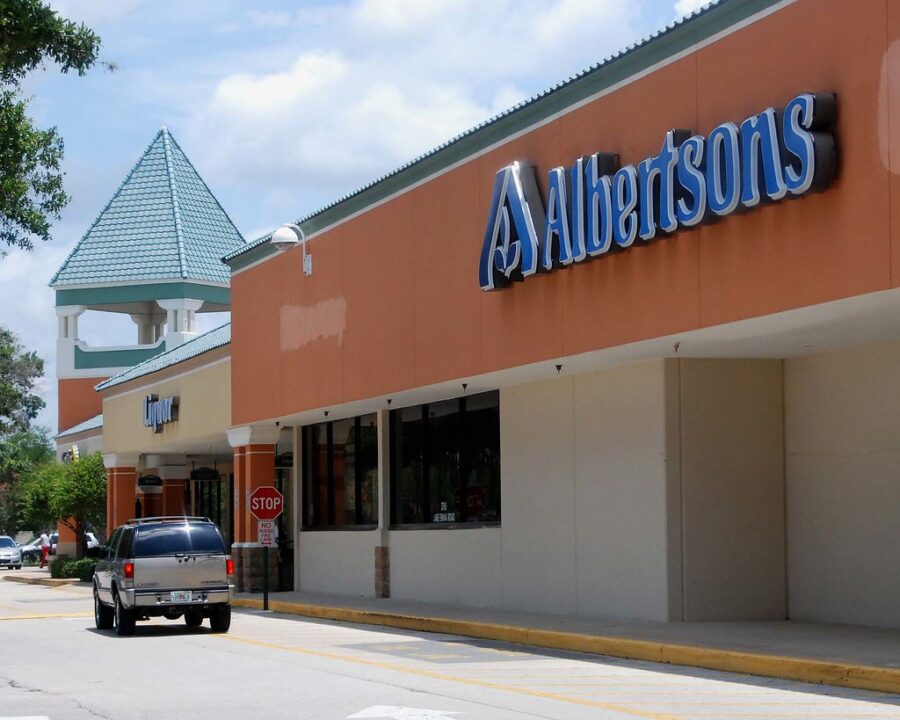
A Vons store in Redlands closed on March 19, 2026, affecting approximately 70 workers.
Another Vons location in Escondido was scheduled to close on May 1, with its pharmacy shutting down on April 16. The Escondido closure affected 65 employees, bringing the combined total at the two stores to 135 jobs.
Albertsons said closing a store was a difficult decision, but noted that it regularly reviewed financial performance and changing market conditions.
Another Albertsons closure affected Riverside
An Albertsons store near Riverside also closed on March 19, affecting about 75 employees.
Together, the Riverside, Redlands, and Escondido closures affected approximately 210 grocery workers in Southern California. Some employees may have been able to apply for available jobs at other stores, but transfers were not guaranteed for every worker.
Store closures can be particularly disruptive for employees who have worked at one location for years and depend on predictable hours, union benefits, or a short commute.
A Bay Area Safeway also shut down
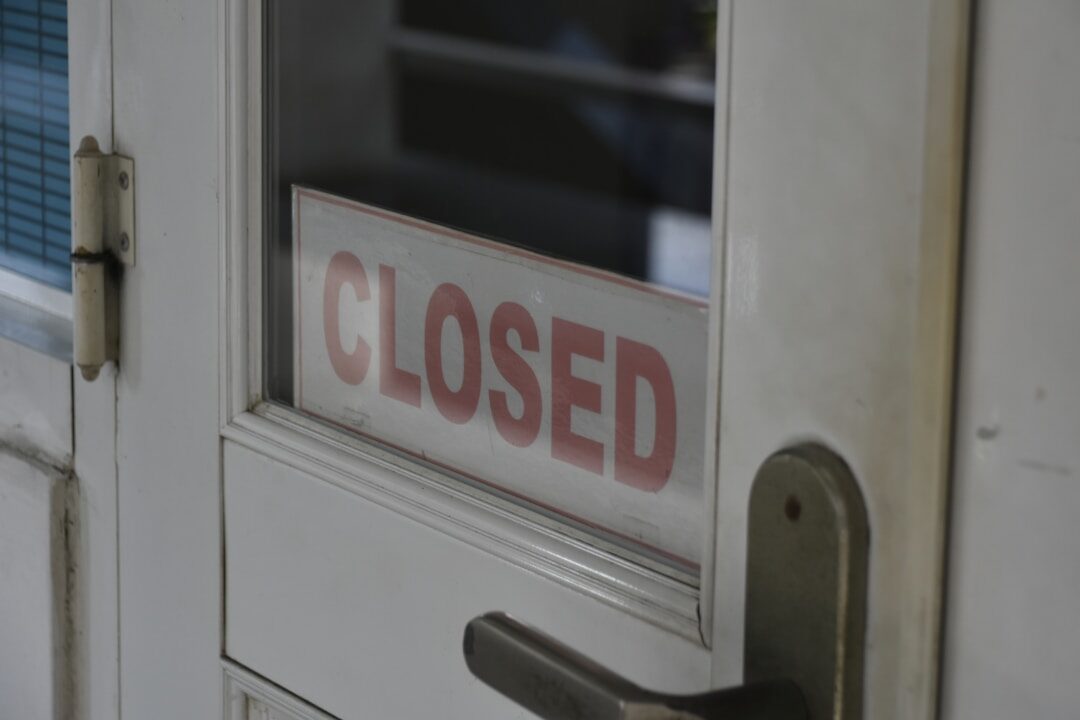
Albertsons’ California reduction was not limited to Southern California.
A Safeway store in Hayward closed in February 2026 after its lease ended. The company said its 76 workers would be transferred to nearby locations under the terms of their union agreement rather than being laid off.
The Hayward closure followed other recent Safeway shutdowns in the Bay Area, including stores in San Francisco’s Fillmore District, Pinole, and Vallejo.
Customers still had access to another Safeway about two miles from the Hayward location, which influenced the company’s decision not to renew the lease.
The failed Kroger merger changed the outlook
Kroger agreed in 2022 to purchase Albertsons for $24.6 billion in what would have been the largest supermarket merger in U.S. history.
The Federal Trade Commission and several states challenged the deal, arguing that it could reduce competition, raise grocery prices, and weaken workers’ bargaining power. Federal and Washington state judges blocked the transaction in December 2024.
Albertsons then terminated the merger agreement and sued Kroger, alleging that Kroger failed to take sufficient steps to secure regulatory approval.
Industry observers have connected some of Albertsons’ later cost-cutting decisions to the failed deal. However, there is no public evidence that regulators blocking the merger directly caused each California closure.
Albertsons is focusing on digital growth

Albertsons is investing in online ordering, delivery, personalized promotions, loyalty programs, and technology across its supermarket brands.
Digital sales increased 21% during the third quarter of fiscal 2025. The company operated 2,243 stores as of November 29, 2025, after opening new locations, remodeling existing stores, and closing others.
Online growth gives customers more ways to shop, but it can also change how stores use labor. More workers may be needed to collect and prepare digital orders, while fewer traditional checkout positions may be required.
Automation could reshape grocery jobs
Chief Executive Susan Morris said Albertsons was working to expand the use of artificial intelligence across the company.
The technology can assist with employee scheduling, inventory planning, merchandising, promotions, and supply chain decisions. Albertsons says these tools can reduce complicated administrative work and allow employees to spend more time helping customers.
Automation does not always mean immediate layoffs, and the company has not said that artificial intelligence directly caused the California closures. Still, workers may worry that greater reliance on self-checkout, software, and automated planning could lead to the elimination of certain positions over time.
Communities could lose more than jobs

A grocery store closure can leave a neighborhood with fewer choices, particularly for residents who do not drive or cannot easily travel to another supermarket.
Nearby stores may absorb some customers, but longer travel distances can create problems for seniors, people with disabilities, and households that rely on public transportation. A closed supermarket can also reduce activity at neighboring businesses in the same shopping center.
The effect will vary by location. Some California communities have several competing grocery stores, while others may have limited access to fresh food and pharmacy services.
Albertsons continues to operate hundreds of stores in California under several banners. Still, the latest closures show that the company is willing to leave locations that no longer meet its financial or strategic goals.
TL;DR
- Albertsons is closing stores under the Vons, Albertsons, and Safeway names in California.
- A Redlands Vons closed on March 19, 2026, affecting about 70 workers.
- An Escondido Vons was scheduled to close May 1, affecting 65 employees.
- An Albertsons near Riverside closed on March 19, affecting about 75 workers.
- A Hayward Safeway closed in February, but its 76 workers were offered transfers.
- Albertsons’ $24.6 billion merger with Kroger was blocked by federal and state courts in 2024.
- The company is investing in digital sales, artificial intelligence, and more efficient store operations.