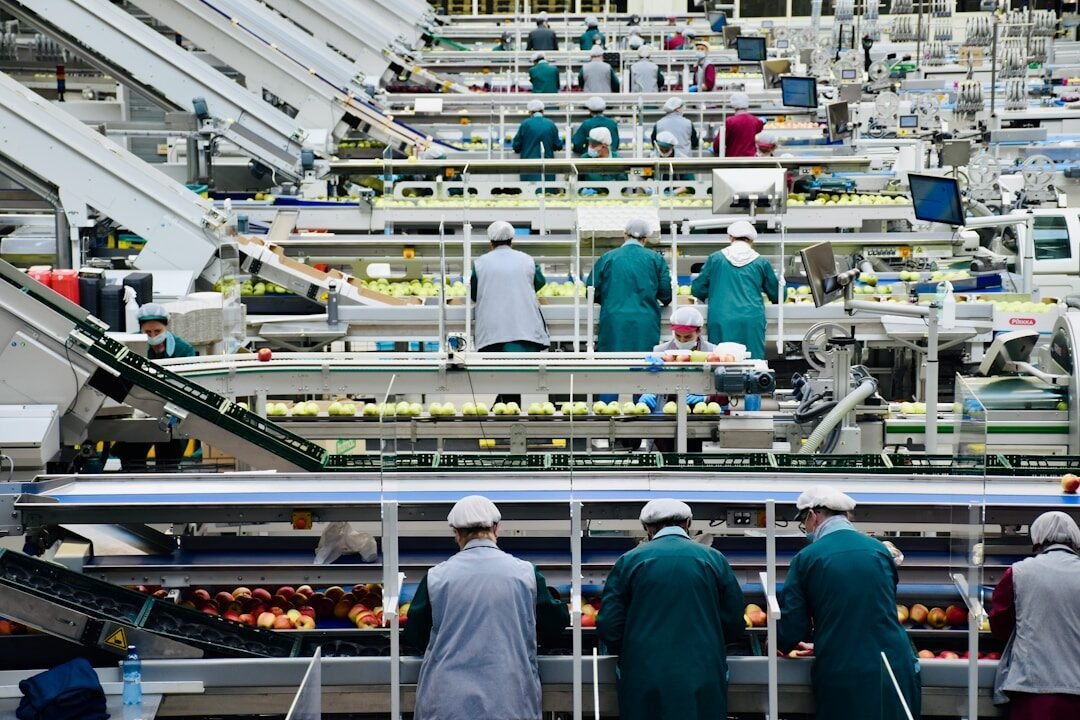


Hundreds of thousands of Californians could lose CalFresh food assistance under federal work rules that began taking effect on June 1, 2026.
The requirements apply to certain adults who do not have a disability and do not live with a dependent child under age 14. Those recipients generally must complete at least 80 hours of qualifying work, education, training, or community service each month.
The unexpected risk is that a person may remain financially eligible for CalFresh but still lose benefits if they do not complete or properly document enough qualifying hours.
New CalFresh rules began June 1

CalFresh is California’s version of the federal Supplemental Nutrition Assistance Program, commonly known as SNAP.
Beginning June 1, certain recipients became subject to expanded work and community engagement requirements. The changes came from the federal budget law enacted in 2025 and were being administered through California’s county-run benefit system.
The rules generally apply to adults ages 18 through 64 who do not have a qualifying disability and do not live with a dependent child younger than 14.
The requirement is 80 hours per month
Affected adults generally must complete at least 20 hours of qualifying activity per week, or an average of 80 hours per month.
Qualifying activities can include paid employment, self-employment, approved job training, education, volunteer work, community service, or a combination of those options. Some recipients may also satisfy the rule through a county employment and training program.
Recipients may need to provide records such as pay stubs, work schedules, school documents, or verification from a volunteer organization.
Missing the rule can trigger a time limit

A person who does not meet the monthly requirement and does not qualify for an exemption may receive CalFresh for only 3 of the 36 months.
The benefits are not necessarily terminated immediately on June 1. New applicants can be screened under the rules when they apply, while existing recipients may be reviewed during a renewal, recertification, or another eligibility contact.
Once the allowed months are used, assistance can stop unless the person begins meeting the requirement, receives an exemption, or qualifies again under another rule.
More than 500,000 may lose benefits
California estimated that about 1 million CalFresh participants could become subject to the expanded requirement.
The California Association of Food Banks said approximately 560,000 may neither complete the required activities nor qualify for an exemption. Those individuals could lose access after using their three permitted months.
Some reports placed the wider at-risk population above 650,000, depending on whether estimates included people affected by separate eligibility changes or administrative barriers. The exact total will depend on exemptions, employment patterns, county outreach, and recipients’ ability to document their activities.
Several groups may be exempt

The work rule does not apply to every adult receiving CalFresh.
Possible exemptions include people who are pregnant, have a physical or mental condition that limits employment, care for an incapacitated person, receive certain disability benefits, participate in qualifying treatment programs, or already meet work rules through another assistance program. Adults living with a dependent child under 14 are also generally excluded.
Recipients should not assume the county already has all the information needed to approve an exemption. Medical, caregiving, household, or program records may need to be submitted.
Older adults face a new risk
One major change expanded the age range covered by the time limit.
Earlier rules generally focused on adults aged 18 through 54. The new requirements can affect adults up to age 64, bringing many people in their late 50s and early 60s into the system for the first time.
Some may struggle to find regular work because of health problems, age discrimination, transportation limitations, or caregiving responsibilities that do not meet a formal exemption.
Food banks expect greater demand
Anti-hunger organizations warned that losing even a modest monthly benefit could force households to rely more heavily on food pantries.
Food banks cannot always replace the value or flexibility of CalFresh because donated supplies vary, and locations may have limited hours. Advocates also argue that evidence linking time limits to lasting employment gains is weak.
California lawmakers provided additional support to some food banks and service organizations, but local leaders said the expected increase in need could exceed available resources.
Counties are helping residents prepare
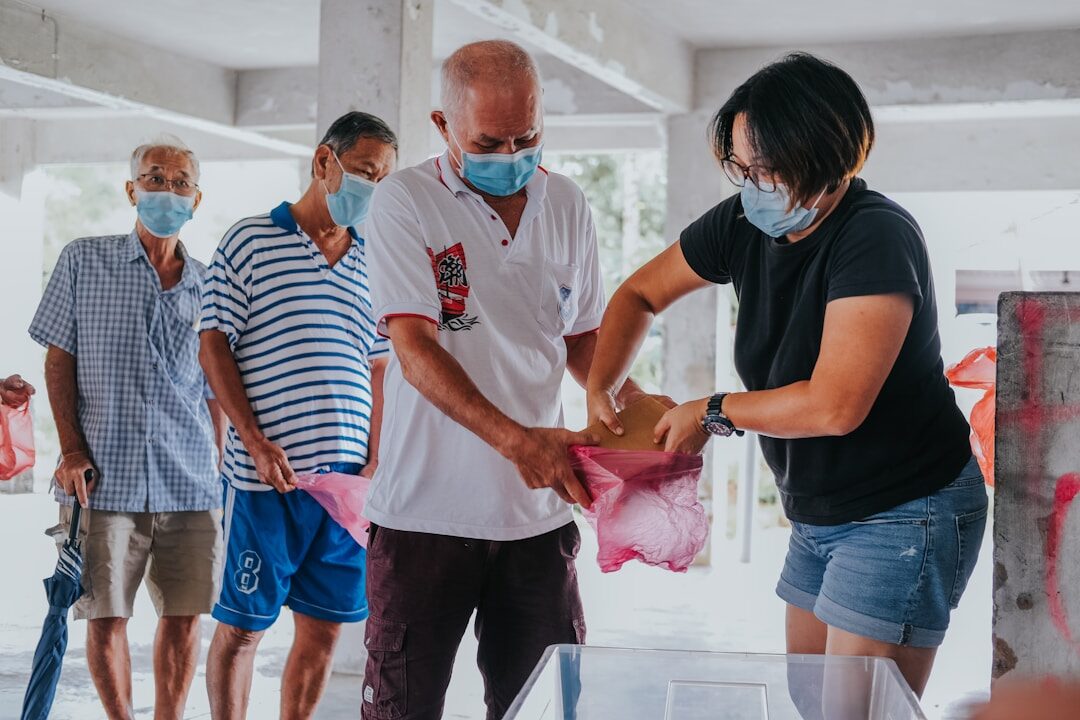
Counties began expanding outreach before the rules took effect.
San Mateo County offered special Saturday hours in May at 1500 Fashion Island Boulevard to help residents apply for benefits, ask questions, and prepare for the June 1 changes.
Recipients can also update their cases through BenefitsCal or contact their county social services office. Anyone who believes an exemption applies should report it quickly and keep copies of documents confirming work, school, training, volunteering, health limitations, or caregiving duties.
TL;DR
- New CalFresh work requirements began taking effect on June 1, 2026.
- Certain adults ages 18 through 64 must complete 80 hours of qualifying activity each month.
- Work, education, training, volunteering, and community service may count.
- People who do not comply may receive benefits for only 3 months over 3 years.
- Carson’s estimates suggest roughly 560,000 recipients may fail to meet the rule or receive an exemption.
- Pregnant people, some caregivers, people with disabilities, and adults living with children under 14 may be exempt.
- Recipients should contact their county and document any qualifying activity or exemption.