
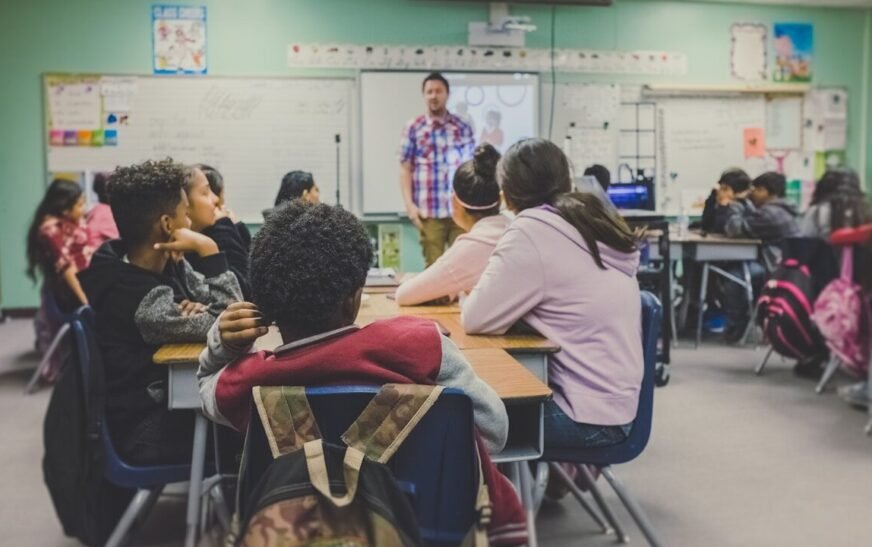
Chicago Public Schools is facing a difficult financial and educational challenge as falling enrollment leaves thousands of classroom seats unused across the city.
The district still operates hundreds of schools designed for a much larger student population. Keeping underused buildings open can increase costs per student and limit funds for teachers, academic programs, building repairs, and extracurricular activities.
Closing or combining schools could reduce some expenses, but Chicago’s experience in 2013 showed that poorly managed closures can disrupt communities and harm students. A moratorium prevents CPS from closing schools until after the 2026-27 academic year, giving city leaders time to consider other options.
Chicago has lost thousands of students
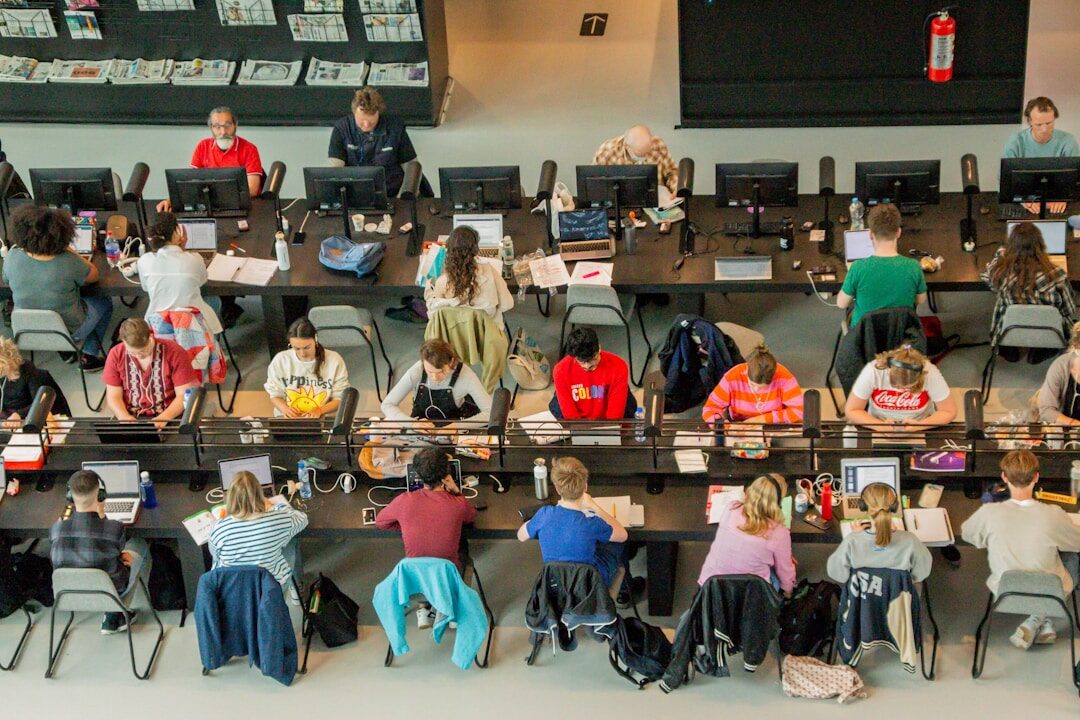
Chicago Public Schools enrolled roughly 325,000 students during the 2024-25 school year, about 70,000 fewer than a decade earlier.
The decline reflects several long-term changes, including fewer school-age children, families leaving the city, and some students moving to private, charter, suburban, or home-based education.
Between 2010 and 2025, overall CPS enrollment fell by more than 86,000 students. Chicago’s population under age 18 also declined, reducing the number of children available to fill neighborhood schools.
More than 133,000 seats were empty
CPS reported enough space to serve more than 425,000 kindergarten through 12th-grade students, leaving over 133,000 seats unfilled.
About 150 schools were operating at half their intended capacity or less. Another 47 schools were using less than one-third of their available space.
An underused school still needs a principal, maintenance, heating, security, and other basic services. Those fixed expenses are spread across fewer students, increasing costs per child.
Small schools can offer fewer programs
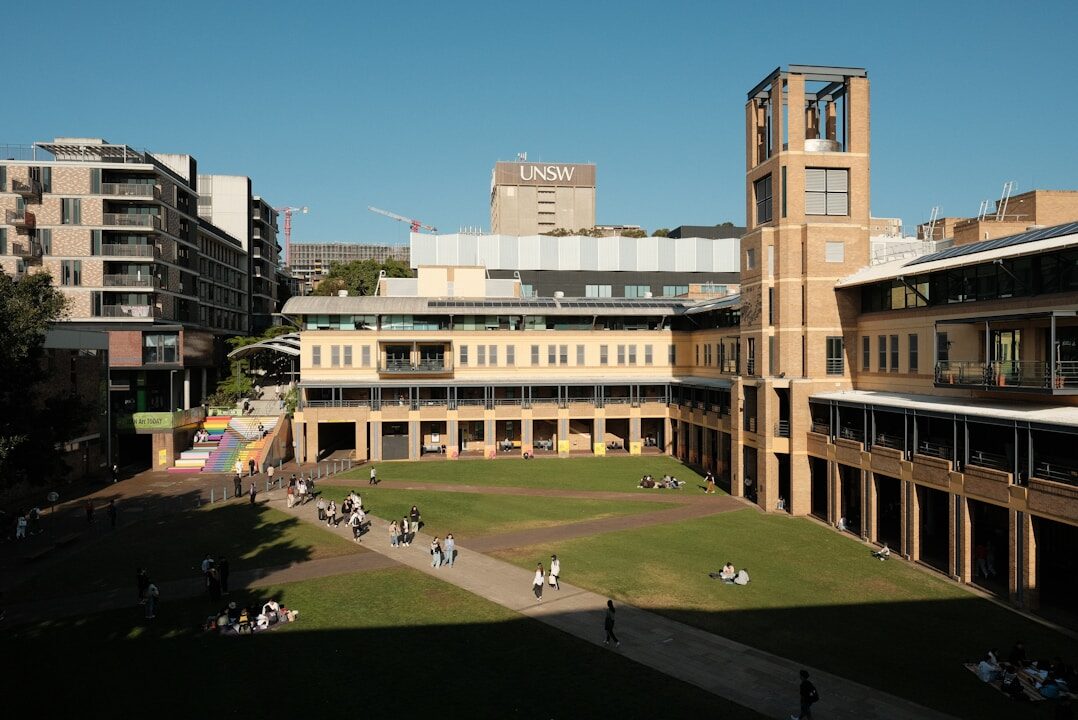
Schools with very low enrollment may struggle to offer the same opportunities as larger campuses.
A small high school might not have enough students or teachers to offer advanced courses, several foreign languages, sports teams, arts programs, and career training. Students may have fewer class choices even when the district spends more money per person.
Some small CPS schools were spending two or three times the district average per student. One high school with only 28 students reportedly costs about $93,000 per student to operate.
Closures remain blocked until 2027
The Chicago Board of Education voted in September 2024 to prohibit public school closures through the end of the 2026-27 school year.
The decision followed concerns that the district could consider closing as many as 100 schools. Board members and community groups said major decisions should wait until Chicago completes its transition to a fully elected school board.
The moratorium provides communities with temporary certainty, but it does not address the underlying problems of declining enrollment and high construction costs. Closure discussions could return after the restriction expires.
The 2013 closures remain a warning
Chicago closed 49 elementary schools and one high school program in 2013, affecting nearly 12,000 students. It was the largest mass school closure in modern U.S. history.
University of Chicago researchers found that the process created uncertainty and damaged trust among students, families, and staff. Test scores declined for students in both closing schools and schools receiving displaced children.
Reading scores eventually recovered, but math performance remained below expectations for several years. Researchers also reported increased conflict and difficulties as students from different communities entered the same schools.
Better buildings did not guarantee better results
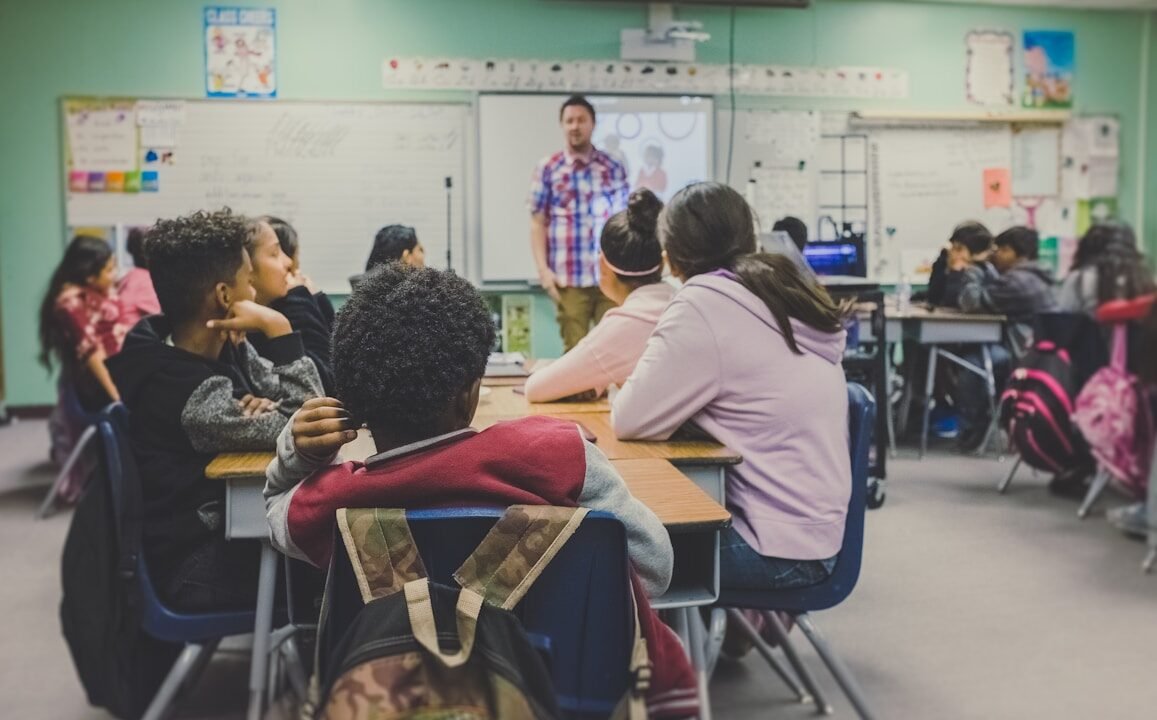
Most displaced students enrolled in schools with stronger academic ratings than the campuses that closed.
However, only about one-fifth entered the district’s highest-rated schools. Nearly one-quarter attended schools that performed worse than the welcoming schools CPS had originally assigned to them.
These findings showed that moving students into a different building does not automatically improve education. Transportation, school culture, safety, staffing, family choice, and the quality of the receiving school all affect the outcome.
CPS could consider alternatives
Closures are not the only way to respond to underused buildings.
CPS could place several programs in a single facility, expand early childhood education, lease unused space to community organizations, or create health, recreation, and family service centers inside schools.
The district could also redesign attendance boundaries or add specialized programs that attract students from other neighborhoods. These approaches may keep buildings active, but they require funding and may not work at every location.
Any plan would need to consider building conditions, nearby school capacity, transportation, student needs, and the role each campus plays in its neighborhood.
Chicago must balance cost and community
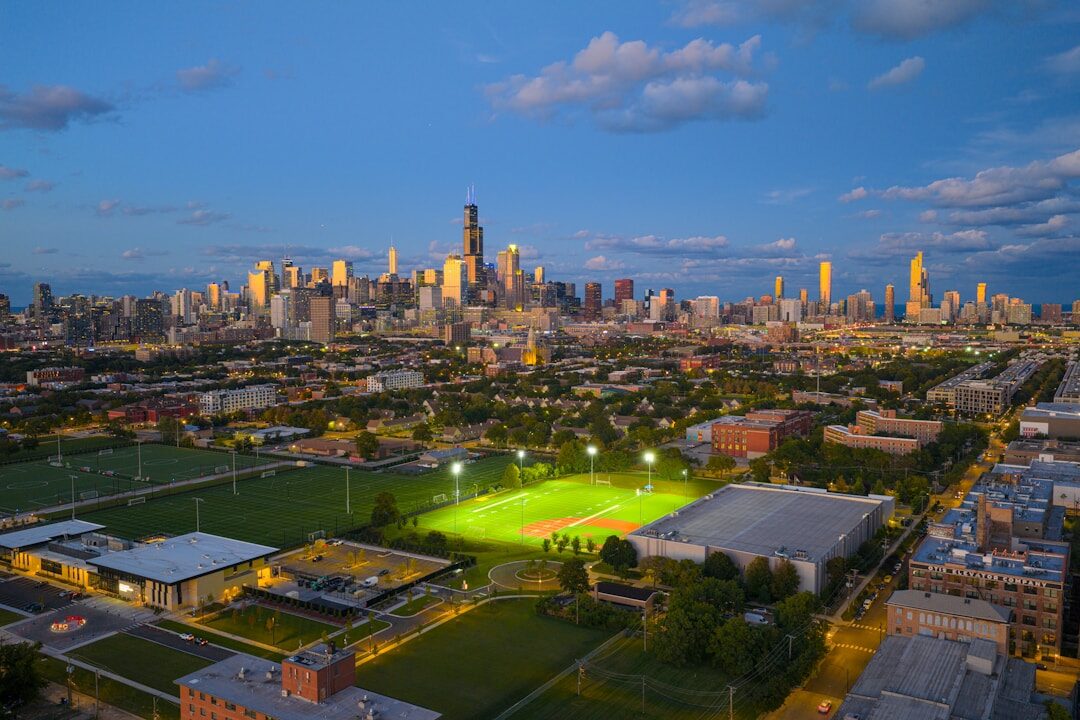
Schools often function as more than places where children attend classes. They can provide meals, sports, public meetings, social services, employment, and a shared identity for surrounding neighborhoods.
Closing a lightly used building may make financial sense on paper, but the community can lose an important institution. Keeping every school open, however, may spread district resources too thinly and leave students without strong academic programs.
Chicago’s challenge is to reduce waste without repeating the disruption of 2013. That will require early community involvement, reliable data, stronger support for receiving schools, and clear plans for any building that is eventually closed or combined.
TL;DR
- Chicago Public Schools enrolled about 325,000 students in the 2024-25 school year.
- District enrollment had fallen by roughly 70,000 students over a decade.
- CPS had more than 133,000 empty kindergarten through 12th-grade seats.
- About 150 schools were operating at half capacity or less.
- School closures are prohibited until after the 2026-27 academic year.
- Research found that Chicago’s 2013 closures caused academic and social disruption.
- City leaders must balance operating costs with the educational and community value of neighborhood schools.