

Michigan remains one of the more affordable large states for people who want Midwestern prices, Great Lakes access, and career options. It is not the cheapest state, and some cities are getting pricier, but the statewide picture is still easier on the wallet than many coastal markets.
MERIC’s first-quarter 2026 cost of living index placed Michigan at 93.9, below the U.S. baseline of 100. Housing was the state’s biggest advantage, with a housing index of 85.7, while groceries were almost exactly the national average at 100.1.
How much does it cost to live in Michigan?
A useful starting point is consumer spending. Federal Reserve data based on U.S. Bureau of Economic Analysis figures show Michigan per-capita personal consumption expenditures reached $54,197 in 2024, up from $52,022 in 2023. That includes housing, utilities, health care, food, fuel, and other everyday goods and services.
The Census Bureau lists Michigan’s median household income at $72,875 in 2024 dollars for 2020 to 2024. That income can stretch well in smaller cities, but it may feel tighter in Ann Arbor, some Detroit suburbs, and popular lakefront areas.
Housing costs in Michigan

Housing is the clearest reason Michigan looks affordable. Zillow reported the average Michigan home value at $266,964 as of May 31, 2026, up 4.2% over the past year.
Renting is also generally less expensive than the U.S. average. The source data listed Michigan’s average rent at $1,136, compared with a national figure of $1,639. HUD’s 2026 Fair Market Rent system shows why local research matters, because rents are calculated by area.
Detroit, Lansing, Kalamazoo, Flint, and many smaller towns can offer lower housing costs. Ann Arbor is the exception because the University of Michigan and a limited supply keep prices elevated. Grand Rapids has also become more competitive as its job market has grown.
Food costs in Michigan
Food costs in Michigan are usually manageable. The original data showed residents spending about $236.38 per week on food at home, below the U.S. average of $270.21. MERIC’s 2026 index placed Michigan groceries at 100.1, nearly equal to the national baseline.
For most households, the biggest difference comes from habits rather than geography. Cooking at home, buying in bulk, and using farmers’ markets in season can keep costs steady. Restaurant spending is where budgets can jump, especially in Detroit, Ann Arbor, Traverse City, and Grand Rapids.
Michigan also gives shoppers a tax advantage on essentials. The state has a 6% sales tax, but many groceries and medications are exempt.
Transportation costs in Michigan
Michigan is car country. Outside a few urban routes, most residents need a vehicle for work, school, groceries, health care, and recreation. That makes fuel, insurance, repairs, and winter maintenance part of the real Michigan cost of living.
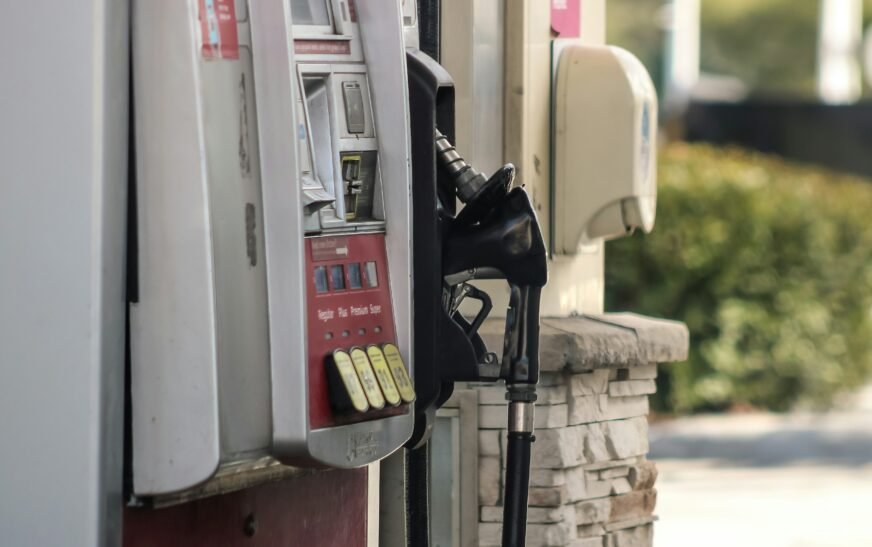
The older source listed Michigan regular gas at $3.19 per gallon in August 2025, but current prices are higher. AAA listed Michigan’s average regular gas price at $3.886 per gallon on July 8, 2026, compared with a national average of $3.796 that day.
Auto insurance can also be a surprise. Experian reported in June 2026 that the average cost of car insurance in Michigan was $2,752 per year, or $229 per month.
Health care costs in Michigan

Health care costs in Michigan are not the state’s biggest affordability problem, but they still matter. MERIC’s 2026 index put Michigan health costs at 88.2, below the national baseline.
The source data indicated that Michigan workers with employer-sponsored health insurance contributed about $1,666 annually toward their coverage. Nationally, KFF’s 2025 Employer Health Benefits Survey found family coverage premiums reached $26,993, with workers contributing $6,850 on average.
Access also varies by location. Metro Detroit, Grand Rapids, Ann Arbor, Lansing, and Kalamazoo have stronger hospital and specialist networks. Rural northern Michigan and Upper Peninsula communities may involve longer drives for specialty care.
Utility costs in Michigan
Utilities are mixed. The original data showed Michigan’s average electric bill below the U.S. average, but the latest rate data shows electricity is not especially cheap. EIA’s April 2026 table listed Michigan residential electricity at 21.39 cents per kilowatt-hour, above the U.S. average of 18.83 cents.
Natural gas matters because Michigan winters are long. The Michigan Public Service Commission said EIA expected Henry Hub natural gas prices to average $3.64 per thousand cubic feet in 2026, and it noted Michigan holds more than 10% of the nation’s underground natural gas storage capacity.
Renters should ask whether heat is included. Buyers should check insulation, windows, the age of the furnace, and average winter bills before making an offer.
Taxes in Michigan
Michigan has a simpler statewide tax structure than many states. The Michigan Department of Treasury announced that the individual income tax rate for the 2026 tax year will remain 4.25%. The Tax Foundation also lists Michigan with a flat 4.25% individual income tax rate and a 6% state sales tax rate.
Property taxes are the bigger local issue. AARP’s 2026 Michigan tax guide lists property tax at a statewide average of 1.19% of assessed value, while noting Michigan does not allow local governments to add extra sales taxes.
Is Michigan affordable for newcomers?
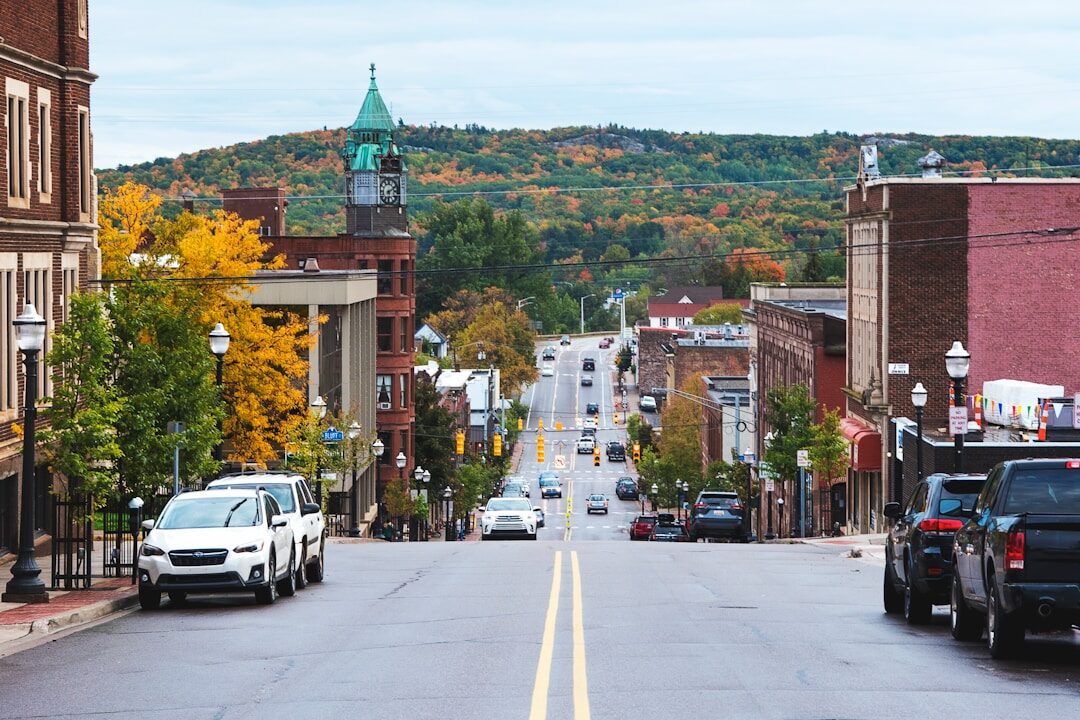
Michigan is affordable for many households because home prices are lower than the national market. But affordability depends on where you land. Detroit can offer low entry prices but higher insurance and city-specific costs. Ann Arbor offers strong jobs and schools but much higher housing.
For movers, the smartest approach is simple. Compare housing, commute, insurance, utilities, and taxes together. Michigan can still be a strong value, especially for people who want homeownership, lake access, seasons, and a lower-cost alternative to coastal states.
TL;DR
- Michigan’s cost-of-living index was 93.9 in 2026, below the U.S. baseline of 100.
- BEA-based data shows Michigan residents spent $54,197 per person in 2024.
- Housing is the state’s biggest affordability advantage, with an average home value of $266,964 in May 2026.
- Gas prices are higher than the older August 2025 figure, with AAA listing Michigan regular gas at $3.886 on July 8, 2026.
- Electricity prices are above the U.S. average, so winter utility bills require careful planning.
- Michigan’s 2026 income tax rate remains 4.25%, with a 6% statewide sales tax.
- Michigan is affordable overall, but Ann Arbor, lakefront towns, and some fast-growing suburbs can cost much more.