


Louisiana remains one of the more affordable Southern states for renters, buyers, retirees, students, and families seeking lower housing costs than in many parts of the U.S. The state offers New Orleans culture, Baton Rouge jobs, Lafayette food and music, Shreveport affordability, Lake Charles industry, and smaller parishes where daily costs can stretch further.
For people asking whether Louisiana is affordable in 2026, the short answer is yes, but not in every category. RentCafe’s 2026 cost-of-living calculator says Louisiana is 4% cheaper than the national average. Utilities are 19% below the U.S. average, while housing is 1% above the national average.
That means Louisiana’s affordability depends heavily on where you live, whether you rent or buy, and how much you spend on transportation, health care, insurance, and food.
What is the average cost of living in Louisiana?

The cost of living in Louisiana includes housing, rent, utilities, groceries, transportation, health care, taxes, insurance, child care, and everyday essentials. Based on the user-provided budget calculator, a single adult in Louisiana spends about $3,030 per month, or roughly $36,360 per year, on basic expenses.
That monthly estimate includes $947 for housing, $431 for food, $609 for transportation, $383 for health care, and $660 for other expenses. If a single adult takes home $4,357 per month, that leaves about $1,327 after typical Louisiana expenses, or a savings rate of about 30.5%.
The user-provided Bureau of Economic Analysis figures show a broader annual average of $48,425 per person in Louisiana. That includes $7,617 for housing and utilities, $9,576 for health care, $4,034 for groceries and nonrestaurant food, $1,509 for gasoline and energy goods, and $25,690 for other personal expenses.
Housing costs are Louisiana’s biggest budget line
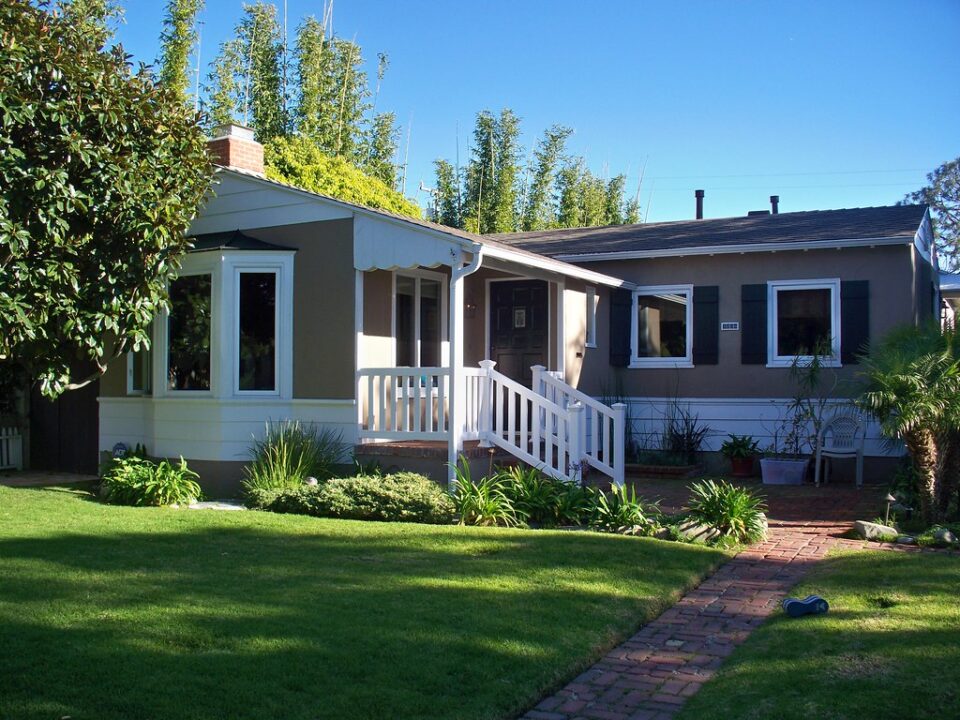
Housing is usually the largest monthly expense in Louisiana. The user-provided data lists Louisiana’s median rent at $1,063, compared with a national median rent of $1,639. It also lists typical rents at $871 for a one-bedroom, $1,013 for a two-bedroom, $1,136 for a three-bedroom, and $1,405 for a four-bedroom.
RentCafe reported that the average apartment rent in Louisiana was $1,259 in April 2026, up 0.46% from the previous year. Baton Rouge remains manageable, with average rent rising from $1,237 to $1,266 over the past year.
New Orleans is usually more expensive than many Louisiana markets because of tourism, historic neighborhoods, university demand, and limited desirable housing in certain areas. Baton Rouge, Lafayette, Shreveport, Monroe, Alexandria, Houma, and Lake Charles can offer more affordable options depending on job needs.
Buying a home in Louisiana is still relatively attainable
Homeownership is more realistic in Louisiana than in many higher-cost states. Zillow listed Louisiana’s average home value at $214,727 as of April 30, 2026, up 1% over the past year.
New Orleans is higher than the statewide average but still cheaper than many major U.S. metros. Zillow listed New Orleans’ average home value at $246,374 as of May 31, 2026, down 2.3% over the past year. Baton Rouge was slightly lower, with an average home value of $232,391.
Buyers should not stop at the purchase price. Louisiana homeowners also need to budget for property taxes, homeowners’ insurance, flood insurance in risk-prone areas, hurricane exposure, maintenance, utilities, and possible HOA fees. Insurance can change the real affordability picture, especially near the Gulf Coast.
Utilities can be lower, but summers matter
Utilities are one of Louisiana’s mixed categories. RentCafe says statewide utilities are 19% below the national average, which helps the overall cost of living. The user-provided data lists an average electric bill of $142.96 per month, slightly above the U.S. average of $136.84, and natural gas at $13.36 per thousand cubic feet, compared with $12.92 nationally.
The difference comes down to home type, weather, and energy use. Louisiana summers are hot and humid, so air conditioning can run heavily for months. Older homes, poor insulation, large floor plans, and low thermostat settings can quickly raise electric bills.
Renters and buyers should ask for past summer utility bills before signing a lease or purchase agreement. A cheap home can feel less affordable if cooling costs are high.
Groceries and food costs can surprise newcomers

Food is a big part of Louisiana culture, but grocery costs are not always lower than the national average. The user-provided data shows that Louisiana residents spend about $282.95 per week on food at home, compared with the U.S. average of $270.21.
That does not mean every household pays more. Grocery bills depend on family size, diet, store choice, cooking habits, and location. Smaller towns and local markets can help keep costs down, while tourist-heavy or higher-demand areas may cost more.
Dining out varies widely. New Orleans, Baton Rouge, and Lafayette have strong restaurant scenes, but eating out often can quickly raise the monthly budget. Households trying to save money can benefit from cooking at home, buying local seafood or seasonal produce when affordable, and limiting restaurant spending.
Transportation is cheaper for fuel but costly for insurance
Transportation is a major expense in Louisiana because most communities are car-dependent. The user-provided data lists regular gas at $2.73 per gallon, below the national average of $3.13. That helps commuters and families with multiple vehicles.
The problem is auto insurance. The supplied data lists Louisiana’s average full-coverage premium at $1,743.08, compared with a national average of $1,258. That can erase some of the savings from lower gas prices.
People moving to Louisiana should compare insurance quotes before choosing a city or vehicle. New Orleans-area insurance costs can differ from those in smaller parishes, and flood risk, storm exposure, theft risk, driving record, and coverage level can all affect the bill.
Health care is a serious budget factor
Health care is one of Louisiana’s biggest cost concerns. The user-provided data estimates average annual health care spending at $9,576 per person. It also says employees pay about $1,734 per year for employer-sponsored health insurance, while employers pay $6,231 of a $7,966 total premium.
Salary.com ranks Louisiana No. 47 among states for overall health care access and affordability, which means households should carefully consider provider networks, deductibles, local hospital access, prescriptions, and specialist availability before moving.
New Orleans, Baton Rouge, Lafayette, Shreveport, and Lake Charles generally offer more health care options than rural parishes. For retirees and families with medical needs, access can be just as important as price.
Louisiana taxes are mixed

Louisiana’s tax picture is not all good or bad. Property taxes are low by national standards. The Tax Foundation lists Louisiana’s effective property tax rate on owner-occupied housing value at 0.55%. A separate Tax Foundation property tax table lists Louisiana at around 0.55%.
That low property tax rate helps homeowners, especially compared with states like Texas, Illinois, New Jersey, or Connecticut. But Louisiana has income taxes, sales taxes, local taxes, insurance costs, and storm-related expenses that must be counted.
The Tax Foundation ranks Louisiana No. 31 overall in its 2026 State Tax Competitiveness Index. That suggests the state is not among the most tax-friendly overall, despite low property taxes.
Best affordable places to live in Louisiana
Baton Rouge is a strong option for people who want jobs, universities, state government, health care, and lower costs than many larger metros. RentCafe says Baton Rouge housing is 22% cheaper than the U.S. average, while utilities are about 28% lower.
Shreveport can be attractive for lower rents, regional health care, and affordability in North Louisiana. Lafayette offers food, culture, and a strong local identity. Lake Charles has industry and Gulf Coast access, but storm and insurance costs should be reviewed carefully.
New Orleans offers the strongest culture, tourism, music, food, universities, and walkable neighborhoods, but it is usually more expensive and more insurance-sensitive than many Louisiana cities.
Is Louisiana affordable in 2026?
Louisiana is affordable in 2026 compared with many states, especially for renters and buyers focused on housing costs. The biggest advantages are relatively low rent, attainable home values, low property taxes, and cheaper gas.
The biggest budget warnings are health care access, auto insurance, summer cooling costs, flood risk, hurricane exposure, and food costs that may not be as low as expected.
For the best result, compare city by city. Baton Rouge, Shreveport, Lafayette, Monroe, Alexandria, and Houma may offer stronger affordability than New Orleans. Louisiana can be a good value, but the real budget depends on insurance, utilities, and location.
TLDR
- Louisiana is 4% cheaper than the national average in 2026.
- A single adult may spend about $3,030 per month on typical Louisiana essentials.
- Average apartment rent in Louisiana was $1,259 in April 2026.
- Zillow listed Louisiana’s average home value at $214,727 in April 2026.
- Louisiana property taxes are low, with an effective rate around 0.55%.
- Utilities can be lower than average, but summer air conditioning can raise bills.
- Gas is cheaper than the national average, but car insurance is much higher.
- Baton Rouge, Shreveport, Lafayette, Monroe, and Alexandria are worth comparing for affordability.