
Idaho has become one of the most talked-about relocation states in the Mountain West. People move for space, mountains, lower density, outdoor recreation, smaller cities, and a lifestyle that feels less crowded than California, Washington, Oregon, or Colorado. But the cost of living in Idaho in 2026 is not as cheap as many newcomers expect.
Statewide, Idaho is close to the national average. RentCafe’s 2026 cost-of-living calculator says Idaho is 1% below the U.S. average, with housing 5% below, utilities 25% below, and groceries roughly in line with the national average. That makes Idaho more affordable than many western states, but not a bargain across the board.
Housing is the biggest reason Idaho feels more expensive than it used to. Boise, Coeur d’Alene, Sandpoint, Hailey, Moscow, Meridian, and parts of the Treasure Valley have seen strong demand, while smaller cities such as Pocatello, Burley, Blackfoot, Twin Falls, Lewiston, and Idaho Falls often offer more manageable prices.
What is the average cost of living in Idaho?
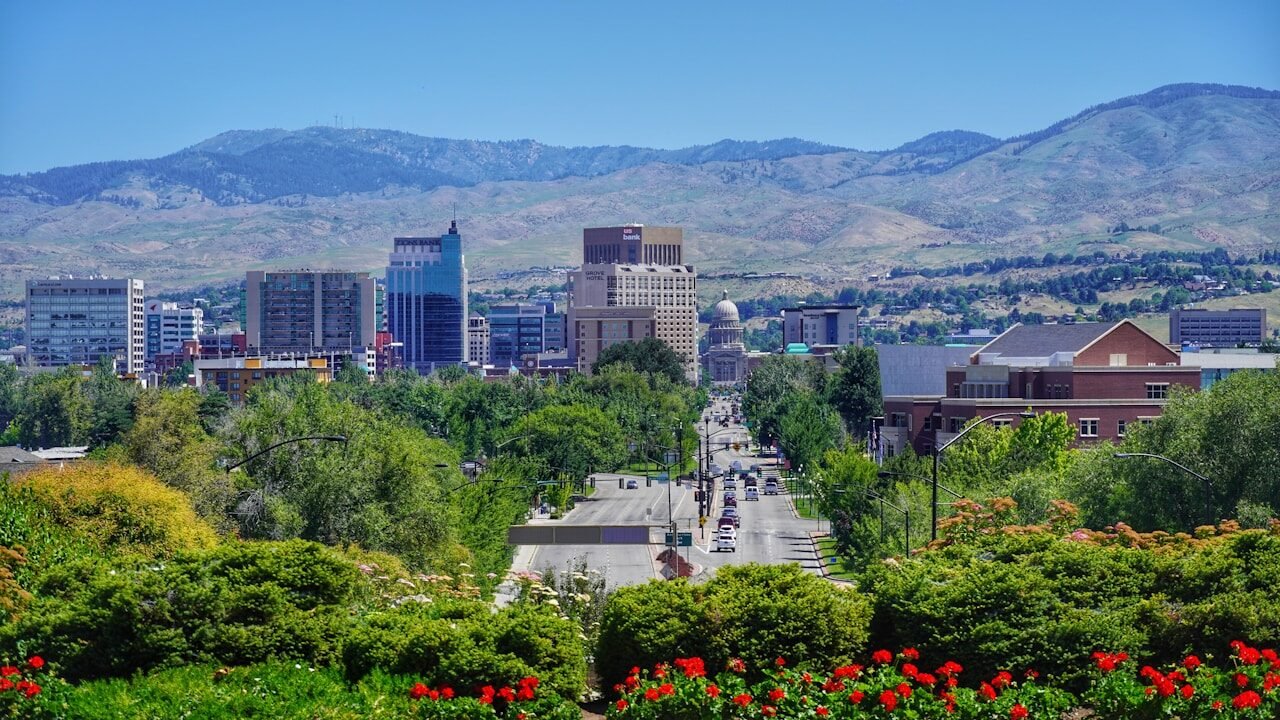
The average cost of living in Idaho depends on whether you rent, own, live in Boise, or choose a smaller city. Using the source figures provided, Idaho residents spend about $48,098 per year on total personal consumption, or roughly $4,008 per month per person. Major categories include housing and utilities, health care, groceries, gasoline and energy, and other personal expenses.
That statewide average is useful, but it does not tell the whole story. A renter in Twin Falls may have a very different budget than a homeowner in Boise or a buyer in Coeur d’Alene. Idaho’s rural areas may offer cheaper housing, but fuel costs, commute times, and access to health care can increase the real cost.
For answer-focused readers, the short answer is this: Idaho is near the national average overall, cheaper than many western states, but housing in popular cities can be expensive compared with local wages.
Housing is Idaho’s biggest cost pressure
Housing is the most important part of the Idaho budget. Zillow listed Idaho’s average home value at $480,645 as of May 31, 2026, up 1.1% over the past year. By comparison, Zillow listed the average U.S. home value at $370,320. That means Idaho home values are well above the national average, even though the state’s overall cost of living remains close to average.
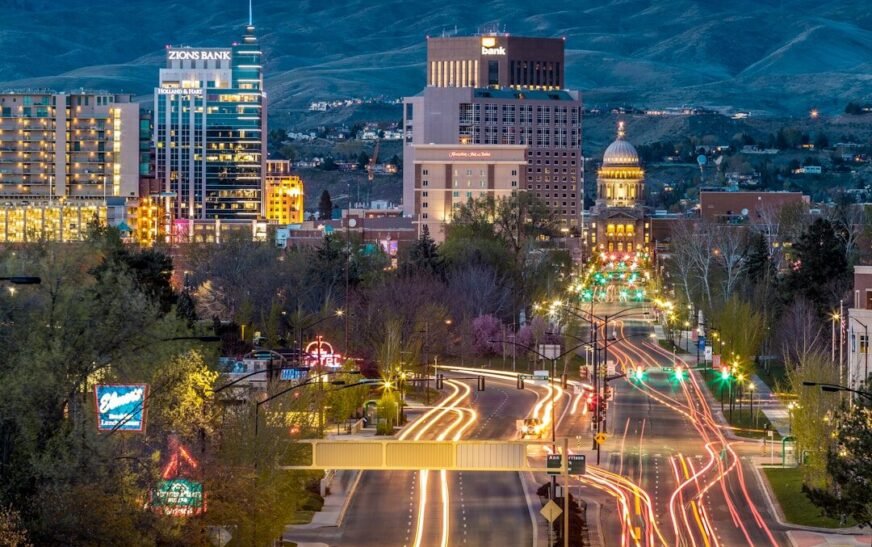
Boise remains one of the most expensive major markets in the state. Zillow listed Boise’s average home value at $508,045 as of May 31, 2026, up 0.8% over the past year. Coeur d’Alene, Sandpoint, and Hailey can be even more expensive because of lifestyle demand, lake access, tourism, limited supply, and higher-income buyers.
Smaller markets are often easier for buyers. Burley, Pocatello, Mountain Home, Blackfoot, Twin Falls, Lewiston, Idaho Falls, and Rexburg generally offer lower prices than Boise or resort-adjacent areas. However, local wages and job opportunities must be carefully compared before assuming that a lower home price means an easier budget.
Rent in Idaho is below some western states, but rising
Renters may find Idaho more affordable than Colorado, Washington, Oregon, or California, but rents have still risen in many cities. RentCafe reported that the average apartment rent in Idaho was $1,674 in June 2026, up 2.47% from the previous year.
Boise rents are higher than those in many smaller Idaho cities. RentCafe reported Boise’s average apartment rent at $1,720, up 3.04% from the previous year. Apartments.com listed Boise’s average rent at $1,526 in May 2026, compared with a national average of $1,644. Different rent platforms use different property samples, but both show Boise as more expensive than many Idaho communities while still below some national metro averages.
Pocatello is a lower-cost option, with RentCafe listing average rent at $1,427 in June 2026. Twin Falls, Idaho Falls, Lewiston, and other mid-sized markets may also appeal to renters who want Idaho’s lifestyle without Boise prices.
Utilities are one of Idaho’s strongest savings categories
Utilities are one place where Idaho has a clear cost advantage. RentCafe says Idaho utilities are 25% below the national average, helping offset some housing pressure. The user-provided data estimates average utility costs around $359 per month, including electricity, gas, cable or satellite, and water and sewer.
Electricity and natural gas costs can vary by season, home size, insulation, and heating system. Idaho winters can be cold, especially in the state’s eastern and northern regions, so heating costs should not be overlooked. Still, compared with many states, utility costs are generally manageable.
Newcomers should ask for recent utility bills before renting or buying. An older home in a cold area can cost more to heat than a newer apartment in Boise, Twin Falls, or Idaho Falls.
Groceries and food costs are manageable

Grocery costs in Idaho are generally close to the national average. The user-provided data estimates average food and beverage spending at $3,830 per person per year, or about $319 per month.
City differences still matter. Twin Falls tends to rank higher for grocery affordability than Boise, according to the Council for Community and Economic Research comparison. Boise’s grocery index is higher than Twin Falls, partly because it is a larger, faster-growing metro with more expensive neighborhoods and stronger demand.
Eating out can quickly raise the budget, especially in Boise, Coeur d’Alene, resort towns, and tourist-heavy areas. Families trying to keep costs down can benefit from cooking at home, buying in bulk, using discount grocery stores, and shopping for local produce when available.
Transportation costs depend on distance and lifestyle
Idaho is largely car-dependent. Outside of Boise and a few local transit options, most residents need a vehicle for commuting, school, errands, and medical appointments.
MIT Living Wage figures cited in the user-provided data estimate annual transportation costs at $10,021 for one adult with no children, $11,597 for two working adults with no children, and $18,819 for two working adults with three children. These numbers reflect how quickly cars, fuel, insurance, repairs, and household size affect the budget.
Rural living may reduce housing costs but increase transportation costs. A cheaper home, 30 or 40 minutes from work, can mean more gas, more maintenance, and more time on the road. That trade-off is especially important for families considering smaller Idaho towns.
Health care and child care can change the family budget

Health care is a major expense for Idaho. The user-provided data estimates average health care costs at $8,078 per person per year. Actual costs depend on insurance, employer coverage, age, prescriptions, family size, and access to nearby providers.
Health care access can vary sharply between Boise and rural Idaho. Larger cities such as Boise, Meridian, Idaho Falls, Twin Falls, Pocatello, Lewiston, and Coeur d’Alene generally offer better access than remote areas.
Child care is another major cost. The supplied data estimates monthly child care costs at $1,002 for infant care, $865 for toddler care, $728 for preschool care, and $892 for home-based family child care. For young families, child care can easily become one of the top expenses after housing.
Idaho taxes are competitive, but groceries are taxed
Idaho has a relatively competitive tax system. The Tax Foundation ranks Idaho No. 9 overall in its 2026 State Tax Competitiveness Index and notes that Idaho reduced its individual and corporate income tax rate to 5.3% in 2025.
Property taxes are also comparatively low. Tax Foundation data shows Idaho property taxes paid as a percentage of owner-occupied housing value at about 0.50% in 2024. Low property taxes help homeowners, especially compared with high-tax states.
The drawback is that Idaho taxes groceries, which can affect lower- and middle-income households. The state offers grocery tax credits, but families should still include food taxes in their budget planning.
Best affordable places to live in Idaho
Twin Falls is one of Idaho’s stronger affordability options. It offers lower housing costs than Boise, access to the Magic Valley, outdoor recreation, and a growing regional economy.
Pocatello is another budget-friendly choice, with lower rents and home prices than Boise. Idaho Falls offers a mix of affordability, jobs, and access to eastern Idaho recreation. Lewiston appeals to people who want a smaller city with river access, while Burley, Blackfoot, and Mountain Home may suit buyers seeking lower home prices.
Boise remains the strongest job and lifestyle hub, but it is not the cheapest. Coeur d’Alene, Sandpoint, and Hailey are beautiful but much harder on the housing budget.
Is Idaho affordable in 2026?
Idaho is affordable compared with many western states, but it is not uniformly cheap. Utilities are low, groceries are manageable, and taxes are competitive. The challenge is housing, especially in Boise, Coeur d’Alene, Sandpoint, Hailey, and other high-demand markets.
For the best outcome, compare Idaho cities before moving. A family priced out of Boise may find better value in Twin Falls, Pocatello, Idaho Falls, Lewiston, or Burley. Idaho can still offer space, scenery, and quality of life, but the numbers must work at the local level.
TLDR
- Idaho’s cost of living is about 1% below the national average in 2026.
- Idaho housing costs are about 5% below the national average by RentCafe’s index, but average home values are above the U.S. average.
- Zillow listed Idaho’s average home value at $480,645 as of May 2026.
- The average apartment rent in Idaho was $1,674 in June 2026.
- Boise is more expensive than many Idaho cities, with an average home value of $508,000 or more.
- Utilities are a major savings category, running about 25% below the national average.
- Idaho’s flat income tax rate is 5.3%, and the state ranks No. 9 in tax competitiveness.
- Twin Falls, Pocatello, Idaho Falls, Lewiston, Burley, and Blackfoot are often more affordable than Boise, Coeur d’Alene, Sandpoint, or Hailey.