
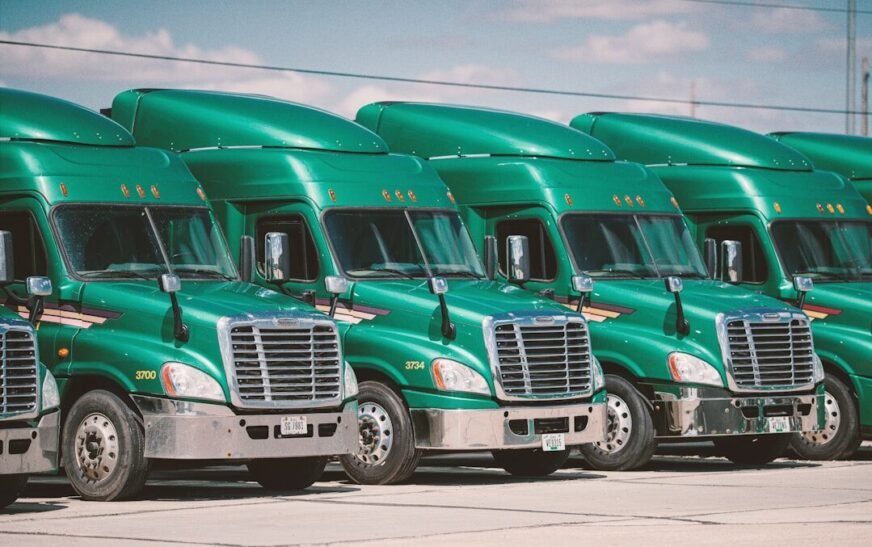
California has opened its public roads to autonomous heavy-duty truck testing, marking a major change for a state that had previously kept large self-driving commercial vehicles out of its autonomous vehicle program.
Aurora Innovation and Kodiak AI became the first companies to report receiving California permits under the expanded rules. Kodiak received its permit on August 13, 2026, and began testing a small number of trucks, primarily near its Mountain View operations.
The change does not mean that completely driverless semis can immediately operate anywhere in California. The initial permits require human safety drivers and include additional restrictions intended to provide regulators with greater oversight as heavy autonomous vehicles enter the state.
California lifted its heavy truck restriction
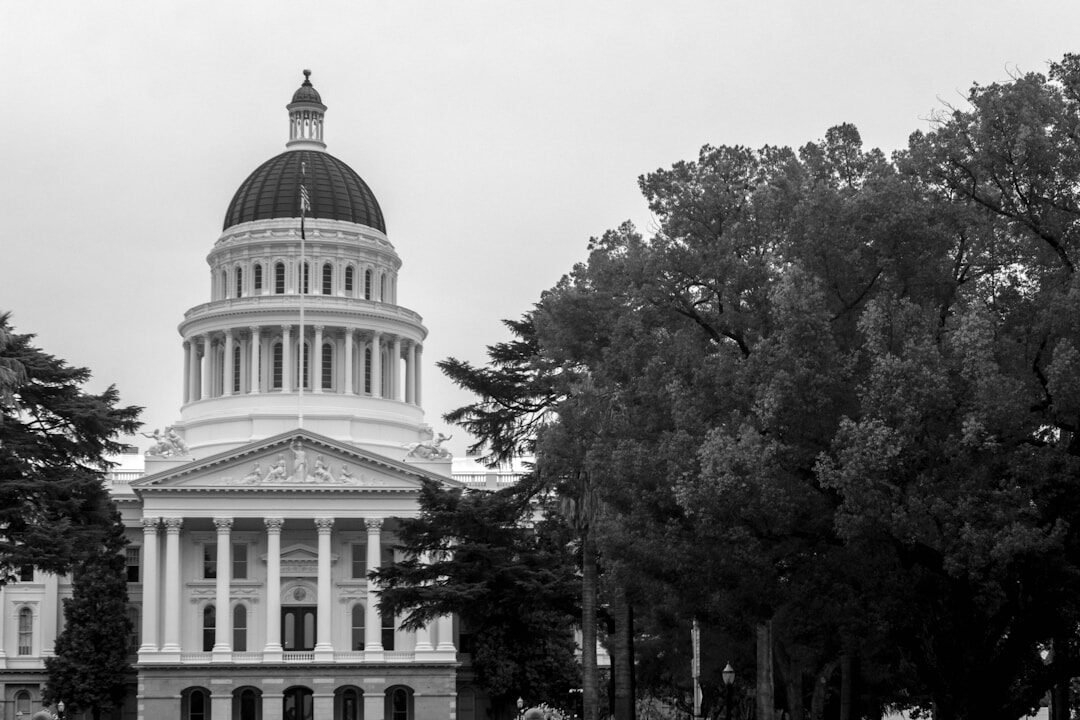
California previously excluded autonomous vehicles with a gross vehicle weight rating of 10,001 pounds or more from its testing and deployment programs.
The DMV’s newly adopted regulations remove that prohibition, allowing heavy-duty autonomous vehicles to obtain permits for testing and eventually deployment on public roads. Heavy autonomous trucks must still comply with applicable state and federal commercial vehicle regulations, including stopping at California Highway Patrol weigh stations.
The change is significant because California had already allowed extensive testing of autonomous passenger vehicles while maintaining tighter restrictions on large trucks.
Aurora and Kodiak received early permits
Aurora Innovation and Kodiak AI were the first autonomous trucking developers to receive testing permits under the expanded program.
Kodiak announced that the DMV granted its heavy-duty testing permit on August 13. The company said it had begun with a handful of vehicles and would focus much of its initial California testing around Mountain View.
Both companies develop autonomous hardware and software that can be integrated into Class 8 trucks rather than designing every truck entirely from scratch.
A safety driver is still required
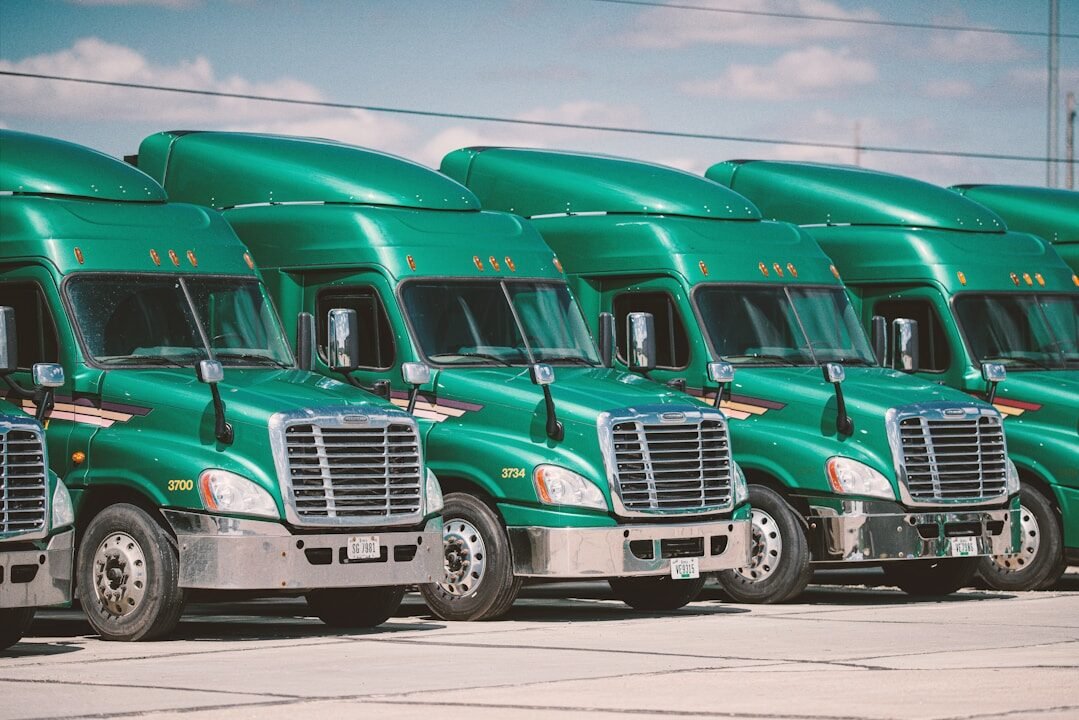
California’s first stage does not allow these companies to remove the driver from the cab.
Kodiak’s permit specifically authorizes autonomous operation with a human safety driver behind the wheel. The company describes this as the first stage in California’s phased regulatory process, which can progress from drivered testing to driverless testing and eventually commercial driverless deployment.
That distinction matters for motorists. Seeing an autonomous semi on a California highway does not necessarily mean nobody is controlling or monitoring the vehicle from inside.
The rules add new safety oversight
California paired its expansion into autonomous trucking with broader changes to the regulation of self-driving companies.
The DMV now requires additional reporting on incidents such as system failures, vehicle immobilizations, hard braking events, collisions, and autonomous miles traveled. Regulators can also impose restrictions on fleet size, operating locations, speed, or weather conditions when they believe public safety requires it.
Local emergency officials can issue geofencing directives requiring autonomous fleets to leave designated emergency areas, helping firefighters, police, and other responders avoid conflicts with automated vehicles.
California had fallen behind other states

Autonomous trucking companies have spent years building operations in states with more permissive regulations.
Texas has become particularly important for the industry. Kodiak already operates driverless trucks in industrial service there, while Aurora has developed commercial autonomous trucking routes across Texas and neighboring states.
California’s previous weight restriction meant companies headquartered or operating engineering facilities in the state often had to conduct their heavy-truck testing elsewhere.
The new rules allow developers to conduct more road testing closer to their California engineering teams.
Autonomous trucks could change freight movement
Supporters believe autonomous trucks could eventually keep freight moving for longer periods because automated driving systems are not subject to human fatigue in the same way professional drivers are.
Companies also argue that autonomous systems could help address long-haul trucking capacity and improve logistics efficiency.
Those potential benefits depend on reliable technology, vehicle maintenance, remote support, and safe interaction with human drivers. Heavy trucks can weigh tens of thousands of pounds, making failures particularly serious when they occur at highway speeds.
California’s phased approach is intended to test those risks before companies receive permission for wider deployment of driverless vehicles.
Driverless deployment is the bigger test

The current permits represent only an early stage of California’s autonomous trucking rollout.
Kodiak says the state’s process progresses from testing with a safety driver to driver-out testing and ultimately driver-out deployment. Each stage requires regulatory approval rather than automatically following from the first permit.
That means California highways are not suddenly open to unrestricted fleets of empty-cab semis.
The larger debate will come as companies seek permission to remove safety drivers and transport commercial freight without anyone behind the steering wheel. Regulators will then have to weigh safety records, enforcement, emergency response, labor concerns, and the potential economic benefits of autonomous trucking.
TL;DR
- California now allows permitted testing of autonomous vehicles weighing 10,001 pounds or more.
- Aurora Innovation and Kodiak AI were the first autonomous trucking companies reported to receive permits.
- Kodiak received its California permit on August 13, 2026.
- Kodiak has begun testing a small fleet, mainly around Mountain View.
- Current heavy-truck testing still requires a human safety driver.
- California can impose restrictions involving speed, location, weather, and fleet size for safety reasons.
- Fully driverless testing and commercial deployment require additional regulatory approval.