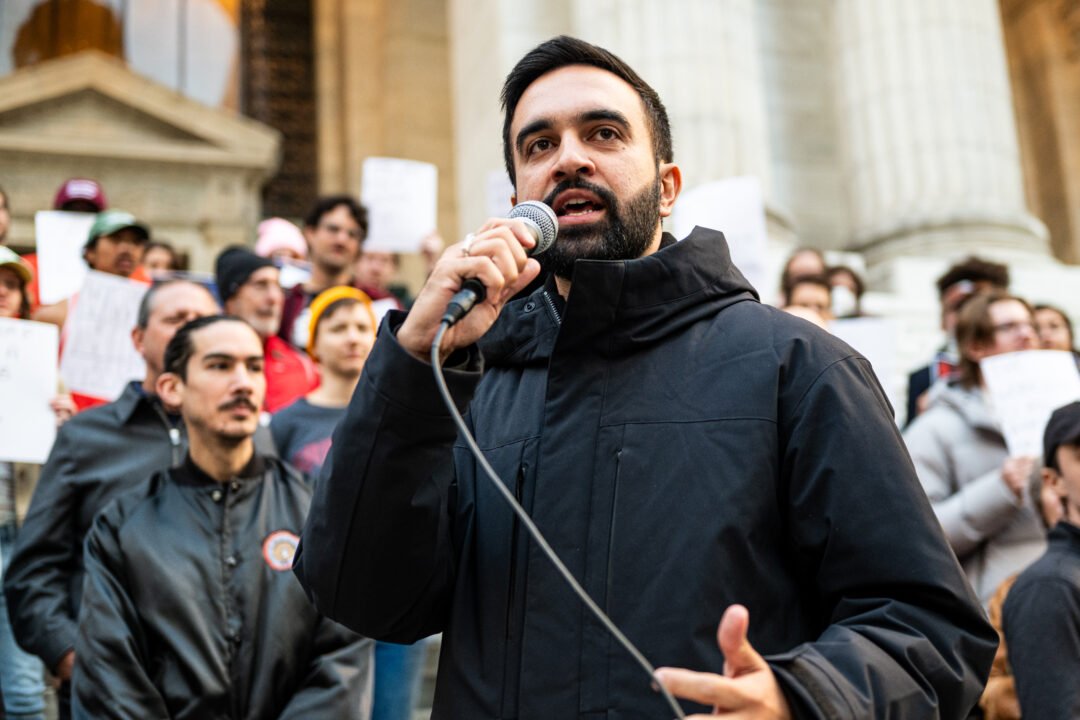

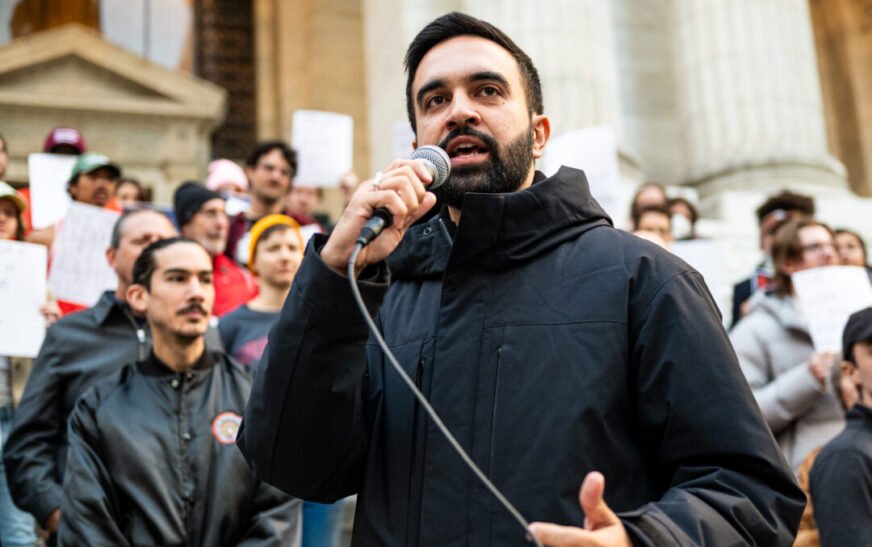
New York City Mayor Zohran Mamdani and City Council Speaker Julie Menin called on state leaders to provide more revenue and financial relief as the city worked to close a multibillion-dollar budget gap.
The unusual joint appeal came while Gov. Kathy Hochul and state lawmakers were still negotiating New York’s fiscal year 2027 budget. City officials delayed the release of the mayor’s executive budget so it could reflect any final funding decisions made in Albany.
Mamdani and Menin focused on changes to a tax credit for business owners, pension-related savings, school funding relief, and state policies they said had shifted billions of dollars in costs onto New York City.
NYC faced a difficult budget outlook

New York City entered the 2027 budget process with spending pressures tied to shelters, rental assistance, public benefits, special education, foster care, overtime, and transportation.
Earlier in 2026, City Comptroller Mark Levine estimated that the city faced a $2.2 billion shortfall in fiscal year 2026 and a possible $10.4 billion gap in fiscal year 2027. Later forecasts improved as tax revenue and state aid estimates increased, but officials continued to warn about long-term structural problems.
Mamdani described the situation as a generational fiscal challenge that could not be solved entirely through temporary measures.
City leaders asked Albany for more revenue
Mamdani and Menin urged the governor and state Legislature to give New York City a larger share of revenue in the unfinished state budget.
They argued that the city contributed 55.6% of state revenue but received only 41.7% of state spending in return. They also said New York City’s economy grew by 110% between 2010 and 2024, compared with 68% growth in the rest of the state.
Those figures formed the basis of their argument that the city was supporting statewide economic growth without receiving sufficient support to cover its rising expenses.
A PTET change could raise nearly $1 billion
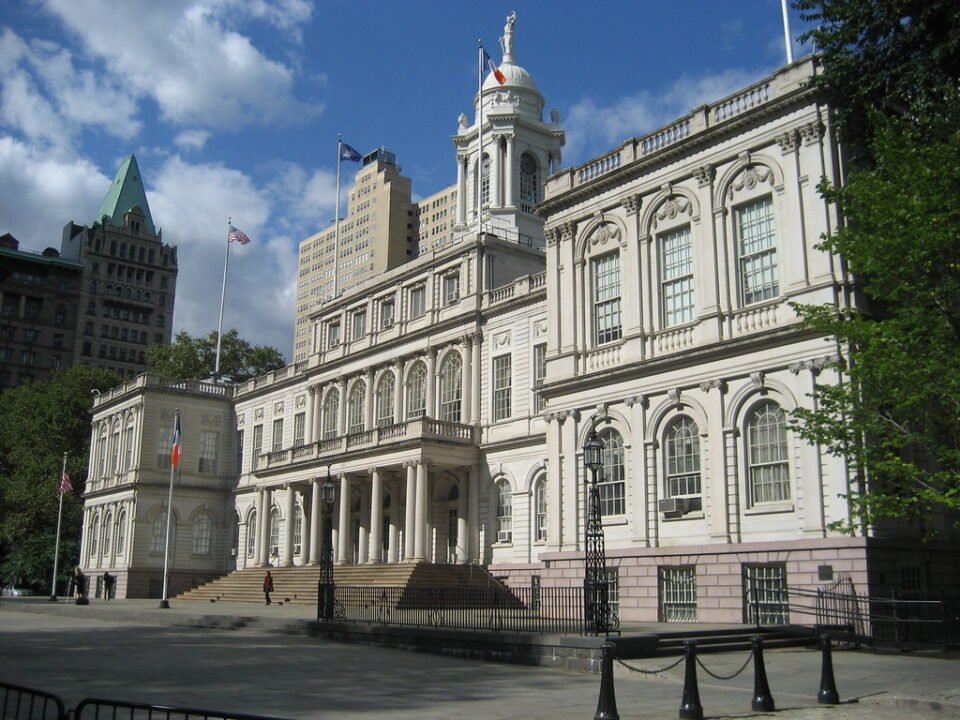
The main revenue proposal involved New York City’s Pass-Through Entity Tax, commonly called the PTET.
The tax allows partnerships and other pass-through businesses to pay a city-level tax that can be deducted on federal returns. Business owners then receive a New York City tax credit equal to 100% of the amount paid.
Mamdani and Menin asked Albany to reduce that credit to 75%. They estimated the change would raise nearly $1 billion for the city while still allowing participating taxpayers to receive a federal tax benefit.
High earners receive most PTET credits
City officials presented the PTET proposal as a way to collect more revenue from wealthy taxpayers without eliminating the program.
Mamdani said more than 95% of the credits went to people earning over $1 million annually, while more than 80% went to those making above $5 million. He argued that lowering the credit would preserve some federal tax savings while directing more money toward city services.
Critics could view the reduction as a tax increase on business owners and investors. Any change requires approval from state officials because the city cannot revise the credit on its own.
Pension changes could provide savings
The mayor and speaker also supported restructuring the city’s unfunded pension liability.
The proposal would adjust the schedule for paying certain pension costs, providing near-term budget relief without reducing benefits promised to current or future retirees. Public pension benefits are protected under the New York State Constitution.
However, re-amortizing pension obligations would mainly change when the city pays those costs rather than eliminating them. The comptroller later warned that the city’s budget depended heavily on short-term pension savings and other one-time actions.
School mandate relief was also requested

City Hall sought relief from New York’s class-size mandate, which requires the public school system to reduce the number of students in many classrooms.
Mamdani and Menin said class-size flexibility, combined with pension restructuring, could save the city more than $1 billion. They did not call for abandoning smaller classes but wanted the state to provide more funding or adjust implementation requirements.
The city argued that state mandates should not require large local expenditures without enough state support. Education advocates could oppose changes that slow efforts to reduce crowded classrooms.
Officials criticized state cost shifts
The mayor and speaker also accused Albany of transferring expenses to the city over many years.
They cited the loss of Aid and Incentives for Municipalities funding, changes to shelter assistance, reduced foster care support, and lower aid for low-income families. They said limits involving adult shelter funding had added about $500 million in city costs, while other state decisions had shifted approximately $480 million in Metropolitan Transportation Authority expenses to the city.
Reducing those obligations could help the city without creating a new local tax, but it would require the state to provide more money or accept greater responsibility for the costs.
The city delayed its executive budget

The mayor and speaker agreed to extend the deadline for the city’s fiscal year 2027 executive budget until May 12.
The delay allowed the administration to wait for the final state budget before deciding how much New York City needed to raise, save, or cut.
The extension did not resolve the underlying deficit. It gave city officials more time to determine which state proposals would become law and how those decisions would affect the city’s financial plan.
The larger challenge remained balancing the budget without cutting essential services, relying too heavily on temporary savings, or imposing tax increases that could weaken the city’s economy.
TL;DR
- Mayor Zohran Mamdani and Speaker Julie Menin asked Albany to help close New York City’s fiscal year 2027 budget gap.
- They proposed reducing the city PTET credit from 100% to 75%.
- City officials estimated the PTET change could generate nearly $1 billion.
- Pension restructuring and class-size mandate relief could provide more than $1 billion in additional savings.
- The city blamed several state policies for shifting the costs of shelter, transportation, foster care, and other services onto local taxpayers.
- The executive budget deadline was extended to May 12 while state budget negotiations continued.
- Any PTET or state funding changes require action by Gov. Kathy Hochul and the New York Legislature.