
Federal immigration arrests increased sharply across New York City after President Donald Trump returned to office, placing new attention on enforcement activity at courthouses.
A city audit found that Immigration and Customs Enforcement arrested 5,567 people in the New York City area between January 20, 2025, and March 10, 2026. More than half of those arrests reportedly occurred at or near the immigration court inside 26 Federal Plaza in Manhattan.
The increase renewed concerns that people could avoid hearings, abandon legal claims, or decline to cooperate with local courts out of fear of detention.
NYC recorded a sharp increase in arrests
Federal immigration arrests in New York City rose 71% compared with a similar period at the end of the Biden administration, according to an audit ordered by the city.
The audit counted 5,567 ICE arrests in the New York City area during approximately the first 14 months of Trump’s second term. The pace accelerated during that period, reaching 9,619 arrests after broader regional data were included through early 2026.
The data also showed that most people arrested did not have criminal convictions. The share with convictions declined from about 27% during the first six months to 21.5% after nearly 14 months.
Federal Plaza became a major arrest site
Much of the controversy centered on 26 Federal Plaza, where immigrants regularly attended hearings, check-ins, and other appointments.
More than half of the arrests identified by the city audit occurred at the building’s immigration court. Reports described ICE officers waiting outside courtrooms and detaining people after government lawyers asked judges to dismiss their cases.
Advocacy groups said courthouse arrests became far more common in New York City than elsewhere in the country during 2025. One analysis found that roughly half of all immigration courthouse arrests nationwide during part of that summer occurred in Manhattan.
State and federal courthouses follow different rules
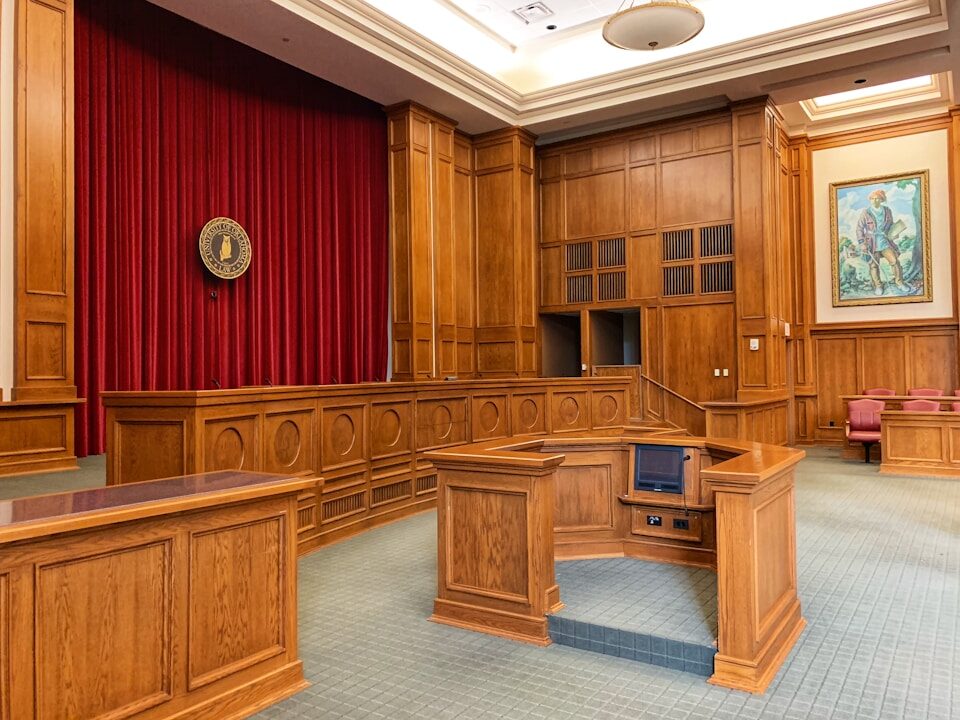
New York’s state courts are separate from federal immigration courts, such as those at Federal Plaza, Varick Street, and Broadway in Manhattan.
The state’s Protect Our Courts Act generally prohibits civil immigration arrests in or around New York state courthouses without a judicial warrant or court order. An administrative immigration warrant signed by an ICE official does not provide the same protection as a warrant approved by a judge.
ICE agents were still reported to be making some arrests in courthouse hallways or outside buildings, where disputes could arise over how far state protections extended.
A judge restricted Manhattan court arrests
On May 18, 2026, a federal judge restricted most ICE arrests at or near three Manhattan immigration courthouses.
The order covered 26 Federal Plaza, 201 Varick Street, and 290 Broadway. It generally limited arrests to exceptional situations, including cases involving serious public safety or national security concerns.
However, an immigrant was arrested at one of the covered locations the following day. Advocates questioned whether the detention violated the order, while federal officials did not immediately explain whether an exception applied.
A broader federal policy was also blocked

A separate federal ruling in June 2026 invalidated Trump administration policies that had expanded courthouse arrests nationwide.
The judge found that ICE and the Executive Office for Immigration Review had not adequately explained why they abandoned earlier restrictions. The decision restored guidance limiting courthouse arrests to unusual circumstances and reduced the maximum period for some courthouse-related detention practices.
The rulings did not eliminate ICE’s general enforcement authority. They instead focused on where arrests could occur, what justification was required, and whether courthouse attendance should expose people to routine detention.
Lawyers warn of a chilling effect
The New York City Bar Association had raised similar concerns during the first Trump administration, when courthouse enforcement also rose sharply.
Its report warned that immigrants might stop appearing as defendants, witnesses, tenants, or crime victims if courthouses became predictable arrest locations. That could delay cases, weaken prosecutions, waste court resources, and make it harder for people to obtain protection orders or resolve family and housing disputes.
The report recommended requiring judicial warrants, limiting assistance from state court employees, reducing unnecessary appearances, and making courthouse enforcement records available to the public.
Court access affects more than immigration cases
Courthouse arrest policies can affect criminal, housing, family, and civil proceedings unrelated to a person’s immigration case.
Prosecutors may struggle to move cases forward when witnesses are afraid to appear. Tenants may avoid challenging unsafe housing conditions, while abuse survivors may decide not to seek court protection.
The concern is not that attending court prevents lawful immigration enforcement everywhere. It is that turning court appearances into routine arrest opportunities may discourage participation in the justice system and interfere with state and local public safety goals.
New York continues to limit local cooperation
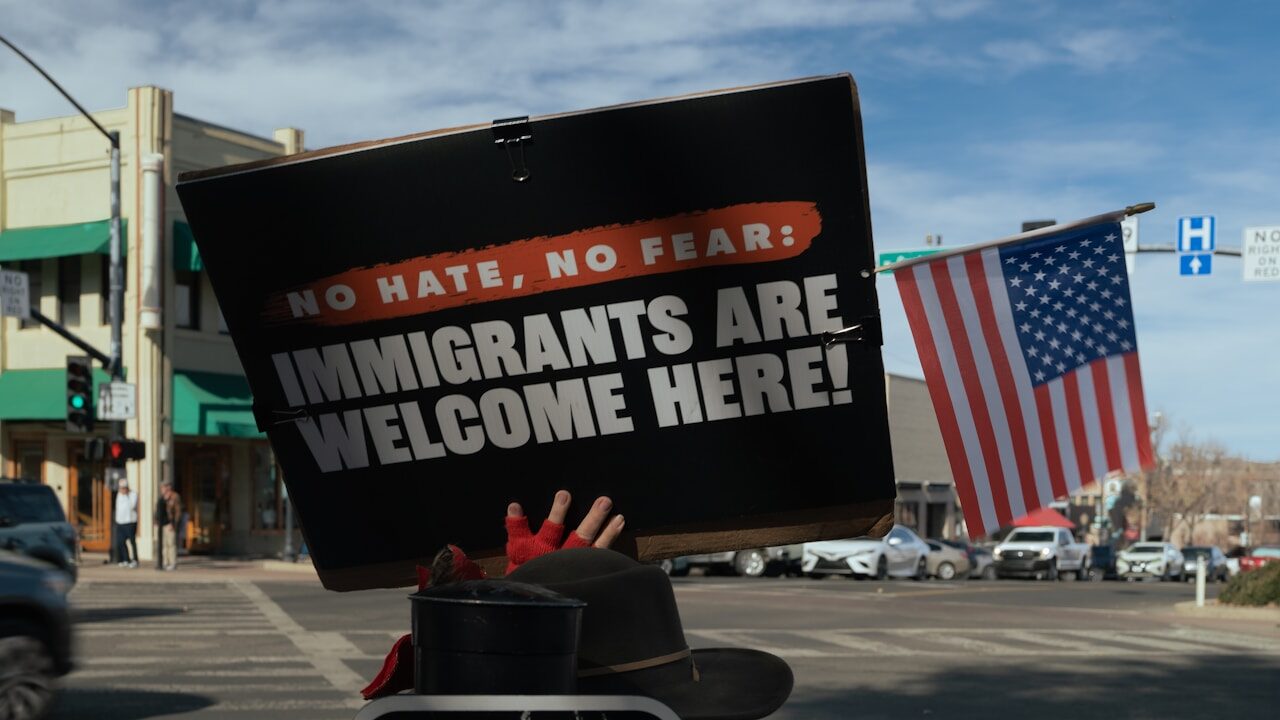
New York officials continued developing policies intended to separate local law enforcement and public services from federal civil immigration enforcement.
The state defended the Protect Our Courts Act against a federal challenge, which a district court dismissed in November 2025. New York also approved additional protections in 2026 covering sensitive locations and cooperation between local agencies and ICE.
Supporters said those policies preserved trust between immigrant communities and local institutions. Federal officials argued that restrictions made enforcement more difficult and could prevent ICE from arresting people it considered removable.
The debate remained focused on how to balance federal immigration authority with access to courts, due process, and New York’s control over its justice system.
TL;DR
- A city audit counted 5,567 ICE arrests in the New York City area from January 20, 2025, through March 10, 2026.
- Federal immigration arrests rose 71% compared with a similar period under the previous administration.
- More than half of the documented arrests occurred at or near 26 Federal Plaza.
- New York state law generally requires a judicial warrant for civil immigration arrests at state courthouses.
- A May 2026 ruling restricted most arrests at three Manhattan immigration courts.
- A separate June ruling blocked broader federal courthouse arrest policies.
- Lawyers warn that courthouse arrests may discourage witnesses, victims, tenants, and other immigrants from using the justice system.