

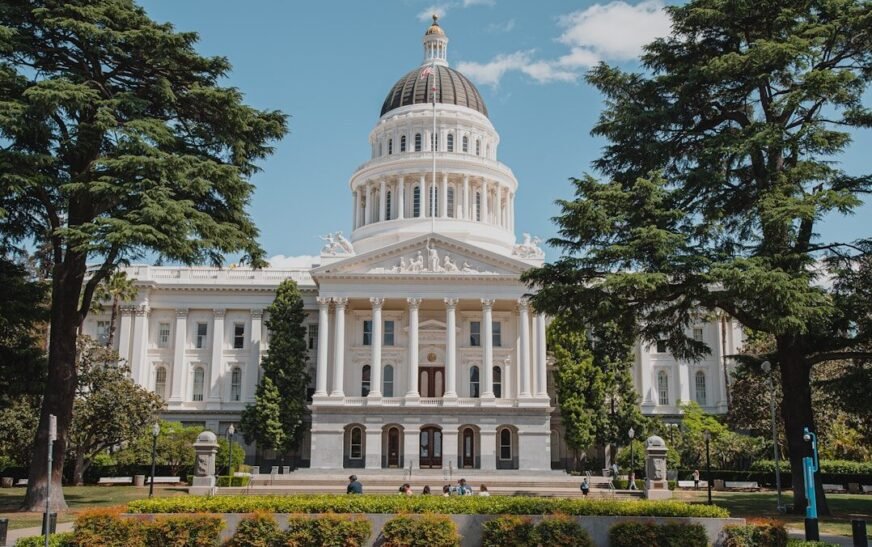
California Gov. Gavin Newsom proposed extending the state’s sales tax to downloaded software and online software subscriptions, potentially raising costs for businesses and consumers beginning in 2027.
Under existing California rules, prewritten software sold with a physical item, such as a disk, is generally taxable. The same program can avoid sales tax when downloaded or accessed remotely via a software-as-a-service subscription.
Newsom’s proposal would remove that difference by taxing prewritten software regardless of how customers receive it. Custom-built software would remain exempt, while lawmakers would decide whether the change became part of the final state budget.
California could tax digital software

The proposal would extend California’s sales and use tax to retail sales of digital prewritten software beginning January 1, 2027.
It would cover software delivered through a physical product, electronic download, local hosting, or remote internet access. That means many software-as-a-service (SaaS) subscriptions could become taxable.
Prewritten software generally refers to programs developed for multiple customers rather than for a single buyer.
Current rules depend on delivery
California’s existing approach treats similar software purchases differently based on how the product reaches the customer.
Prewritten software transferred on a disk, flash drive, or other physical storage medium is generally subject to sales tax. A program downloaded from a server is generally not taxable when the customer receives no physical property.
Software accessed entirely through the internet is also generally outside the sales tax base. The proposal would tax the software itself instead of relying on its delivery method.
Custom software would remain exempt
The proposed change would not apply to every technology product or service sold in California.
Software created to meet the special requirements of one customer would remain exempt. Separately stated charges for qualifying custom modifications could also continue receiving different tax treatment.
The proposal focused on prewritten programs, including standard business applications and subscription platforms. It did not broadly extend the sales tax to streaming video, digital music, electronic books, or every online service.
The tax could raise $2 billion annually

The Newsom administration estimated that the change would generate $450 million for California’s General Fund during the 2026-27 fiscal year.
Local governments could receive another $560 million during that half-year period. Once the tax was in effect for a full year, projected revenue would rise to $900 million for the state and $1.1 billion for local governments.
Actual collections could be hundreds of millions of dollars above or below those projections because the size and growth of California’s software market are uncertain.
Businesses may carry most of the cost
Newsom said the administration expected approximately 75% of the newly taxable transactions to involve business-to-business sales.
Companies use subscription software for payroll, accounting, cybersecurity, customer management, data storage, communication, and other daily operations. Applying sales tax could therefore affect businesses of many sizes rather than only individual software customers.
Some companies could absorb the expense, while others might increase prices for their own products and services. Businesses purchasing expensive software packages could face considerably larger tax bills than individual consumers.
California says the system needs updating
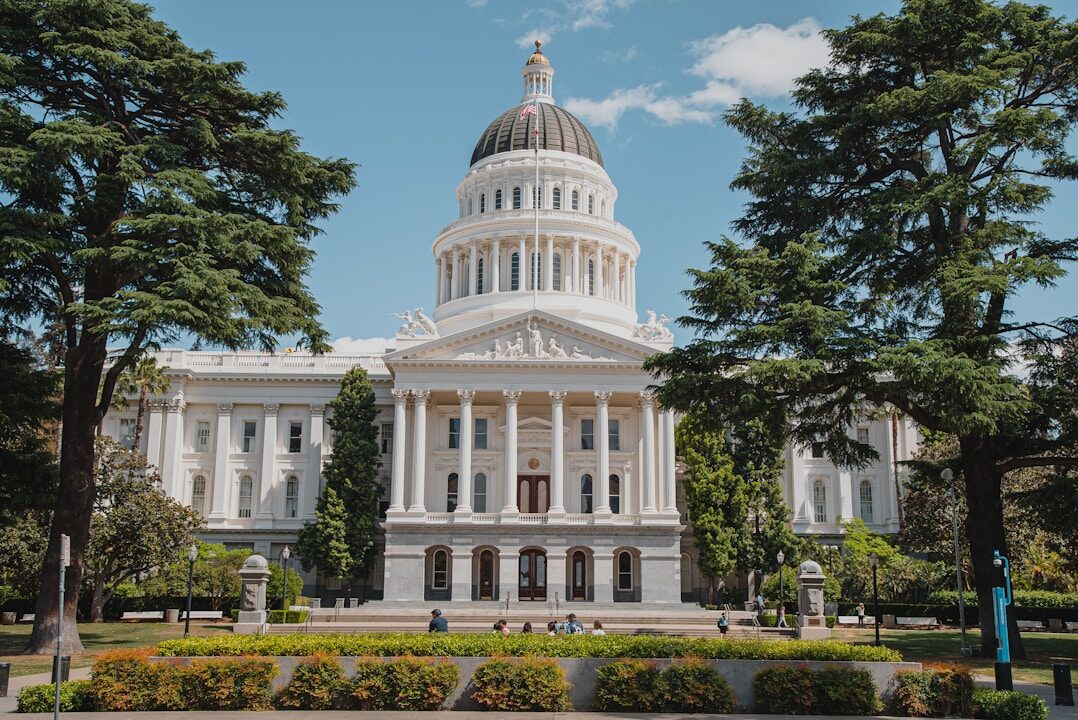
Supporters argued that California’s tax code had not kept pace with changes in how people purchase and use technology.
When the state created its sales tax nearly a century ago, consumer spending was concentrated on physical goods. A growing share of spending now goes toward digital products and services that may not be taxed.
Newsom’s proposal would remove one inequity: a shopper who buys software from a store pays tax, while another who purchases the same program online does not.
The administration also noted that most states with statewide sales taxes already tax at least some digitally delivered prewritten software.
Analysts warned about business taxes
California’s Legislative Analyst’s Office found merit in modernizing the sales tax but raised concerns about applying it extensively to business purchases.
Sales taxes are generally intended to apply to final consumption. Taxing software that one business uses to produce goods or services can create multiple layers of taxation before a product reaches the consumer.
The office warned that these costs could favor companies that perform more operations internally over businesses that purchase services from outside vendors. It suggested considering exemptions or lower rates for business software, similar to policies used in Connecticut, Iowa, Maryland, and New Jersey.
Lawmakers could modify the proposal
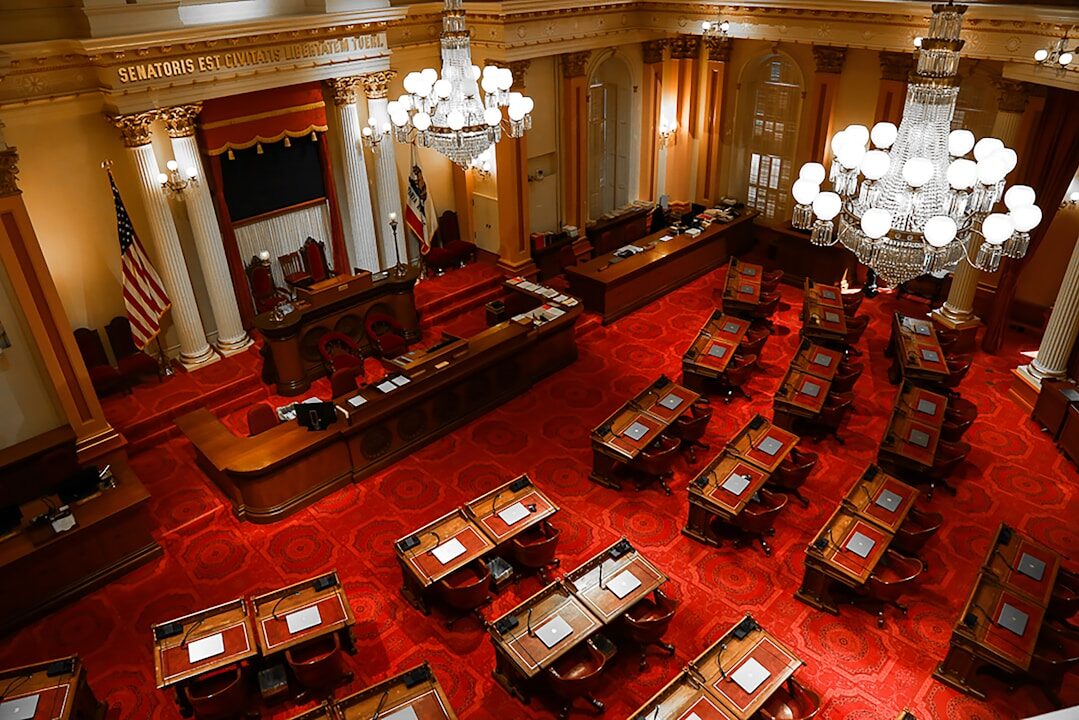
The software tax was included in Newsom’s May revision of the 2026-27 state budget, but it required approval from the California Legislature.
Lawmakers could accept the proposal, reject it, delay its start date, or change which transactions qualify. They could also create exemptions for small businesses, business-to-business purchases, or particular industries.
The Legislative Analyst’s Office suggested that lawmakers consider a broader approach covering additional digital products while protecting some business purchases from the full tax.
For California customers, the final effect would depend on the tax rate in their location and whether software companies passed the added charge directly to buyers.
TL;DR
- Gov. Gavin Newsom proposed taxing digital prewritten software beginning January 1, 2027.
- The change would cover downloads, remotely accessed software, and many SaaS subscriptions.
- Custom software would remain exempt.
- California currently taxes many physical software purchases, but generally not downloaded programs.
- The proposal could raise $900 million annually for the state and $1.1 billion for local governments.
- About 75% of the affected transactions were expected to be business-to-business sales.
- State analysts recommended considering exemptions or reduced rates for software purchased by businesses.