


Minnesota appeals to families, remote workers, students, and retirees because it combines the Twin Cities economy with strong health care, universities, lake towns, and outdoor recreation. But anyone moving to Minnesota should look beyond the “Land of 10,000 Lakes” image and ask a practical question. How much does it cost to live in Minnesota in 2026?
The short answer is that Minnesota is still slightly cheaper than the U.S. average, but not in every category. MERIC’s first-quarter 2026 cost of living index placed Minnesota at 93.4, compared with the national baseline of 100. Housing was the biggest advantage at 79.5, while health care was higher than average at 111.5.
How much does it cost to live in Minnesota?

A useful starting point is consumer spending. Federal Reserve data based on U.S. Bureau of Economic Analysis figures show that Minnesota per capita personal consumption expenditures reached $58,433 in 2024, up from $55,825 in 2023. That number reflects spending across housing, utilities, food, health care, transportation, energy, and other goods and services.
The state’s higher incomes help. The Census Bureau lists Minnesota’s median household income at $89,062 in 2024 dollars for 2020 to 2024. Still, a household in Minneapolis, St. Paul, Rochester, or a popular lake community may face very different bills than a household in a smaller rural town.
Housing costs in Minnesota
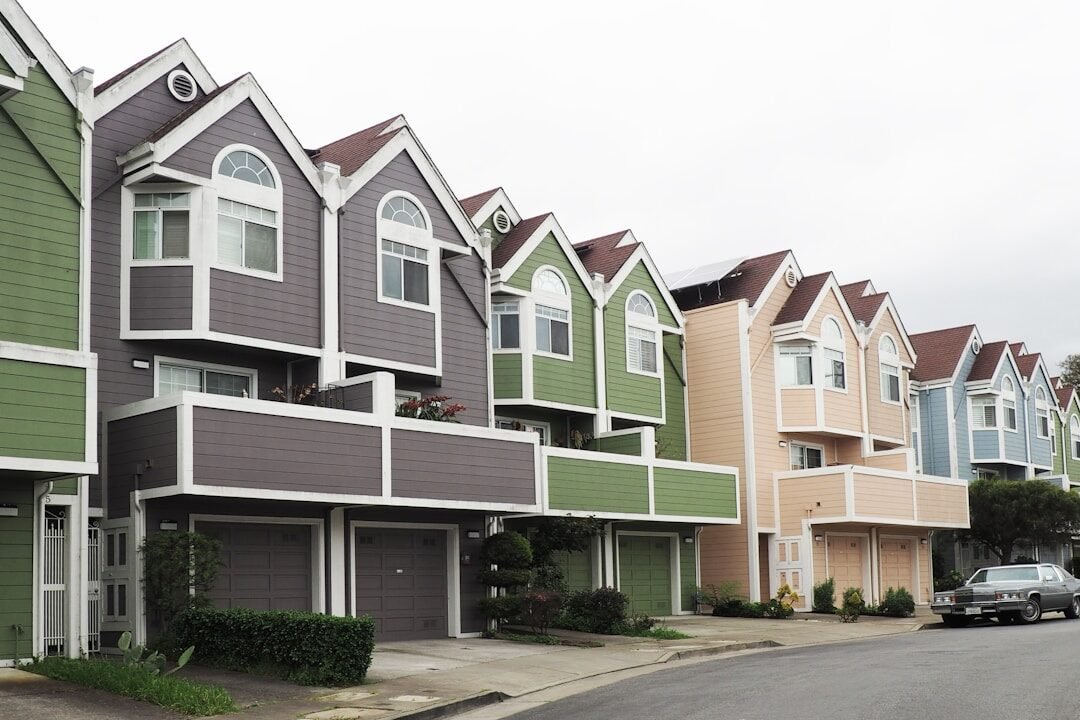
Housing is where Minnesota looks most affordable. Zillow reported the average Minnesota home value at $354,135 as of May 31, 2026, up 2.9% over the past year. That is below many coastal and mountain states, and it helps explain why Minnesota remains attractive to buyers who want more space without leaving a strong job market.
Renters also benefit from a market that is usually less intense than Boston, New York, Seattle, or California. The source material showed Minnesota housing costs below the U.S. average, though rent changes sharply by city, neighborhood, building age, and transit access.
The best value is often outside the most competitive areas. Duluth, Mankato, St. Cloud, Moorhead, and smaller towns can offer lower housing costs than the Minneapolis-St. Paul, though, job access and winter travel should be considered.
Food and grocery costs in Minnesota
Groceries in Minnesota are close to the national average. MERIC’s 2026 index put Minnesota grocery costs at 98.8, just under the U.S. baseline. Restaurant costs can vary by city, especially in the Twin Cities and lake resort areas.
Taxes help with food budgets. Minnesota has a 6.875% state sales tax, but most food for home consumption is exempt. Prepared foods, soft drinks, candy, and dietary supplements are taxable, so cooking at home can keep costs lower.
Dining out is the bigger swing factor. Restaurants in Minneapolis, St. Paul, and lake resort towns can quickly boost monthly spending. Seasonal produce, warehouse clubs, and fewer delivery fees can keep the food budget steadier.
Transportation costs in Minnesota
Transportation depends on where you live. Minneapolis and St. Paul have more transit options than most of the state, but many Minnesotans still need a car. In rural areas, a vehicle is often essential for work, school, medical appointments, and groceries.
Gas prices have changed since the older source figures. AAA listed Minnesota’s average regular gas price at $3.682 per gallon on July 9, 2026, compared with a national average of $3.846 that day. That made fuel cheaper than the U.S. average at the time, but it was still a recurring cost.
Winter adds another transportation layer. Residents should budget for winter tires, battery checks, and car washes to fight road salt and weather-related delays. Parking also matters in downtown Minneapolis, downtown St. Paul, and university areas.
Health care costs in Minnesota

Minnesota has a strong reputation for health care access, especially around the Twin Cities, Rochester, and major regional medical centers. But strong access does not always mean low cost. MERIC’s 2026 index put Minnesota health costs at 111.5, above the national baseline.
National employer coverage is also expensive. KFF’s 2025 Employer Health Benefits Survey found average annual family coverage premiums reached $26,993, with workers contributing $6,850 on average. Single coverage averaged $9,325. Minnesota workers should review premiums, deductibles, copays, and provider networks before moving.
Utility costs and winter bills in Minnesota
Utilities are where Minnesota’s cold weather matters most. EIA’s April 2026 data listed Minnesota residential electricity at 16.39 cents per kilowatt-hour, below the U.S. average of 18.83 cents per kilowatt-hour. Natural gas was also lower than the U.S. average, with Minnesota at $13.72 per thousand cubic feet and the U.S. at $18.17 per thousand cubic feet.
Those rates are helpful, but usage can climb during winter. A poorly insulated house can still produce high bills even when energy prices look reasonable. Renters should ask whether heat is included. Buyers should check insulation, windows, the age of the furnace, and average winter bills.
Taxes in Minnesota
Minnesota is not a low-tax state. Tax Foundation lists Minnesota’s graduated individual income tax rates from 5.35% to 9.85%. The state sales tax rate is 6.875%, and the average combined state and local sales tax rate is 8.04%. The effective property tax rate on owner-occupied housing value is listed at 0.98%.
The upside is that major necessities get some relief. Most groceries and clothing are generally exempt from Minnesota sales tax. Still, income taxes, property taxes, and local sales taxes can affect take-home pay and affordability.
Is Minnesota affordable for newcomers?

Minnesota is affordable compared with many high-cost states, especially because housing remains below the U.S. average. But the state is not uniformly cheap. Health care, taxes, childcare, winter utilities, and some Twin Cities costs can surprise newcomers.
The best fit is someone who values strong schools, outdoor recreation, stable jobs, access to health care, and the Midwestern quality of life. With the right community, Minnesota can deliver real value.
TL;DR
- Minnesota’s 2026 cost-of-living index is 93.4, below the U.S. baseline of 100.
- BEA-based data shows Minnesota residents spent $58,433 per person in 2024.
- Housing is the state’s biggest affordability advantage, with an average home value of $354,135 in May 2026.
- Gas was below the U.S. average on July 9, 2026, with AAA listing Minnesota regular gas at $3.682 per gallon.
- Electricity and natural gas rates were below U.S. averages in April 2026, but winter usage can still push bills higher.
- Minnesota has higher health care costs than average, according to MERIC’s 2026 index.
- Minnesota is still a strong value for many movers, but taxes, winter costs, and location matter.