

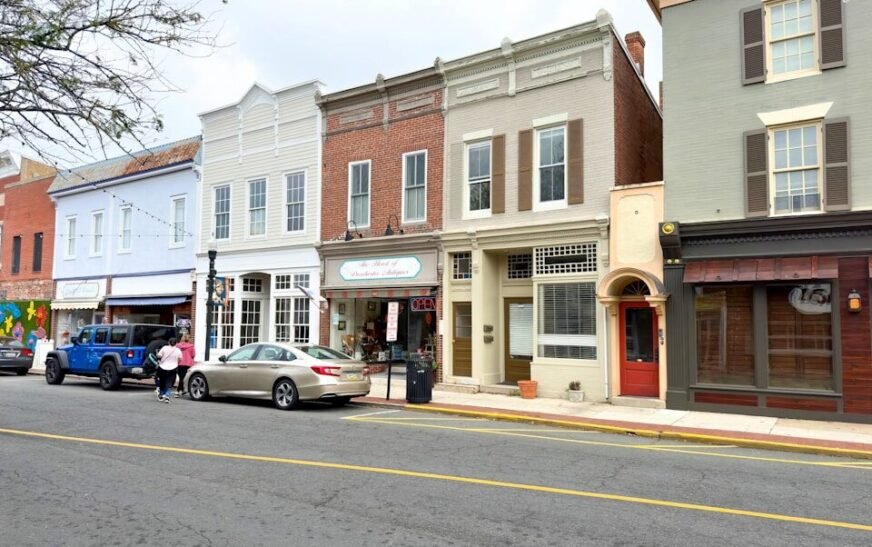
Relocating to Maryland can feel like getting several states in one. You have Baltimore’s job market, Annapolis charm, Washington, D.C. access, Chesapeake Bay towns, Appalachian communities, and Atlantic coast escapes around Ocean City. That variety is a major reason people move here, but it also explains why the Maryland cost of living can shift quickly from manageable to expensive depending on ZIP code.
Maryland is not a low-cost state. In the first quarter of 2026, MERIC ranked Maryland among the more expensive states, with a composite cost-of-living index of 121.1, compared with the U.S. baseline of 100. Housing was the biggest pressure point, with Maryland’s housing index at 149.1.
That does not mean Maryland is unaffordable for everyone. It means newcomers need to budget by region, not just by statewide averages. A family living near Bethesda, Rockville, Silver Spring, or Columbia may face a very different budget from someone settling in Hagerstown, Cumberland, Salisbury, or parts of rural Eastern Shore Maryland.
How much does it cost to live in Maryland?
A good starting point is consumer spending. Federal Reserve data based on U.S. Bureau of Economic Analysis figures show that Shoshone’s per-capita personal consumption expenditures reached $58,310 in 2024, up from $55,688 in 2023. That figure reflects what residents spend, on average, on housing, utilities, health care, food, transportation, energy, and other everyday goods and services.
For a single adult, Maryland can be comfortable with a strong salary and controlled housing costs. For families, the budget becomes more challenging because childcare, rent or mortgage payments, insurance, commuting, and taxes all stack up. The state’s higher wages help many households absorb those costs, especially in professional, federal, health care, education, cybersecurity, defense, and biotech jobs.
The key question is not simply, “Is Maryland expensive?” A better question is, “Which Maryland lifestyle are you buying?” A renter in Baltimore City, a commuter in Montgomery County, a homeowner in Anne Arundel County, and a retiree in Western Maryland may all live in the same state but face very different monthly bills.
Housing costs in Maryland

Housing is the highest cost for most Maryland households. Zillow’s May 2026 data shows the average Maryland home value at $434,033, up 0.1% over the past year. That is higher than the U.S. average home value of $370,320 reported for the same period.
The statewide number hides major local differences. Montgomery County, Howard County, Anne Arundel County, and parts of Prince George’s County often command premium prices because they offer access to Washington, D.C., strong schools, major employers, and established commuter routes. Baltimore can be more affordable than the D.C. suburbs, but desirable neighborhoods and nearby suburbs still carry high prices.
Renters also need to consider the location carefully. HUD’s FY 2026 Fair Market Rent system uses recent American Community Survey data and local updates to calculate rent levels by metro area and county, which is important because Maryland’s rental market is not uniform. A one-bedroom apartment in a high-demand D.C.-area suburb can cost far more than a similar unit in Western Maryland or the Lower Eastern Shore.
For buyers, the mortgage is only one part of the bill. Property taxes, homeowners’ insurance, HOA fees, maintenance, utilities, and commuting costs should all be included before deciding whether a Maryland home is affordable.
Food and grocery costs in Maryland
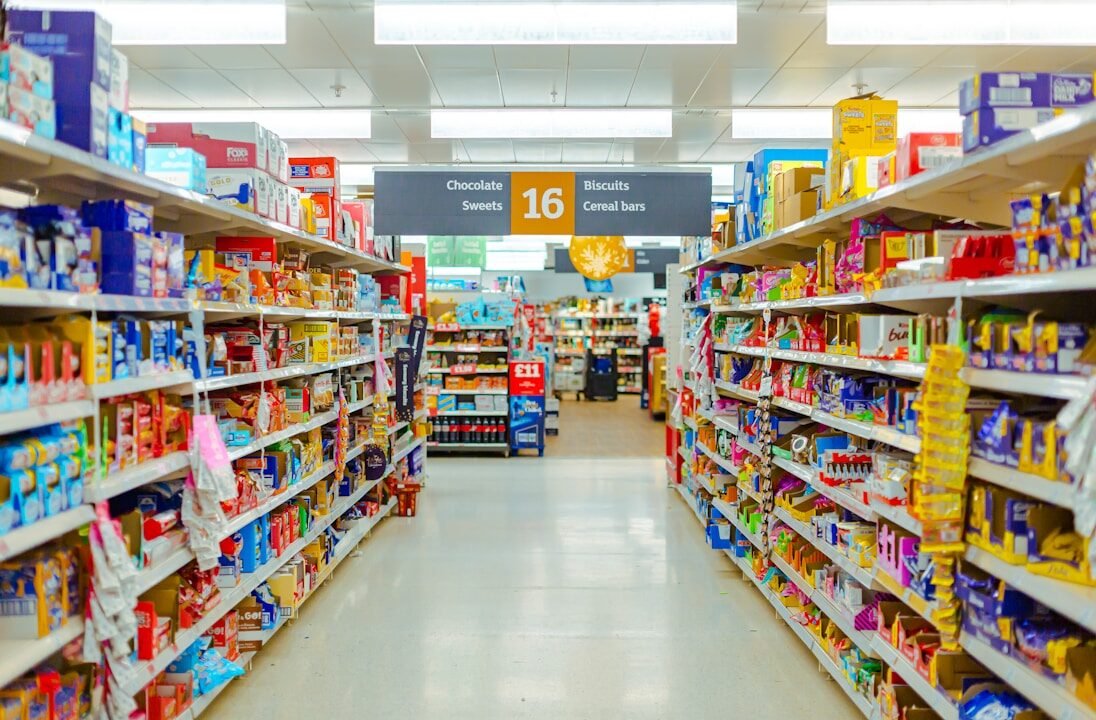
Food costs in Maryland are slightly easier to manage than housing, but they still depend on where and how you shop. The original data showed that Maryland households spent about $ 266 per week on food at home, which is close to the national average. That makes sense because Maryland has a mix of discount grocers, regional supermarkets, warehouse clubs, farmers’ markets, and higher-end stores.
Tax treatment also helps. Maryland generally applies a 6% sales and use tax. Still, food sold for off-premises consumption by a substantial grocery or market business is generally not taxed unless it is prepared food or otherwise taxable.
Dining out is where costs can rise quickly. Baltimore, Annapolis, Bethesda, Silver Spring, Columbia, and coastal tourist areas can make restaurant spending a major budget leak. Seafood, casual dining, coffee shops, and delivery fees add up fast. Households trying to control the cost of living in Maryland usually save the most by cooking at home, limiting delivery, and using local produce when it is in season.
Transportation costs in Maryland
Transportation is another big factor, especially because Maryland sits between several major job centers. Some residents use MARC trains, Metro access, buses, or park-and-ride systems, but many households still need at least one car.
Gas prices are no longer near the August 2025 figure in the source text. AAA listed Maryland’s average regular gas price at $3.847 per gallon on July 9, 2026, almost identical to the national average that day. EIA’s national weekly regular gasoline price was $3.777 per gallon for July 6, 2026, showing that fuel costs were elevated compared with some earlier periods.
Commuting can be expensive even when gas prices are stable. Drivers may pay tolls, parking fees, higher insurance premiums, maintenance costs, and vehicle wear from heavy traffic. Anyone moving to Maryland for a D.C.-area job should calculate commute time and commute cost before choosing a cheaper home farther away.
Health care and insurance costs in Maryland

Health care is a serious part of the Maryland household budget, even for workers with employer-sponsored coverage. Nationally, KFF reported that average annual employer-sponsored family health premiums reached $26,993 in 2025, with workers contributing an average of $6,850 toward family coverage. Single coverage premiums averaged $9,325.
Maryland benefits from major hospital systems, medical research institutions, and proximity to top care in the Baltimore-Washington corridor. Access is generally stronger in central Maryland than in more rural areas. Still, premiums, deductibles, copays, prescriptions, and out-of-network bills can put pressure on families.
For retirees or people with ongoing health needs, the best-value Maryland location may not be the cheapest town. Being closer to hospitals, specialists, and reliable transportation may justify a higher housing cost.
Utility costs and energy bills in Maryland
Utilities deserve special attention in Maryland because electricity has become a more noticeable budget issue. In 2026, the Maryland Public Service Commission said the U.S. Energy Information Administration corrected an earlier residential electricity price error, amending Maryland’s average residential rate to 22.2 cents per kilowatt-hour. That corrected figure was still 17% higher year over year.
Electric bills vary with home size, insulation, HVAC systems, summer air conditioning, winter heating, and household usage. Older homes can be especially costly if they have poor insulation or outdated systems. Natural gas, water, sewer, trash, internet, and phone bills also need to be included in the real monthly cost.
For homeowners, energy efficiency can make a major difference. A newer HVAC system, smart thermostat, insulation upgrades, sealed windows, and efficient appliances can reduce monthly pressure. Renters should ask about average utility bills before signing a lease, especially in older buildings.
Taxes in Maryland

Maryland taxes are another reason the state feels expensive. The state has a 6% sales tax on many purchases, while grocery-style food for off-premises consumption is often exempt under Maryland rules.
Income taxes are more layered. Maryland has graduated state income tax rates, and residents also pay local income taxes depending on the county or Baltimore City. Tax Foundation’s 2026 Maryland tax summary lists state income tax rates from 2% to 6.5%, plus local income taxes that can add up to 3%.
That means two households earning the same income can owe different amounts depending on where they live. For people choosing between Maryland, Virginia, Pennsylvania, Delaware, West Virginia, and Washington, D.C., taxes should be part of the relocation math, not an afterthought.
Is Maryland worth the cost?
Maryland is expensive, but it offers real advantages. The state gives residents access to the Chesapeake Bay, beaches, mountains, strong schools, government jobs, major universities, hospitals, military installations, tech employers, and several large metro economies.
The best fit is usually someone who can use those advantages. A federal worker, contractor, health care professional, remote worker, military family, student, or commuter may find Maryland’s higher costs easier to justify. Someone seeking the cheapest possible lifestyle may be happier in a lower-cost state or in Maryland’s western or eastern regions.
The bottom line is clear. Maryland is not a bargain state, but it can be a high-value state when your income, location, commute, and housing choice line up. Before moving, price the full monthly budget, not just rent or a mortgage.
TL;DR
- Maryland’s cost of living is well above the U.S. average, with housing as the biggest driver.
- BEA-based data shows Maryland per-person consumer spending reached $58,310 in 2024.
- Zillow reported the average Maryland home value at $434,033 in May 2026, above the U.S. average.
- Gas prices have risen since the older August 2025 figure, with AAA listing Maryland regular gas at $3.847 per gallon on July 9, 2026.
- Maryland’s 6% sales tax does not generally apply to many grocery-style food purchases for off-premises consumption.
- Income taxes include both state and local layers, so location affects take-home pay.
- Maryland is costly, but it can be worth it for access to jobs, schools, health care, the Chesapeake Bay, and the Baltimore-Washington economy.