


Illinois gives residents a rare mix of big-city life, small towns, farmland, college communities, suburbs, lakefront neighborhoods, and major job centers. Chicago is the state’s economic anchor, but the cost of living in Illinois changes sharply once you compare Chicago with places like Peoria, Rockford, Springfield, Champaign, Decatur, Kankakee, Bloomington, Joliet, and Carbondale.
The state is still one of the country’s population centers. The U.S. Census Bureau estimated Illinois had 12,719,141 residents as of July 1, 2025, keeping it among the most populous states in the U.S.
For people asking whether Illinois is affordable in 2026, the short answer is yes in many areas, but not across every category. Housing is cheaper than in many large coastal states, but property taxes are among the highest in the country. Chicago costs more than downstate Illinois, but it is still relatively affordable compared with New York, Los Angeles, Boston, Seattle, or San Francisco.
What is the average cost of living in Illinois?

The average cost of living in Illinois varies by city, household size, housing type, transportation needs, and taxes. Based on the user-provided Bureau of Economic Analysis figures, the average Illinois resident spends about $60,612 per year on personal consumption, or roughly $5,051 per month.
That includes about $9,570 per year for housing and utilities, $9,895 for health care, $4,152 for groceries and nonrestaurant food, $1,186 for gasoline and energy goods, and $35,809 for other personal expenses.
Those statewide numbers are useful, but they hide major differences. A renter in downtown Chicago may spend far more than someone in Decatur, Springfield, or Peoria. A homeowner in a high-tax suburb may pay less for the house than buyers in other states but still face a large annual property tax bill.
Housing is cheaper than in many states, but location matters
Housing is one of Illinois’ strongest affordability advantages. Zillow listed the average Illinois home value at $294,136 as of May 31, 2026, up 4.9% over the past year. That is well below many national housing benchmarks and far lower than average values in states such as California, Washington, Colorado, Massachusetts, and New York.
Chicago is more expensive than the statewide average, but still reasonable for a major U.S. city. Zillow’s statewide data shows Illinois home values remain under $300,000 on average, while the user-provided city list shows Chicago around the low $300,000s, and smaller cities such as Peoria, Springfield, Decatur, Galesburg, Centralia, and Danville are much lower.
This is why Illinois can appeal to buyers who want space without leaving the Midwest. In many parts of the state, starter homes and family homes remain more attainable than in fast-growing Sun Belt and coastal metros.
Rent in Illinois is higher in Chicago, but manageable elsewhere
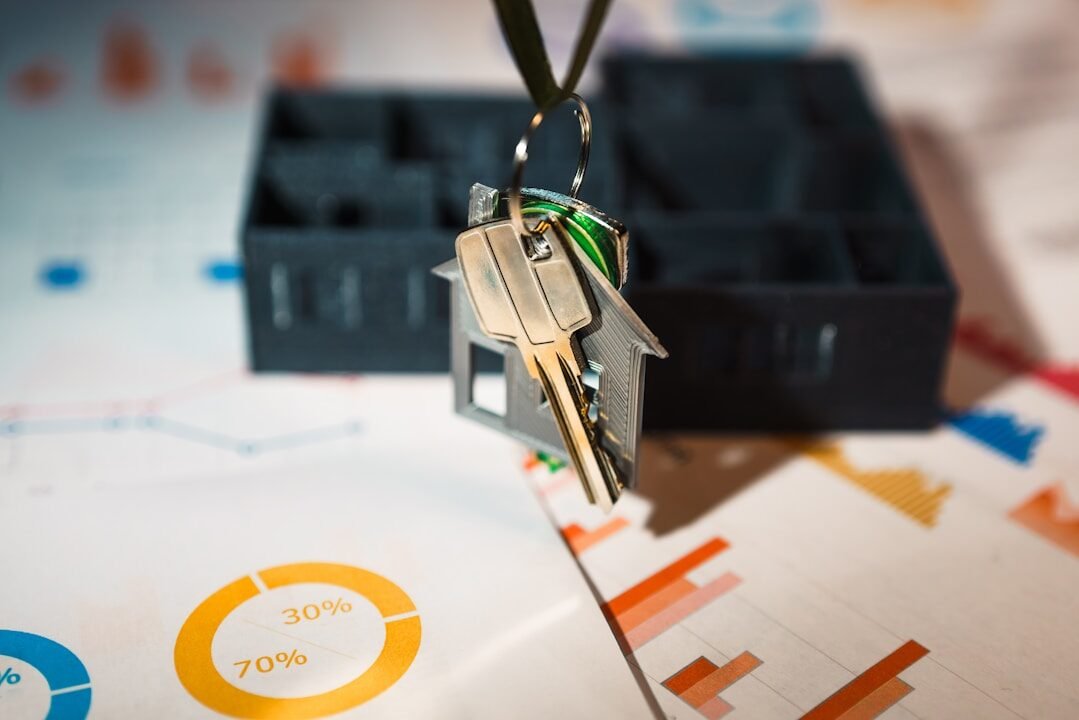
Rent varies widely across Illinois. RentCafe reported that the average apartment rent in Illinois was $2,050 in May 2026, up 2.23% from the previous year. That statewide figure is heavily influenced by Chicago and higher-cost suburban apartment markets.
Chicago itself is much more expensive. RentCafe listed the average apartment rent in Chicago at $2,521 in 2026, and downtown Chicago at $3,084 as of June 2026.
The good news is that renters outside the most expensive Chicago neighborhoods often find lower costs. Rockford, Peoria, Springfield, Decatur, Kankakee, Champaign-Urbana, Bloomington-Normal, Joliet, and Carbondale usually offer lower rents than central Chicago. For people who do not need to live near downtown or the lakefront, Illinois still has many lower-cost rental markets.
Property taxes are Illinois’ biggest drawback
Illinois’ low home prices come with one major warning: property taxes. The Tax Foundation lists Illinois’ effective property tax rate on owner-occupied housing value at 1.88% for 2026. That is one of the highest rates in the country.
Kiplinger’s 2026 Illinois tax guide similarly reports an average effective property tax rate of 1.83% and notes that Illinois has some of the highest property taxes in the U.S.
This matters because a cheaper home does not always mean a cheaper monthly payment. A $300,000 home in Illinois can carry a much higher property tax bill than a similarly priced home in a low-tax state. Buyers should compare mortgage payments, taxes, homeowners’ insurance, HOA fees, utilities, and maintenance before deciding whether a home is affordable.
Illinois taxes are mixed for workers and retirees
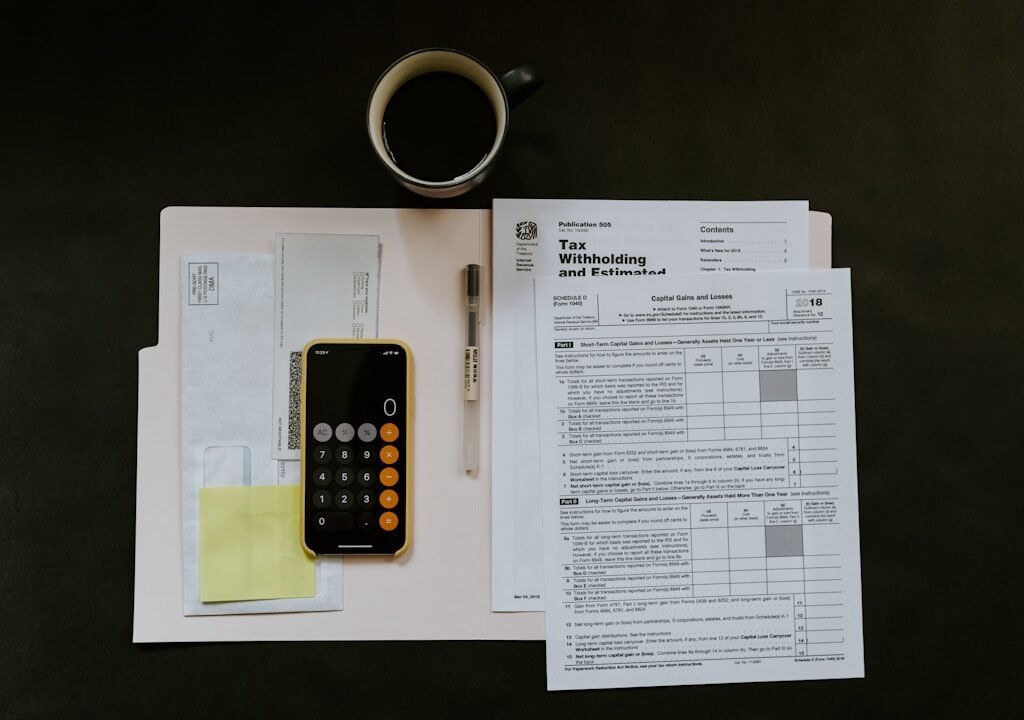
Illinois uses a flat income tax. Kiplinger’s 2026 Illinois guide lists the state income tax rate at 4.95%, and also notes that Illinois does not tax retirement income, including Social Security, pensions, IRAs, and military benefits.
That makes Illinois more attractive for some retirees than people may expect. A retiree with pension or Social Security income may benefit from the state’s retirement tax treatment, though property taxes can still be a major concern.
Sales taxes are less friendly. Kiplinger lists Illinois’ average combined state and local sales tax rate at 8.89%, with a 6.25% base state rate and local add-ons. Chicago and some suburbs can feel especially expensive for taxable purchases once local rates are included.
Utilities and groceries are close to average
The user-provided data estimates average Illinois utility costs at about $404 per month, including electricity, natural gas, cable or satellite, and water and sewer. Electricity and natural gas costs can vary by season, especially during cold winters and humid summers.
Chicago winters can raise heating bills, while hot summer months can increase air-conditioning costs. Older homes in Illinois can also be more expensive to heat and cool than newer apartments or energy-efficient houses.
Groceries are generally moderate. The supplied data estimates that Illinois residents spend about $4,152 per year on nonrestaurant food and beverages, or about $346 per month per person. Grocery costs are slightly higher in Chicago than in many downstate cities, while Springfield, Champaign-Urbana, Decatur, Rockford, Bloomington-Normal, Kankakee, and Peoria tend to be closer to or below national averages.
Transportation depends on whether you live in Chicago
Transportation is one of the categories where Illinois depends heavily on lifestyle. Chicago offers one of the Midwest’s strongest public transit systems, with CTA trains and buses, Metra commuter rail, and walkable neighborhoods. A Chicago resident may be able to live with one car or no car, depending on work and neighborhood.
Outside Chicago, most Illinois residents need a vehicle. Commutes in suburbs and downstate cities usually require driving, which means budgeting for gas, insurance, maintenance, registration, parking, and repairs.
The user-provided MIT Living Wage figures estimate annual transportation costs at $8,301 for one adult with no children, $9,607 for two working adults with no children, and $15,589 for two working adults with three children. Families with multiple vehicles should treat transportation as one of their largest recurring expenses.
Health care and child care can stretch family budgets
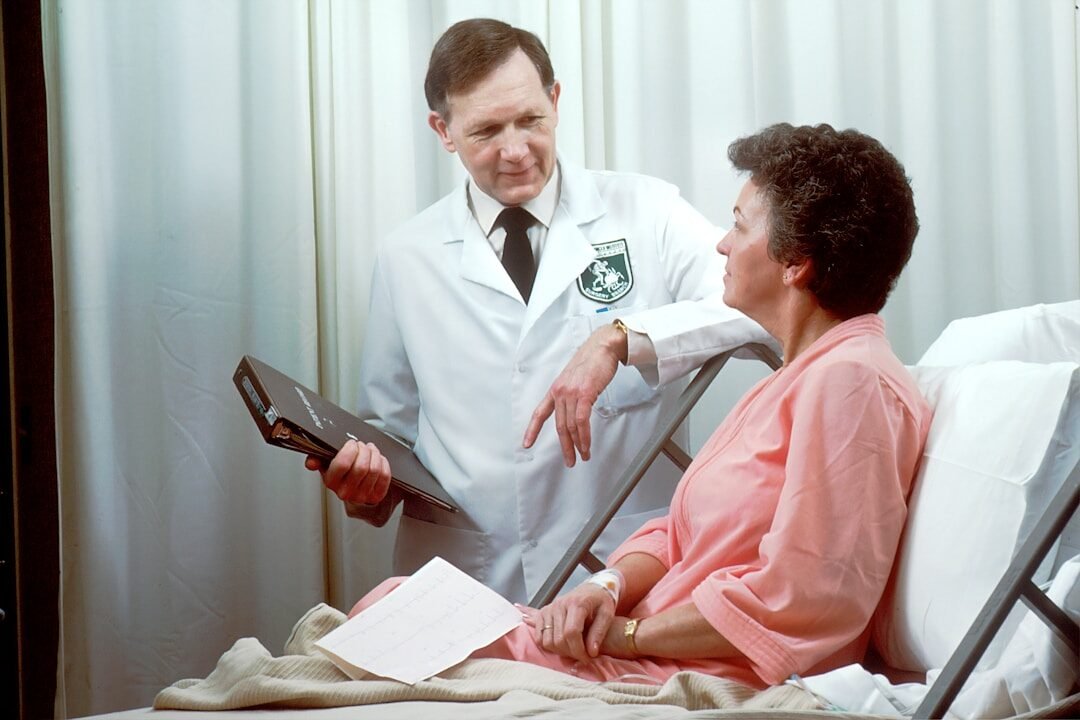
Health care is one of the largest spending categories in Illinois. The user-provided BEA figures estimate average health care spending at $9,895 per person per year. Actual costs depend on employer coverage, deductibles, prescriptions, age, family size, and access to providers.
Illinois has major medical systems in Chicago and regional hospitals across the state, but costs still vary. Households should compare insurance premiums, out-of-pocket limits, and provider networks before moving.
Child care is another major cost. The supplied figures estimate monthly child care costs at $1,182 for infant care, $1,016 for toddler care, $917 for preschool care, and $1,113 for home-based care. For families with young children, child care can easily rank as a top monthly expense alongside rent or a mortgage.
Cheapest places to live in Illinois
Illinois has several lower-cost cities for those seeking affordability. Decatur is one of the cheapest, with the supplied data listing a cost-of-living index of 79.9. Housing is much cheaper there than in Chicago, and the city is close enough to Springfield for regional access.
Kankakee is another lower-cost option, especially for people who want a smaller city with access to the Chicago region. Joliet offers a larger population, Route 66 history, commuter access, and lower costs than many Chicago suburbs.
Peoria, Rockford, Springfield, Carbondale, Galesburg, Danville, Centralia, and Quincy also deserve attention from budget-minded renters and buyers. Chicago offers the strongest job market and city lifestyle, but it is not the state’s affordability leader.
Is Illinois affordable in 2026?
Illinois is affordable compared with many large and coastal states, especially for homebuyers focused on price. The challenge is the total monthly cost. Property taxes, sales taxes, child care, health care, and winter utilities can reduce the advantage created by lower home values.
For the best outcome, compare specific cities instead of judging the state as a whole. Chicago offers jobs, transit, restaurants, museums, sports, and lakefront living. Downstate cities offer cheaper housing and a slower pace. Illinois can be a good value, but only when the full budget is counted.
TLDR
- Illinois had an estimated population of 12,719,141 in 2025.
- The average Illinois resident spends about $60,612 per year, according to the BEA data provided.
- Zillow listed the average Illinois home value at $294,136 as of May 2026.
- RentCafe listed Illinois’ average apartment rent at $2,050 in May 2026.
- Chicago rent is much higher, with average apartment rent around $2,521 in 2026.
- Illinois has a flat 4.95% income tax and does not tax many types of retirement income.
- Property taxes are the biggest drawback, with an effective rate of around 1.83% to 1.88%.
- Decatur, Kankakee, Joliet, Peoria, Rockford, Springfield, and Carbondale are among the more affordable Illinois options.