
Chicago’s famous observation decks, museums, and lakefront attractions deserve attention, but they reveal only part of the city. Look beyond the usual visitor checklist, and you will find a museum hidden inside a movable bridge, a park filled with Wizard of Oz characters, an Egyptian-style storage warehouse, and a chapel high inside a downtown skyscraper.
These unusual things to do in Chicago are spread across the Loop, Hyde Park, Humboldt Park, Bridgeport, Lincoln Park, and other neighborhoods. Some are quick photo stops, while others can fill an entire afternoon. Together, they offer a more surprising way to experience Chicago’s architecture, art, history, and local culture.
Enter the machinery of a movable bridge
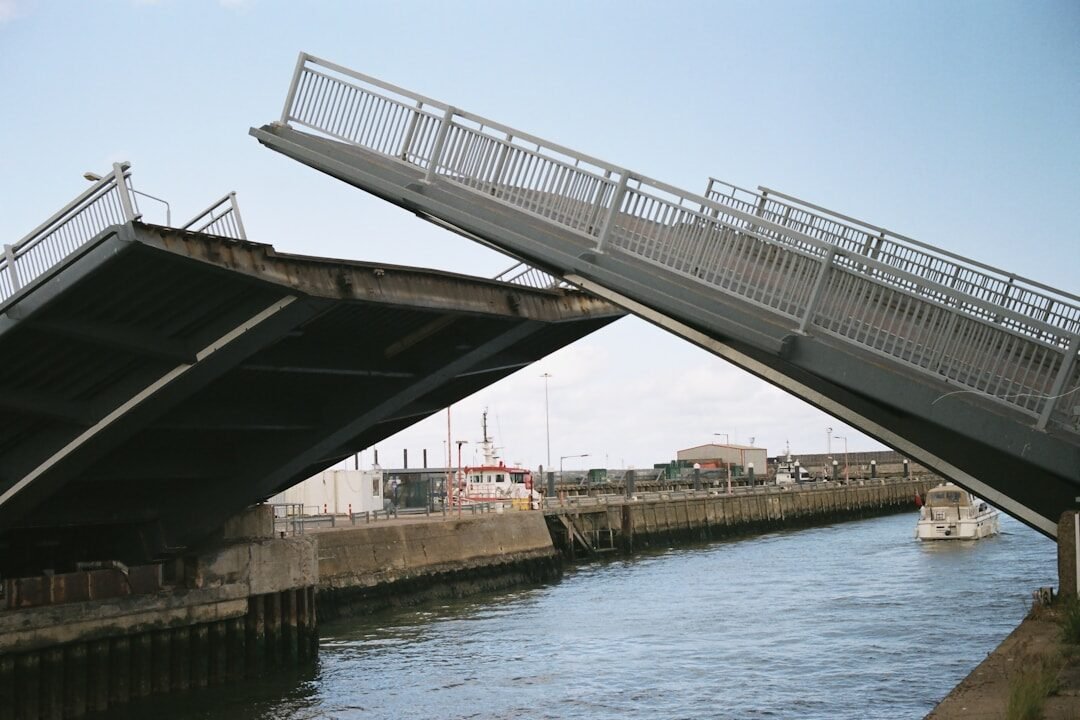
The McCormick Bridgehouse and Chicago River Museum is hidden inside the southwest tower of the DuSable Bridge at Michigan Avenue. Visitors enter from the Riverwalk and climb through five compact floors devoted to the Chicago River and the city’s movable bridges.
At river level, you can see the enormous gears that raise and lower the bridge. The upper levels provide unusual views of downtown and the river through the bridgehouse windows. Special bridge-lift experiences may be offered on selected dates, making planning worthwhile. The museum operates seasonally, so check its current calendar before visiting.
Step inside an outsider artist’s private world
Intuit Art Museum specializes in work created by self-taught artists who often developed outside traditional galleries, schools, and art institutions. That focus gives the collection a raw, personal quality that feels very different from a conventional fine arts museum.
One of its most remarkable spaces recreates the apartment room of Chicago artist and writer Henry Darger. The installation contains furnishings and materials from the room where he secretly produced an enormous fantasy manuscript and hundreds of illustrations. The museum reopened after a major renovation that expanded its exhibition and programming space.
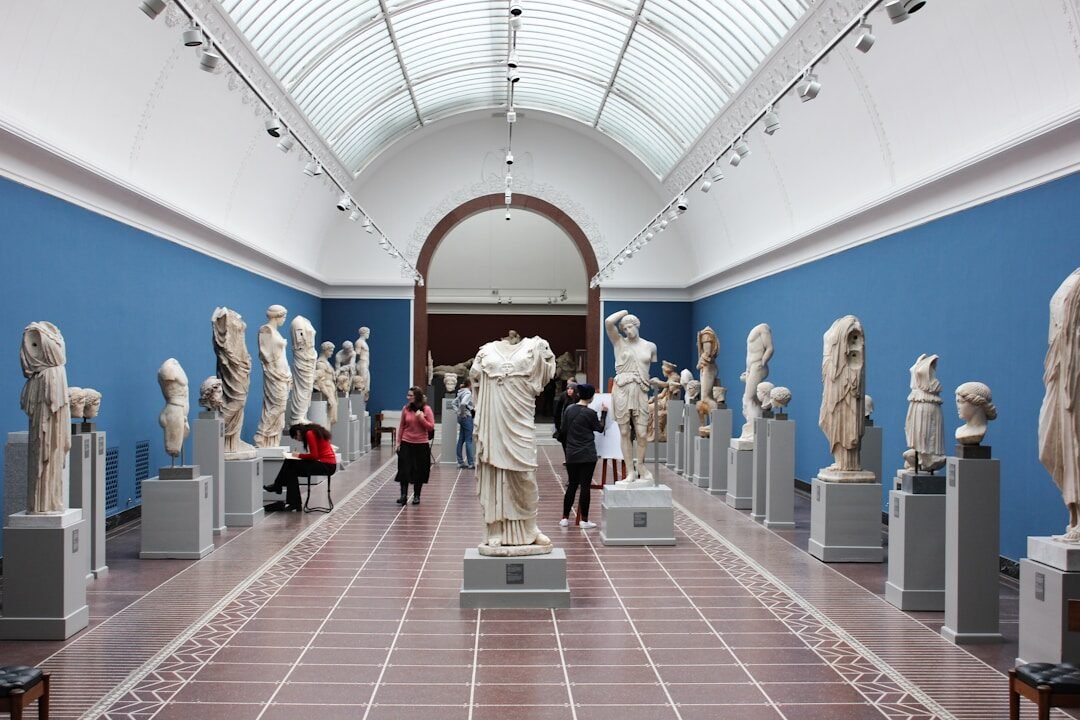
Meet ancient rulers in Hyde Park
The Institute for the Study of Ancient Cultures Museum at the University of Chicago holds approximately 350,000 artifacts, many excavated by the institution’s own archaeologists. Its galleries explore ancient Egypt, Nubia, Persia, Mesopotamia, Syria, Anatolia, and the Levant.
The museum is smaller and quieter than Chicago’s major downtown institutions, but its collection includes monumental sculptures, inscriptions, pottery, tools, and objects connected to the earliest cities and empires. Look for the towering human-headed winged bull from ancient Khorsabad, one of the museum’s most imposing sights.
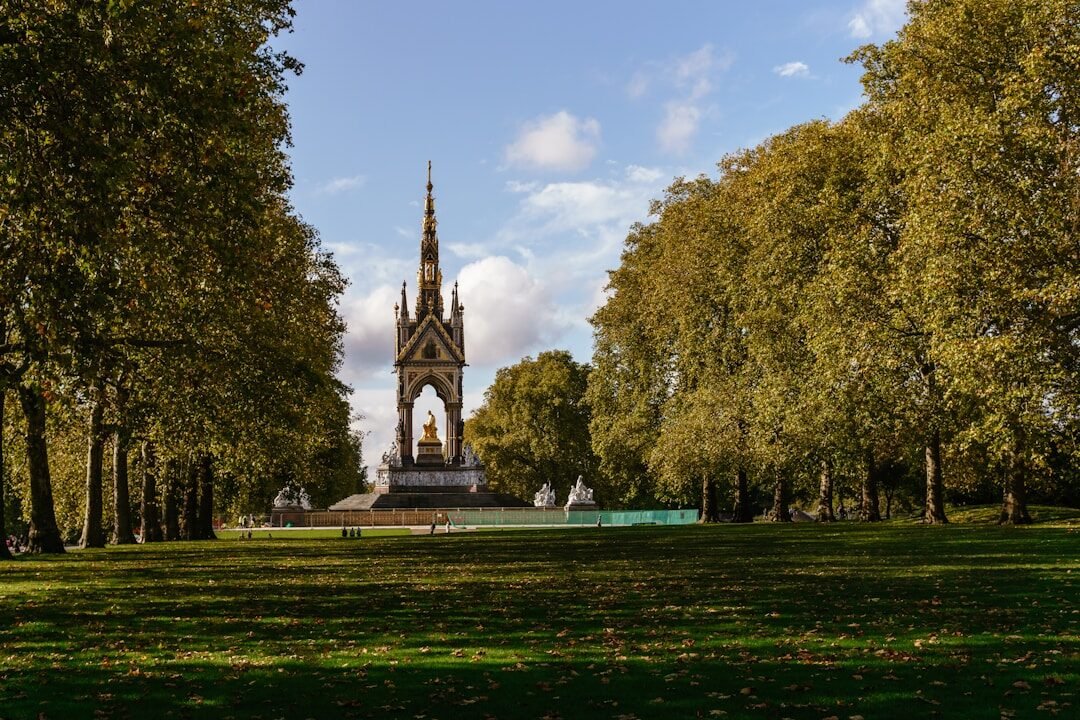
Walk through restored public housing apartments
The National Public Housing Museum occupies the last surviving building from the historic Jane Addams Homes on Chicago’s Near West Side. Instead of presenting public housing through distant statistics, the museum centers the memories and everyday experiences of residents.
Visitors can explore apartments restored to represent families from different periods, including the 1930s, 1950s, and 1970s. Household objects, recorded stories, music, photographs, and interactive displays show both the challenges residents faced and the communities they built. General museum admission is free, while guided apartment tours require a ticket.
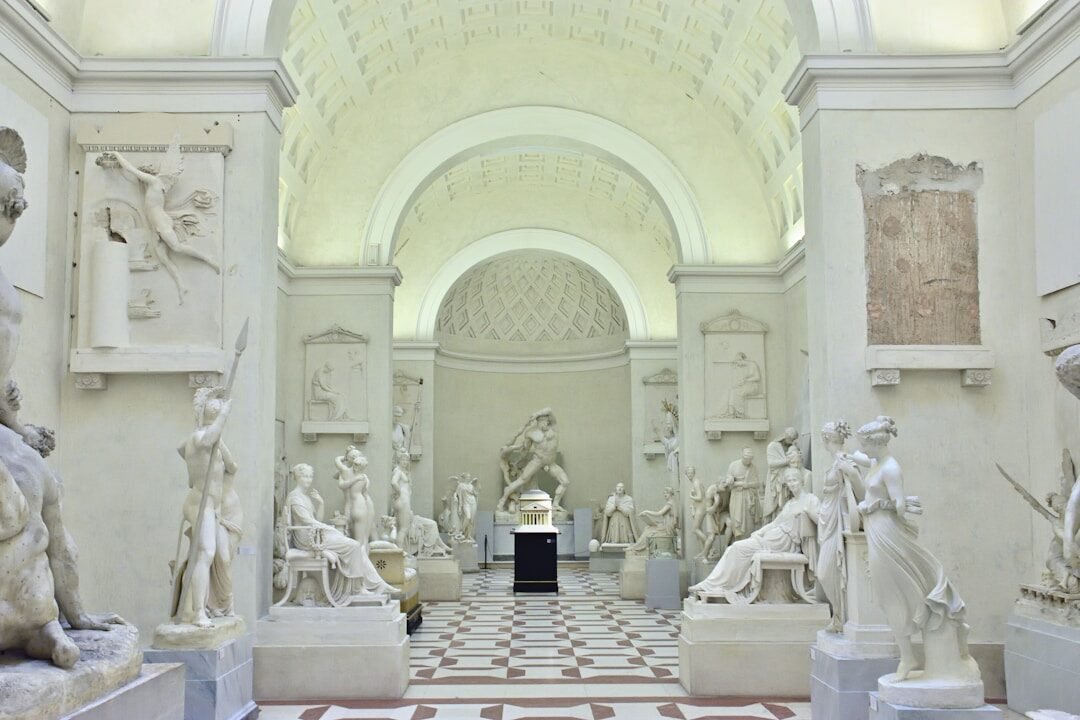
Discover Chicago’s forgotten life as a port
Chicago is rarely described as a maritime city, yet shipping on Lake Michigan, the Chicago River, and regional canals played a major role in its growth. The Chicago Maritime Museum in Bridgeport explores this overlooked part of local history.
Its exhibitions cover passenger steamships, commercial shipping, shipwrecks, recreational boating, canals, river engineering, and the communities connected to Chicago’s waterways. The museum is located inside the Bridgeport Art Center, a former industrial complex beside the South Branch of the Chicago River. Monthly lectures and occasional tours provide additional reasons to visit.
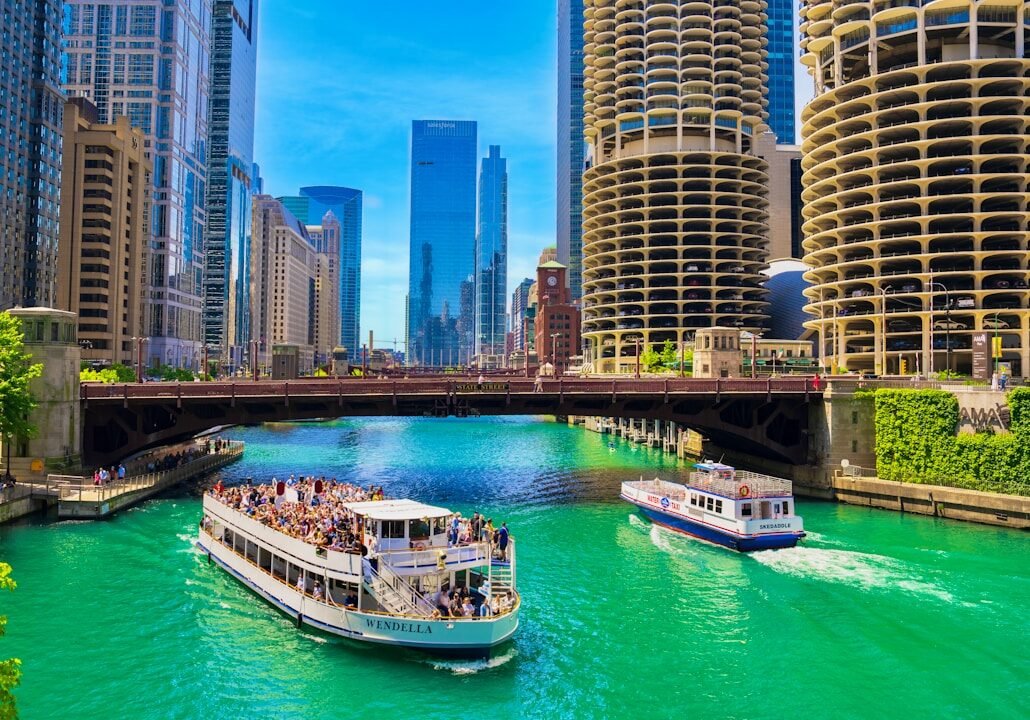
Learn the secret language of Chicago traders
The Chicago Board of Trade Building Museum opened in the landmark Art Deco tower’s lobby on LaSalle Street. The compact museum explains the history of the trading floors that once filled the building with shouting, colorful jackets, and complex hand signals.
Visitors can watch a demonstration of open-outcry trading gestures and listen to recorded stories from people who worked in the pits. Admission is free, and the museum has generally operated during weekday business hours. After exploring the exhibits, step outside and look up at the statue of Ceres standing above the building.
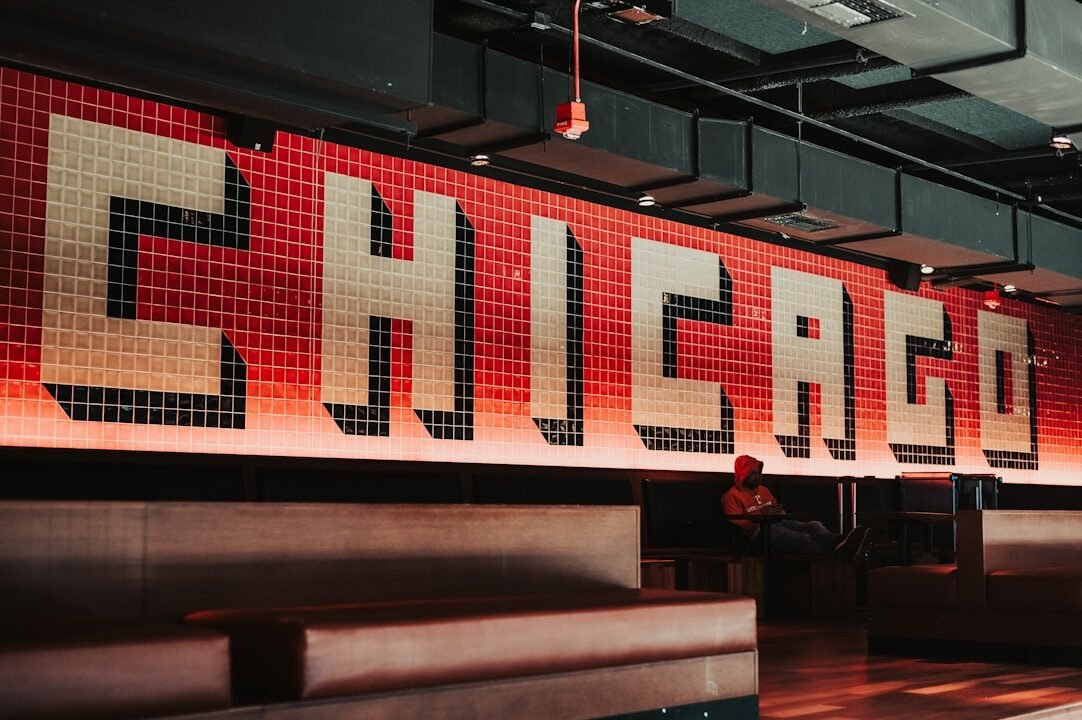
Find an Egyptian temple on Clark Street
At first glance, the Reebie Storage building appears more suited to ancient Egypt than Lincoln Park. Completed in 1922, the Egyptian Revival warehouse has a brightly decorated terra-cotta entrance guarded by two large figures representing Ramses II.
Look closely, and you will find scarabs, snakes, flowers, columns, and other Egyptian-inspired details across the exterior. The warehouse remains a working commercial property rather than a traditional attraction, so visitors should admire it respectfully from the public sidewalk. It is an easy photo stop to combine with nearby Lincoln Park destinations.
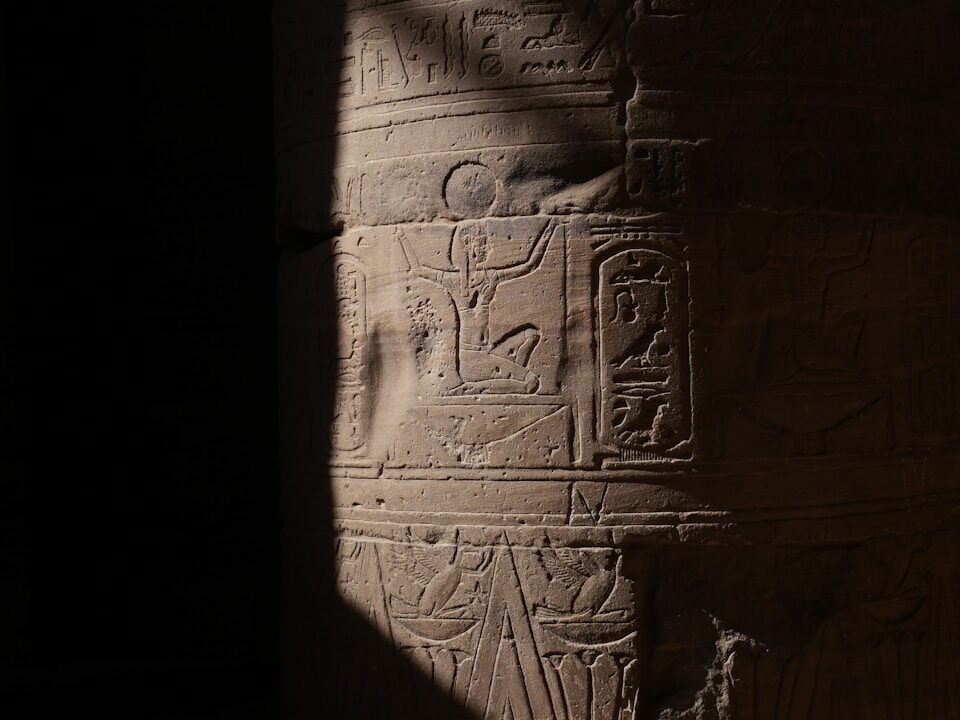
Follow the yellow brick road through a city park
Oz Park turns a quiet section of Lincoln Park into a tribute to author L Frank Baum and The Wonderful Wizard of Oz. Four sculptures are placed around the grounds, representing Dorothy and Toto, the Scarecrow, the Tin Man, and the Cowardly Lion.
Children can play in Dorothy’s Playlot, while visitors can walk through the Emerald Garden and search for every character. Sculptor John Kearney created the Tin Man from old automobile parts, giving it a noticeably different appearance from the park’s bronze figures. The park provides a playful alternative to Chicago’s grand monuments and formal gardens.
Wander through a working artist’s building
The Fine Arts Building on South Michigan Avenue does not feel like a standard office tower. Its hallways, murals, decorative details, theaters, studios, bookstores, and music rooms preserve the atmosphere of an older, creative Chicago.
Originally constructed for the Studebaker company, the building later became home to artists, instrument makers, teachers, performers, galleries, and cultural organizations. Visitors can browse public businesses or attend a performance at the restored Studebaker Theater. Remember that many rooms are private working studios, so follow posted signs and avoid interrupting tenants.
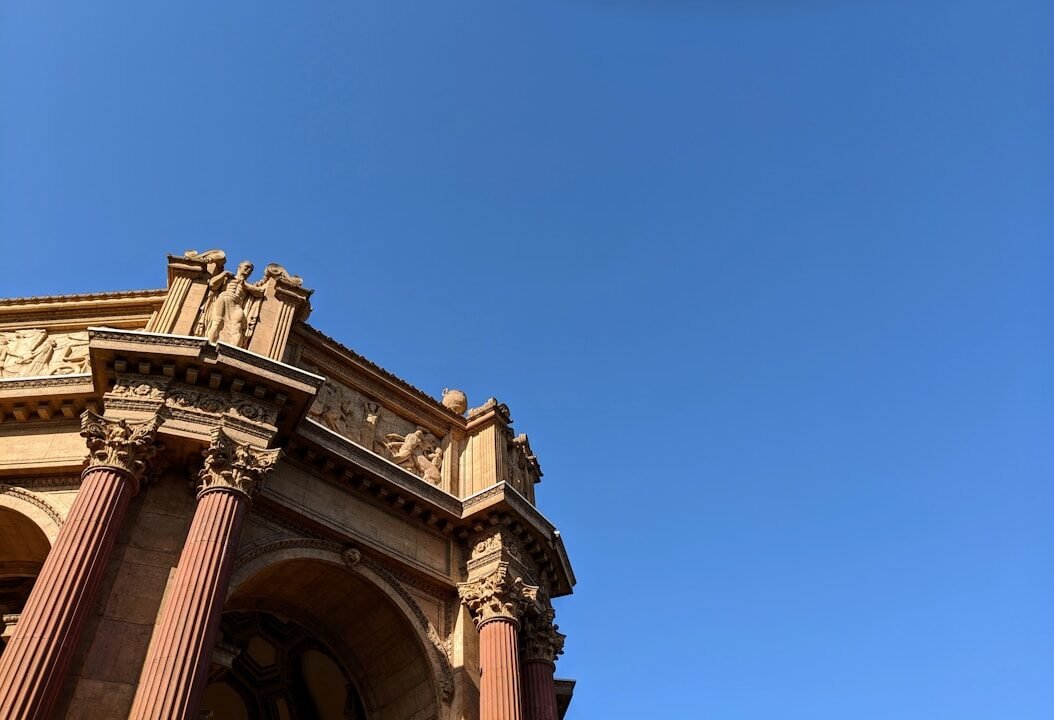
Explore Puerto Rican art inside historic stables
The National Museum of Puerto Rican Arts and Culture occupies the former stables and reception building in Humboldt Park. The dramatic Queen Anne Revival structure dates to the 1890s and is almost as interesting as the exhibitions inside.
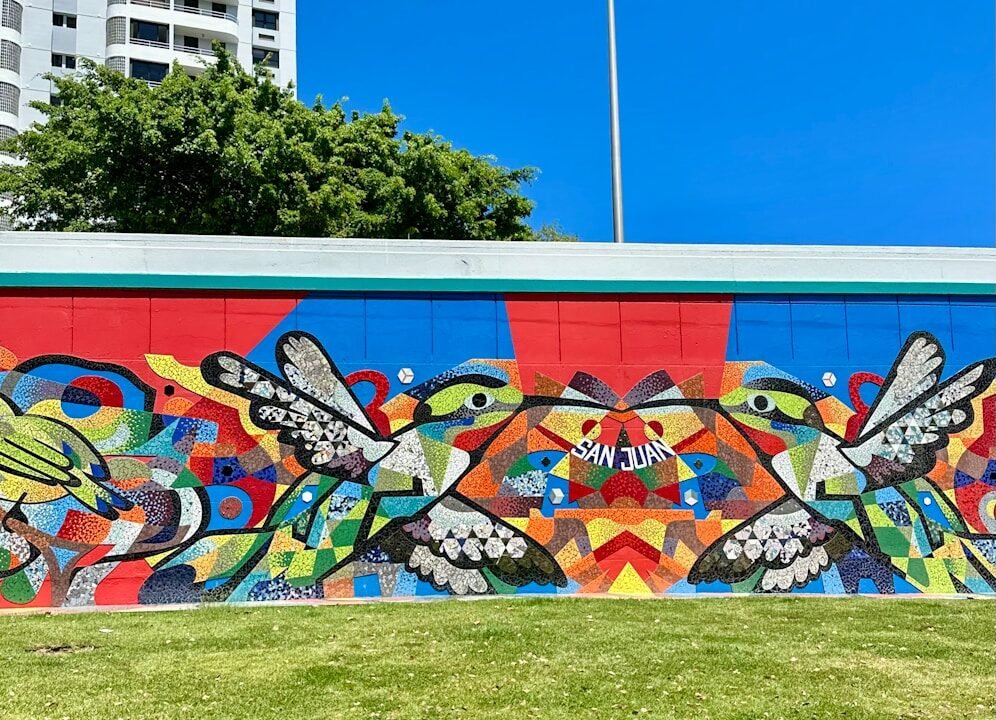
The museum presents visual art, cultural programs, community events, and work by artists from Puerto Rico and the Puerto Rican diaspora. After visiting the galleries, explore Humboldt Park or walk along nearby Division Street, where the large metal Puerto Rican flags mark the Paseo Boricua cultural district.
Search for a pyramid in Graceland Cemetery
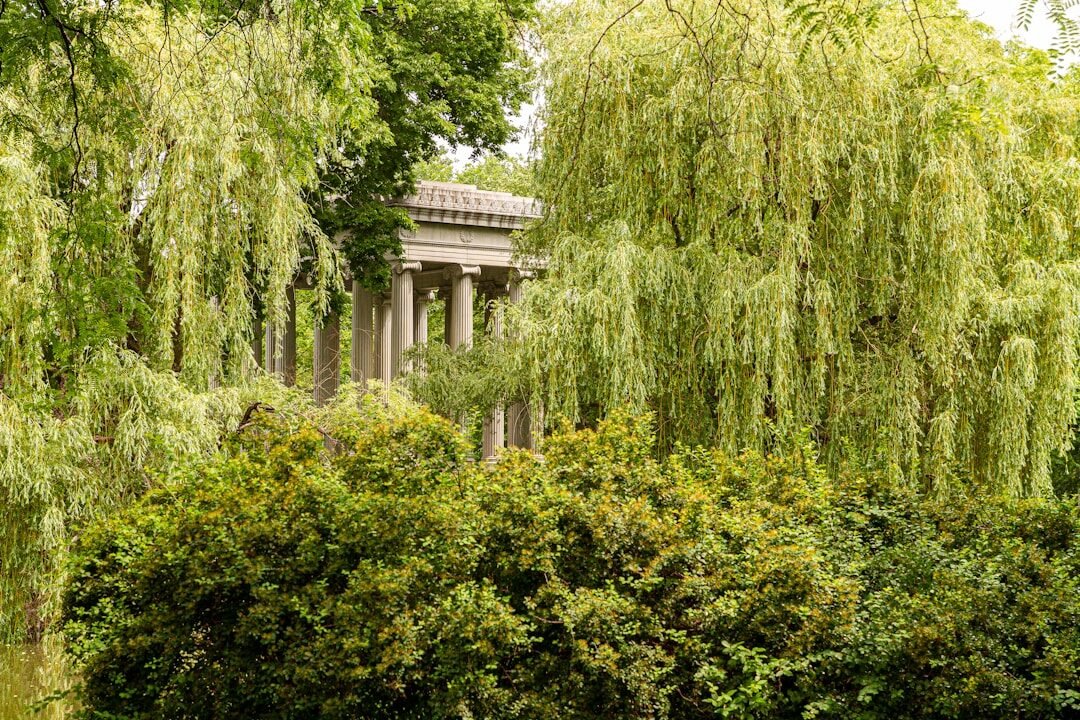
Graceland Cemetery is both an active burial ground and an outdoor collection of Chicago history, landscape design, sculpture, and architecture. Prominent architects, business leaders, artists, and civic figures are buried among its trees and winding paths.
One of the most unusual monuments is the Schoenhofen Pyramid Mausoleum. Built in 1893 for brewer Peter Schoenhofen, it combines a granite pyramid with a sphinx, an angel, lotus designs, and an Egyptian-style doorway. Visitors should maintain a quiet, respectful manner and check cemetery access information before arriving.
Look for a chapel inside a skyscraper
The Chicago Temple Building appears to be a Gothic church stretched upward into a downtown office tower. Its ground floor contains a large sanctuary, but the building’s most unusual religious space is far above street level.
The Sky Chapel sits roughly 400 feet above the ground near the base of the steeple. Created in 1952 as a memorial to Walgreens founder Charles Walgreen, the small chapel contains 16 stained-glass windows and seating for about 30 people. Access is limited, so contact the First United Methodist Church before visiting rather than expecting an unscheduled tour.
View war through the eyes of veterans
The National Veterans Art Museum presents paintings, sculptures, photographs, writing, and installations created by U.S. military veterans. Rather than focusing primarily on weapons or military strategy, it explores how service and conflict affect individuals.
The collection includes nearly 2,500 works by more than 250 artists, spanning different wars and periods of military service. The result can be emotional and thought-provoking, offering perspectives rarely found in traditional military museums. Review current exhibitions before visiting, since the work on display can change, and some pieces may address difficult subjects.
Planning an unusual Chicago itinerary
Do not try to visit all 13 places in one day. The Bridgehouse Museum, Chicago Board of Trade Building Museum, Fine Arts Building, and Chicago Temple can be grouped into a Loop itinerary. Oz Park, Reebie Storage, and Graceland Cemetery work better as part of a North Side day.
The National Public Housing Museum is close to Little Italy and the University of Illinois Chicago. The Maritime Museum can anchor a Bridgeport outing, while the Ancient Cultures Museum fits naturally into a day in Hyde Park. Humboldt Park deserves a separate afternoon that includes the National Museum of Puerto Rican Arts and Culture and neighborhood dining.
Several places follow seasonal, weekday, or limited schedules. Confirm admission policies and opening hours directly before making a special trip.
Wrapping up
Chicago’s unusual attractions reveal stories that are easy to miss from the top of a sightseeing bus. You can climb inside a working bridge, explore an outsider artist’s reconstructed room, study ancient empires, enter restored public housing apartments, and find Egyptian architecture on an ordinary neighborhood street.
Adding two or three of these stops to a traditional itinerary can make a Chicago trip feel more personal and unexpected. Leave room for neighborhood walks, respect buildings that remain active workplaces or sacred spaces, and enjoy discovering the stranger side of the city.