
Summer brings out a different side of Chicago. Neighborhood parks fill with outdoor activities, boats return to the river, farmers’ markets overflow with local produce, and former industrial spaces turn into open-air concert venues.
This guide moves beyond the usual recommendations, such as major museums, Navy Pier, architecture cruises, baseball games, and crowded downtown beaches. Instead, it highlights unusual outdoor adventures, neighborhood attractions, historical sites, nature areas, markets, and local experiences that can make a summer trip feel more personal.
Whether you are traveling with children, visiting as a couple, or exploring the city alone, these unique things to do in Chicago in summer offer fresh ways to experience the Windy City.
Paddle through downtown in a kayak
Instead of seeing Chicago from a sightseeing boat, explore the river from your own kayak. Guided trips take paddlers between downtown buildings, beneath movable bridges, and past some of the city’s best-known architectural landmarks.
Several operators provide equipment, life jackets, safety instructions, and options for beginners. Some also offer evening outings when the buildings begin lighting up around the water. Weather, river traffic, and experience requirements vary, so reserve ahead and review the operator’s rules before arriving.

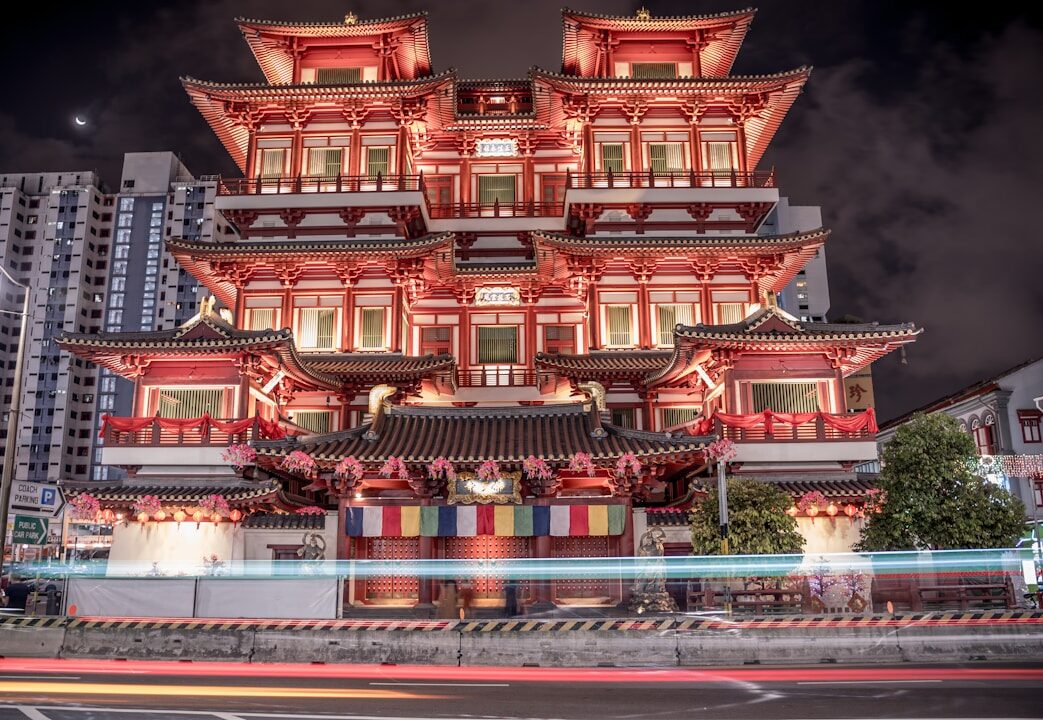
Ride the water taxi to Chinatown
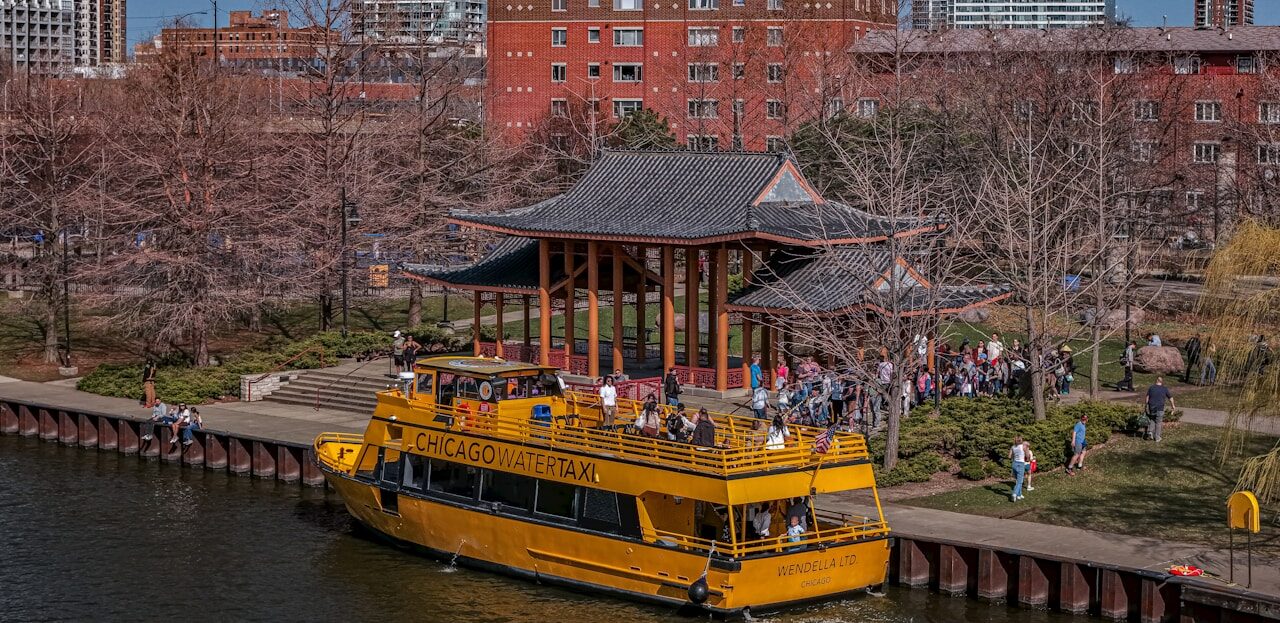
The Chicago Water Taxi provides a scenic alternative to crowded streets and trains. Its main route connects Michigan Avenue, the West Loop transportation district, and Chinatown, offering river views as passengers travel between neighborhoods.
Get off near Ping Tom Memorial Park and spend the afternoon visiting Chinatown’s bakeries, restaurants, gift shops, murals, and plazas. Water taxi boats have restrooms, luggage storage, and bike racks during designated hours. Check the day’s schedule because departure times can change.
Plan a picnic at Promontory Point
Promontory Point offers a quieter lakefront experience than many downtown parks. Located in Hyde Park, the peninsula has lawns, mature trees, stone gathering areas, and wide views of Lake Michigan and Chicago’s skyline.
Bring lunch from a nearby Hyde Park restaurant and find a shaded spot overlooking the water. The Point connects with the Lakefront Trail, making it easy to reach by bicycle. The park is generally open from 6 a.m. to 11 p.m., although visitors should follow current swimming and waterfront safety rules.
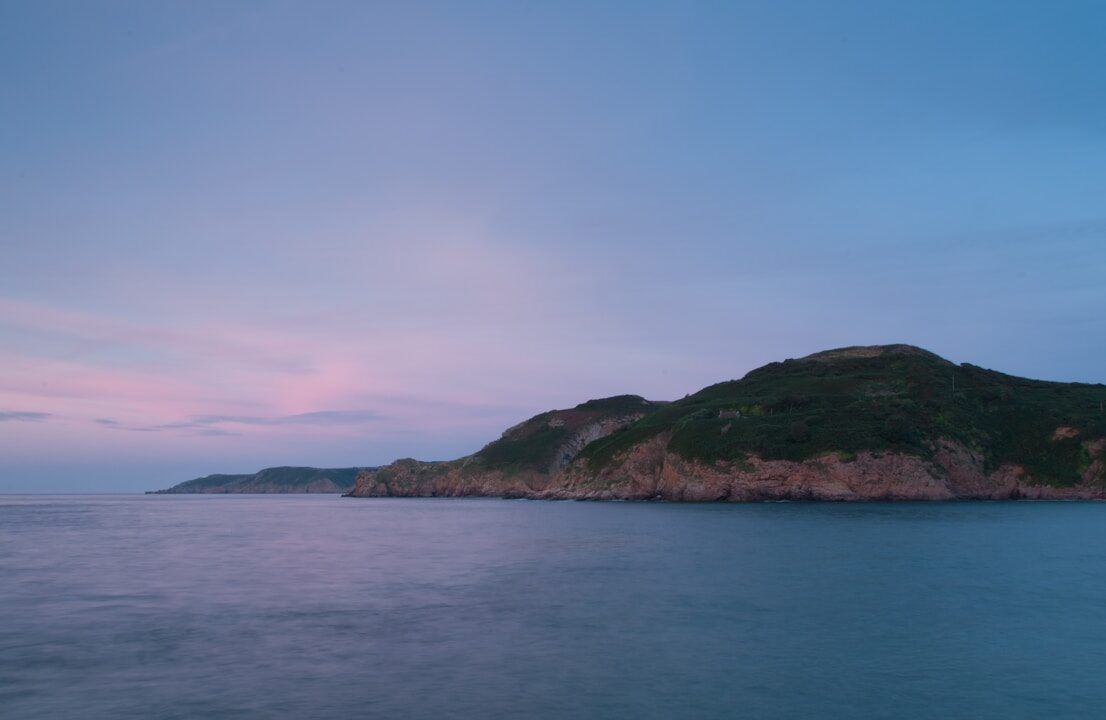
Walk or bike along The 606
The 606 turns an old elevated railroad route into a neighborhood trail stretching across Chicago’s Northwest Side. Walkers, runners, and cyclists pass public art, landscaped areas, overlooks, and entrances leading into Bucktown, Wicker Park, Humboldt Park, and Logan Square.
Begin near Walsh Park and travel west, stopping for coffee, lunch, or shopping along the way. Because the path sits above street level, it offers a different view of homes, gardens, and neighborhood life than visitors normally see from downtown.
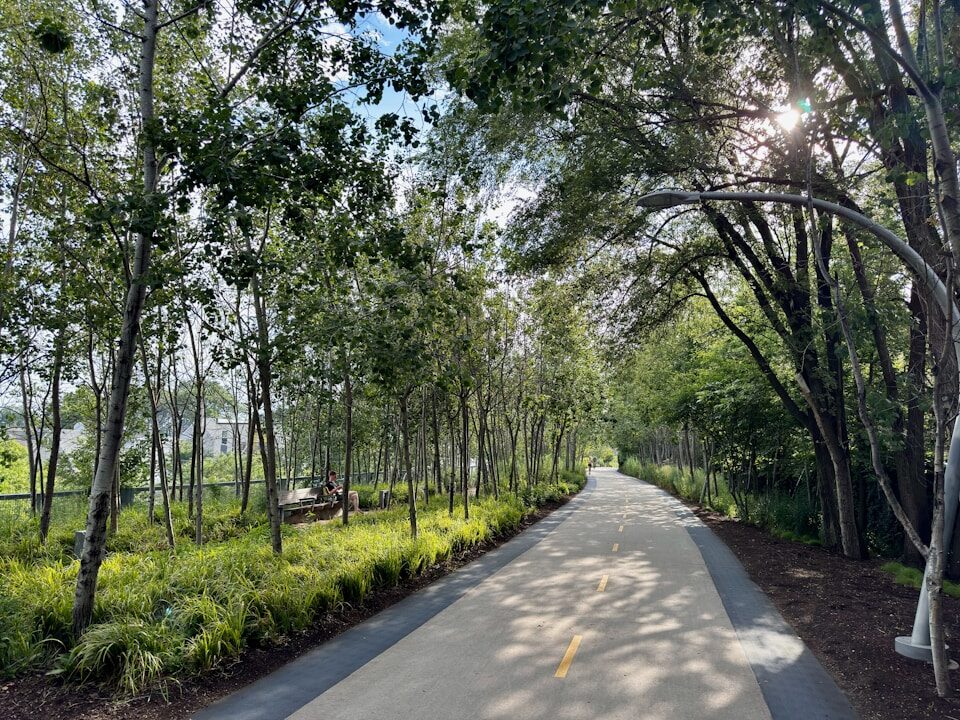
Find urban nature on Northerly Island
Northerly Island feels surprisingly peaceful despite sitting beside Chicago’s Museum Campus. The 119.7-acre park features prairie and savanna habitats, a 5-acre pond, fishing areas, native plants, and paths offering skyline views.
The nature area supports local and migratory birds and offers space for walking, cycling, photography, and quiet breaks beside the water. Parts of the park may close or become harder to access during concerts at the nearby pavilion, so check local conditions before making a special trip.
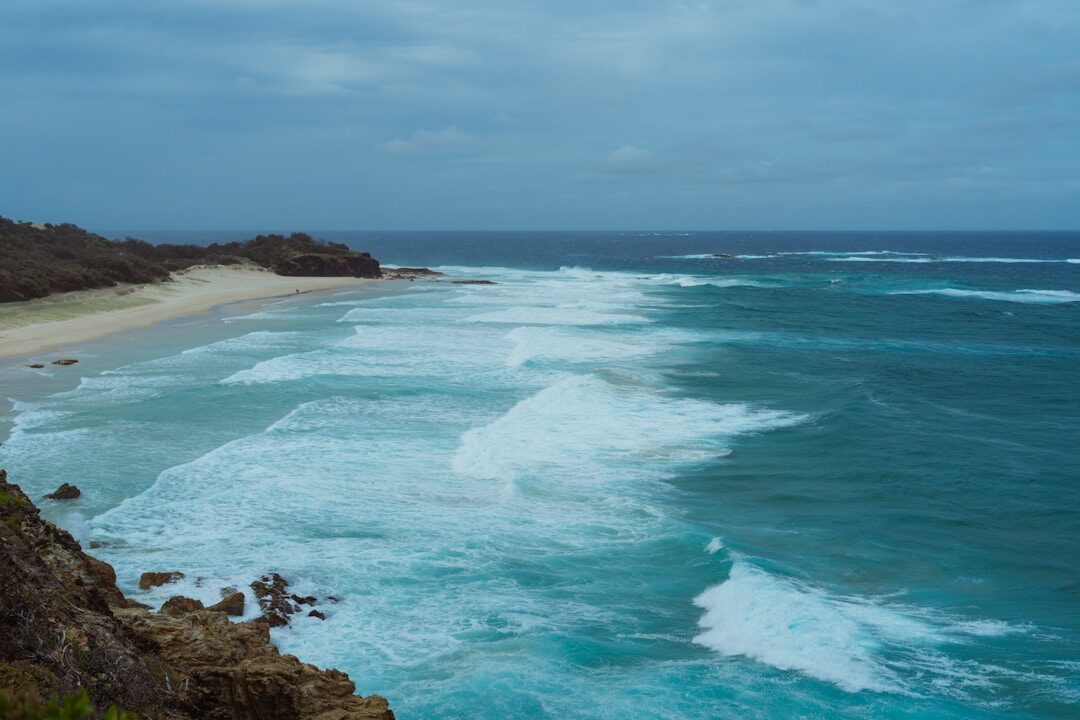
Climb above the park at Maggie Daley
Maggie Daley Park is widely known for its winter skating ribbon, but in summer it offers a completely different set of activities. Visitors can try the outdoor climbing wall, play miniature golf, use the tennis courts, or explore picnic areas and landscaped gardens.
Families can also visit the three-acre Play Garden, which contains slides, climbing structures, bridges, and imaginative play zones for children. The park connects directly to Millennium Park through the BP Pedestrian Bridge, making it easy to add to a downtown day.
Build a picnic at Green City Market
Green City Market is a useful place to experience Chicago’s food culture without committing to a formal restaurant meal. Farmers and food producers sell seasonal fruit, vegetables, baked goods, cheeses, prepared dishes, flowers, and other Midwest products.
In 2026, the Lincoln Park outdoor market operates on Wednesdays and Saturdays from 7 a.m. to 1 p.m. through November 21. A second market runs in the West Loop on Saturdays. Pick up breakfast or picnic supplies, then relax in Lincoln Park or explore nearby neighborhood streets.
Discover Chicago’s railroad history in Pullman
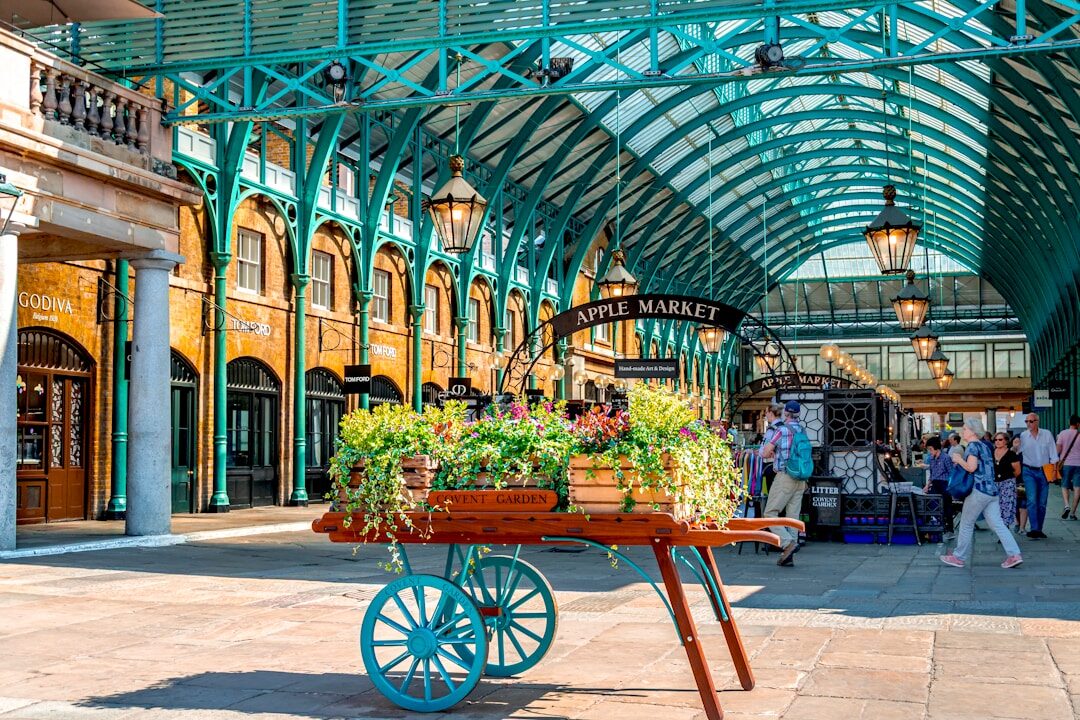
Pullman National Historical Park offers a deeper look at Chicago’s industrial, labor, architectural, and social history. The neighborhood was developed around the Pullman railroad car company and became connected to major events in the American labor movement.
Start at the National Park Service visitor center before walking through the surrounding historic district. Ranger programs and tours may be offered on selected days. Because Pullman is far from the main downtown visitor area, allow enough time for transportation and consider combining it with other South Side destinations.

Explore the South Shore Cultural Center
The South Shore Cultural Center combines history, nature, recreation, and lakefront scenery in one location. The former private country club is now a Chicago landmark with a grand interior, formal rooms, a theater, gardens, and community arts programs.
Outside, visitors will find a nature sanctuary, a butterfly garden, picnic areas, a golf course, walking areas, and a small beach. The property covers more than 70 acres, so leave time to explore both the building and the grounds. Event access may vary during private functions.
Go birdwatching at Montrose Point
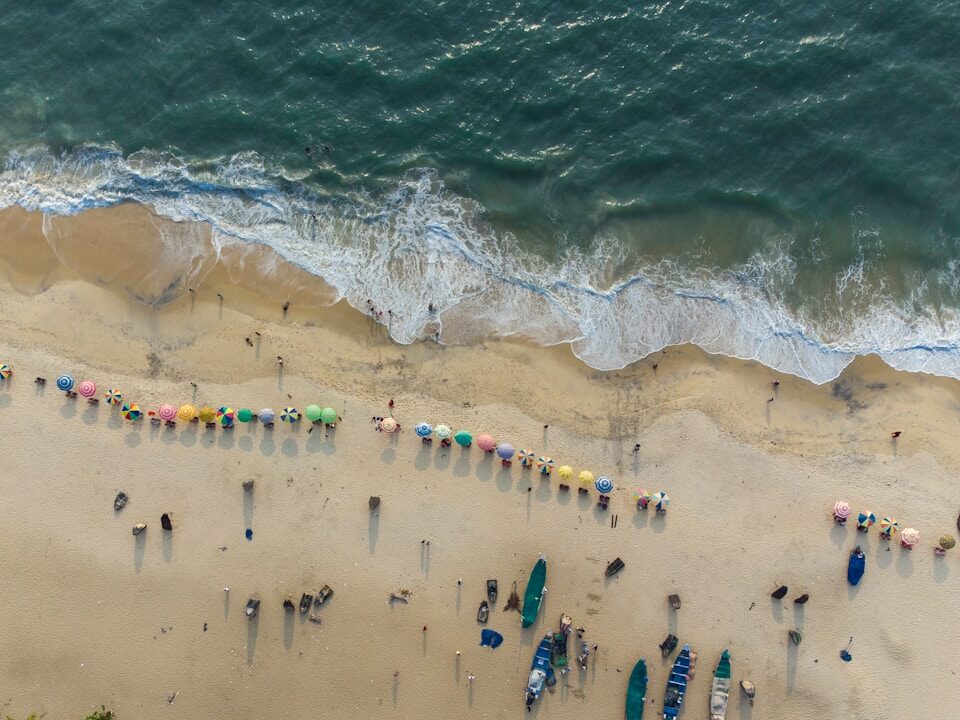
Montrose Point Bird Sanctuary provides a peaceful nature break along the North Side lakefront. Often called the Magic Hedge, the sanctuary contains woodland, prairie, savanna, trails, and an accessible pathway.
Hundreds of bird species have been recorded in the area, although the birds visitors see depend on migration patterns, weather, and time of day. Bring binoculars and visit in the morning when the area is quieter. Remain on marked paths and avoid disturbing nesting birds or protected natural areas.
See a concert at The Salt Shed
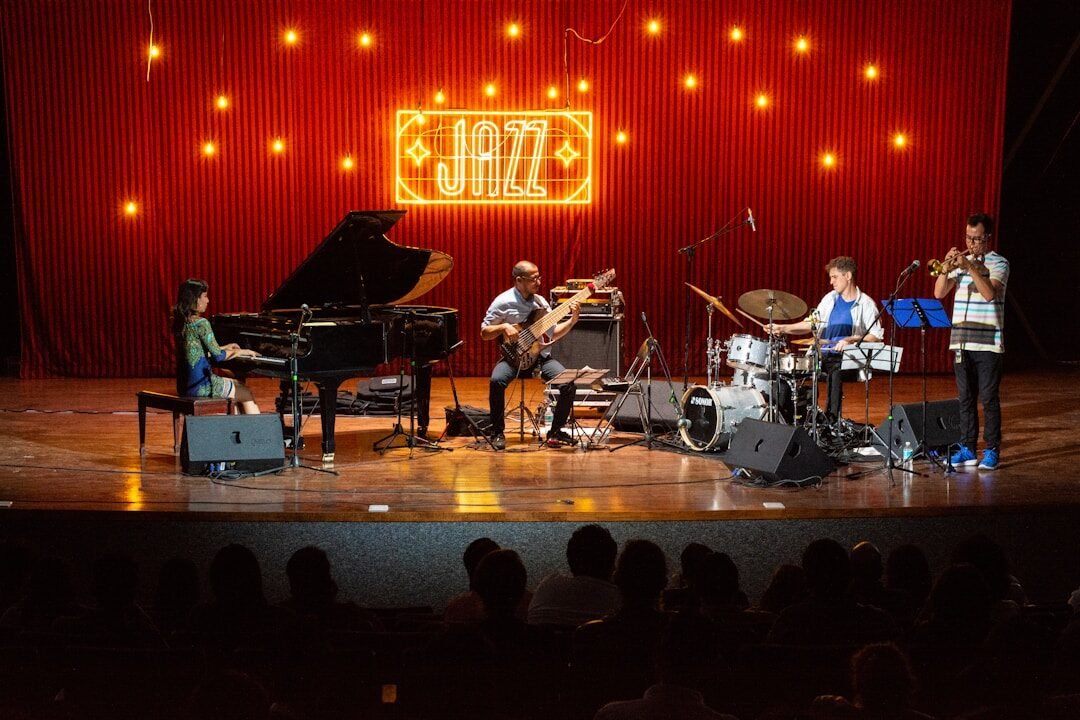
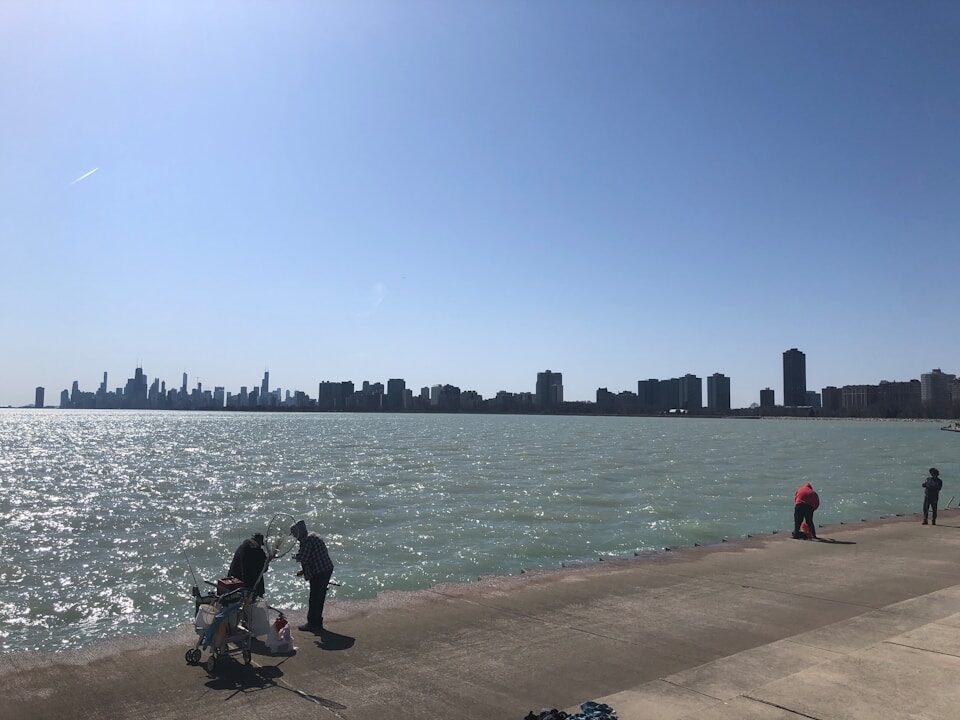
The Salt Shed occupies the former Morton Salt complex along the Chicago River. During warmer months, its outdoor Fairgrounds space hosts concerts, festivals, food events, and community gatherings beneath the property’s recognizable industrial buildings.
The setting feels very different from a traditional theater or downtown arena. Visitors can often find food and gathering areas around the venue before performances. The lineup changes throughout the season, so check age restrictions, bag rules, weather policies, and ticket availability before attending.
Watch a movie in a neighborhood park
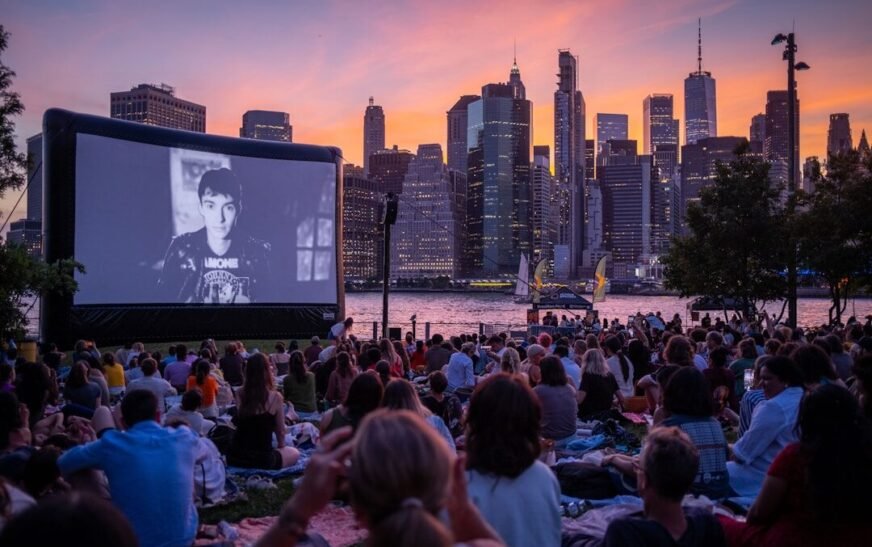
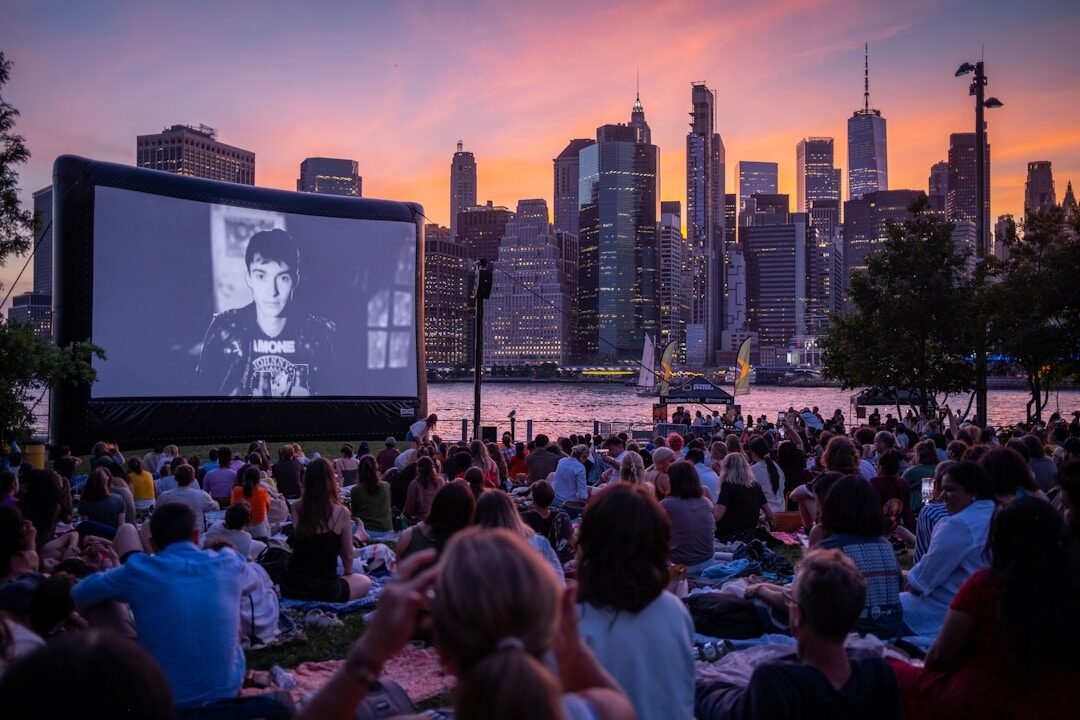
Chicago’s Movies in the Parks program brings outdoor film screenings to parks across the city during the summer. Instead of staying downtown, choose a showing in a neighborhood you have not visited before and arrive early to explore the surrounding area.
Movies generally begin after sunset, and visitors usually bring blankets, folding chairs, snacks, and insect repellent. Screenings can be postponed or canceled because of storms or strong winds. Review the Chicago Park District calendar shortly before leaving because films, parks, and dates change each season.
Browse the Maxwell Street Market
Maxwell Street Market reflects several layers of Chicago’s immigrant, food, music, and retail history. The open-air market became known for inexpensive merchandise, street food, informal entertainment, and its connection to Chicago blues.
The modern market is smaller and operates only on selected seasonal dates rather than every Sunday. Visitors may find art, clothing, jewelry, vintage items, household goods, food, and scheduled performances. Confirm the latest location and calendar before going, since the market’s operating format has changed several times.
Planning your Chicago summer activities
Chicago summers can be hot, humid, sunny, or stormy, sometimes within the same day. Carry water, sunscreen, comfortable walking shoes, and a lightweight rain layer. Outdoor boat trips, concerts, movies, and nature activities may be delayed when severe weather approaches.
Organize each day by neighborhood instead of traveling back and forth across the city. Promontory Point, Pullman, and the South Shore Cultural Center can anchor separate South Side outings. The 606 works well with Bucktown, Wicker Park, or Logan Square, while Maggie Daley Park can be combined with other downtown stops.
Reservations are especially helpful for kayaking, climbing, ticketed concerts, and weekend activities. Free parks and trails usually offer greater flexibility, but mornings are often cooler and less crowded.
Wrapping up
The best summer experiences in Chicago are not limited to famous downtown landmarks. You can paddle beneath skyscrapers, ride a water taxi to Chinatown, picnic on a quiet peninsula, explore an elevated neighborhood trail, or uncover the city’s labor and railroad history.
By mixing outdoor recreation with markets, historic districts, cultural spaces, and neighborhood attractions, you can create a Chicago summer itinerary that feels different from the standard tourist route. Check seasonal schedules, watch the weather, and leave enough time to enjoy each neighborhood without rushing.