

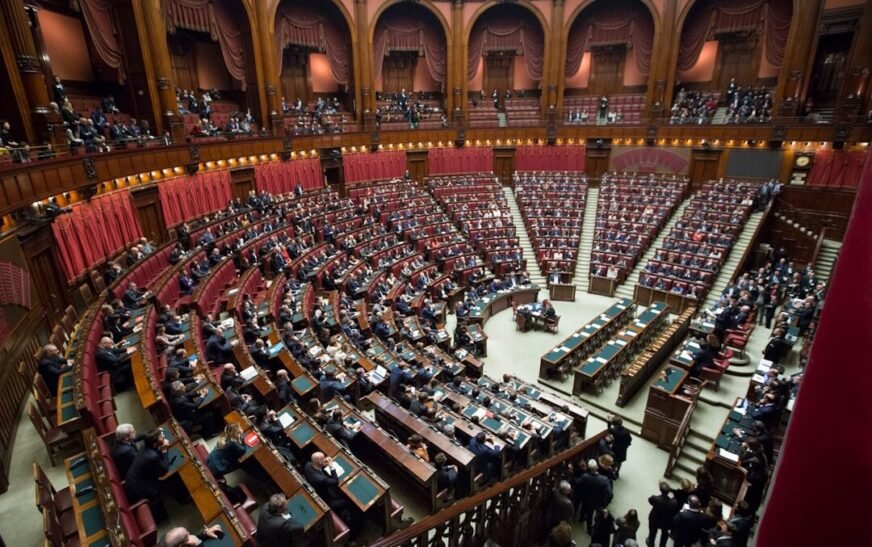
Households in several states could face some of the country’s largest energy-cost increases if federal policies continue shifting away from clean power, efficiency programs, and electric vehicles.
A new Energy Innovation analysis estimated that energy policy changes adopted between January 2025 and May 2026 could add about $460 to the average household’s annual electricity, natural gas, and gasoline expenses by 2035.
The effect would not be equal across the country. Kentucky, Missouri, Oklahoma, North Carolina, and South Carolina were among the states projected to experience increases of at least $500 per household annually.
The analysis projects higher household costs

Energy Innovation estimated that American households could spend an additional $650 billion on energy through 2040 under the federal policy changes included in its model.
The group projected that average annual household costs would be $460 higher in 2035 and $490 higher in 2040 than under the previous policy path. Those totals include electricity, home heating fuel, and gasoline rather than utility bills alone.
The estimates are projections based on assumptions about future technology, fuel prices, electricity demand, and consumer behavior. They are not guaranteed price increases.
Five states could see larger increases
Kentucky, Missouri, Oklahoma, North Carolina, and South Carolina were among the hardest-hit states.
Households in those states were projected to pay at least $500 more per year by 2035. Differences in power generation, vehicle use, building efficiency, fuel consumption, and state energy policies help explain why the expected impact varies.
States that rely heavily on fossil fuels or have fewer efficiency and electrification programs may be more exposed to future fuel-price swings.
Electricity demand is increasing
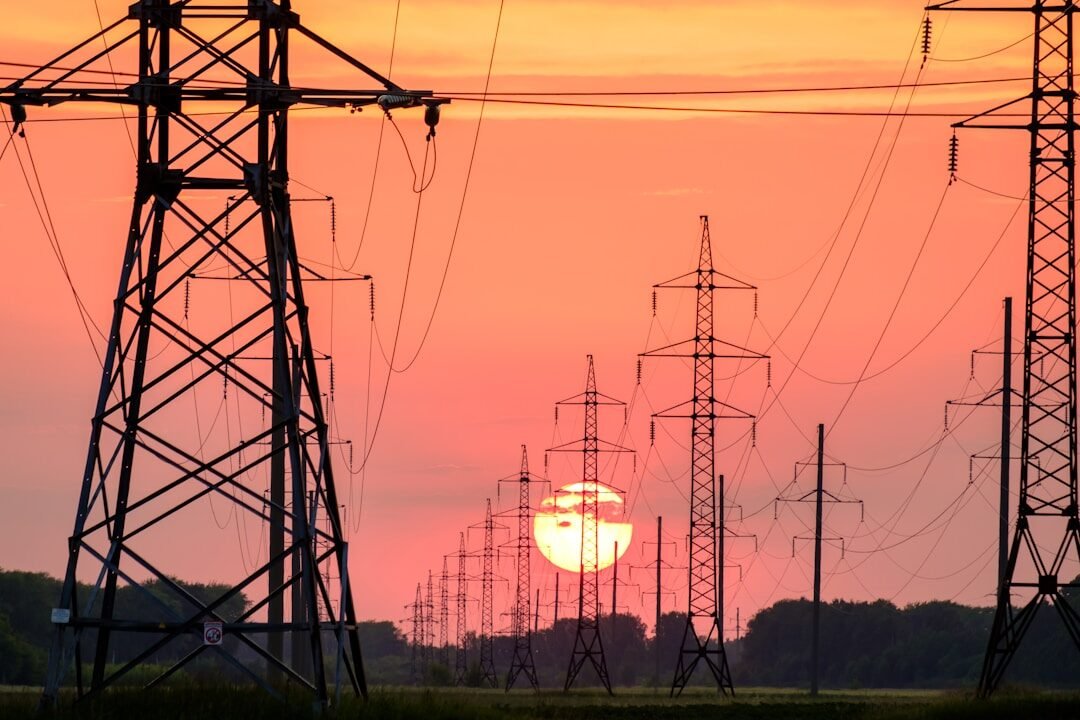
The United States needs more electricity as data centers, artificial intelligence facilities, factories, electric appliances, and population growth place additional demand on the power grid.
Energy Innovation argued that limiting wind, solar, and other clean-energy development would slow the addition of new generating capacity at a time when more power is needed. That could leave utilities relying longer on existing coal and natural gas plants or building more expensive replacement capacity.
Utility bills also depend on transmission investments, fuel costs, weather, state regulation, and decisions made by local power companies.
Gasoline drives much of the increase
The report placed significant weight on changes affecting transportation.
It projected gasoline prices would be 14% higher in 2035 and 26% higher in 2040 than under policies that provided stronger support for efficient and electric vehicles. The difference reflects greater long-term gasoline demand rather than a fixed federal tax at the pump.
Families with long commutes, pickup trucks, or limited public transportation could feel the largest effect. Drivers who use efficient vehicles or travel fewer miles would be less exposed.
Federal incentives were scaled back
The analysis examined policies related to electric vehicles, rooftop solar, home energy efficiency upgrades, clean manufacturing, renewable power, and greenhouse gas standards.
It also included restrictions on wind development, the cancellation of the $7 billion Solar for All program, and reduced support for some domestic clean-energy projects.
Energy Innovation argued that these changes would make efficient equipment and cleaner transportation less affordable, leaving households dependent on more fuel over time.
The White House offers a different view

The Trump administration says expanding oil, natural gas, coal, nuclear power, and mineral production will improve reliability and lower energy costs.
Trump signed an executive order on January 20, 2025, directing agencies to encourage domestic energy production, remove regulatory barriers, and promote consumer choice in vehicles and appliances.
On February 14, he created the National Energy Dominance Council to recommend ways to increase energy supplies, speed permitting, support infrastructure, and reduce regulations that the administration believes raise prices.
More production does not guarantee lower bills
The United States already produces more crude oil than any other country. Production averaged a record 12.9 million barrels per day in 2023 and continued to reach new highs.
However, household energy bills are not determined solely by domestic production. Oil trades in a global market, while electricity prices reflect regional fuel supplies, power plants, transmission systems, utility investments, and regulatory decisions.
Greater production can place downward pressure on some prices, but wars, extreme weather, refinery outages, exports, and rising demand can still push costs higher.
States can limit some of the pressure

State governments and utilities retain significant control over energy affordability.
Energy Innovation recommended faster approval of lower-cost power projects, stronger efficiency programs, modern building standards, support for electric vehicles, and investments to help factories and households use less energy.
States could also expand bill assistance, improve utility oversight, upgrade transmission lines, and reduce delays that prevent new generation from connecting to the grid.
These steps would not fully replace federal incentives, but they could reduce the extent to which the projected increase reaches household budgets.
TL;DR
- Energy Innovation projected an additional $650 billion in household energy spending through 2040.
- Average annual household costs could be $460 higher in 2035 and $490 higher in 2040.
- Kentucky, Missouri, Oklahoma, North Carolina, and South Carolina could see increases of at least $500.
- The estimates include electricity, natural gas, and gasoline costs.
- Gasoline prices were projected to be 14% higher in 2035 under the modeled policy changes.
- The Trump administration argues that greater domestic production and deregulation will lower costs.
- The findings are model-based projections, not confirmed future utility or gasoline prices.