
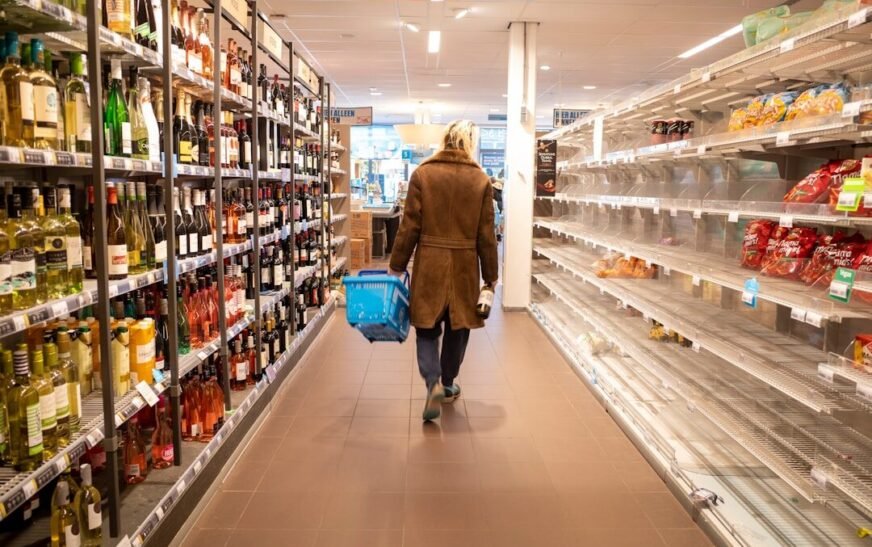
New York City is moving ahead with an unusual experiment to lower grocery bills by opening 5 publicly owned grocery stores, 1 in each borough.
Mayor Zohran Mamdani’s administration has committed $70 million in capital funding to develop the locations. Private grocery companies will handle day-to-day operations, while the city plans to reduce major expenses such as rent and property taxes and require a 30% discount on a selected group of essential foods.
Supporters see the project as a direct response to high food prices. Critics agree the stores could attract shoppers but question whether taxpayers will ultimately have to cover persistent operating costs and whether subsidized competitors could hurt existing supermarkets and bodegas.
Five stores are planned
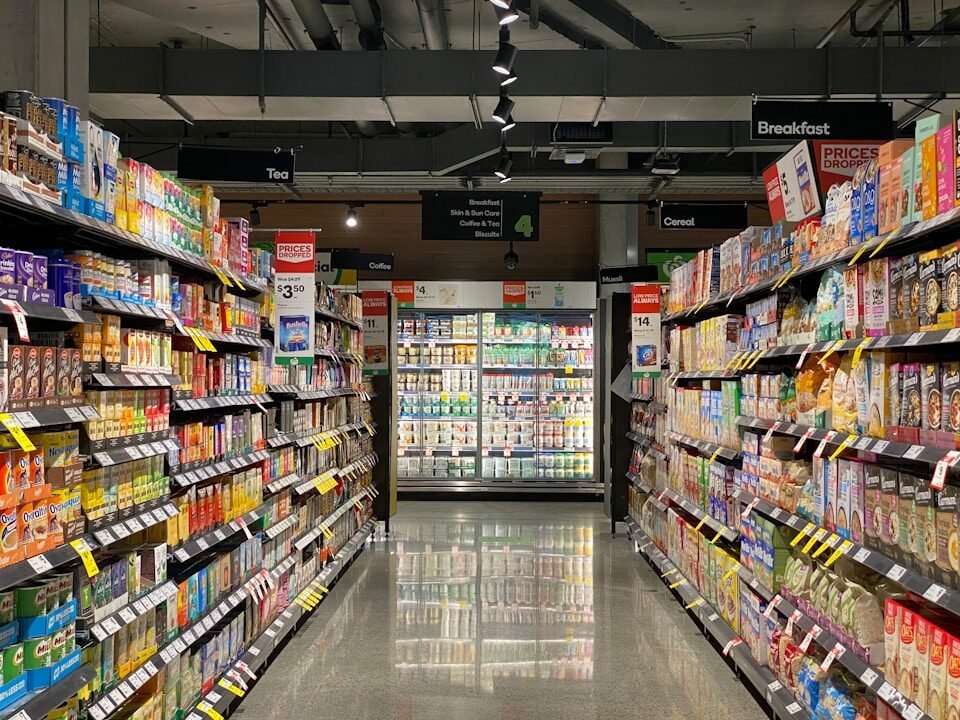
Mamdani wants 1 municipal grocery store in each of New York City’s 5 boroughs, with all 5 expected to open by 2029.
The city has already identified a location at La Marqueta in East Harlem and another at The Peninsula development in the Bronx. The Bronx store is expected to be among the first to open in 2027.
Although the city will own or support the locations, experienced private grocery operators will be selected to manage them. The administration began seeking those operators in July.
Key groceries would cost 30% less
The administration says a core basket of products will be priced 30% below typical New York City retail prices.
That category is expected to include all fresh produce and meat, along with essentials such as milk, eggs, bread, cheese, seafood, rice, pasta, beans, and other staples. The city estimates that regular shoppers could save about $90 a month, or roughly $1,000 a year.
The discount does not mean everything inside the stores will be 30% cheaper. It applies to specified essential products whose prices will be set relative to typical city retail prices.
Public money changes the business model
New York has allocated $70 million in capital funding to develop the 5 locations.
The administration also expects to reduce operating costs by using city-controlled property where possible and covering expenses that private supermarkets normally build into prices. Private operators would therefore compete under different financial conditions from nearby commercial stores.
That difference is central to the debate. Supporters argue that removing rent and other overhead costs is exactly how the government can make food cheaper. Critics say the same subsidies could create an unfair competitive advantage.
Friedberg expects strong demand
Venture capitalist David Friedberg has argued that predictions of immediate failure may misunderstand how consumers respond to large discounts.
He expects the stores to initially attract significant demand because shoppers are likely to choose substantially cheaper meat, produce, dairy, and other essentials when those options are available.
His concern is what happens after that success. If residents become accustomed to subsidized prices, political pressure could grow to keep funding the stores or expand the model even when the operations lose money.
That makes popularity different from financial sustainability. A heavily subsidized store can attract customers while still costing taxpayers more than it earns.
Private grocers fear uneven competition
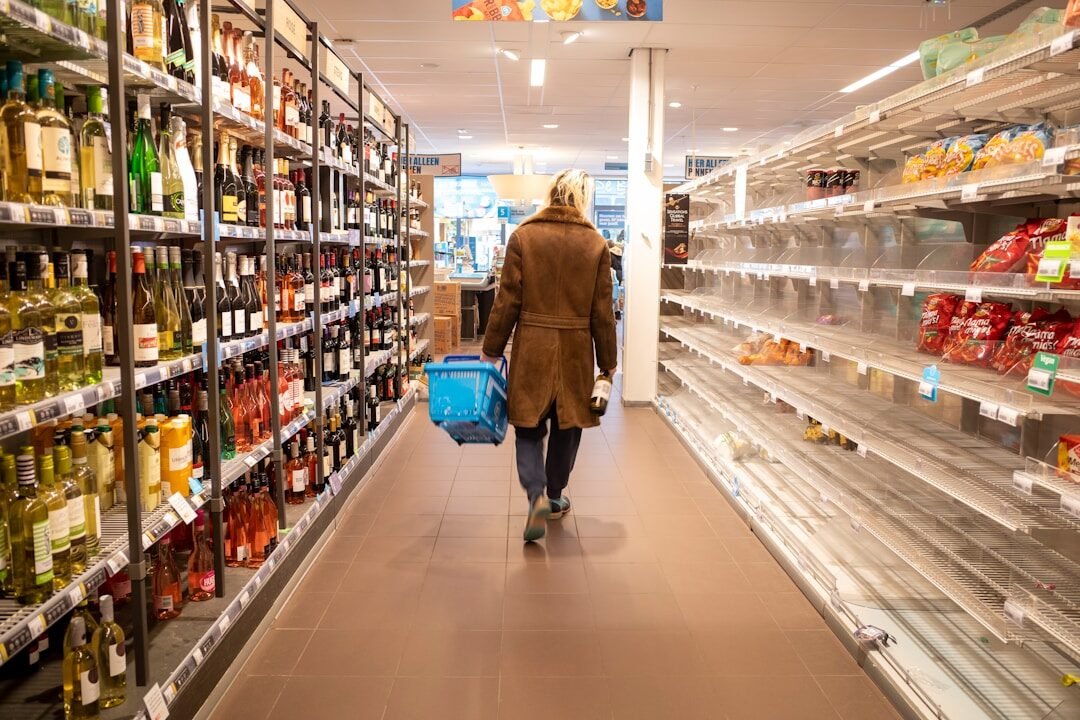
Some independent grocers and bodega operators worry that they cannot match prices offered by stores receiving public support.
Traditional supermarkets must cover rent, property expenses, payroll, utilities, inventory losses, insurance, and other costs from their sales. Grocery margins are typically thin, leaving limited room for a permanent 30% reduction on major products.
Mamdani has tried to address those concerns by saying municipal stores will not sell products such as alcohol, cigarettes, lottery tickets, or hot prepared foods, which are important revenue sources for many neighborhood stores.
Business groups remain concerned that heavily discounted staples could still draw significant traffic away from existing stores.
Supporters see affordability benefits
New York City argues that the project should be judged partly by the savings it delivers to households rather than by the same standards as a private supermarket.
Food prices have increased sharply since before the pandemic, putting pressure on families already facing high housing, transportation, and child care expenses. The administration says municipal stores could demonstrate a different model while immediately reducing prices for shoppers who use them.
Supporters also believe the stores could create competitive pressure on nearby retailers and test whether lower property costs can translate into cheaper groceries.
The challenge is scale. Five stores serving a city with millions of residents can only reach a limited share of shoppers directly.
Critics question whether subsidies are efficient
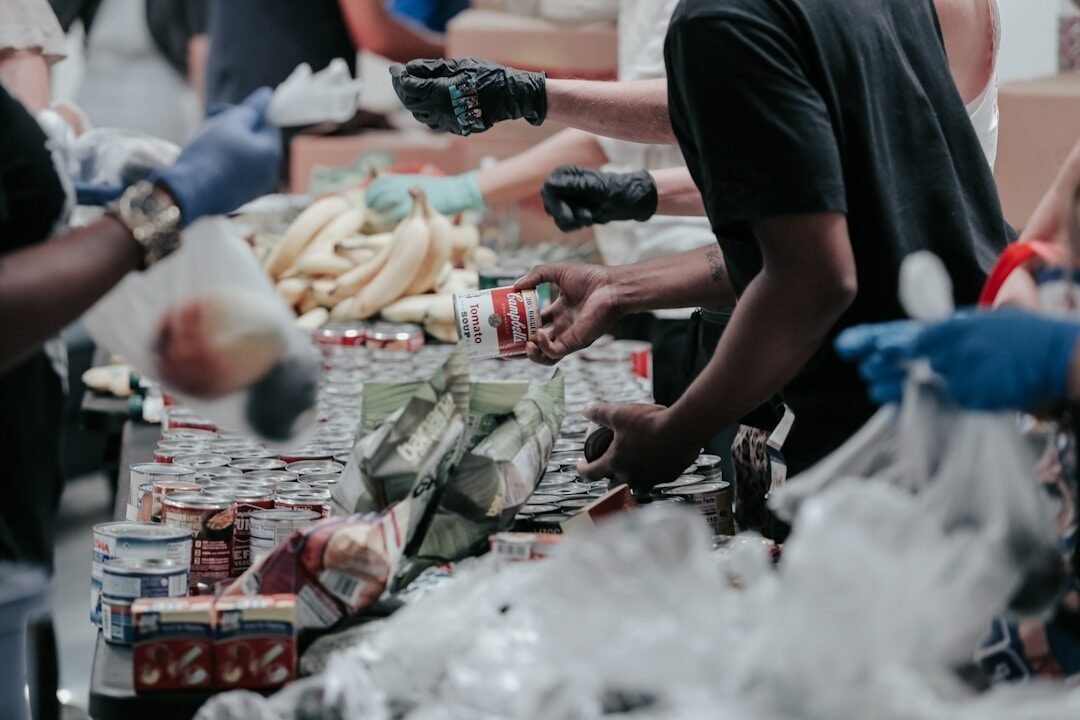
Fiscal-policy critics argue that the city should compare the grocery program with alternatives such as food assistance, cash benefits, support for existing stores, or policies that reduce commercial operating costs.
The Citizens Budget Commission has called for a fuller analysis of the stores’ long-term costs and their effect on unsubsidized businesses. Its concern is whether public grocery subsidies are the most efficient way to help households struggling to afford food.
Experiences elsewhere have been mixed. Some publicly supported grocery projects have survived, while others have closed due to high operating costs, theft, weak sales, or declining government support.
New York’s experiment will therefore be watched not only for whether shoppers arrive, but for how much each dollar of savings ultimately costs taxpayers.
TL;DR
- New York City plans 5 publicly owned grocery stores, 1 in each borough.
- The city has committed $70 million in capital funding.
- Private grocery companies will operate the stores rather than City Hall employees.
- Selected essential foods will be priced about 30% below typical NYC retail prices.
- The administration estimates regular shoppers could save about $90 a month.
- Critics worry that taxpayer subsidies could lead to ongoing losses and disadvantage private grocers.
- The first stores are expected in 2027, with all 5 planned by 2029.