
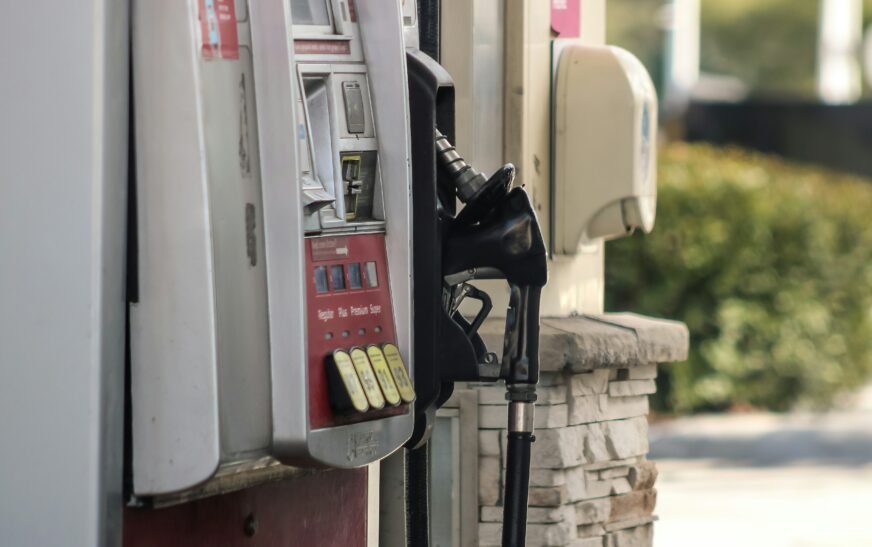
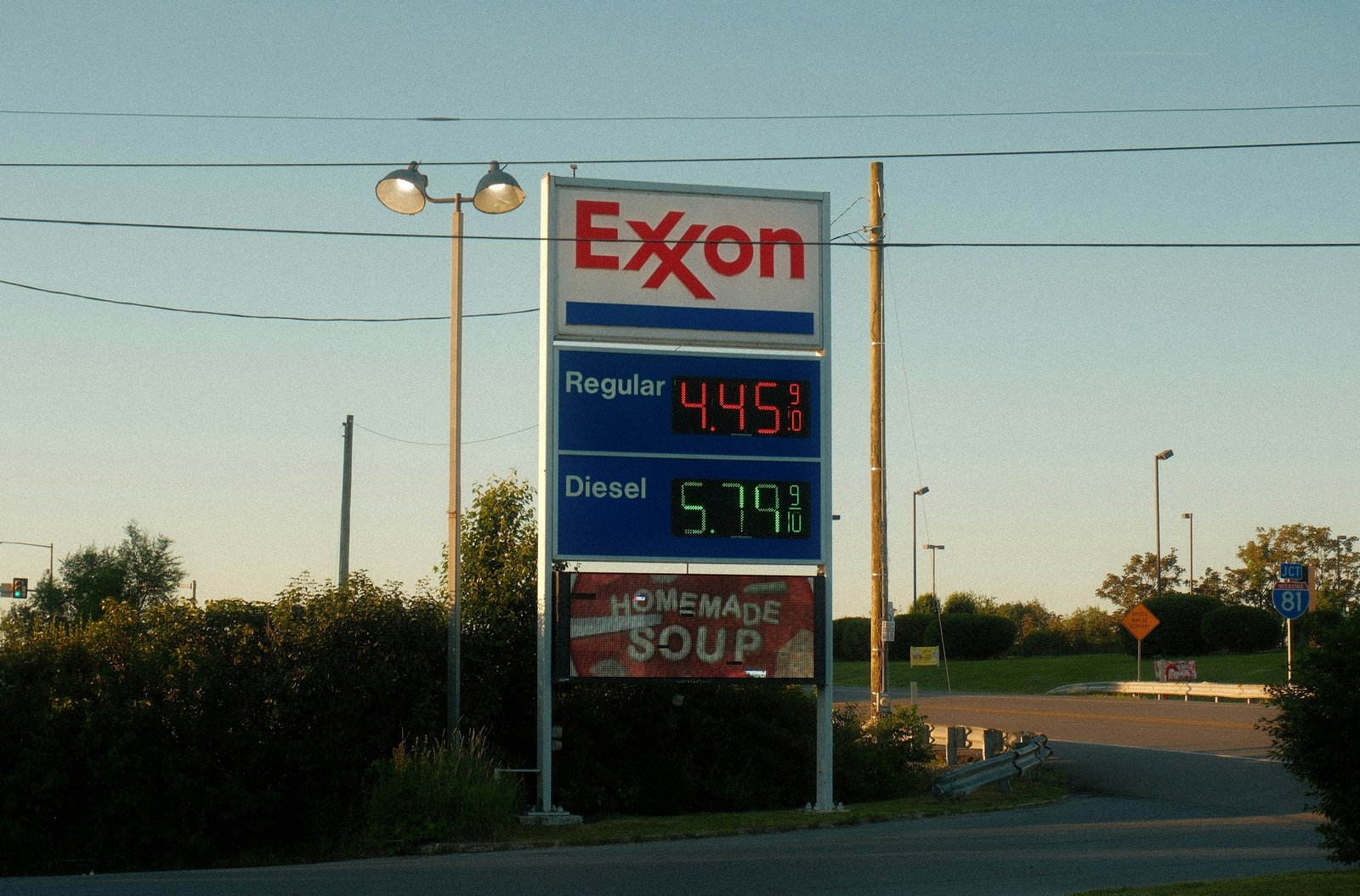
Gasoline prices climbed back above $4 per gallon nationally in early April 2026, forcing many Americans to reconsider how often, how far, and what they drove.
The increase was unusually fast. AAA said the national average reached $4.08 on April 2, up $1.08 from one month earlier and above $4 for the first time since August 2022.
For commuters, small-business owners, parents, and travelers, the higher price was more than an unpleasant number on a gas station sign. It reduced disposable income, raised business expenses, and made fuel efficiency a larger part of everyday decisions.
Gas prices rose rapidly
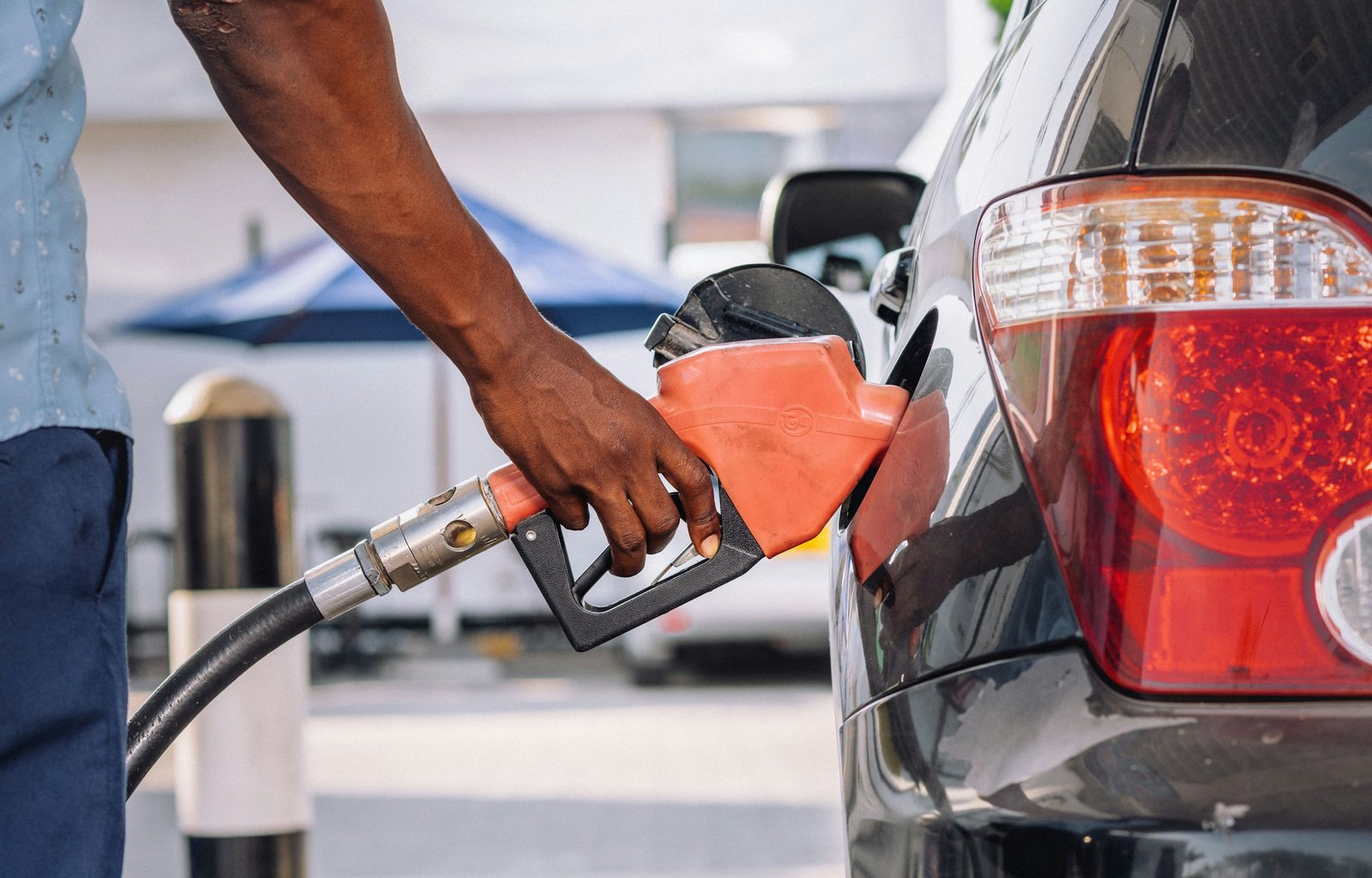
The national average entered 2026 at about $2.83 per gallon, then rose sharply after the conflict with Iran began in late February.
By March 31, prices were around $4 per gallon, according to fuel-price tracking services. AAA placed the average at $4.08 two days later, representing an increase of more than $1 in a month.
The increase was among the fastest recorded in recent years. However, prices remained below the national record of slightly more than $5 per gallon reached in June 2022.
The Iran conflict affected oil markets
The rise followed U.S. military action against Iran and growing concern about supplies moving through the Strait of Hormuz.
The waterway is an important route for global crude oil and petroleum products. Any threat to tanker traffic can increase oil prices even before physical supplies are fully disrupted.
Crude oil is one of the largest components of retail gasoline prices. Higher oil costs usually move through refineries, distributors, and gas stations before appearing on roadside signs.
Commuters reconsidered their routines
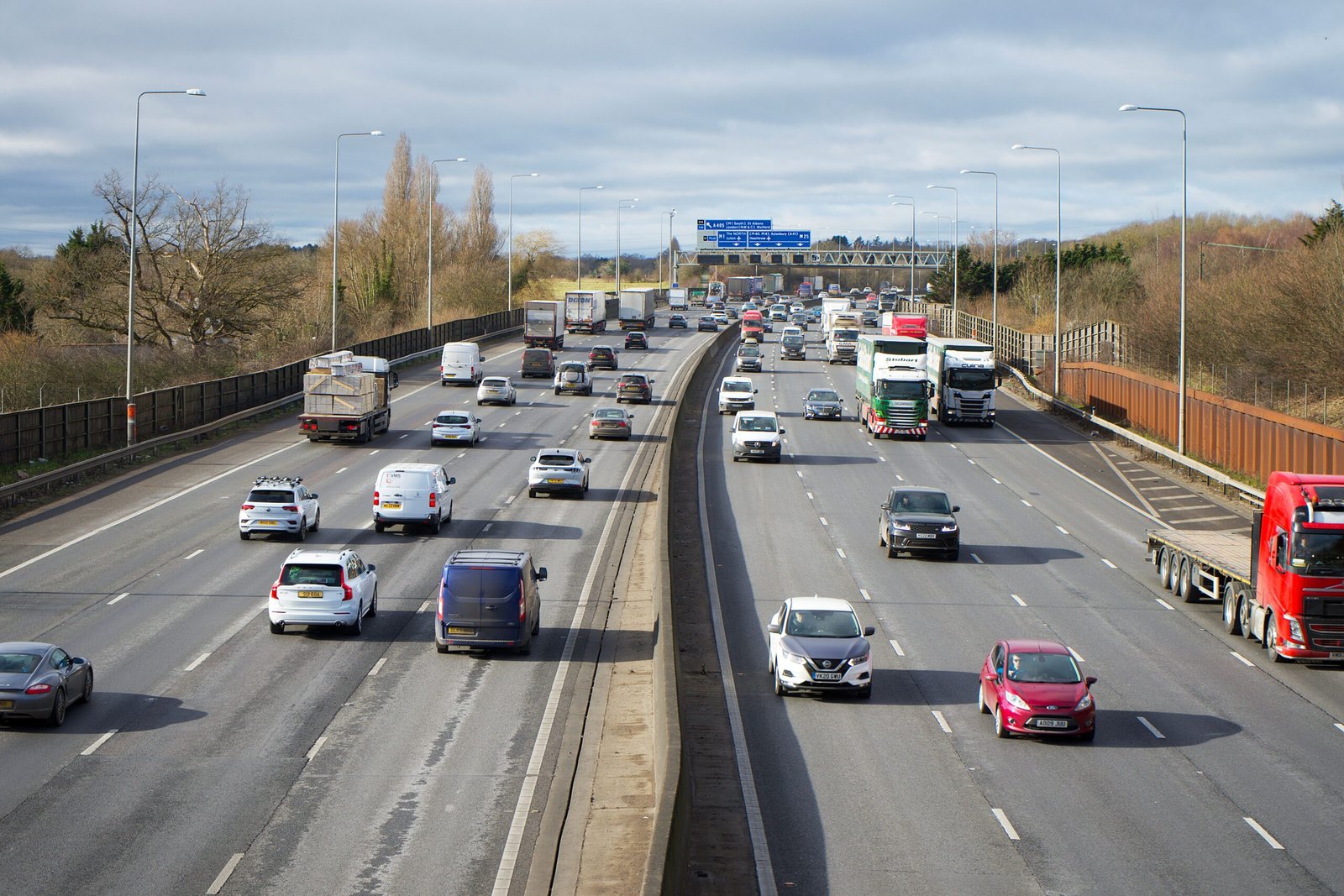
Some workers began comparing the price of driving with public transportation, carpooling, or working remotely.
A commuter who previously preferred the speed and privacy of a personal vehicle might accept a longer train or bus journey when filling the tank costs $60, $70, or more.
Drivers with no practical transit option had fewer choices. Rural residents, shift workers, caregivers, and employees traveling between suburbs often could not simply stop driving, even when fuel accounted for a growing share of their paychecks.
Small businesses felt the pressure
Higher gasoline prices created a direct expense for landscapers, delivery workers, contractors, mobile pet-care services, and other businesses that operate vehicles or fuel-powered equipment.
A business owner could absorb the cost temporarily, reduce profit, or charge customers more. Each option carried risks.
Raising prices could cause clients to leave, while absorbing every increase could make a job unprofitable. Fuel costs also affected lawn equipment, generators, delivery vans, and other machinery in addition to work trucks.
Families cut optional spending
Many households responded by adjusting spending outside the gas station.
Money used for fuel could reduce what remained for restaurants, entertainment, clothing, vacations, or savings. A household that spent an extra $25 per week on gasoline would have $100 less available each month.
Families also reconsidered long drives to visit relatives or reach vacation destinations. Some combined errands, stayed closer to home, or selected activities that required less travel.
Fuel efficiency became more valuable
Drivers using hybrids and smaller cars were better protected from the increase than those operating large SUVs or pickup trucks.
A vehicle that travels 40 miles on one gallon uses half as much fuel as one that travels 20 miles per gallon over the same distance. That difference becomes more important when gasoline costs $4 or more.
Travelers also began paying closer attention to rental-car choices. Selecting a hybrid for a long road trip could reduce the effect of higher fuel prices, even when the rental itself costs slightly more.
Prices varied widely by location
The national average did not represent what every driver paid.
State taxes, fuel requirements, refinery supply, transportation costs, and local competition created large regional differences. Some stations in lower-cost states remained below $4, while prices in California and parts of New York were considerably higher.
California’s specialized gasoline market and high taxes regularly place it among the country’s most expensive states. Individual stations in Manhattan can also charge far above nearby regional averages because of real estate and operating costs.
EPA tried to expand the fuel supply
The Environmental Protection Agency announced temporary flexibility for gasoline containing 15% ethanol, commonly known as E15.
The policy was intended to make more domestically produced fuel available during the high-demand driving season. Ethanol is usually made from corn and is blended into most U.S. gasoline.
Allowing wider E15 sales could place modest downward pressure on prices in areas where the fuel was available. However, it was not expected to offset a major increase in global crude oil costs fully.
Driving changes may not last forever

Americans often drive less, combine trips, or choose more efficient vehicles when fuel prices remain elevated for an extended period.
The response is usually limited in the short term because jobs, housing patterns, and daily responsibilities cannot change quickly. Many people continue driving the same distance while reducing other spending instead.
A lasting shift would depend on how long prices stayed high. If oil markets stabilized and gasoline became cheaper, some drivers would likely return to their previous habits.
TL;DR
- The national gasoline average exceeded $4 per gallon in early April 2026.
- AAA reported a $4.08 average on April 2, up $1.08 from one month earlier.
- Oil-market disruption linked to the Iran conflict contributed to the rapid increase.
- Commuters considered transit, carpooling, and fewer optional trips.
- Small-business owners faced higher costs for vehicles and fuel-powered equipment.
- Families reduced dining, entertainment, and travel spending to cover gasoline.
- Hybrid and fuel-efficient vehicles became more valuable as pump prices increased.
- EPA expanded access to E15 fuel, but the policy could not fully offset higher crude oil costs.