
Empty homes and shuttered storefronts are fueling a new policy debate in Venice, where community leaders are considering whether property owners should pay a fee when residential or commercial space sits unused for much of the year.
The Venice Neighborhood Council has been considering a proposal to study a localized vacancy fee on properties left empty for more than six months annually. The idea is not yet a tax, and no fee has been approved. Instead, the motion would ask Los Angeles officials to determine whether such a policy could legally and practically work within Venice.
Supporters argue that empty housing and commercial space are difficult to justify in a neighborhood facing high housing costs, homelessness, and pressure on local businesses. Any future policy, however, would still face legal, administrative and political hurdles before property owners could actually be charged.
Venice is studying a vacancy fee
The proposal grew out of the Venice Neighborhood Council’s Homelessness Committee. It calls for studying a fee on residential and commercial properties that remain vacant for more than six months of the year.
The motion would ask Council District 11 Councilmember Traci Park and the Los Angeles Housing Department to have the City Attorney examine whether a Venice-specific program is legally possible and how it might be administered.
That distinction matters because the neighborhood council cannot simply impose a new property tax on its own. The current debate is about requesting a feasibility review rather than immediately collecting money from property owners.
Empty homes are part of the concern
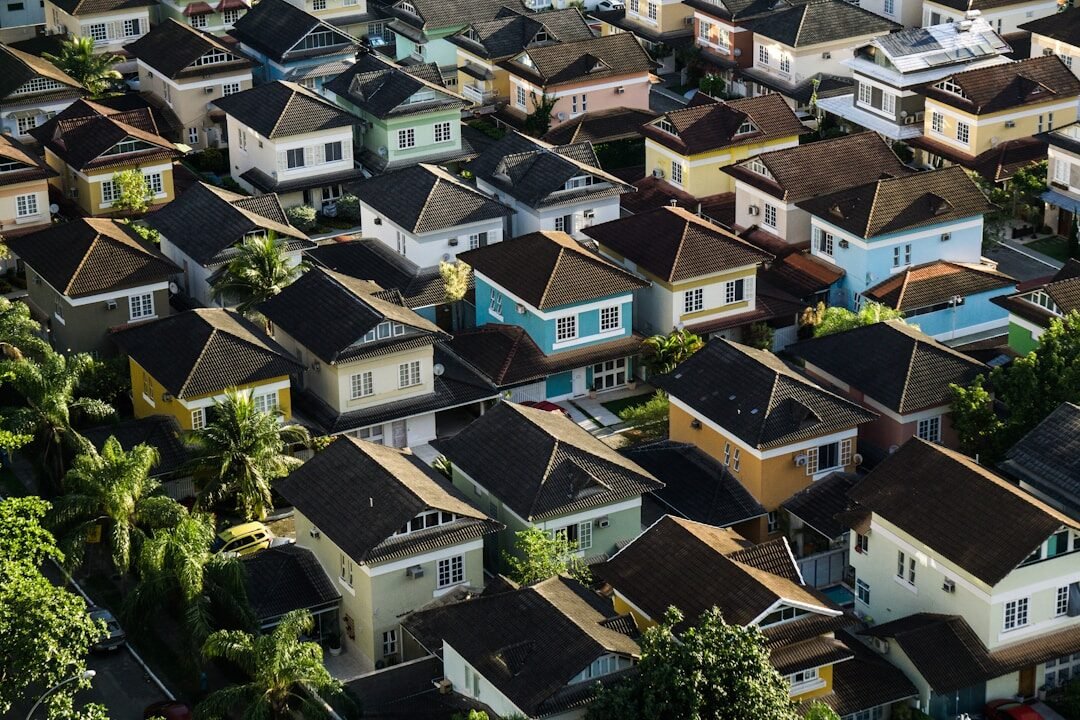
Supporters point to a basic contradiction in Venice’s housing market. Homes can remain unused while renters and buyers compete for a limited supply of available housing.
A vacancy charge is intended to change that calculation by making it more expensive to leave usable property empty for long periods. Owners could respond by renting, selling, or otherwise putting those properties back into use.
The proposal does not establish how many Venice homes would actually qualify or how large any eventual fee would be. Those details would need to be studied before a workable ordinance could be considered.
Storefront vacancies are also drawing attention
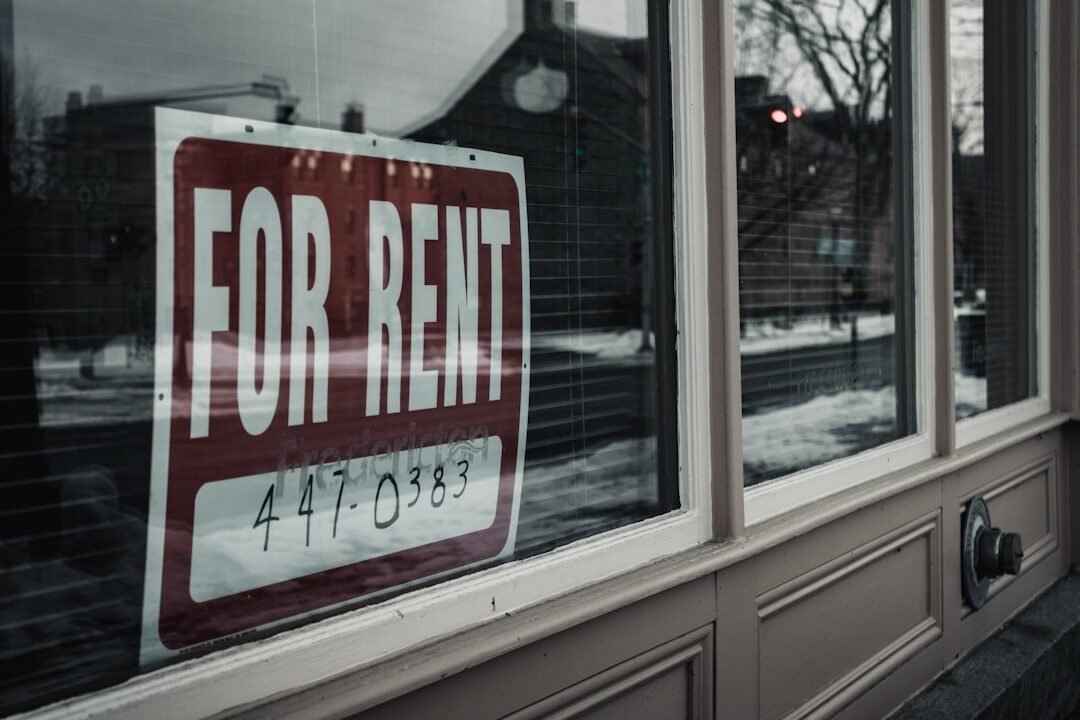
The proposal goes beyond housing. Empty commercial spaces along Abbot Kinney Boulevard, Rose Avenue, and the Venice Boardwalk are also cited as part of the neighborhood’s concern.
Supporters argue that long-term storefront vacancies can weaken foot traffic and make commercial corridors feel less active. For businesses that depend heavily on visitors and pedestrians, several dark storefronts on the same block can affect the wider shopping environment.
Property owners, however, may leave spaces vacant for many reasons, including high renovation costs, financing problems, redevelopment plans, or difficulty finding tenants willing to pay the asking rent.
Revenue would support local housing programs

If Venice eventually adopts a vacancy fee, the proposal says the money should remain focused on local housing and homelessness needs.
Potential uses include temporary housing, rental assistance for lower-income families in Venice, and homelessness programs serving the neighborhood.
That funding structure is part of the argument for the proposal. Supporters are not only trying to encourage owners to fill vacant properties but also seeking a new source of funding if those properties continue to sit empty.
No revenue estimate has been established because the proposal is still at the study stage.
Other California cities offer examples
Venice supporters have pointed to vacancy policies in Oakland, Berkeley, and San Francisco as examples that Los Angeles officials could study.
Those programs differ in important ways, including which properties qualify, how exemptions work, and how charges are calculated. A Venice policy would therefore not necessarily copy any one city’s system.
The experiences elsewhere could still help Los Angeles officials identify practical problems, including how to determine whether a property is truly vacant and how owners can challenge an assessment.
A fee could encourage lower asking rents
One argument for vacancy fees is that they can alter the economics of keeping a property vacant.
A landlord holding out for a higher rent may become more willing to lower the asking price if prolonged vacancy creates an additional annual cost. That could potentially return some residential units and storefronts to the market sooner.
The effect is not guaranteed. Some properties may remain vacant because they need substantial repairs or because their owners are awaiting redevelopment approvals, while others could qualify for exemptions under any future ordinance.
Venice cannot act alone
Even if the Venice Neighborhood Council supports the idea, it does not have the independent authority to create a new tax or fee of this scale.
The proposal would need involvement from Los Angeles city officials, including legal review and potentially action by the City Council. Depending on how a policy was structured, additional procedural or voter-approval requirements could also become relevant.
For now, the neighborhood council’s role is primarily advisory. It can push the issue forward and request a study, but the city government would ultimately determine whether a broader legal process begins.
The debate reflects the housing pressure in Los Angeles
The vacancy discussion extends beyond Venice, as Los Angeles continues to struggle with housing affordability, homelessness, and commercial turnover.
An empty property stands out more sharply when nearby residents are paying high rents, and businesses are struggling to find affordable storefronts. That does not mean every vacant property could easily be converted into usable housing or commercial space, but it explains why vacancy policies keep returning to local political debates.
The Venice proposal asks a larger question that many expensive cities are confronting: when property remains unused for long periods in a market where space is scarce, should the owner bear an additional cost?
TL;DR
- Venice leaders are considering a study of a vacancy fee on residential and commercial properties.
- The proposal would target properties left unused for more than six months of the year.
- No vacancy fee has been approved or imposed yet.
- The City Attorney would be asked to study whether a Venice-specific policy is legally and practically workable.
- Supporters cite empty homes and storefronts along Abbot Kinney Boulevard, Rose Avenue, and the Venice Boardwalk.
- Any future revenue could support rental assistance, temporary housing, and local homelessness programs.
- Oakland, Berkeley, and San Francisco have vacancy policies that Los Angeles officials could examine.
- A final policy would require action beyond the Venice Neighborhood Council and could face additional legal and political hurdles.