

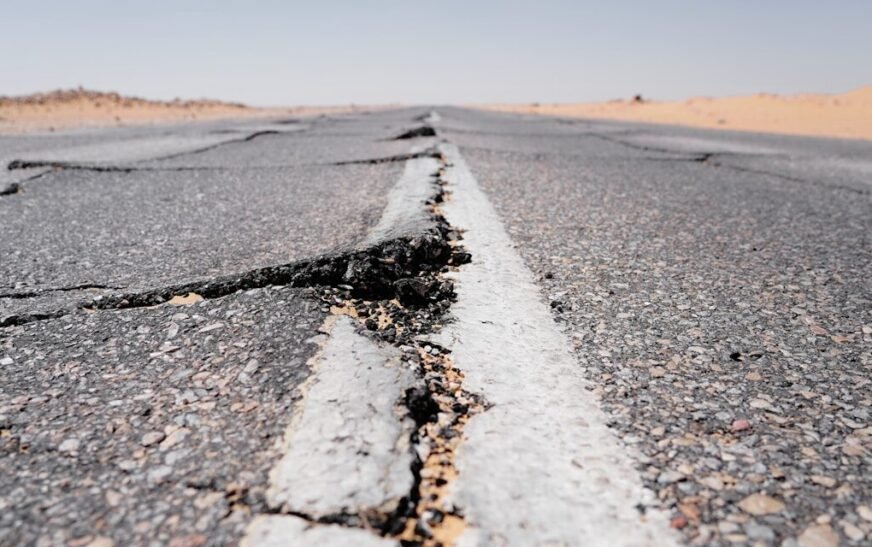
California’s earthquake risk is back in the spotlight after geophysicist Stefan Burns warned that Southern California could face heightened seismic activity in the months ahead. His comments followed the devastating magnitude 7.4 earthquake that struck western Colombia on August 10.
Burns has described California as “super overdue” for a major earthquake and has pointed to Southern California’s network of active faults as a concern. His warning has attracted attention because it comes alongside new scientific research showing unusually high modeled stress on parts of the San Andreas and San Jacinto fault systems.
But Burns’ forecast is not an official U.S. Geological Survey earthquake prediction. Mainstream earthquake science still cannot reliably say exactly when, where, and at what magnitude a major earthquake will strike.
The Colombian earthquake renewed attention
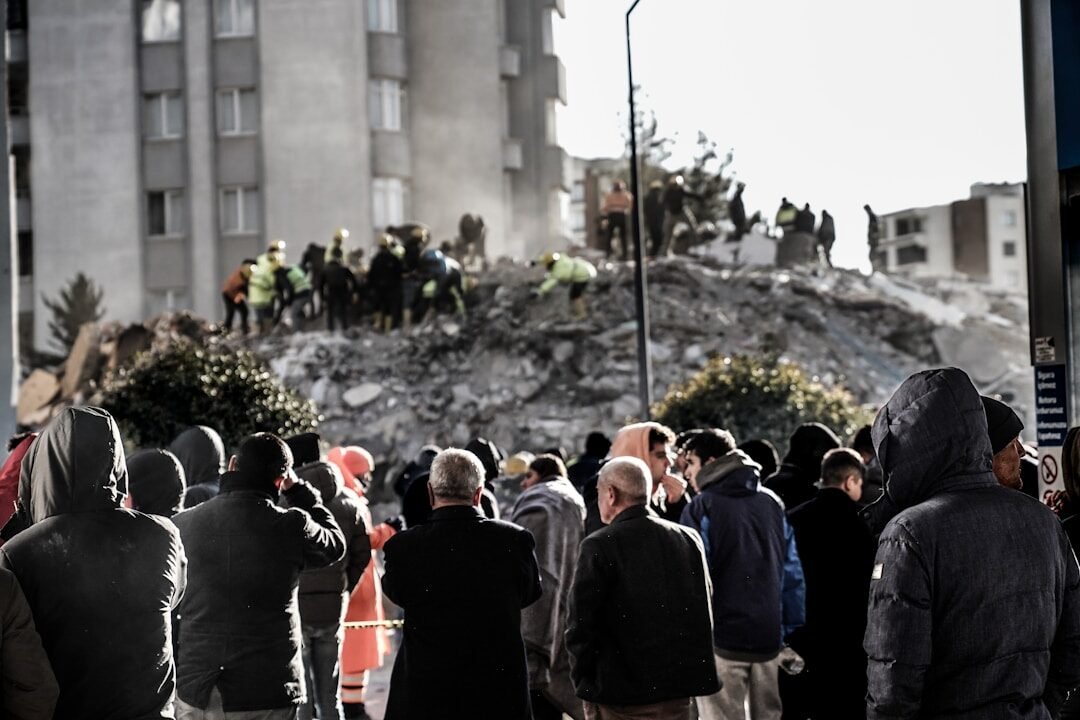
A magnitude 7.4 earthquake struck western Colombia on August 10, causing widespread destruction and hundreds of deaths. The quake was centered in the country’s Chocó region and damaged tens of thousands of homes.
Burns referenced the Colombian earthquake while discussing California and argued that major seismic events can influence stress patterns elsewhere.
That does not mean the Colombia earthquake has been scientifically established as a warning that California will experience a major quake next. The two regions are thousands of miles apart, and official U.S. earthquake agencies have not issued such a prediction.
California earthquakes cannot be predicted precisely
Scientists can identify dangerous faults and estimate how likely earthquakes are over long periods, but they cannot reliably predict an individual major earthquake in advance.
A true earthquake prediction would need to specify the event’s location, size, and timing with useful accuracy. Current science cannot routinely do that. Instead, researchers produce probabilistic forecasts showing how much earthquake risk exists over periods such as decades.
That distinction is important when considering warnings that suggest California could experience a major earthquake within months.
Southern California carries a major fault risk
Southern California sits along several active fault systems, with the San Andreas and San Jacinto among the most important.
Together, those two fault systems accommodate roughly 90% of the relative plate movement between the Pacific and North American plates in Southern California, according to research published in 2026.
The San Andreas has produced some of California’s largest historical earthquakes. The magnitude 7.9 Fort Tejon earthquake in 1857 ruptured a long stretch of the fault, demonstrating the potential for powerful events across the region.
New research highlights the Cajon Pass
A June 2026 study published in the Journal of Geophysical Research: Solid Earth examined approximately 1,000 years of earthquake history along the southern San Andreas and San Jacinto systems.
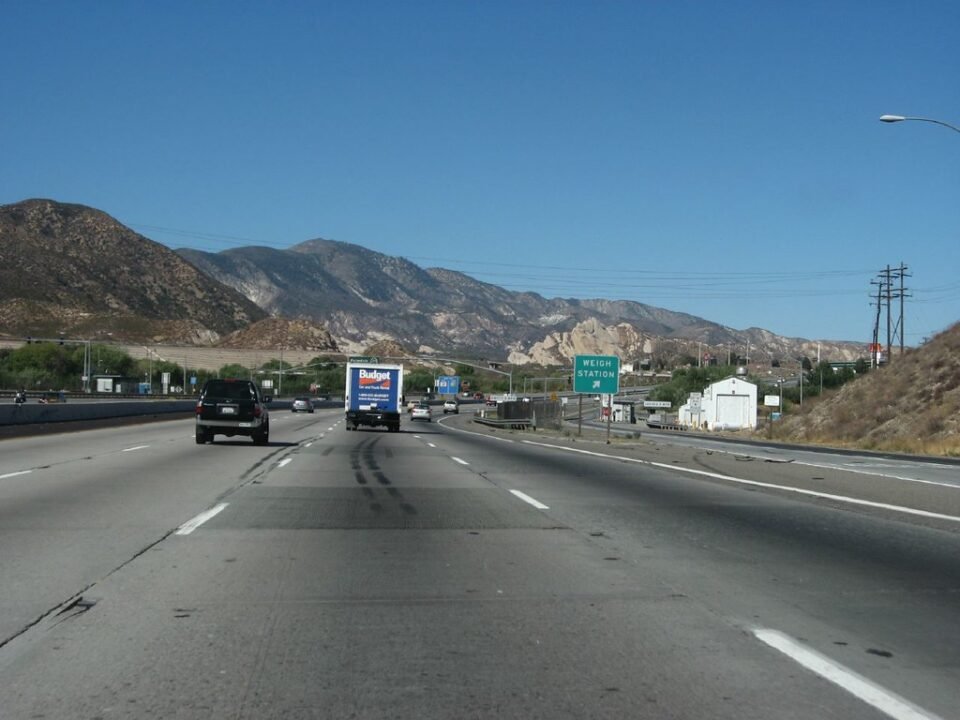
Researchers used computer simulations to estimate how tectonic stress accumulated across fault segments through time. They found unusually high modeled stress around several segments near Cajon Pass, where the 2 fault systems come close together.
The researchers described Cajon Pass as a possible “earthquake gate.” Under some stress conditions, it may help stop a rupture, while under others, it could allow ruptures to propagate between fault systems.
Stress levels are unusually high
The study estimated that by 2025, modeled Coulomb stress had reached about 2.8 megapascals on the Mojave South segment of the San Andreas, 1.8 megapascals on the North San Bernardino segment, and 3.6 megapascals on the San Jacinto Bernardino segment.
Researchers said present modeled stress across much of the southern fault system was unusually high compared with the 1,000-year history used in their simulations.
That finding strengthens the case for taking Southern California’s long-term seismic hazard seriously. It does not provide a date or a countdown for the next major earthquake.
Small quakes do not provide a countdown
California regularly experiences small earthquakes and earthquake swarms because tectonic stress is continuously affecting its fault systems.
Those events can occasionally be foreshocks, but scientists usually cannot identify a foreshock until after a larger earthquake happens. An ordinary cluster of small earthquakes, therefore, does not reliably establish that a major event is about to occur.
USGS hazard models use earthquake catalogs, fault information, geological evidence, and other measurements to estimate future risk rather than treating individual small tremors as dependable predictions.
Early warning is different from prediction
California does have an earthquake warning system, but it works only after an earthquake has already started.
Ground sensors rapidly detect the initial seismic waves and estimate the earthquake’s location and strength. Alerts can then reach some people before the strongest shaking arrives, potentially providing several seconds or more to take protective action.
Warnings are available through systems including the MyShake app, Android earthquake alerts, and Wireless Emergency Alerts.
People very close to an earthquake’s origin may receive little or no advance notice because the shaking reaches them too quickly.
Preparedness remains the safest response
The latest research reinforces a reality Californians have faced for generations: a damaging earthquake will eventually occur, even though nobody can reliably say exactly when.
Residents can reduce their risk by securing heavy furniture and appliances, keeping emergency supplies available, learning how to shut off utilities when necessary, and practicing Drop, Cover, and Hold On.
Earthquake Warning California also recommends making family communication plans and ensuring phones are configured to receive emergency alerts.
Burns’ warning may draw attention to the hazard, but official preparedness advice does not depend on whether any short-term prediction proves correct.
TL;DR
- Geophysicist Stefan Burns has warned that California is “super overdue” for a major earthquake.
- His warning followed the magnitude 7.4 earthquake that struck western Colombia on August 10.
- Burns’ forecast is not an official USGS earthquake prediction.
- A 2026 study found unusually high modeled stress along parts of the San Andreas and San Jacinto fault systems.
- Cajon Pass may act as an important connection point between the 2 fault systems.
- Scientists still cannot reliably predict the exact date, location, and magnitude of a major earthquake.
- California’s warning system detects earthquakes only after they begin, making preparedness the most practical response.