

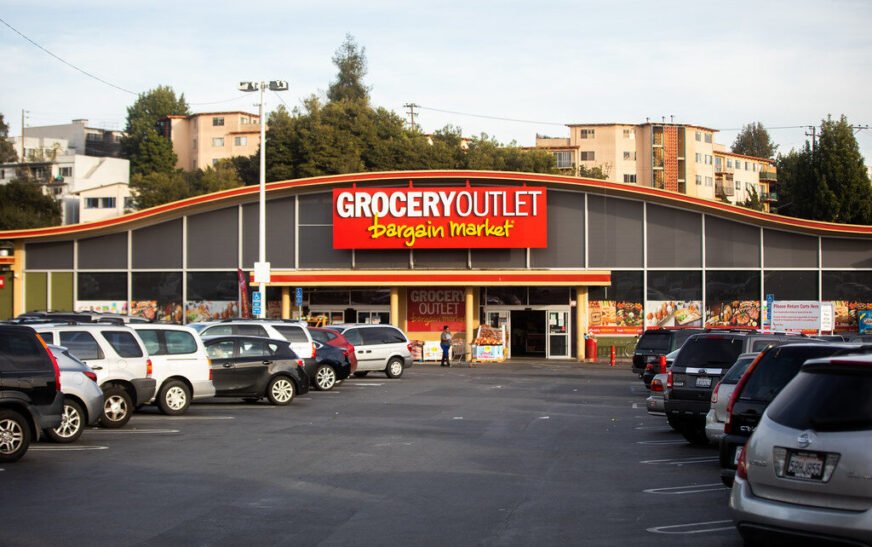
Grocery shoppers in California are losing some of their lower-cost options as Grocery Outlet moves ahead with a plan to close underperforming stores. The discount chain announced in March that it planned to shut 36 locations nationwide as part of an effort to improve profitability and cash flow.
The closures are not limited to California, but the state has taken a noticeable hit. Eight California stores have closed since July, according to lease information made public by Gordon Brothers, while the company continues opening new locations elsewhere.
For shoppers who rely on Grocery Outlet for discounted groceries, the changes could mean longer trips and fewer nearby bargain options. The closures also highlight how changing consumer spending, stronger competition, and pressure on retailers are reshaping the grocery industry.
Grocery Outlet targets weaker stores
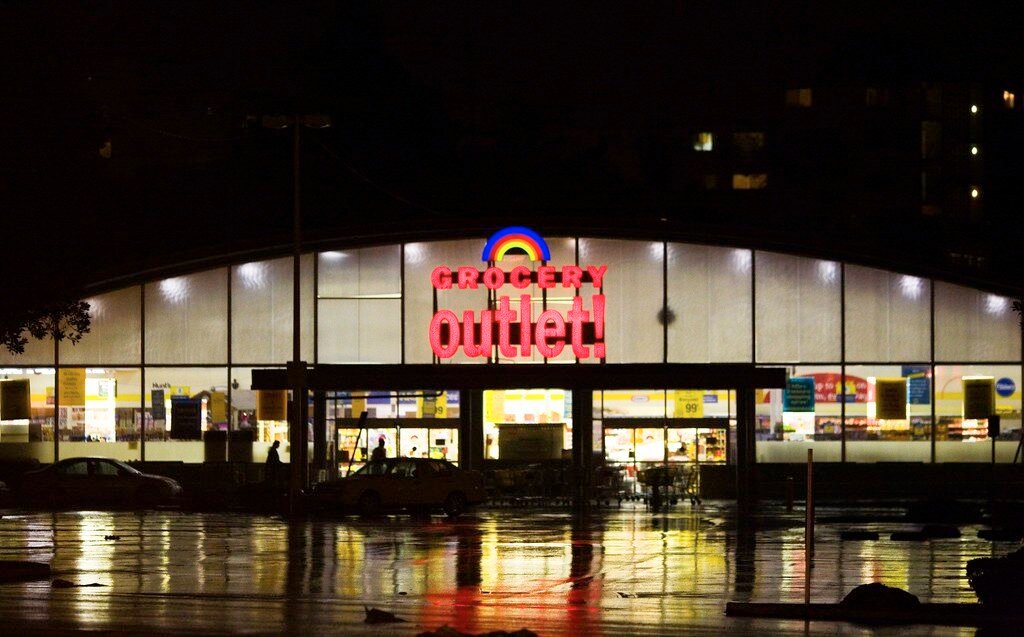
Grocery Outlet announced its optimization plan in March, saying it would close 36 financially underperforming locations nationwide. The company said the move was intended to improve operational execution, strengthen long-term profitability, and generate more cash.
CEO Jason Potter said the company faced increased consumer pressure, delayed federally funded benefits, and more promotional competition during the fourth quarter. Those pressures made it harder for weaker locations to maintain acceptable financial performance.
The company has continued expanding at the same time. Grocery Outlet said it opened 10 stores during the quarter and 17 stores year to date, showing that the strategy is focused on reshaping its network rather than abandoning expansion.
Eight California stores have closed
California accounts for eight of the 12 stores that Grocery Outlet had closed by its Aug. 12 earnings call. The closures include locations in Brawley, El Cajon, Kerman, La Habra, Ontario, Patterson, Poway, and Ridgecrest.
The stores were identified through lease information assembled by Gordon Brothers after the closure announcement. The leases were made available as the former retail locations became available for new tenants.
The closures span different parts of California, so the impact is not concentrated in a single metropolitan area. For customers who regularly relied on these stores, the nearest Grocery Outlet may now be farther away.
These California locations shut down
The eight California addresses identified in the lease information are:
- 315 Panno Drive, Brawley
- 350 N. 2nd Street, El Cajon
- 14868 West Whitesbridge Avenue, Kerman
- 2001 West Whittier Blvd., La Habra
- 4420 Ontario Mills Parkway, Ontario
- 2900 Sperry Ave., Patterson
- 13345 Poway Rd., Poway
- 120 N. China Lake Blvd., Ridgecrest
The closures are part of the company’s broader 36-store optimization plan. Grocery Outlet has not publicly released a complete list of every store being closed, so the locations identified through lease information provide only part of the picture.
Closures stretch beyond California

California is not the only state affected by the restructuring. Grocery Outlet has also closed three stores in Idaho, six in Maryland, four in New Jersey, six in Ohio, and three in Pennsylvania.
The company said the 36 closures represented roughly 6% of its store base, according to Grocery Dive. That makes the shutdowns significant for individual communities while still leaving the overwhelming majority of Grocery Outlet stores operating.
The geographic spread also shows that the company is evaluating individual locations rather than targeting one particular state or region.
Grocery Outlet is still expanding
Store closures might suggest that Grocery Outlet is pulling back, but its recent numbers tell a more complicated story. The company opened 10 stores during the quarter and 17 during the year through its Aug. 12 earnings report.
That means Grocery Outlet is simultaneously closing weaker locations and opening stores in markets it believes have greater potential. The approach allows the company to redirect resources rather than maintain locations that are not meeting financial expectations.
For shoppers, that could eventually mean fewer stores in some communities but more locations in other growing markets.
Why shoppers value the chain
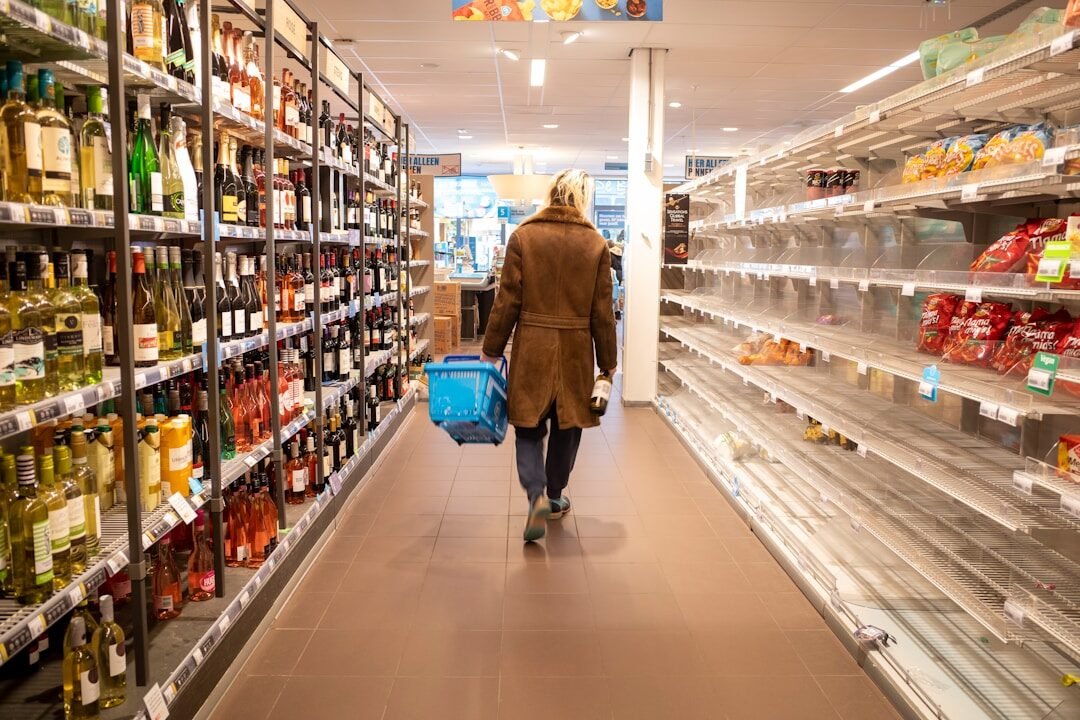
Grocery Outlet has built its reputation around discounted groceries, including private-label products and closeout merchandise. The chain can offer products at substantial discounts compared with conventional grocery stores, although selection and availability can change frequently.
That bargain-focused model can be especially attractive when household budgets are under pressure. Shoppers may visit expecting to find lower prices on everyday groceries, specialty products, or items that are temporarily available.
When a store closes, customers do not necessarily lose access to every product they purchased there. But they may lose the convenience of having a discount-focused retailer close to home.
Competition is adding pressure
Grocery Outlet’s own explanation points to a tougher retail environment. The company said competition became more promotional while consumers faced increased financial pressure.
That combination can be difficult for discount retailers. Grocery shoppers may become more price-conscious, but competitors can also respond with promotions, loyalty discounts, and lower prices on selected products.
Therefore, Grocery Outlet has to balance its discount strategy with store-level profitability. Closing locations that consistently underperform can free resources for stores and markets where the company sees better opportunities.
The closures could reshape local shopping
A grocery store closure can affect a neighborhood well beyond the loss of one storefront. Customers may have to drive farther, change their shopping routines, or compare prices at different retailers.
The effect may be more noticeable among shoppers who choose Grocery Outlet specifically for its discount model. A nearby replacement supermarket may offer convenience but not necessarily the same selection or pricing strategy.
For communities with fewer grocery options, the departure of a discount chain can make affordable shopping more difficult, particularly when households are already trying to control food costs.
Grocery Outlet’s strategy is changing
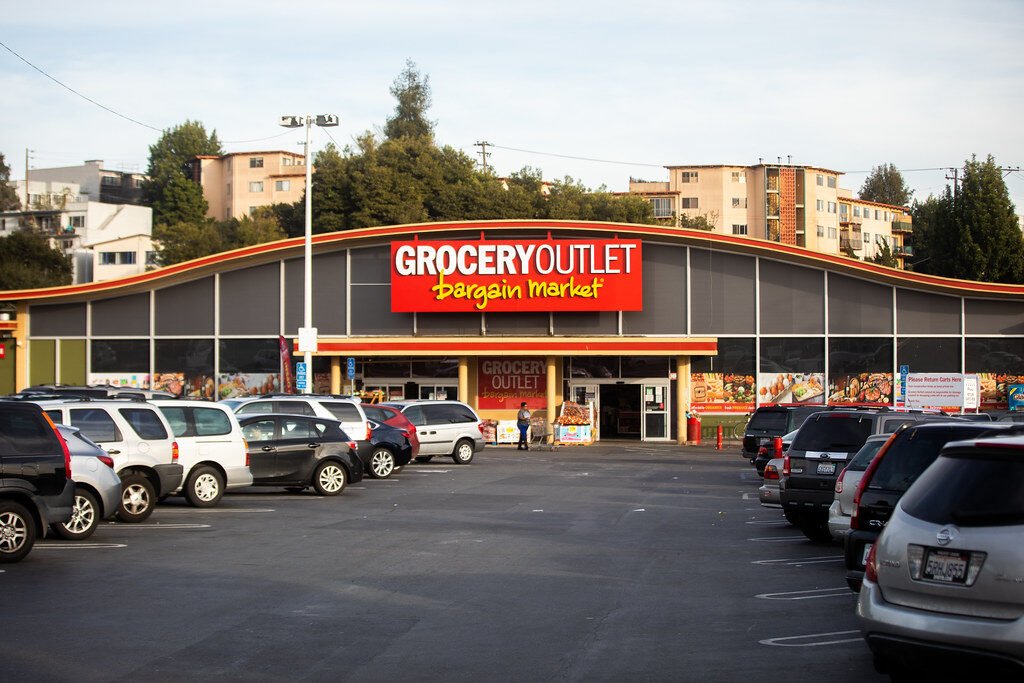
The company’s current strategy is less about simply adding as many stores as possible and more about improving the performance of its overall network. That means some locations can disappear even as the company continues to open new ones.
The 36 closures represent a relatively small share of Grocery Outlet’s nationwide footprint, but the effect is much more visible in communities where a store has already closed.
As the company continues its optimization plan, shoppers will be watching whether new stores replace some of the lost locations or whether certain communities permanently lose the chain.
TL;DR
- Grocery Outlet announced plans to close 36 financially underperforming stores nationwide.
- The company had closed 12 stores by its Aug. 12 earnings call, including eight in California.
- California closures include stores in Brawley, El Cajon, Kerman, La Habra, Ontario, Patterson, Poway, and Ridgecrest.
- Other closures have occurred in Idaho, Maryland, New Jersey, Ohio, and Pennsylvania.
- Grocery Outlet says the closures are part of an optimization plan designed to improve profitability and cash flow.
- The company opened 10 stores during the quarter and 17 year-to-date, indicating it is still expanding.
- The restructuring could leave some communities with fewer discount grocery options while Grocery Outlet shifts investment toward stronger locations.