

Amazon’s expansion into artificial intelligence is drawing new scrutiny in Texas after the company confirmed plans for a massive data center campus powered largely by onsite natural gas.
The project, known as GW Ranch, is being developed in Pecos County by Pacifico Energy. Texas regulators have approved an air permit allowing up to 7.65 gigawatts of gas-fired generation, along with plans for battery storage and solar power.
The scale has put Amazon’s AI ambitions in direct conversation with its climate commitments. The permit allows greenhouse gas emissions of up to 33 million tons of carbon dioxide annually. However, actual emissions could be substantially lower depending on how much of the project is built and how often the turbines operate.
Amazon confirmed its role

Amazon confirmed in August that it had acquired the GW Ranch data center site in West Texas.
Pacifico Energy is developing the power infrastructure, and Amazon plans to purchase electricity from the project for its new data center campus. At least initially, the facility will rely on private onsite generation rather than drawing its main electricity supply from the Texas grid.
Amazon said the arrangement allows it to pay for the power required by its operations without passing new generation costs directly to Texas electricity customers.
The company also said the campus is designed so it could eventually transition to grid-connected service as interconnection capacity becomes available.
The gas permit is unusually large
The Texas Commission on Environmental Quality approved Pacifico Energy’s permit for as much as 7.65 gigawatts of gas generation in January 2026.
Pacifico describes it as the largest power-generation permit of its kind issued in the United States. The project can use a combination of small and large gas turbines and is expected to develop in phases rather than reaching its maximum capacity immediately.
The first power is targeted for early 2027. Pacifico says the site could have 1 gigawatt operating in 2028 and more than 5 gigawatts by 2031.
The emissions ceiling draws attention
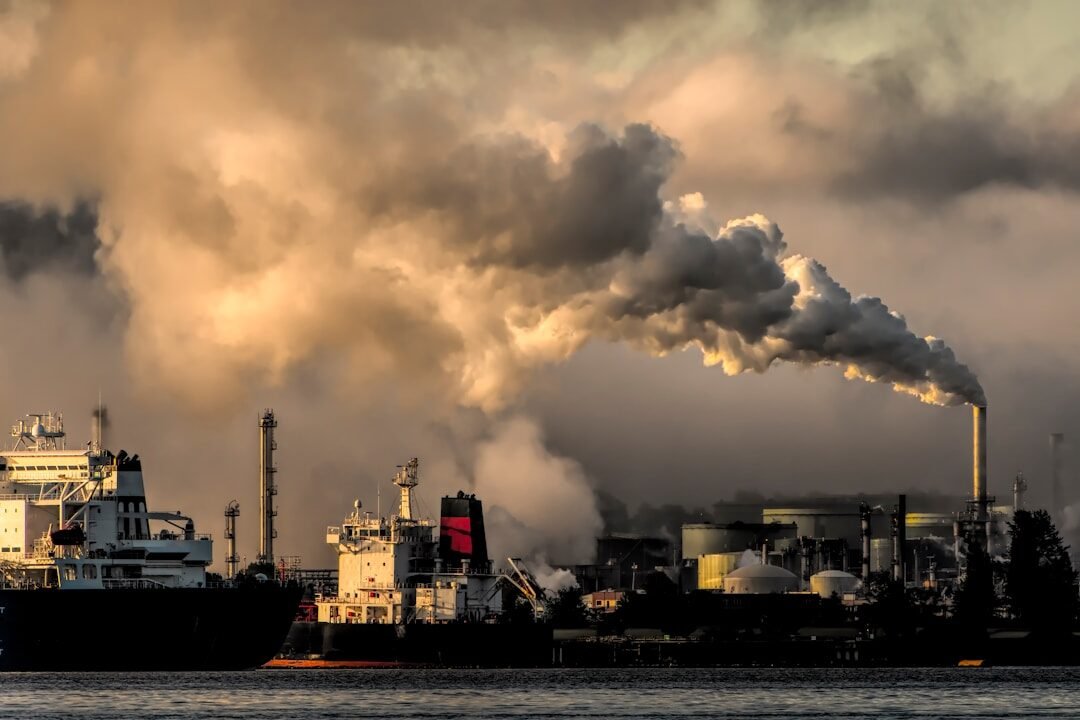
The project’s permit authorizes up to approximately 33 million tons of carbon dioxide emissions per year.
That does not mean GW Ranch will release 33 million tons every year. Air permits establish legal maximums, while actual emissions depend on the number of turbines operating, their efficiency, operating hours, fuel consumption, and the final project size.
Still, the ceiling is unusually high. If the facility ever approached that level, researchers and news organizations have estimated that it could rank among the largest individual greenhouse gas sources in the United States.
The permit also authorizes the emission of thousands of tons of other regulated pollutants, including nitrogen oxides, carbon monoxide, particulate matter, and volatile organic compounds.
AI is changing how data centers get power
Large AI facilities require enormous amounts of electricity to operate servers, cooling systems, networking equipment, and other infrastructure.
Grid connections can take years when transmission capacity is limited, or utilities face long queues of new projects. That has pushed some technology companies toward behind-the-meter generation, where power plants are developed alongside data centers instead of waiting for traditional grid service.
GW Ranch reflects that trend. Its private-grid structure is designed to let customers expand faster and control their own power supply.
Natural gas is attractive because turbines can provide electricity around the clock and can be installed in phases. The tradeoff is continued carbon emissions and local air pollution.
Solar and batteries are also planned
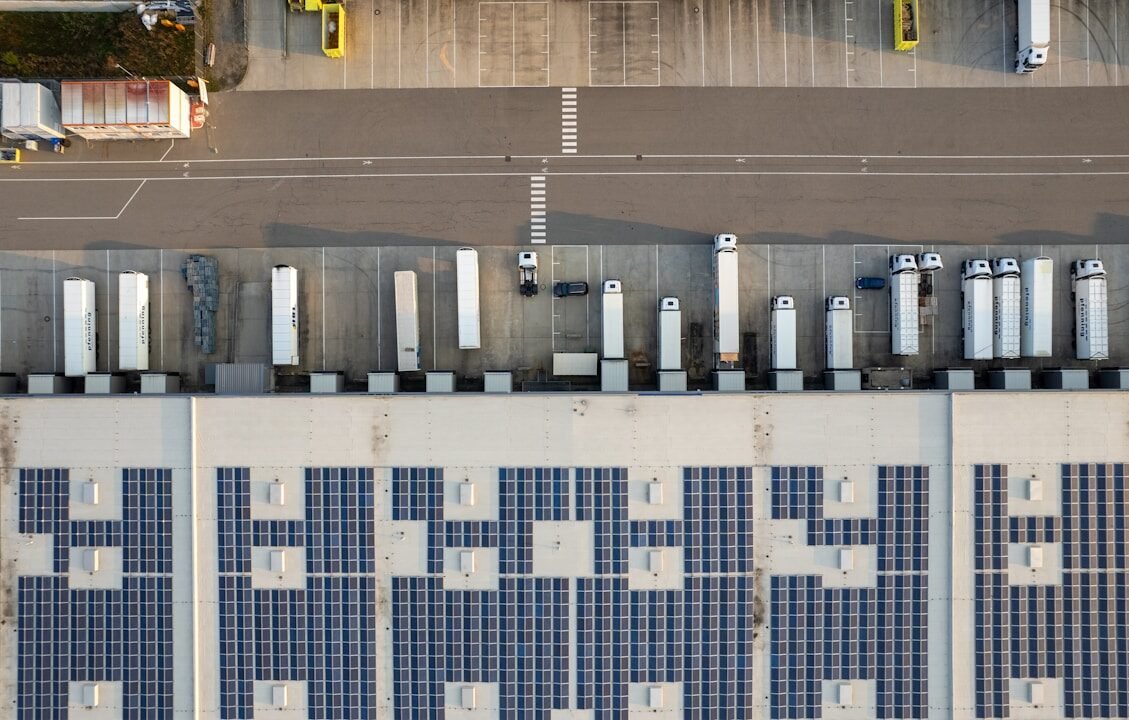
GW Ranch is not designed entirely around natural gas.
Pacifico says the site could include up to 1.8 gigawatts of battery storage and 750 megawatts of solar generation. Those resources could reduce gas use during some periods and help maintain a steady power supply.
Their actual effect on emissions will depend on how much solar and storage are ultimately constructed and how frequently they displace gas generation.
The much larger permitted gas capacity means natural gas would still play a central role if the project reaches its planned scale.
Water is another West Texas concern
Large data centers often face questions about cooling water, especially in dry regions such as the Permian Basin.
Amazon said the Pecos County campus plans to use non-potable brackish groundwater rather than supplies suitable for drinking or irrigation. The company also said it will use cooling technology intended to minimize water demand and explore additional non-potable sources.
Pacifico separately describes the power system as largely water self-sufficient and says the development will not require major external water supplies.
Those commitments will become easier to evaluate once the final data center design, cooling system, and operating water consumption are publicly known.
Amazon’s climate pledge faces pressure

Amazon co-founded The Climate Pledge in 2019 and continues to target net-zero carbon emissions across its operations by 2040.
The company also says 100% of the electricity it consumed globally was matched with renewable energy sources in 2025 for the third consecutive year.
At the same time, Amazon reported that its absolute carbon emissions increased 16% in 2025 compared with 2024, even as its carbon intensity remained 38% below its 2019 level.
GW Ranch, therefore, illustrates the challenge facing large technology companies. AI demand is growing quickly enough to require enormous new power supplies, while climate commitments depend on reducing emissions over the longer term.
TL;DR
- Amazon confirmed plans for a major AI data center campus in Pecos County, Texas.
- Pacifico Energy holds a permit for up to 7.65 gigawatts of onsite gas-fired generation.
- The permit allows up to 33 million tons of carbon dioxide emissions annually, but that is a maximum ceiling rather than the expected yearly emissions.
- The campus will initially rely on private power rather than the ERCOT grid.
- Pacifico also plans up to 1.8 gigawatts of battery storage and 750 megawatts of solar.
- Amazon says the site will use non-potable water and water-saving cooling technology.
- Amazon still targets net-zero carbon emissions by 2040, although its absolute emissions rose 16% in 2025.