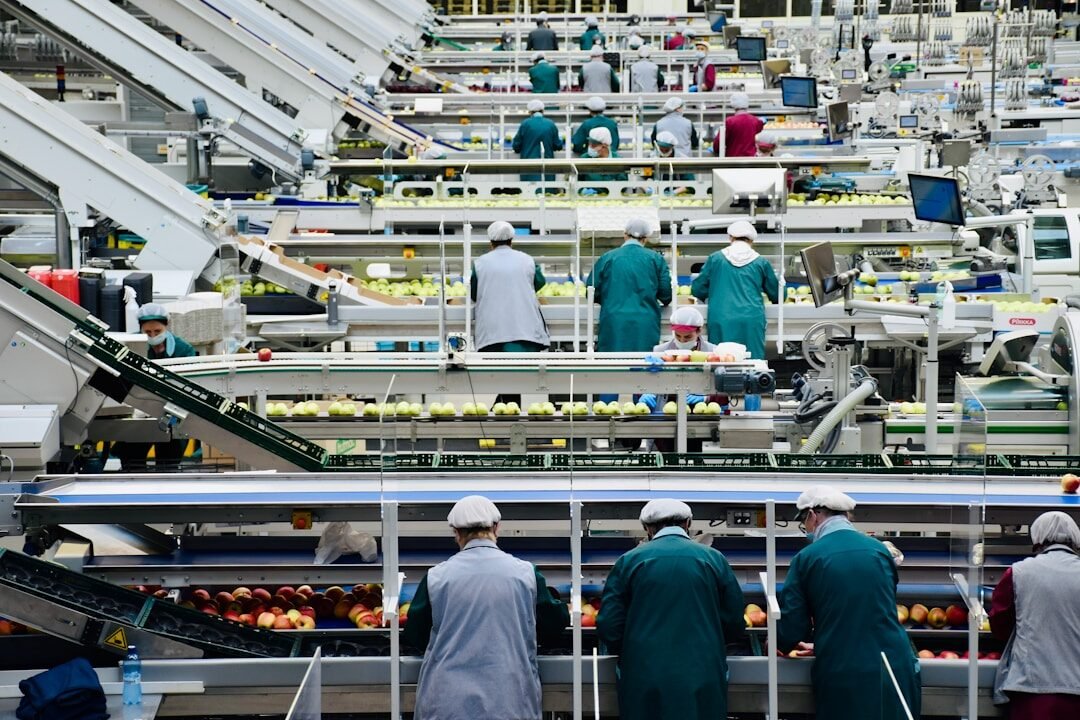

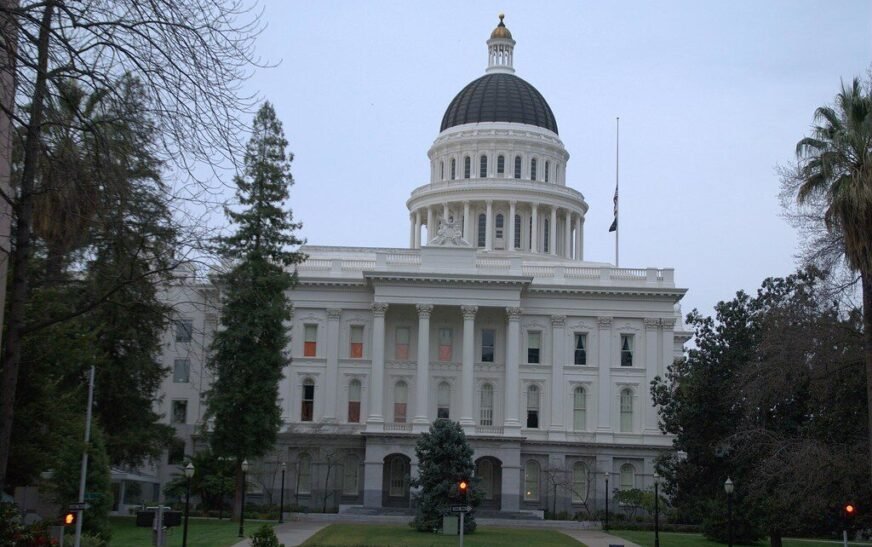
A proposed artificial intelligence data center in California’s Imperial Valley has opened a major legal fight over who should receive limited Colorado River water.
Imperial Valley Computer Manufacturing is suing the Imperial Irrigation District after the public utility rejected its request for water service. The company plans a nearly 1-million-square-foot facility that could require up to 330 megawatts of electricity.
The dispute is about more than one project. Its outcome could influence how agricultural water districts respond when data centers and other large industries seek resources traditionally used for farming.
The company turned to the courts

Imperial Valley Computer Manufacturing filed its lawsuit in Imperial County Superior Court in June 2026.
The developer said the Imperial Irrigation District improperly rejected its water service application in May. It wants the court to require the district to reconsider the request or provide the proposed facility with service.
IID declined to discuss the allegations because the case remained pending. No judge had ruled that the utility must supply the requested water.
The project originally promised recycled water
The developer previously said its cooling system would use recycled wastewater from the nearby cities of Imperial and El Centro rather than Colorado River water.
According to the lawsuit, the company offered to help finance improvements to the wastewater plant, purchase the recycled supply, and send unused water to the Salton Sea. Those negotiations did not produce final agreements.
The company described its application to IID as a last resort. Critics argue that the new request conflicts with earlier assurances that the facility would not rely on the river.
The water request is substantial
The lawsuit lists an annual request of approximately 880 acre feet.
One acre-foot equals roughly 325,851 gallons, so 880 acre-feet equals about 287 million gallons. KPBS separately reported the request as 260 million gallons, so the 2 figures should not be used interchangeably.
The company previously estimated that cooling could require about 750,000 gallons each day. Actual consumption would depend on the final cooling design, weather, operating capacity, and water reuse.
Farmland is central to the proposal
The developer says it has leased 160 acres of irrigated farmland near the project.
It plans to stop farming that land and redirect an equivalent amount of water to the data center. The company argues that this would prevent the project from increasing the Imperial Valley’s overall Colorado River demand.
Opponents describe this approach as “buy and dry.” Although total water use may remain similar on paper, removing land from production can affect farmworkers, equipment suppliers, truckers, processors, and other businesses tied to agriculture.
A small share can still matter
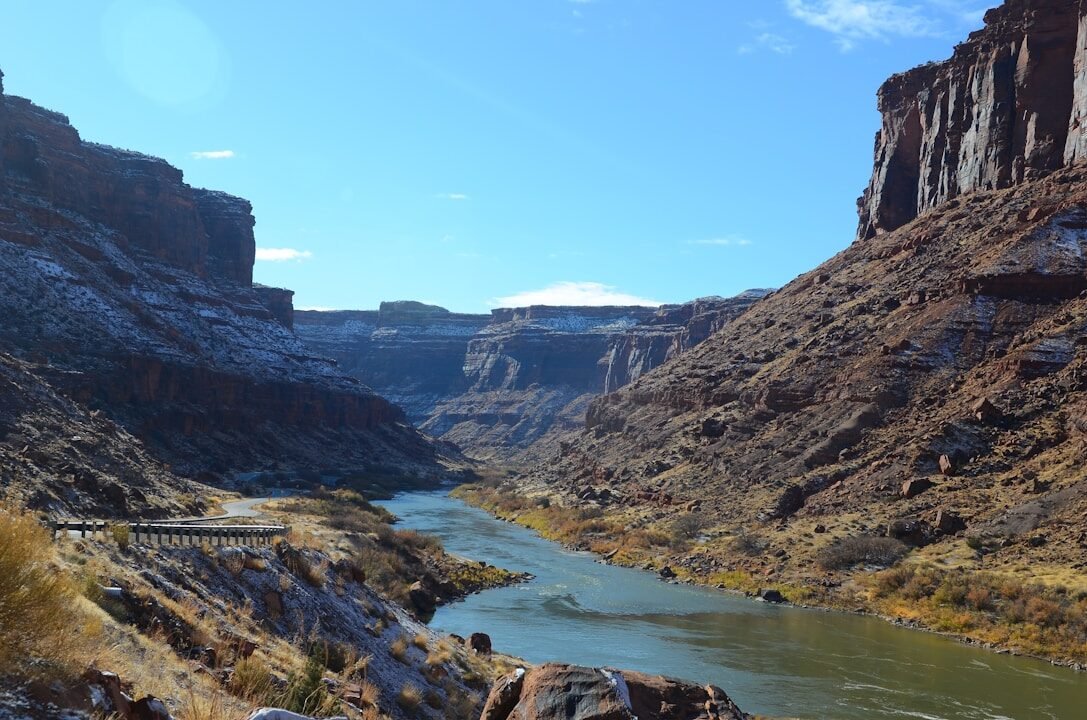
IID holds rights to approximately 3.1 million acre-feet of Colorado River water annually.
The requested 880 acre feet represents about 0.028% of that total. Supporters use that percentage to argue that the data center would have little effect on the district’s overall entitlement.
Critics say the comparison does not fully capture local consequences. Water assigned to a specific farm supports recurring production, while a data center would provide a different mix of temporary construction work and permanent technology jobs.
The facility would use enormous power
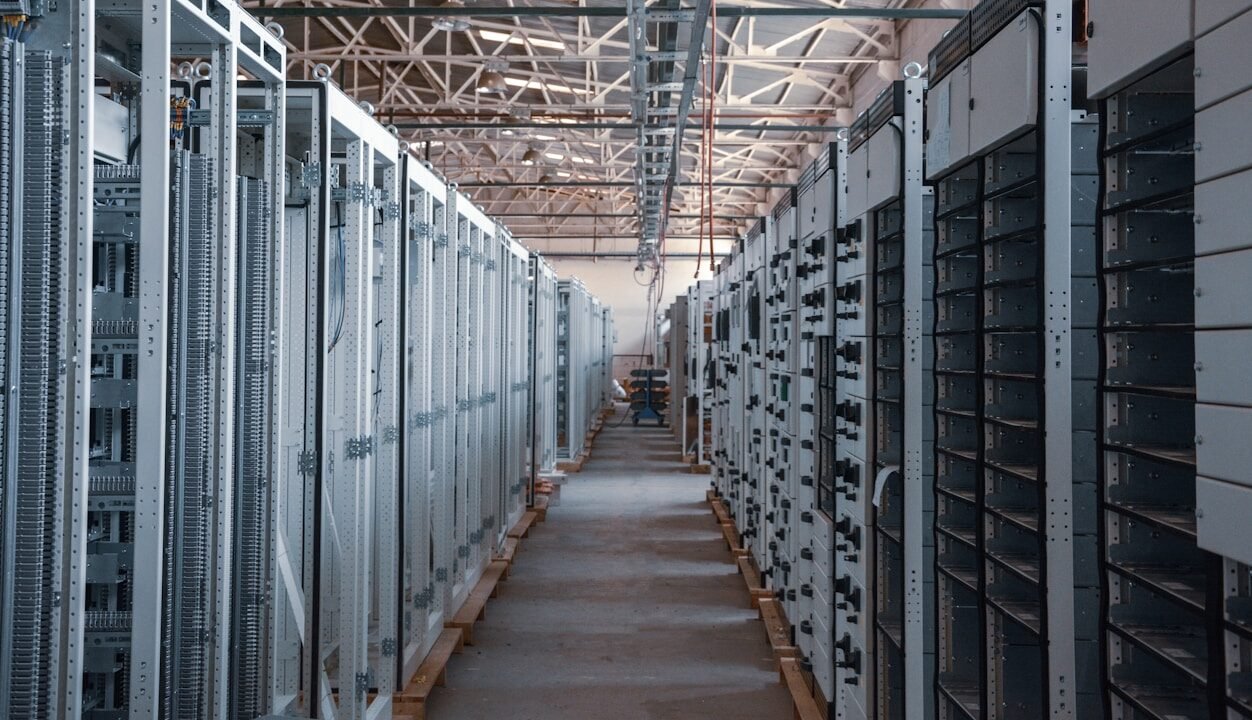
The proposed complex would cover about 950,000 square feet and consume up to 330 megawatts of electricity.
If completed as planned, it would become California’s largest data center, according to current reporting. The company has projected 2,500 construction jobs and about 100 permanent positions, although those estimates have not yet been independently demonstrated through an operating project.
A facility of that size would also require major substations, transmission connections, backup generators, batteries, and cooling equipment. IID must evaluate whether those costs and reliability risks could be kept away from existing customers.
Local opposition has slowed the project
Imperial County initially approved a land combination needed for the facility, but later imposed a temporary moratorium on data center development.
The county also created a commission to study zoning and other rules for future projects. Residents and public officials raised concerns about water, electricity, air pollution, noise, traffic, and the project’s proximity to homes.
The City of Imperial separately challenged the project’s environmental review. The developer maintains that existing industrial zoning allows the facility without a more extensive review.
The ruling could reach beyond California
The court must determine whether IID properly applied its water service rules and whether the developer can redirect water associated with agricultural land to industrial use.
A ruling in the company’s favor would not automatically grant every data center unrestricted access to Colorado River water. It could, however, encourage more developers to acquire farmland and argue that fallowing offsets their industrial demand.
A ruling for IID could reinforce the authority of public water agencies to examine community effects rather than considering only the total volume requested. Either outcome could shape future disputes as AI development increases demand for land, water, and electricity across the West.
TL;DR
- Imperial Valley Computer Manufacturing is suing IID over a rejected water service application.
- The proposed AI data center could use 330 megawatts of electricity.
- The lawsuit seeks 880 acre feet of water annually, equal to about 287 million gallons.
- Some reports cite 260 million gallons, creating an unresolved numerical discrepancy.
- The company says it would follow 160 acres of farmland to offset the water use.
- Critics warn that redirecting agricultural water could harm farm employment and related businesses.
- No court has ruled that IID must provide the requested water.