

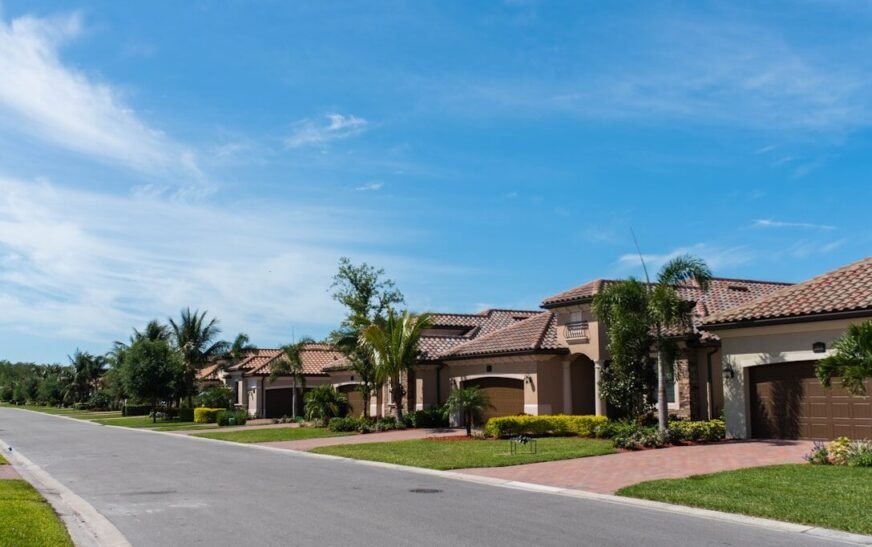
Florida homeowners could receive one of the largest property tax reductions in state history if voters approve a proposed constitutional amendment in November 2026.
The measure would substantially increase the homestead exemption applied to county and municipal property taxes. Supporters say it would provide overdue relief as home values, insurance premiums, and other living expenses continue to rise.
Local officials warn that the same proposal could remove billions of dollars from city and county budgets. The debate gives voters a direct choice between lower homeowner tax bills and the public services funded by local property revenue.
Florida voters will decide in November

The Florida Legislature approved the proposed constitutional amendment during a special session in June 2026.
Amendment 3 will appear on the November 3 general election ballot. Like other amendments to Florida’s Constitution, it must receive support from at least 60% of voters to pass.
Voting yes would approve the expanded exemptions and related property assessment limits. Voting no would leave the current system largely unchanged.
The homestead exemption would increase
Florida currently gives qualifying homeowners a homestead exemption of up to $50,000 on a primary residence, although the full amount does not apply to every property tax levy.
The proposed amendment would create an additional exemption for non-school taxes. It would rise to $150,000 in 2027 and then to $250,000 in 2028.
The exemption reduces a home’s taxable value rather than issuing a rebate to the owner. The actual savings would depend on the property’s assessed value and local tax rates.
School property taxes would remain
The proposal would not eliminate the portion of a homeowner’s property tax bill used to support public schools.
The larger exemption would apply to taxes collected by counties, cities, and other non-school authorities. School districts could continue taxing the value that remains subject to existing rules.
That distinction means even homeowners whose non-school taxable value falls to zero could still receive a property tax bill.
Some homeowners could save thousands
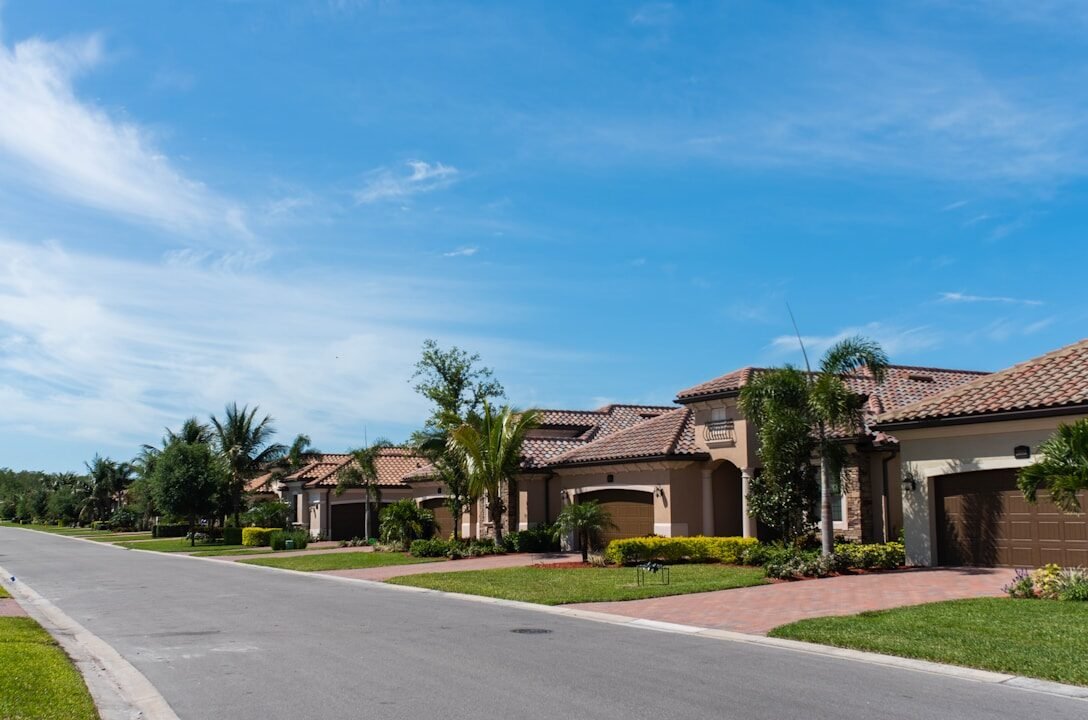
A homeowner with a sufficiently high assessed value could see a meaningful reduction once the $250,000 exemption becomes available.
For example, removing another $200,000 from the taxable value used for non-school levies could save thousands of dollars annually in a community with relatively high local millage rates. Lower-value homes may have most or all of their non-school taxable value removed.
The exact amount cannot be calculated solely from market value. Florida’s Save Our Homes assessment cap, existing exemptions, ownership history, and local tax rates all affect the final bill.
New residents would face a waiting period
The amendment would treat some existing and future Florida homeowners differently.
People who establish a qualifying Florida homestead by the end of 2026 could receive the expanded exemption as it phases in. Homeowners establishing residency later generally need to meet a multi-year residency requirement before receiving the full additional exemption.
The waiting period was designed to prioritize current residents, but critics argue it could create unequal tax treatment between owners of otherwise similar homes.
Local governments could lose billions
State economists estimated that the amendment could reduce local government property tax revenue by approximately $46 billion over its first five years. Annual losses could eventually reach roughly $11.9 billion.
Counties and municipalities use property taxes for police and fire departments, emergency medical services, roads, parks, libraries, housing programs, and other local responsibilities.
Jacksonville officials estimated that the measure could eventually reduce city revenue by about $300 million. Leon County projected an annual loss of roughly $70.7 million once the exemption was fully phased in.
Local services could face difficult choices
Supporters argue that local governments can absorb the reduction by cutting waste, limiting spending growth, and focusing on essential services.
Opponents say the scale of the revenue loss could make service reductions unavoidable. Communities with many homesteaded properties and limited commercial tax bases may have fewer alternative sources of revenue.
Cities and counties could respond by reducing staffing, delaying road projects, closing facilities, increasing fees, or shifting more of the burden toward businesses, rental properties, and second homes.
The amendment would also lower the annual assessment cap on many non-homestead properties from 10% to 5%, providing added protection for some commercial and investment properties while further limiting revenue growth.
Voter support may depend on the trade-offs
Property tax relief is generally popular, particularly among homeowners who have seen assessed values and monthly housing expenses rise.
One June poll found support above the 60% threshold needed for passage. However, earlier polling showed support falling sharply when voters were told about possible losses to local government services.
That suggests the final result may depend on how the amendment is explained. Homeowners may favor personal savings but become more cautious if they believe police, fire protection, roads, or parks could be affected.
The proposal would deliver a major tax reduction, but it would not erase the cost of local government. Voters must decide whether those costs should be reduced, shifted to other taxpayers, or supported through different revenue sources.
TL;DR
- Florida voters will consider Amendment 3 on November 3, 2026.
- The measure requires at least 60% voter approval.
- It would increase the non-school homestead exemption to $150,000 in 2027 and $250,000 in 2028.
- Property taxes supporting public schools would remain.
- Some homeowners could save thousands of dollars annually, depending on local rates and assessed value.
- New Florida residents would generally face a waiting period before receiving the full exemption.
- State estimates suggest local governments could lose about $46 billion over five years.
- Service cuts, higher fees, or greater pressure on other property owners could accompany lower tax bills.