

Google cofounder Sergey Brin’s reported exit from a large New York City apartment investment is drawing attention to the financial pressure facing rent-stabilized properties.
An investment company affiliated with Brin reportedly sold its interest in an A&E Real Estate fund back to the fund manager for about 6 cents per dollar invested. The fund owns nearly 5,900 rent-stabilized apartments across Manhattan, Brooklyn, Queens, and the Bronx.
The steep discount does not prove that New York’s entire apartment market is collapsing. It does show how rising operating expenses, limited rent growth, debt, and refinancing risks can sharply reduce the value of even a large residential portfolio.
Brin sold his stake at a steep discount
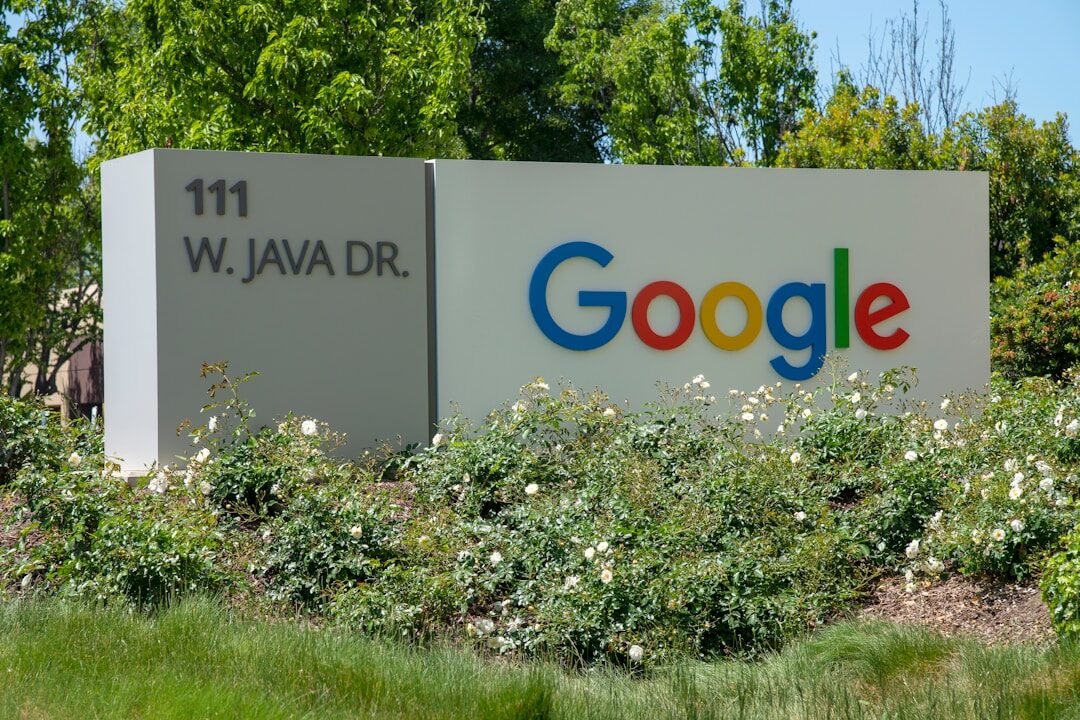
Brin’s investment company, Amphitheater LLC, sold its stake back to A&E Real Estate in December 2025, according to documents first reported by Bloomberg.
A&E said the investor accepted approximately 6 cents on the dollar of its original equity to leave the New York City multifamily market. Public records reportedly valued the interest at roughly $79 million, but the original investment and final payment were not publicly confirmed.
The transaction, therefore, should not be described as Brin personally selling $79 million worth of apartments for 6% of that amount. He sold an investment interest in a privately managed real estate fund.
The fund owns nearly 5,900 apartments
The A&E fund holds approximately 5,900 rent-stabilized units across New York City.
Rent stabilization limits how much owners can increase rents on qualifying renewal leases. It also provides tenants with protections regarding lease renewals and evictions.
These properties can offer relatively dependable occupancy, as New York has strong apartment demand. However, their income growth is controlled more tightly than that of market-rate buildings, making expense increases especially important to investors.
Financial strain began before the freeze
Brin’s exit occurred months before the Rent Guidelines Board approved its 2026 rent freeze.
Reports about A&E had already described defaults, lender pressure, and foreclosure-related problems affecting parts of its portfolio. Rising interest rates also made it more expensive to refinance debt taken out when borrowing costs were lower.
The reported sale, therefore, appears to be connected to longer-term financial strain rather than to a single policy decision made after the transaction.
Building expenses continued to rise
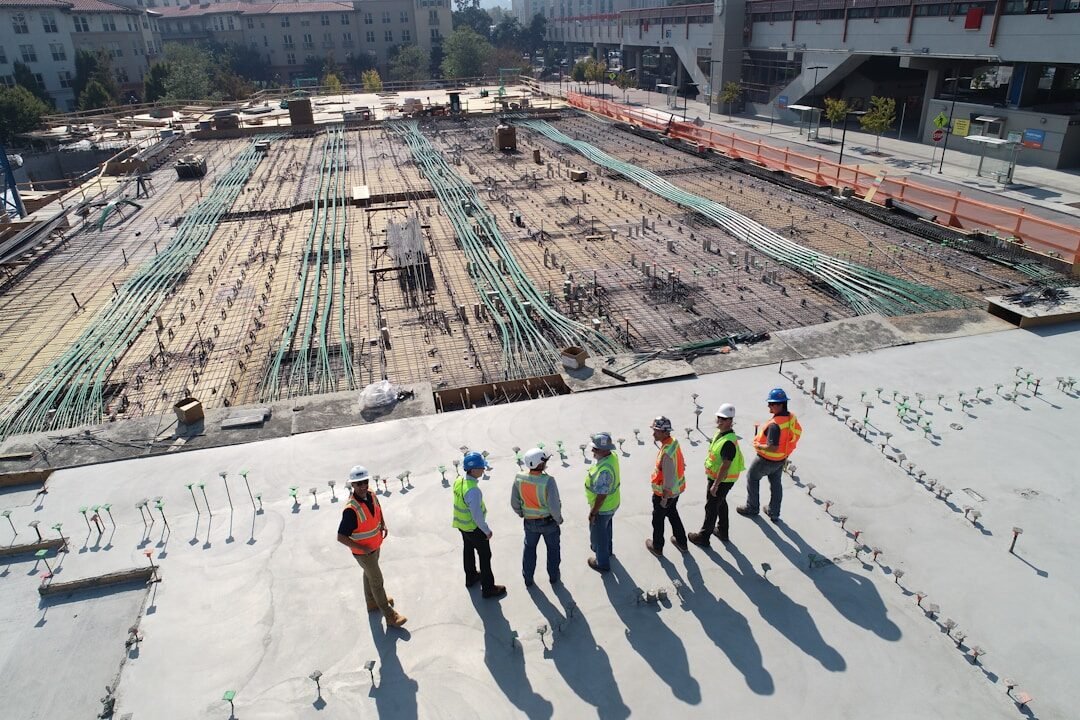
Rent-stabilized buildings still require owners to pay property taxes, insurance, utilities, payroll, repairs, maintenance, and debt costs.
When those expenses grow faster than permitted rents, the property’s net operating income can decline. Lower income can reduce what investors are willing to pay and make lenders less comfortable refinancing a building.
The Rent Guidelines Board’s 2025 Income and Expense Study found that the percentage of distressed properties had declined for the first time since 2016. However, the report still showed that a meaningful group of buildings faced financial stress.
NYC approved a historic rent freeze
On June 25, 2026, the Rent Guidelines Board voted 7 to 1 to allow no increase for either one-year or two-year rent-stabilized renewal leases beginning October 1.
The decision covered approximately 1 million apartments and marked the first time the city froze increases for both lease lengths at once.
For leases beginning between October 1, 2025, and September 30, 2026, the earlier rules allowed increases of 3% for one-year renewals and 4.5% for two-year renewals.
Tenants receive immediate protection
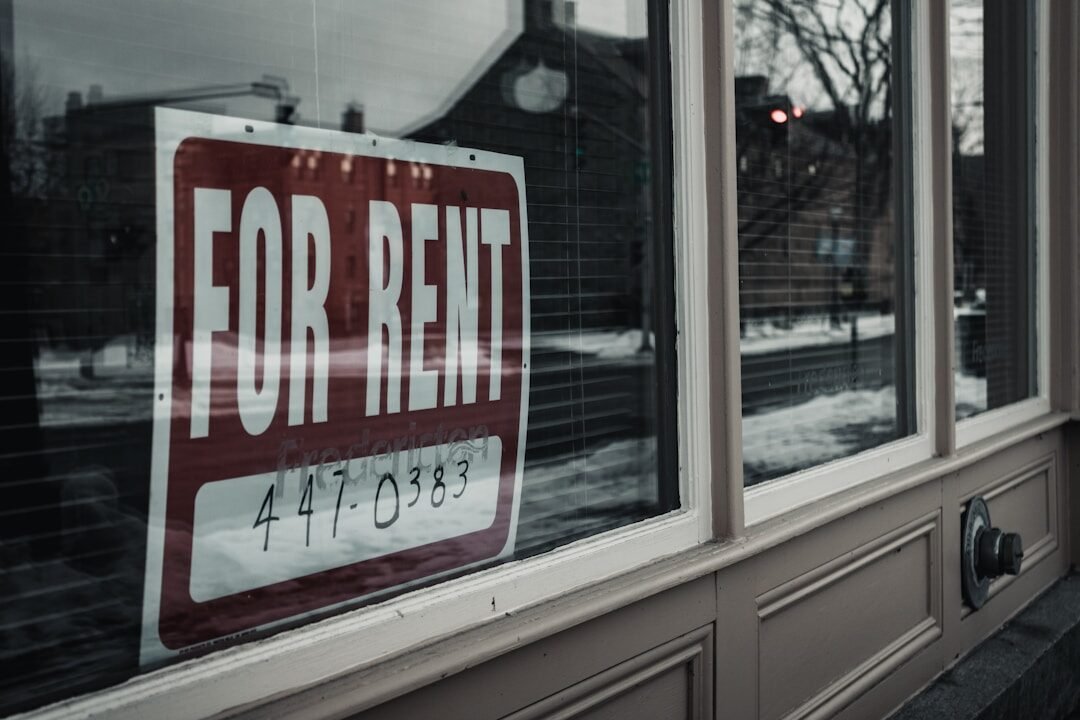
The freeze prevents affected tenants from receiving a board-approved rent increase when signing a qualifying renewal lease during the covered period.
That can provide meaningful relief in a city where many households already spend a large portion of their income on housing. Rent-stabilized apartments also remain substantially cheaper on average than newly leased market-rate units.
The freeze does not apply to every New York City apartment. Market-rate units, public housing, and other regulated programs follow different rules.
Investors see growing long-term risks
Property owners argue that freezing revenue while expenses continue rising can make repairs, staffing, and loan payments more difficult.
Investors may demand lower purchase prices, reduce the amount they are willing to lend, or avoid rent-stabilized properties entirely. Buildings carrying large debts are particularly exposed when their loans mature and must be refinanced at higher rates.
Tenant advocates counter that high rents and investor borrowing decisions should not be passed directly to residents. They argue that rent regulation is needed because New York’s limited housing supply gives landlords substantial pricing power.
Brin’s exit is a warning, not a verdict

A billionaire taking a major loss attracts attention, but a single private transaction cannot establish the value of every rent-stabilized building in New York.
The outcome may reflect the purchase price, the fund’s debt, individual property conditions, management decisions, and Brin’s own investment priorities.
Still, the sale highlights a real challenge. New York must keep apartments affordable for tenants while ensuring buildings can attract enough capital for repairs, refinancing, and long-term maintenance.
If lenders and investors continue withdrawing, some properties may face deferred work or financial distress. If rent protections weaken too far, more residents may be priced out. The city’s housing debate remains difficult because both risks can coexist.
TL;DR
- An investment company linked to Sergey Brin sold its stake in an A&E Real Estate fund in December 2025.
- A&E said the stake was repurchased for about 6 cents on the dollar of the investor’s original equity.
- The fund owns nearly 5,900 rent-stabilized apartments across New York City.
- The exact original investment and final payout were not publicly disclosed.
- Financial pressure on the portfolio began before New York City’s 2026 rent freeze.
- The Rent Guidelines Board later approved 0% increases for one-year and two-year renewals beginning October 1, 2026.
- The transaction highlights the tension between tenant affordability and the financial health of regulated apartment buildings.