
Hundreds of New York City workers are set to receive restitution after city investigators found that employers failed to follow scheduling protections for fast-food and retail employees.
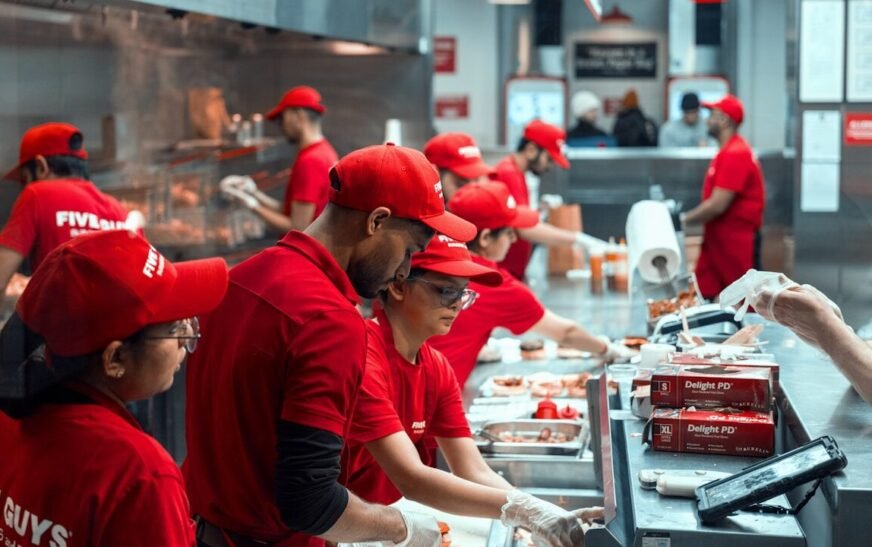
The Department of Consumer and Worker Protection announced settlements totaling about $1.8 million, returning funds to roughly 830 workers. Individual payments will vary widely, with some workers expected to receive around $13,000 because of repeated or long-running violations.
The cases highlight New York City’s Fair Workweek rules, which require covered businesses to give employees advance notice of their schedules and provide additional compensation for certain last-minute changes.
About 830 workers will receive payments
The city announced the settlements on March 24, 2026, as part of three enforcement actions involving fast-food franchises and the clothing retailer Theory.
Approximately 830 workers will receive payments ranging from about $50 to nearly $13,000. The amount each person receives depends on the number and type of violations connected to their employment.
Workers do not need to file a separate claim to receive the money. The city said payments would be sent by direct deposit when account information was available or by check when it was not.
The settlements total about $1.8 million
The Department of Consumer and Worker Protection secured about $1.8 million in restitution for workers through two settlements.
The city also collected several hundred thousand dollars in civil penalties, in addition to the money returned directly to employees.
A third action involved a lawsuit against Dunkin’ franchise operators on Staten Island. That case covered more than 20 locations and could affect about 1,000 additional workers if the city succeeds.
Fast-food workers have scheduling protections
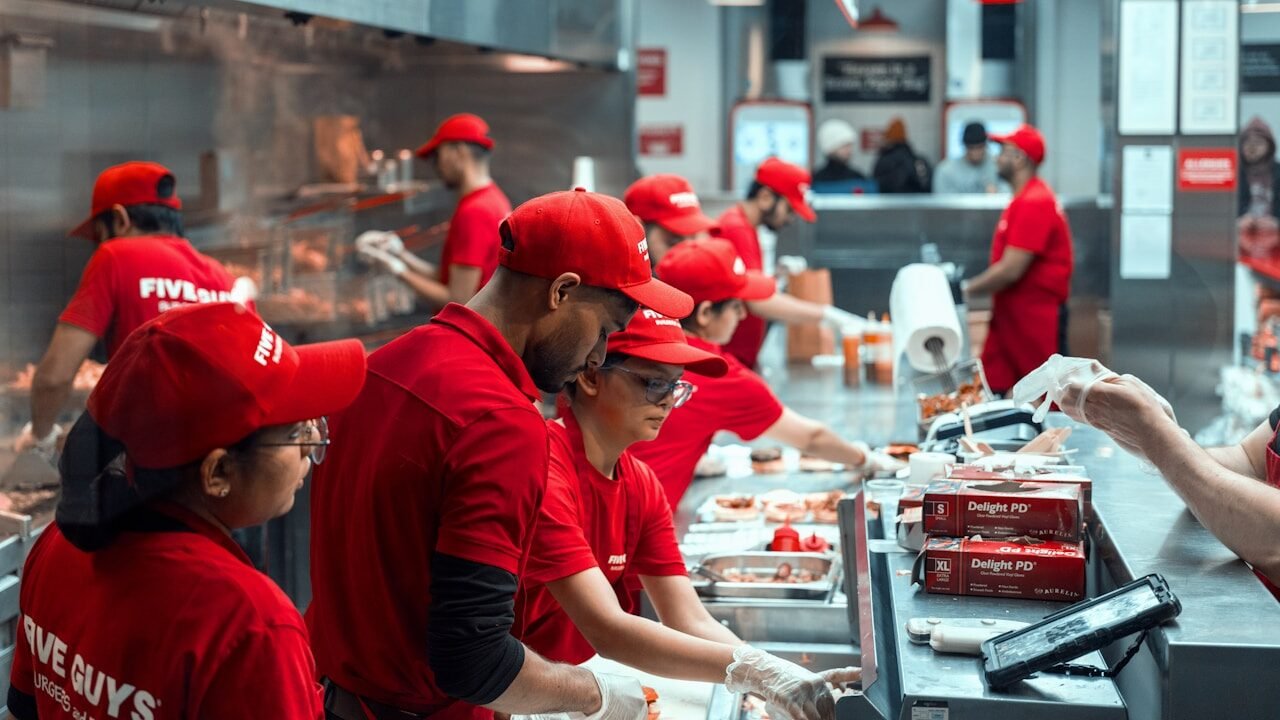
New York City’s Fair Workweek Law gives covered fast-food employees the right to more predictable schedules.
Employers generally must provide work schedules at least 14 days in advance. When a company changes a schedule with less notice, it may have to pay the worker an additional premium.
The law is intended to help employees plan child care, transportation, medical appointments, second jobs, and other responsibilities without facing unexpected changes.
Some violations involved “clopening” shifts
City officials said some workers were required to close a restaurant late at night and return early the next morning.
These shifts are sometimes called “clopenings.” Covered employees generally have the right to refuse such a shift when there is not enough time between the closing and opening periods.
When workers agree to perform them, employers may owe additional compensation. The city said some affected employees completed these shifts without receiving the required payments.
Retail workers have different notice rules
Retail workers do not receive the same protections as fast-food employees, but their employers must still comply with scheduling requirements.
Covered retailers generally must provide at least 72 hours of notice before a scheduled shift. City officials alleged that Theory failed to provide the required notice to its workers.
Retail employers are also restricted from using certain on-call scheduling practices that require workers to remain available without knowing whether they will actually receive hours.
One complaint can uncover wider violations
The city said the investigation began after a worker reported a possible Fair Workweek violation.
A single complaint can prompt investigators to review records affecting many employees within a company or franchise group. In this case, the inquiry ultimately led to payments to hundreds of workers.
Officials encouraged employees to report scheduling, wage, or retaliation concerns through 311 or the city’s worker-protection website. Retaliation against someone for making a complaint is illegal.
The cases are separate from gig-worker rules
The scheduling settlements involve employees at restaurants and retail stores, not app-based delivery drivers working as independent contractors.
New York City separately regulates delivery apps through minimum-pay, tipping, and account-deactivation requirements. In January 2026, Uber Eats, Fantuan, and HungryPanda agreed to pay more than $5 million to resolve allegations of violations of delivery-worker pay.
Those gig-economy policies remain controversial because supporters emphasize pay protections while critics warn that higher costs can lead platforms to limit worker access or add customer fees.
Businesses face growing enforcement pressure
Mayor Zohran Mamdani and Consumer and Worker Protection Commissioner Samuel Levine described the settlements as part of a broader effort to increase workplace enforcement.
The administration said its goal was not simply to collect penalties but to make employers comply before violations become widespread. Businesses can request guidance from the city if they are unsure how scheduling laws apply.
For workers, the payments show that missed notices, unpaid schedule premiums, and repeated clopening shifts can result in substantial restitution. For employers, the cases show that incomplete scheduling records or repeated violations can create costs far beyond the original unpaid amounts.
TL;DR
- About 830 New York City workers will receive restitution for scheduling-related issues.
- The two settlements return roughly $1.8 million directly to employees.
- Individual payments range from about $50 to nearly $13,000.
- Fast-food workers generally must receive schedules 14 days in advance.
- Retail workers generally must receive at least 72 hours’ notice of their schedule.
- Some violations involved unpaid last-minute changes and closing shifts.
- A separate Staten Island lawsuit could affect about 1,000 additional workers.