
More than 90,000 people live inside mapped lahar hazard zones around Mount Rainier, while over 50,000 employees work in businesses located within those areas.
The volcano is not showing signs of an imminent eruption. Its current alert level remains normal, meaning scientists are observing ordinary background activity rather than evidence of a developing emergency.
The greatest concern for communities downstream is a lahar, a fast-moving mixture of water, mud, rock, ice, and other debris. A sufficiently large flow could travel through river valleys and reach populated areas in less than an hour.
Thousands live in mapped hazard zones
A U.S. Geological Survey study estimated that more than 90,000 residents live within Mount Rainier’s lahar hazard zones.
More than 50,000 employees also work at approximately 3,800 businesses inside those areas. Communities with significant exposure include Orting, Sumner, Puyallup, Fife, Carbonado, and parts of other river-valley cities.
A separate estimate, which says more than 150,000 people live on deposits left by past lahars, measures a broader area. It should not be confused with the population currently living inside modeled inundation zones.
Ice and weak rock create the danger
Mount Rainier has 25 major glaciers and more glacier ice than any other mountain in the contiguous United States.
Its glaciers contain more than 5 times as much snow and ice as all the other Cascade volcanoes combined. Melting even a small portion could provide enough water to help produce a destructive lahar.
Parts of the volcano’s upper slopes have also been weakened by hot, acidic groundwater. This process changes strong volcanic rock into softer, clay-rich material that can collapse more easily.
A lahar may begin without an eruption
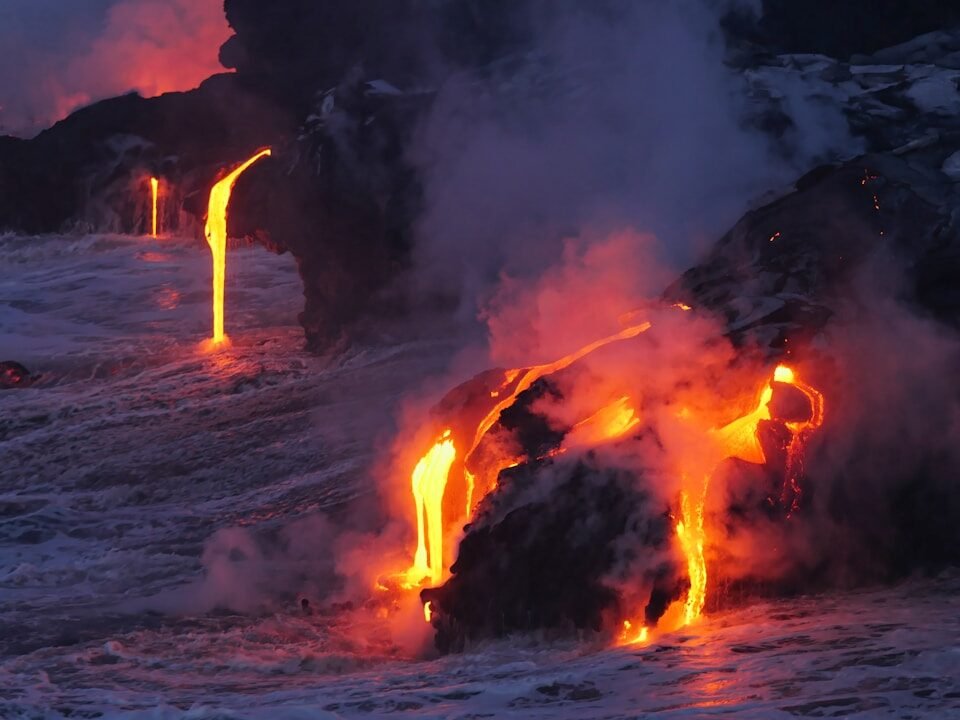
A major volcanic eruption could melt snow and ice, but scientists are also concerned about landslides that occur without an eruption.
About 500 years ago, a collapse of weakened rock produced the Electron Mudflow. It traveled through the Puyallup River drainage at least as far as present-day Sumner, and researchers found no clear evidence that an eruption caused it.
This matters because a landslide-generated lahar might begin without the earthquakes, gas changes, or other warning signs that can precede volcanic activity.
Some communities may have little time
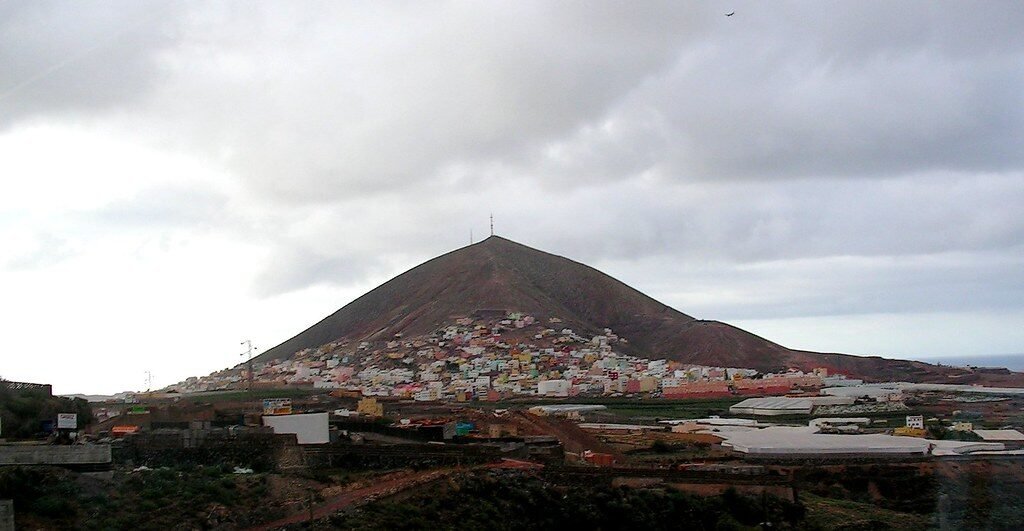
Lahars generally follow the lowest ground through river valleys, carrying boulders, trees, vehicles, and building debris.
A USGS worst-case simulation found that a large west-flank lahar could reach the Orting lowlands about 1 hour after a slope collapse began. Smaller communities closer to the mountain could have considerably less time.
Arrival times would depend on the starting point, flow size, terrain, and river drainage. Officials, therefore, tell people in mapped zones to move toward high ground immediately rather than waiting to see the flow.
Sensors and sirens provide warnings
USGS operates a lahar detection network that includes seismic instruments, acoustic flow monitors, and other sensors in vulnerable drainages.
The system is designed to recognize a large flow after it begins and rapidly alert emergency agencies. Outdoor sirens extend from communities near Orting toward the Port of Tacoma.
Pierce County tests its outdoor warning sirens at noon on the first Monday of each month. The system is primarily intended to reach people outside, so residents are also encouraged to enroll in phone and emergency alert services.
Evacuation plans focus on walking
Emergency officials warn that relying entirely on cars could create traffic jams along narrow valley routes.
Schools and communities regularly practice walking to high ground. In March 2024, more than 45,000 students and staff participated in what the USGS described as the world’s largest lahar evacuation drill.
Families should know their nearest marked evacuation route, keep sturdy shoes available, and plan for children, pets, older relatives, and people with limited mobility. Damage to highways, railways, utilities, and port facilities could also disrupt the wider Tacoma and Seattle region, even where direct inundation does not occur.
TL;DR
- Mount Rainier remains at a normal background activity level.
- More than 90,000 people live within its mapped lahar hazard zones.
- More than 50,000 employees work in businesses located inside those areas.
- The volcano has 25 major glaciers and extensive weakened rock on its upper slopes.
- A destructive lahar could occur with or without a volcanic eruption.
- A large modeled flow could reach the Orting area in about 1 hour.
- Residents in hazard zones should know and practice their walking routes to high ground.