

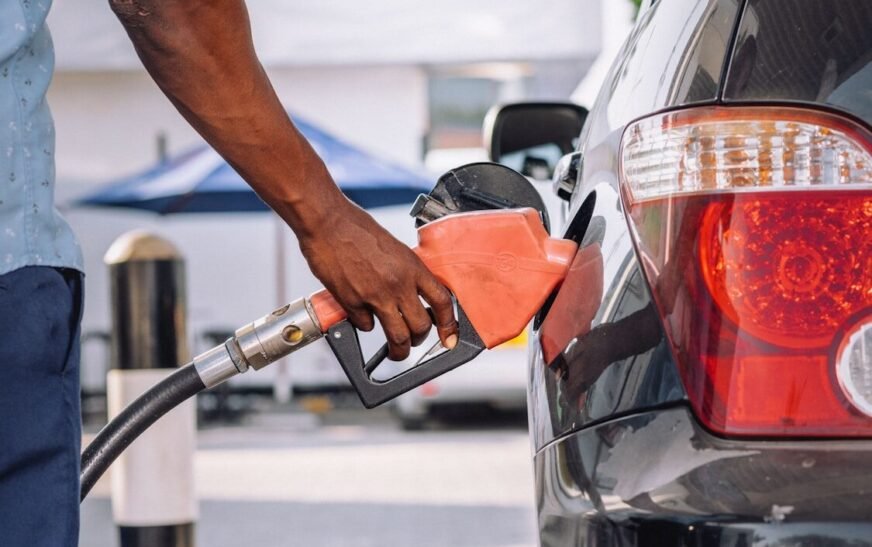
California drivers faced another increase in fuel taxes beginning July 1, 2026, just as millions of residents prepared to travel for the Independence Day holiday.
The state gasoline excise tax increased by 2.2 cents per gallon, while the diesel tax rose by 1.6 cents. The changes were automatic annual adjustments required under California law rather than new taxes approved specifically for the holiday period.
Although the increase added only a few cents to an individual fill-up, it arrived while California already had some of the highest gasoline prices in the country. Refinery conditions, crude oil prices, environmental programs, and the state’s isolated fuel market continued to have a much larger effect on what drivers paid.
California’s gas tax rose on July 1
California’s gasoline excise tax increased from 61.2 cents to 63.4 cents per gallon on July 1, 2026.
The diesel fuel excise tax rose from 46.6 cents to 48.2 cents per gallon. Federal taxes remained at 18.4 cents per gallon for gasoline and 24.4 cents per gallon for diesel.
Drivers also paid sales taxes that varied by location. California applied a 2.25% statewide sales tax to gasoline, with additional district taxes possible depending on the city or county where the fuel was purchased.
The increase was tied to inflation
The yearly adjustment was required by Senate Bill 1, California’s 2017 transportation funding law.
SB 1 increased fuel taxes and required annual inflation adjustments to prevent transportation revenue from losing purchasing power as labor, asphalt, equipment, and construction costs rose.
The money supported road maintenance, bridge repairs, public transportation, congestion-reduction work, and other transportation projects. California voters allowed the system to remain in place when they rejected an attempt to repeal the law in 2018.
A fill-up costs slightly more

The excise tax increase alone added 22 cents to the cost of purchasing 10 gallons of gasoline.
A driver filling a 15-gallon tank paid about 33 cents more in state gasoline excise tax than before July 1. Someone purchasing 20 gallons paid an additional 44 cents.
The direct effect was therefore modest for a single trip to the gas station. However, the expense was borne by commuters, delivery workers, families with multiple vehicles, and rural residents who regularly traveled long distances.
Diesel users also faced higher expenses, affecting truck drivers, construction companies, farms, and businesses that operated diesel-powered equipment.
Taxes were only part of pump prices
The July tax adjustment did not mean every gas station would raise its price by exactly 2.2 cents.
Crude oil prices, refinery production, seasonal gasoline demand, transportation costs, inventories, local competition, and retailer margins also shaped California fuel prices. The California Energy Commission identified crude oil and refinery costs as major components in determining pump prices.
Supply disruptions could therefore produce daily changes much larger than the annual tax increase. California’s specialized fuel standards and limited connections to fuel supplies elsewhere in the country could make it harder to replace fuel supplies quickly in the event of shortages.
Environmental programs added costs

California’s retail gasoline prices also reflected programs designed to reduce air pollution and greenhouse gas emissions.
The Low Carbon Fuel Standard required fuel suppliers to lower the average carbon intensity of transportation fuels. Companies that failed to meet the standards could purchase credits from producers of cleaner alternatives.
The program’s effect on each gallon changed over time with credit prices, fuel markets, and regulatory requirements. Estimates suggesting a specific 5-to-9-cent increase should therefore be treated cautiously because the cost was not a fixed tax collected at the pump.
California gasoline also included costs connected to its cap-and-trade program and cleaner-burning fuel requirements.
Holiday travel increased fuel demand
The tax increase took effect during one of the year’s busiest travel periods.
AAA projected that 72.2 million Americans would travel at least 50 miles from home during the extended July Fourth holiday period. About 61.4 million were expected to travel by car.
In Southern California alone, approximately 5.48 million people were projected to travel, including 4.33 million by road. Auto travel remained popular because driving could still cost less than purchasing airline tickets for an entire family.
Busy travel periods can increase local demand, but crude oil and refinery conditions generally have a stronger influence on statewide fuel prices.
California prices remained high
California’s average gasoline price remained well above the national level in June 2026.
The statewide average had approached $6 per gallon earlier in the month before declining as crude oil and national gasoline prices eased. The national average fell to $3.91 by June 25, following several weeks of declines.
California’s higher prices reflected more than taxes. The state used a unique gasoline blend, depended heavily on in-state and West Coast refineries, and had limited capacity to receive replacement fuel from other U.S. regions.
Global events also mattered. Disruptions connected to the conflict involving Iran had earlier pushed crude oil and California gasoline prices sharply higher.
Falling gasoline use creates a funding challenge
California has encouraged residents to adopt electric and other zero-emission vehicles to reduce petroleum use and transportation emissions.
As gasoline consumption falls, the state collects fuel taxes from fewer gallons. At the same time, California still needs money to repair roads and bridges used by gasoline, hybrid, and electric vehicles.
That creates a long-term challenge for transportation funding. Continuing to raise per-gallon taxes may place more of the burden on drivers who cannot afford an electric vehicle or do not have reliable charging access.
California policymakers have studied alternatives, including charging drivers based on the number of miles they travel. Any broader replacement for the gas tax would require decisions about privacy, fairness, collection costs, and how different vehicles should be charged.
TL;DR
- California’s gasoline excise tax increased from 61.2 cents to 63.4 cents per gallon on July 1, 2026.
- The diesel excise tax rose from 46.6 cents to 48.2 cents per gallon.
- A 15-gallon gasoline fill-up costs about 33 cents more due to the excise tax increase alone.
- The annual increase was required by California law and adjusted the tax for inflation.
- Crude oil, refinery operations, fuel standards, and supply conditions had a larger effect on pump prices.
- AAA expected 61.4 million Americans to travel by car during the extended July Fourth period.
- Declining gasoline consumption is creating questions about how California will fund roads as electric vehicle use grows.