

The Environmental Protection Agency has removed a federal incentive that encouraged automakers to install automatic start-stop systems in gasoline-powered vehicles.
The technology shuts off an engine when a vehicle is stopped and restarts it when the driver releases the brake or presses the accelerator. Automakers previously received regulatory credits because the systems can reduce fuel use and tailpipe emissions during idling.
The February 2026 decision does not ban start-stop technology or require manufacturers to remove it from existing vehicles. It instead removes one reason automakers had for including the feature in future models.
EPA ended the start-stop credit

EPA Administrator Lee Zeldin announced on February 12, 2026, that the agency was eliminating the off-cycle emissions credit associated with automatic start-stop systems.
Off-cycle credits allowed automakers to receive regulatory recognition for technologies that reduced emissions in real-world driving but were not fully measured during standard laboratory testing.
The EPA described start-stop as one of several technologies covered by the credit system. Other examples included more efficient air-conditioning equipment and systems that reduced vehicle energy use.
The technology was never required
Federal rules did not directly require every new gasoline vehicle to include start-stop technology.
Automakers chose among several methods for meeting emissions standards. Installing start-stop systems allowed companies to receive credits that helped lower the calculated emissions of their overall vehicle fleets.
Removing the credit, therefore, does not automatically end the feature. Manufacturers can continue offering it when they believe it improves fuel economy, supports other regulations, or remains useful for particular models.
Automakers may also remove it from some future vehicles if its cost and customer complaints outweigh the remaining benefits.
Start-stop reduces engine idling

A start-stop system turns off the engine after a vehicle comes to a complete stop under suitable conditions.
The engine restarts when the driver prepares to move. The system may remain inactive when the battery charge is low, the engine is cold, or the heating and air-conditioning system requires the engine to continue running.
Its benefits are greatest in congested urban driving, where vehicles spend more time waiting at traffic lights or sitting in stop-and-go traffic. It offers little benefit during steady highway driving because the engine rarely idles.
Fuel savings depend on driving conditions
A 2023 Society of Automotive Engineers study found that start-stop technology improved fuel economy by 7.27% during one federal test cycle and 26.4% during a heavily congested New York City driving cycle.
Those figures represented the largest improvements measured in the study, but they are not a guarantee that every driver would save between 7% and 26%.
Real-world savings depend on traffic, temperature, vehicle design, trip length, and the amount of time the engine would otherwise spend idling. Drivers who mainly travel on open highways may notice only a small difference.
Battery concerns require context
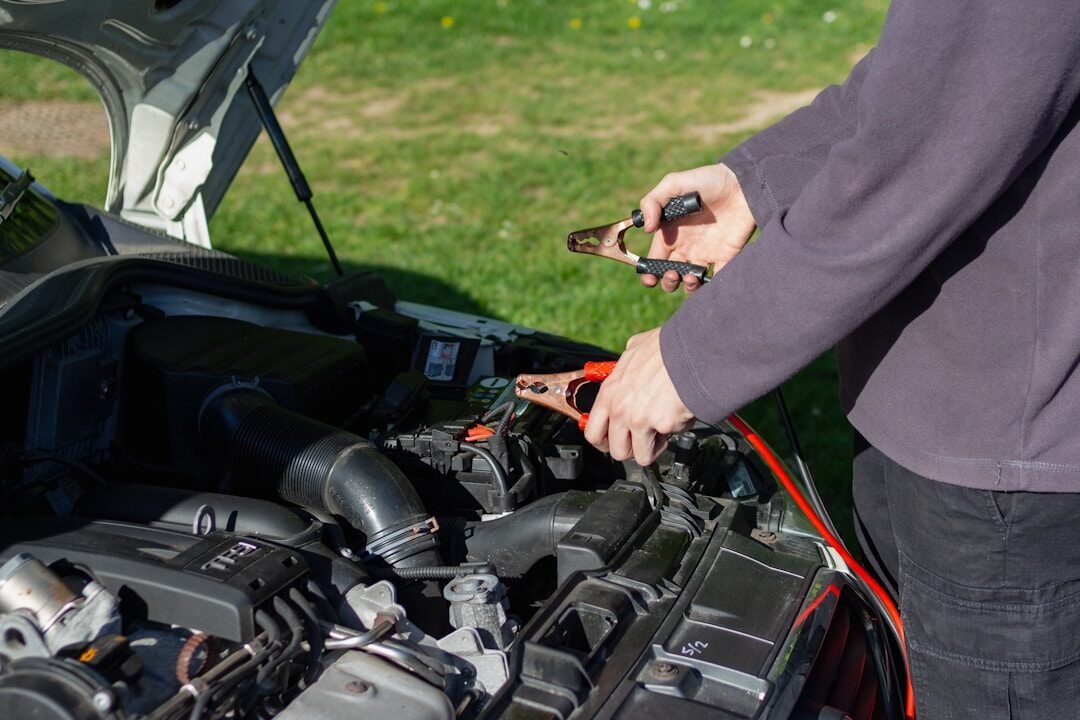
Zeldin said start-stop technology damages vehicle batteries without producing a meaningful environmental benefit.
However, vehicles equipped with the feature generally use stronger batteries, upgraded starters, and control systems designed to handle repeated engine restarts. A standard battery intended for a vehicle without start-stop may not be suitable as a replacement.
Start-stop batteries can cost more when they eventually need to be replaced. That added expense is one reason some drivers dislike the system, but repeated operation does not automatically mean the technology is improperly damaging the vehicle.
Some drivers find the feature annoying
Start-stop systems have become unpopular with drivers who notice vibration, noise, or a brief delay when the engine restarts.
Many vehicles include a dashboard button that lets the driver temporarily turn off the feature. However, it often turns on again when the vehicle is started again.
The EPA emphasized those customer complaints when announcing the policy change. Zeldin described the system as widely disliked, while President Donald Trump’s administration presented the decision as restoring consumer and manufacturer choice.
Automakers could respond differently
Ford and Stellantis welcomed the administration’s broader effort to ease vehicle emissions requirements.
The companies said regulations should reflect consumer preferences, market demand, affordability, and manufacturers’ ability to offer different types of vehicles. The Alliance for Automotive Innovation also argued that previous emissions standards were difficult to meet under current electric vehicle demand.
Still, manufacturers were not expected to make identical decisions. Start-stop may remain useful in hybrids, luxury vehicles, city-focused models, and vehicles sold in countries with separate fuel economy or emissions standards.
The change was part of a larger rollback
The start-stop credit ended as part of a broader EPA action that included federal greenhouse gas rules for vehicles and engines.
The administration also repealed the 2009 greenhouse gas endangerment finding and related vehicle emissions standards. That finding had provided the legal basis for federal regulation of greenhouse gases under the Clean Air Act.
Environmental groups argued that the changes would increase fuel consumption and emissions. The administration said the rollback would lower vehicle costs, reduce regulatory pressure, and give automakers more flexibility. Legal challenges to the broader action were expected.
TL;DR
- The EPA ended the off-cycle emissions credit associated with automatic start-stop systems in February 2026.
- The decision does not ban the technology or require automakers to remove it.
- Start-stop shuts off the engine during some stops and restarts it when the vehicle moves.
- The system provides its largest fuel savings in congested city driving.
- Vehicles with start-stop generally use batteries and starters designed for frequent restarts.
- Automakers may keep or remove the feature depending on costs, regulations, and customer demand.
- The policy was part of a broader rollback of federal vehicle greenhouse gas rules.