
Turbulent winter hit U.S.
Americans could face a winter of sharp regional contrasts as a powerful El Niño reshapes storm tracks across the country. The Farmers’ Almanac is calling for a wetter, stormier southern tier, while northern states may experience quick cold snaps, snow squalls, and frequent swings between freezing and thawing.
The forecast comes as El Niño continues strengthening in the tropical Pacific. NOAA says the climate pattern is expected to intensify into the 2026–2027 winter, increasing the chances of some familiar El Niño effects across the United States.
Still, long-range outlooks describe broad seasonal tendencies rather than individual storms. A wetter winter does not guarantee snow, and even an exceptionally strong El Niño cannot determine exactly where cold air and moisture will meet months in advance.
El Niño could dominate the season
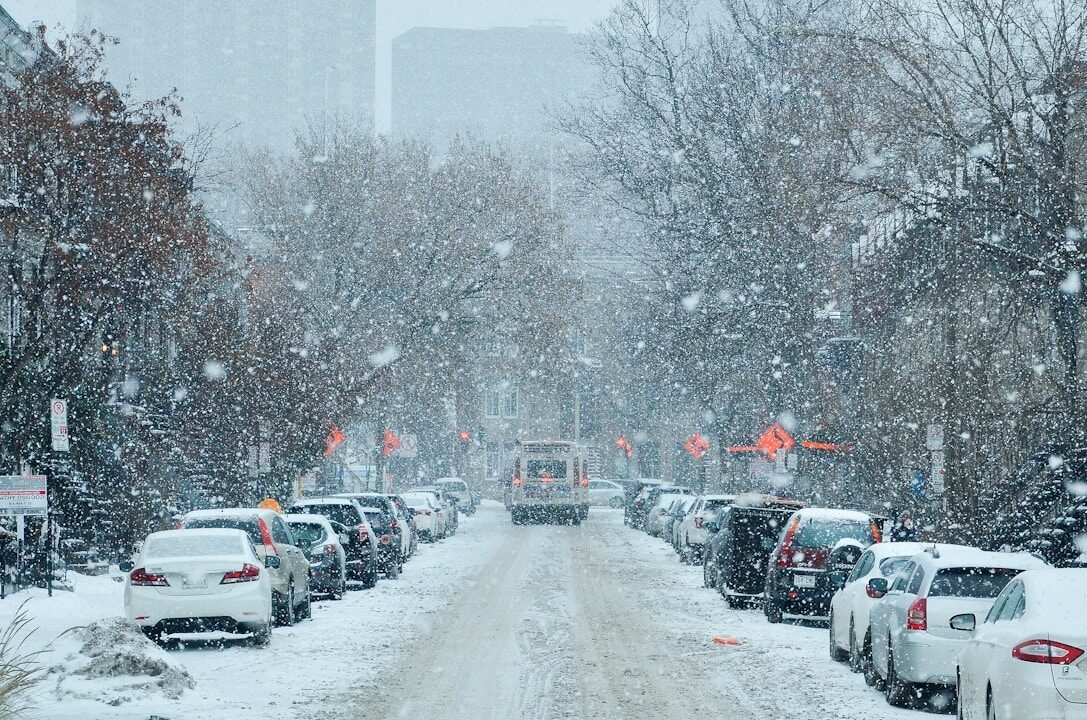
El Niño develops when sea surface temperatures in the central and eastern equatorial Pacific become unusually warm, altering atmospheric circulation and influencing weather far beyond the ocean.
NOAA expects the current event to strengthen through winter, with forecasts indicating it could rank among the strongest El Niño events in the historical record. Strong events can tilt the odds toward typical El Niño weather patterns, although those effects do not occur uniformly every time.
That uncertainty is important when interpreting detailed seasonal forecasts. El Niño can favor certain conditions without guaranteeing individual snowstorms, freezes, or rainfall totals.
The South could turn wetter
The Farmers’ Almanac expects an active southern storm track stretching from Southern California and the Southwest through Texas, the Gulf Coast, and the Southeast.
That pattern could bring frequent rain and wetter-than-normal conditions through much of the region. NOAA’s broader seasonal outlook also supports an enhanced chance of precipitation across parts of the southern United States during an El Niño winter.
For farmers and travelers, repeated storms could mean muddy fields, waterlogged ground, and more periods of difficult driving even when temperatures stay above freezing.
Texas could face a wintry mix
Texas is expected to be among the states closely watching the southern storm track. More moisture raises the potential for rain, but snow or freezing rain would require cold air to arrive at the right time.
That combination cannot be reliably forecast months in advance. Houston-area meteorologists have noted that El Niño tends to increase winter precipitation in Texas. Still, snowfall depends on shorter-term temperature patterns that only become clear closer to each storm.
The result could be a wet winter overall with occasional episodes of ice or snow rather than continuous cold.
Northern states may swing quickly
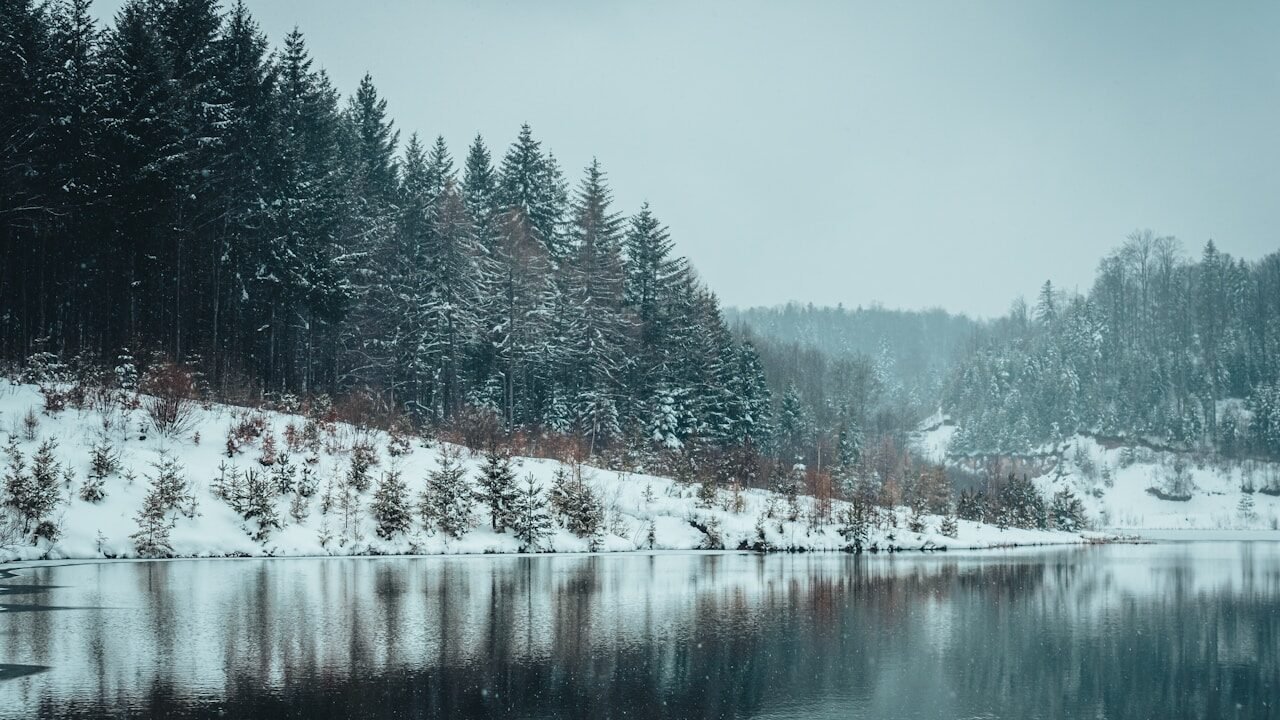
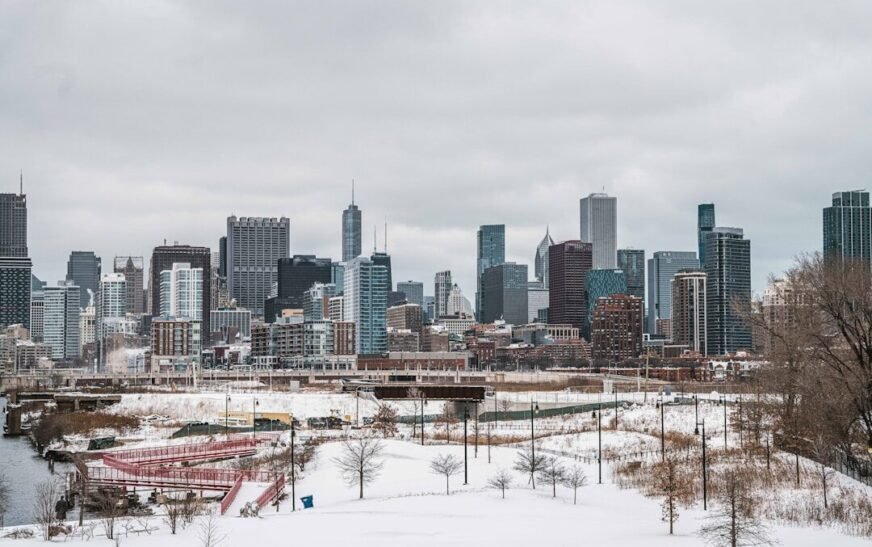
The Farmers’ Almanac expects temperatures across much of the West, northern Plains, Upper Midwest, and Great Lakes to average near normal overall.
That average could hide considerable volatility. Fast-moving storm systems may produce brief periods of bitter cold, snow squalls, and strong winds, followed by milder stretches that quickly melt accumulated snow.
Repeated freeze-thaw cycles can create their own problems, including icy roads, stressed crops, and rapidly changing travel conditions.
The Northeast may be unpredictable
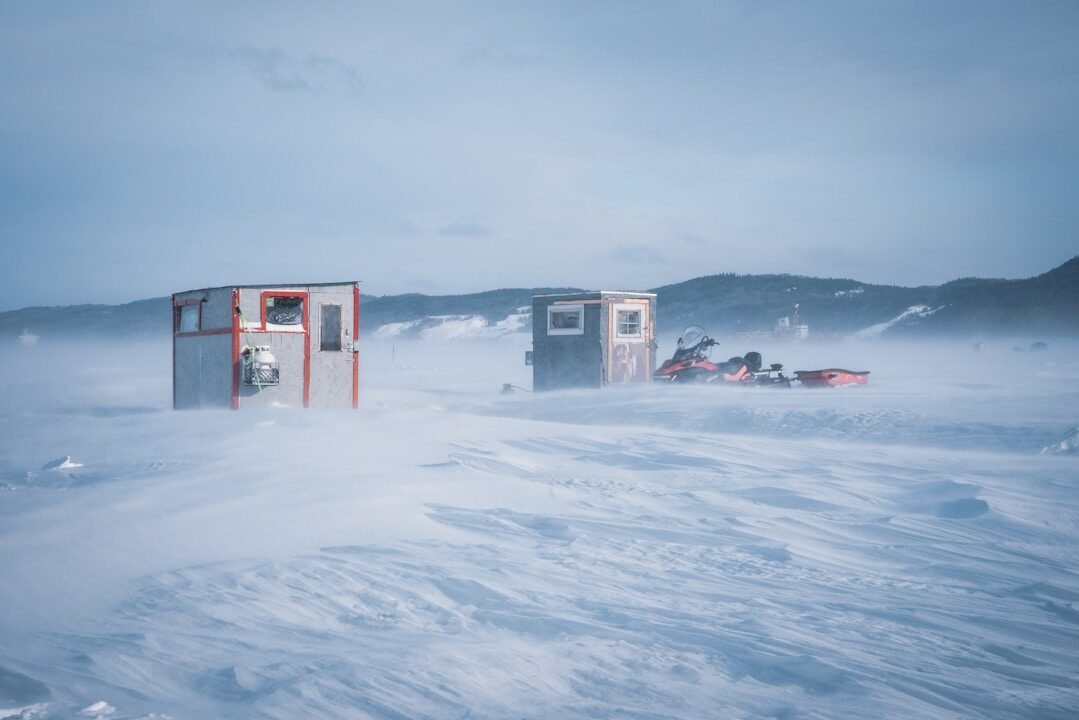
The Northeast could experience one of the most difficult winter patterns to pin down.
The Farmers’ Almanac expects coastal locations to see more rain and mixed precipitation, while inland areas could receive heavier wet snow, particularly during January and February.
Small temperature differences could completely change what falls from the sky. A storm bringing rain near the coast could produce freezing rain, sleet, or heavy snow only a short distance inland.
NOAA does not issue seasonal snowfall totals this far in advance, and forecasters caution that even a strong El Niño cannot determine individual Northeast snowstorms months ahead.
Mountain snow could improve in the South
The southern Rockies could benefit from the wetter storm track if enough cold air remains in place at higher elevations.
The Farmers’ Almanac expects mountain snowfall in that region to perform better than in some northern areas. More Pacific moisture moving across the southern United States could increase opportunities for accumulating snow at elevation.
The Pacific Northwest, by comparison, may experience a less dependable snow season as El Niño shifts more storm energy toward southern parts of the country.
Long-range forecasts have limits
The Farmers’ Almanac produces its outlook using a proprietary formula that combines historical weather patterns, natural cycles, and modern forecasting information. Its forecasts should be treated as broad seasonal guidance rather than precise meteorological predictions.
NOAA relies on observations and computer-based climate models to estimate probabilities for temperature and precipitation across entire seasons. Even official forecasts cannot say whether a particular city will experience a snowstorm on a specific date months in advance.
For households, farmers, and travelers, the most useful details will come from National Weather Service forecasts as individual storms approach.
TL;DR
- El Niño is expected to remain a major influence during the 2026–2027 winter.
- The Farmers’ Almanac predicts a wetter and stormier southern United States.
- Texas could see more rain, with occasional snow or freezing rain if cold air arrives at the right time.
- Northern states may experience sudden cold snaps and snow squalls separated by milder periods.
- The Northeast could see rain near the coast and heavier wet snow farther inland.
- The southern Rockies may have better mountain snowfall, while Pacific Northwest snow could be less consistent.
- Long-range forecasts show seasonal tendencies, not guaranteed individual storms or snowfall totals.